

- 90.0 cm


Imaginea respectă alegerile tale: , .
Descriere obiect de colecție
Experience Oskar Kokoschka’s Double Portrait, a vibrant Expressionist masterpiece capturing intense emotion and psychological depth through bold brushstrokes and striking figures. Own a unique reproduction of this iconic 1913 artwork.
 Vezi mai mult
Biografie artist
Pionier al Expresionismului, cunoscut pentru Către vânt. Descoperă astăzi capodoperele sale intense și psihologice.
Reproducere pictată manual în ulei
Pictură în ulei pe pânză, pictată manual de artiștii noștri la dimensiunea și ramele dorite de dumneavoastră, pe comandă. ( Comută pe versiunea Print Comută pe Imagine Digitală)
Această lucrare este protejată de drepturile de autor
Lucrarea de artă afișată pe această pagină este protejată de legile privind drepturile de autor, ceea ce înseamnă că nu putem crea sau vinde în mod legal o reproducere identică. Această protecție este garantată prin acorduri internaționale, precum Convenția de la Berna și de legile naționale, inclusiv cele prevăzute de Legea dreptului de autor din S.U.A. – Titlul 17. Toate drepturile rezervate. Orice reproducere neautorizată este interzisă.
Ca alternativă respectuoasă și legală, oferim tablouri pictate manual, personalizate, inspirate de original. Artistii noștri experimentați și profesioniști studiază cu atenție stilul, starea de spirit și esența artistică a originalului pentru a crea o piesă nouă și unică, care evocă aceeași emoție – rămânând, în același timp, o creație originală în sine.
Această metodă respectă pe deplin reglementările privind drepturile de autor, deoarece nu implică copierea sau duplicarea operei protejate. În schimb, este o reinterpretare creativă – o pictură nouă, influențată de original, dar care nu este identică cu acesta.
Mai multe detalii despre această pictură
 Previzualizare
 Trimite prin felicitare
 Distribuie
 Detalii despre lucrare
 Ghid
Ghid

 Descarcă imaginea
 Produse similare
 Radiografie
 Galerie foto
 Întrebări și răspunsuri
 Statistici
Comandați tabloul dumneavoastră în patru pași simpli
Nu vă grăbiți. Puteți modifica orice răspuns; prețul din coșul de comandă se actualizează în funcție de fiecare alegere.
1 Pasul unu din patru
Ce dimensiune doriți?
Aceste dimensiuni păstrează proporțiile tabloului original. Ilustrația prezintă alegerea dumneavoastră pe un perete, deasupra unei canapele de doi metri.
Sau introduceți propriile dimensiuni
Alegeți dintre dimensiunile noastre prestabilite, care respectă proporțiile originale ale operei de artă.

Introduceți lățimea și înălțimea necesare pentru a se potrivi ramei sau peretelui dumneavoastră. Această lucrare este pictată manual, așa că, pentru o dimensiune cu o formă diferită, artistul poate picta puțin mai mult în jurul imaginii sau poate tăia puțin din margini — dumneavoastră decideți. Vă vom trimite o simulare digitală pentru aprobare înainte de a începe pictarea. Imaginea afișată pe această pagină nu reprezintă rezultatul real — doar simularea este reprezentativă.
2 Pasul doi din patru
Cum ar trebui pregătită: rulată, întinsă pe pânză sau înramată?
Prețurile de mai jos sunt pentru dimensiunea aleasă la primul pas.
Alege marginile tabloului pe pânză întinsă
Alege cadrul tău

Alb lei1

Margini difuze lei1

Extins lei1

P118B lei10

P118H lei10

P118W lei10

P438Z lei10

P508JH lei12

P508YH lei12

P805H lei10

P805Z lei10

P919BZ lei10

P919G lei10

P919XJ lei10

P959ZH lei10

P968JZ lei12

W106C lei8

W218G lei10

W218JH lei8

W218Y lei10

W307PJ lei10

W316G lei10

W316PJ lei8

W316Y lei10

W398PJ lei8

W4111J lei10

W500HY lei15

W500JH lei15

W692G lei12

W849H lei8

W940BG lei15

W953PJ lei8

H24-GOLD lei30

H24-SILVER lei30

H36-GOLD lei45

H36-SILVER lei45
Înramat
Ramă: . Dimensiuni cu ramă: .
3 Pasul trei din patru
Doriți să modificați ceva în tabloul respectiv?
Majoritatea oamenilor răspund negativ. Deoarece fiecare pictură este realizată manual, artistul nostru poate adapta lucrarea și pentru dumneavoastră.
După plasarea comenzii, echipa ArtsDot.com va contacta clientul prin e-mail pentru instrucțiuni și va furniza o previzualizare (mockup)
4 Pasul patru din patru
Câteva opțiuni de finisare
Toate sunt opționale. Răspunsurile deja selectate nu implică costuri suplimentare.
Cine este autorul?
Livrare în întreaga lume () în 3-4 săptămâni, în loc de cele 5 săptămâni standard. (13 Noiembrie). Fără compromisuri în ceea ce privește calitatea.
O plăcuță de identificare, ca la muzeu?
Detalii plăcuță din bronz gravat
This elegant plaque features the artist's name and the title of the artwork, finely engraved for a timeless presentation.
It is made from bronze with a refined, elegant finish. The text is precisely laser-engraved for a sharp and permanent result. Measuring 9x2 cm, the plaque is compact yet easy to read. It's built to be durable and scratch-resistant, offering a professional, museum-quality look. Mounting is simple thanks to the included adhesive backing.
Detalii plăcuță din acril transparent
The plaque includes essential engraved details such as the artist's name, the title of the artwork, the date it was created, the type of media used-like oil on canvas or watercolor-a brief description of the piece, and a QR code that links to the complete artwork information.
It is crafted from clear acrylic, offering a sleek, modern appearance. The text is UV-engraved in black to ensure strong visual contrast. With a size of 10x15 cm, it ensures optimal readability. It comes equipped with two metal hooks for secure wall mounting. The plaque is designed to be weather-resistant, making it suitable for various environments, and it includes interactive features that work seamlessly with smartphone scanning.
Detalii placă din acril negru
This elegant plaque includes engraved information such as the artist's name, the title of the artwork, the date it was created, the type of media used (like oil on canvas or watercolor), a short description of the artwork, and a QR code for quick access to more information.
The plaque itself is made from refined black acrylic with a premium finish. The text is laser-engraved in white for high contrast and readability. Its size is 10x15 cm, designed to be easy to read. It comes with two metal hooks for professional mounting. The design is sleek and fits any interior style. It is also weather-resistant and durable, with built-in digital integration for mobile compatibility.
Un lac protector?
Când aveți nevoie de el?
✓ Verifică și comandă
Tabloul tău, exact așa cum l-ai comandat

Double Portrait
Tehnică de reproducere
Dimensiune reproducere
-

Selecție de artiști de elită
Mai multe detalii, rafinament și timp suplimentar de execuție
-

Ramă pentru reproducere artistică
-
-
Pentru opere de artă sau reproduceri care depășesc 105 cm (aproximativ 41 de inch) pe oricare dintre laturi, cadrul va fi livrat demontat, sub formă de kit. Această metodă asigură o livrare sigură și previne deteriorarea în timpul transportului.
Este necesară asamblarea profesională – acest produs nu este de tip DIY (de făcut singur).
Kitul trebuie asamblat, iar pânza întinsă, de către un legător de cadre experimentat, utilizând adeziv pentru lemn (neinclus în colet), o cheie pentru întinderea pânzei și cleme pentru a menține barele la unghi drept în timp ce adezivul se usucă. Asamblarea incorectă sau tensiunea neuniformă a pânzei pot deteriora permanent opera de artă și nu sunt acoperite de garanția noastră.
 Pentru opere de artă sau reproduceri care depășesc 105 cm (aproximativ 41 de inch) pe oricare dintre laturi, cadrul va fi livrat demontat, sub formă de kit. Această metodă asigură o livrare sigură și previne deteriorarea în timpul transportului.
Toate barele din lemn masiv sunt incluse, tăiate cu precizie la dimensiunea necesară.
Asamblat cu șuruburile incluse, plus adeziv pentru lemn pentru îmbinările de colț, care nu este furnizat și trebuie achiziționat de către tâmplarul dumneavoastră.
Sunt necesare unelte profesionale care nu sunt incluse: o șipte de întindere a pânzei (tensionator) și cleme pentru a menține barele la unghi drept în timp ce adezivul se usucă.
Important:
Îmbinările de colț necesită adeziv pentru lemn, barele trebuie fixate cu clești de strângere până când adezivul este complet uscat, iar întinderea pânzei pe cadrul asamblat necesită un clește pentru întins pânza. Niciunul dintre aceste elemente nu este inclus în kit. Vă rugăm să consultați un încadrator profesionist cu experiență înainte de a comanda această dimensiune.

Etichetă de prezentare
-
-

Lac de protecție
Lac lucios (intensifică nuanțele și oferă protecție împotriva luminii și a umidității)
-

Personalizează opera mea de artă
Exemple de elemente ce pot fi personalizate: Înlocuirea feței cu fotografia clientului; Adăugarea unui animal de companie (de exemplu, înlocuirea unei pisici cu un câine); Includerea unui mesaj ascuns în fundal; Modificarea peisajului sau a elementelor din fundal.
-

Livrare rapidă
Livrare la nivel mondial () în 3-4 săptămâni, în loc de cele 5 săptămâni standard. (13 Noiembrie). Fără compromisuri când vine vorba de calitate.
-
Livrare rapidă
Livrare la nivel mondial () în 5 săptămâni. (20 Noiembrie).
Inclus
Preț total calculat
lei 1254
Opțiunea cu sticlă este disponibilă doar pentru dimensiuni de sub 110 cm
Inclus în fiecare comandă
- Livrare expres gratuită la nivel mondial
- Pânză de in de înaltă calitate
- Asigurare completă pentru transport
- Garanție de rambursare a taxelor vamale
- Garanția fidelității culorilor
- Politica de retur în 100 de zile (doar pentru defecte de fabricație)
- Garanție de rambursare 100%
- Ofertă pentru comenzi multiple


Double Portrait by Oskar Kokoschka: A Window into the Soul
Oskar Kokoschka’s “Double Portrait” is more than just a depiction of two individuals; it's a raw, visceral exploration of human emotion and psychological tension. Completed in 1913, this seminal work embodies the very heart of Expressionism – a movement that sought to translate inner experience onto canvas with unflinching honesty. The painting immediately arrests the viewer with its vibrant palette and bold brushstrokes, qualities that contribute significantly to its intense emotional impact. Kokoschka’s masterful use of color, particularly the striking crimson of the woman's dress, isn’t merely decorative; it acts as a visual amplifier for the underlying feelings of unease and perhaps even unspoken desire.
A Portrait of Discomfort and Intrigue
The composition itself is deliberately unsettling. The two figures stand close together, yet separated by an invisible barrier of emotion. The man on the right, with his open mouth as if mid-sentence or expression, dominates the scene, while the woman’s gaze – a mixture of surprise, curiosity, and perhaps discomfort – draws us into her perspective. This dynamic creates a palpable sense of dialogue, though one that remains unresolved. Kokoschka's skill lies in his ability to capture this ambiguity, leaving the viewer to ponder the unspoken narrative between these two souls. The juxtaposition of clothing styles—a formal suit for the man and a flowing red dress for the woman – further enhances the painting’s dramatic effect, hinting at contrasting social roles or perhaps even conflicting personalities.
Expressionism's Pulse: Context and Technique
- Historical Roots: “Double Portrait” was created during a period of immense social and political upheaval in Europe. The early 20th century witnessed rapid industrialization, urbanization, and the rise of new ideologies – all contributing to a sense of anxiety and uncertainty that fueled the Expressionist movement.
- Kokoschka's Vision: As a leading figure within Expressionism, Kokoschka rejected traditional academic approaches to art, prioritizing emotional intensity over objective representation. He sought to capture not just what he saw, but how he *felt* – a deeply personal and subjective approach that profoundly influenced his work.
- Technique: The painting is executed with loose, gestural brushstrokes, characteristic of Kokoschka’s style. This technique adds to the sense of movement and energy, further amplifying the emotional impact of the piece. The layering of paint creates a rich texture and depth, inviting close examination of the surface.
A Timeless Masterpiece: Reproduction Possibilities
Handmade oil painting reproductions of “Double Portrait” offer art lovers the opportunity to experience this powerful work firsthand. Each reproduction is meticulously crafted by skilled artisans, ensuring an accurate representation of Kokoschka’s original vision. The 90 cm size allows for a substantial presence within any interior space, making it suitable for both private collections and commercial settings. Owning a “Double Portrait” reproduction isn't simply acquiring a beautiful image; it’s investing in a piece of art history – a testament to Kokoschka’s genius and the enduring power of Expressionism. Explore our exquisite hand-painted reproductions at https://ArtsDot.com
Întrebări și răspunsuri
Unde pot vedea o previzualizare a unei reproduceri a operei "Double Portrait" de Oskar Kokoschka?
Pentru o previzualizare a unei reproduceri a operei "Double Portrait" de Oskar Kokoschka, accesați pagina de Previzualizare în spațiu a lucrării.
"Double Portrait" de Oskar Kokoschka se numără printre operele de artă Expressionist Movement căutate?
„Double Portrait” este înregistrat ca fiind Recognized printre lucrările de tip Expressionist Movement din catalog.
Unde pot găsi statistici despre "Double Portrait" de Oskar Kokoschka?
Statistici despre "Double Portrait" de Oskar Kokoschka se regăsesc pe pagina Statistici a operei de artă: vizitele lunare ale acesteia, vizitele lucrărilor artistului și distribuția pe țări și limbi pentru vizitatorii recenti.
Opere similare


Oskar Kokoschka
1886 - 1980, Austria
Biografie artist
Tinerețea, familia și formarea artistică
Oskar Kokoschka a venit pe lume în anul 1886, în Pöchlarn, Croația. El a fost al doilea copil născut de Gustav Josef Kokoschka, un artizan dedicat orificiului de aur, și Maria Romana Kokoschka. Crescând într-un cămin modelat de precizia și rigoarea meseriei tatălui său, el și-a petrecut primii ani de viață alături de sora sa, Berta, și de fratele său, Bohuslav.
Calea sa către universul artistic nu a fost una convențională. Kokoschka nu a beneficiat niciodată de o instruire formală în pictură, un fapt care i-a oferit libertatea de a aborda pânza fără constrângerile rigide ale regulilor academice. În schimb, și-a căutat vocația la Kunstgewerbeschule din Viena, unde a studiat între anii 1904 și 1909. Această perioadă de studiu i-a ajutat să își găsească propriul echilibru, chiar în momentul în care începea să se îndepărteze de metodele structurate și de canoanele predate în academii.
Anii de la Viena și Berlin
În atmosfera creativă a Vienei, primii ani de carieră ai lui Oskar Kokoschka au fost modelați de mișcarea Jugendstil. El a găsit oportunități de colaborare la Wiener Werkstätte, Atelierele Vieneze, unde a început să își dezvolte abordarea sa unică asupra designului și a formei. Această perioadă a fost marcată de un interes tot mai crescut pentru adâncimile psihologice ale subiectelor sale, îndepărtându-se de realismul rafinat susținut de academii. Până în 1910, s-a mutat la Berlin, în Germania, căutând noi direcții pentru viziunea sa în continuă evoluție. În acest oraș aglomerat, a început să lucreze ca ilustrator pentru revista lui Herwarth Walden, Der Sturm, contribuind cu desene care reflectau sensibilitățile în continuă schimbare ale epocii.
Stabilitatea vieții sale artistice a fost întreruptă brusc de izbucnirea Primului Război Mondial. Oskar Kokoschka s-a înrolat ca voluntar în armata austriacă, confruntându-se direct cu realitățile dure ale conflictului. Impactul fizic al războiului a fost semnificativ; a fost rănit grav în 1915. Aceste experiențe de luptă și suferință au lăsat o amprentă durabilă asupra psihicului său, influențând modul în care percepea lumea și oamenii care o populează. Tensiunea acestor ani, atât la nivel personal cât și politic, va continua să îi modeleze opera pe măsură ce traversa următoarele etape ale existenței sale.
- 1909: Veronica
- 1914: Bride of the Wind
Viața în Dresda și Praga
După agitația provocată de Primul Război Mondial, Oskar Kokoschka a găsit o perioadă de stabilitate relativă în Dresda. El a rămas stabilit în acest oraș până în 1923, o etapă în care atenția sa s-a mutat către predarea artei. Între 1919 și 1923, a activat ca educator de artă în Dresda, împărtășind studenților perspectivele sale asupra viziunii și formei. Această perioadă i-a permis să își rafineze propria înțelegere a modului în care imaginația interioară interacționează cu lumea fizică.
Traiectoria sa a continuat să traverseze peisajul politic în continuă schimbare al Europei. S-a întors la Viena, unde a locuit din 1931 până în 1934. Atmosfera din oraș era încărcată de tensiune, iar ascensiunea fascismului a făcut ca poziția sa să devină tot mai precară. Căutând un nou sentiment de apartenență și siguranță, s-a mutat la Praga în 1934. Tocmai în această perioadă petrecută în Praga a obținut cetățenia cehă, o decizie care urma să fie pusă la încercare de schimbările de granițe și de presiunile politice din sfârșitul anilor '30.
Exilul în Regatul Unit
Umbrele politice care se lăteau asupra Europei la sfârșitul anilor '30 l-au forțat, în cele din urmă, pe Oskar Kokoschka să trăiască o viață de deplasare. În 1938, el a fugit la Londra, lăsând în urmă instabilitatea din Praga. Nu a fost singur în această fugă; a călătorit alături de Olda Palkovska, femeia care avea să îi devină soție. Această perioadă de exil a fost marcată de incertitudinea statutului de refugiat, o stare care oglindea tensiunile pe care artistul le surprisesese deja de mult în picturile sale. În cele din urmă, a găsit un sentiment de apartenență în noua sa casă, devenind cetățean britanic în jurul anului 1946 sau 1947.
Timpul petrecut în Regatul Unit nu a fost dedicat exclusiv agitației urbane. El a găsit liniștea peisajului mai calm din Polperro, în Cornwall. Acest cadru côtier i-a oferit un ritm diferit vieții sale, departe de presiunile imediate ale războiului și de tulburările politice de pe continent. Chiar și în momentul în care s-a adaptat la viața britanică, legătura sa cu frontierele schimbătoare ale Europei a rămas o parte integrantă a identității sale, deținând pe parcursul vieții cetățenia austriacă, cehă și britanică.
Ultimele capitole ale existenței sale s-au îndepărtat, în cele din urmă, de Insulele Britanice. După anul 1953, a petrecut cea mai mare parte a timpului locuind în Elveția. Această tranziție a marcat ultimul mișcare al unei vieți modelate de o mobilitate constantă și de căutarea unui loc unde viziunea sa artistică putea exista, în deplină libertate, fără amenințarea persecuției.
Tehnică și Stil Artistic
Abordarea lui Oskar Kokoschka față de pânză era departe de metodele academice și rafinate predate în școlile tradiționale. El a dezvoltat un stil nervos și animat, utilizând linii îndrăznețe și imagini care își căutau inspirația în compozițiile medievale. Opera sa transmite adesea o stare de neliniște, de parcă pictura însăși ar fi luptat pentru a se așeza pe suprafață. Fiind o figură de prim-rang a mișcării expresioniste, el a depășit simpla acuratețe vizuală pentru a surprinde ceva mult mai profund. Focalizarea sa s-a îndreptat frecvent către condiția umană, explorând tensiunile subconștientului și realitățile tulburătoare ale dezintegrării.
Modul în care a manipulat materialele era unul profund personal și, în același timp, extrem de tehnic. Adesea, acesta combina straturi subțiri și translucide de vopsea cu zone de impasto dens, creând o suprafață care poseda o greutate fizică și o profunzere palpabilă. Această suprapunere îi permitea să construiască un sentiment de transparență și opacitate în cadrul aceleiași lucrări. Prin trasarea unor linii ascuțite și dinamice prin vopsea, el reușea să unească aceste texturi diferite, făcând ca suprafața picturii să pară la fel de stratificată și complexă ca emoțiile pe care încerca să le portretizeze.
- The Dreaming Boys
- Veronica
- Self-portrait as a “Degenerate Artist”
- Thésée et Antiope
Lucrări Cheie și Teme Fundamentale
Arta lui Oskar Kokoschka nu a fost niciodată despre suprafața lucrurilor. Artistul era mai puțin preocupat de aspectul exterior al unui om și mult mai interesat de starea sa interioară, alegând adesea să depingă experiența emoțională subiectivă în locul realității externe literale. Această focalizare pe peisajul interior a făcut ca subiectele sale să apară frecvent prin prisma unei tensiuni psihologice profunde. În primii săi ani de creație, acest lucru s-a manifestat în lucrări precum The Dreaming Boys, pictată în jurul anului 1908, care marca o detașare de realismul rafinat al contemporanilor săi. El și-a folosit pensula pentru a pătrunde în subconștient, căutând să dezvăluie adevăurile ascunse ale condiției umane prin forme distorsionate și o energie nervoasă, animată.
Viața sa personală și agitația politică din Europa s-au revarsat frecvent pe pânzele sale. Turbulența relațiilor sale intime a găsit exprimare în The Bride of the Wind, creată în 1914. Această operă captează un sentiment de instabilitate emoțională, utilizând forme vârtejite pentru a oglindi o conexiune fraughtată. Pe măsură ce climatul politic din Europa se întuneca, munca sa a devenit o metodă de a procesa presiunile epocii. În 1937, el a răspuns persecuției împotriva artiștilor de avangardă prin pictarea operei Self-portrait as a “Degenerate Artist”, o piesă care utiliza imagini cu vânători și căprioare pentru a aluza la realitatea exilului și a persecuției. Chiar și în momentele sale cele mai introspective, precum Self-portrait from Two Sides din 1923, există o căutare constantă a adevărului despre sine, despărit de orice pretensiozitate academică.
- The Dreaming Boys, circa 1908
- The Bride of the Wind, 1914
- Self-portrait from Two Sides, 1923
- Self-portrait as a “Degenerate Artist”, 1937
Moștenire și influență durabilă
Influența lui Oskar Kokoschka a depășit cu mult marginile unei pânză de pictură. A fost un om care și-a folosit vocea pentru a înfrunta întunericul epocii sale, rămânând un critic neînduplecat și vocal al regimului nazist și al fascismului. Acest angajament față de justiția socială și drepturile omului a însemnat că arta sa nu a fost niciodată detașată de luptele poporului. El credea că arta trebuie să mențină o legătură cu lumea concretă, o filozofie care a ajutat la modelarea dezvoltării expresionismului în Viena și în întreaga Europă. Opera sa nu a căutat să se ascundă de realitate, ci să dezvăluie tensiunile condiției umane printr-o lentilă a profunzimii psihologice.
Energia sa creatoare nu s-a limitat doar la pictură. A fost un scriitor și dramaturg prolific, explorând experiența umană prin numeroase medii artistice. În 1909, a scris piesa scurtă Murderer, the Hope of Women, care este adesea recunoscută ca una dintre primele drame expresioniste. Această capacitate de a-și traduce viziunea în cuvinte și în scenografie a demonstrat un intelect neliniștit și multifacetat. El a căutat să dezvolte o artă a „viziunii” care prioritiza modul în care percepem lumea prin imaginația noastră interioară, mai degrabă decât prin simpla vedere optică.
- Murderer, the Hope of Women (1909)
Anii de final și moirele
În ultima sa decenie, Oskar Kokoschka a continuat să fie un observator activ al publicului și al peisajului politic al Europei. Un moment deosebit de recunoaștere a venit în anul 1966, când a câștigat un concurs pentru a picta un portret al lui Konrad Adenauer pentru Bundestagul German. Această realizare i-a subliniat prezența durabilă în peisajul artistic european, chiar în perioada în care se îndepărta spre liniștea peisajelor svitiere. În cele din urmă, s-a stabilit în Villeneuve, locul unde a trăit din 1953 până la sfârșitul vieții sale.
Finalul existenței sale a avut loc în Montreux, în Elveția. A murit acolo pe 22 februarie 1980, în urma unor complicații cauzate de gripă. Moartea sa a marcat sfârșitul unei vieți lungi, o călătorie prin cele mai turbulente schimbări ale secolului al XX-lea. Pentru a-i onora memoria și contribuțiile aduse artelor vizuale, Premiul Oskar Kokoschka a fost înființat în anul 1980, coincidând cu ziua sa de naștere.


Articole similare

Oskar Kokoschka: A Turbulent Life Painted with Expressionist Intensity
Explore the intense expressionism of Oskar Kokoschka (1886-1980). Discover his psychologically charged portraits, landscapes & 'The Bride of the Wind'. A deep dive into a turbulent life and lasting artistic legacy.
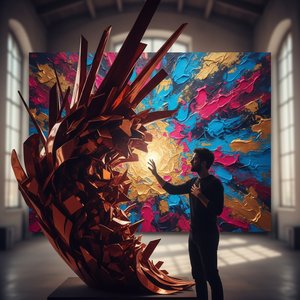
The Resonance of Boldness: Exploring Emotional Impact & Artistic Expression
Explore the powerful world of Expressionism with ArtsDot. Discover key artists like Kirchner & Rothko, understand its emotional impact, and learn how to collect this influential art movement. Expert insights for discerning collectors.

The Visceral Language of Emotion: Exploring Expressionist Painting's Enduring Legacy
Explore the powerful world of Expressionism with ArtsDot. Discover key artists like Kirchner & Nolde, understand its emotional impact, and learn about this revolutionary art movement's lasting legacy. Handmade oil paintings available.