


 Vezi în context
 Trimite
 Distribuie
 Detalii
 Ghid
Ghid

 Descarcă
 Produse similare
 Radiografie
 Diaporama
 Statistici
Self-Portrait
 Baroque
 1615
1615 55.0 x 39.0 cm
 Galleria Nazionale d’Arte Antica
 Citește mai mult
Giclée / Imprimare artistică
Printuri giclée sau pe canvas de calitate muzeală, cu proces de producție rapid și opțiuni flexibile de finisare. ( Comandă pictură realizată manual Treci la imagine digitală)




































Alegeți dintre dimensiunile noastre prestabilite, care respectă proporțiile originale ale operei de artă.

Puteți introduce propriile dimensiuni pentru a se potrivi unui anumit cadru sau spațiu. Dacă dimensiunea selectată nu corespunde proporțiilor imaginii originale, vom decupa lucrarea de artă sau vom extinde imaginea cu margini oglindite sau cu o culoare uniformă. Un mockup digital va fi trimis pentru aprobarea dumneavoastră înainte de începerea producției.
Vă rugăm să rețineți că previzualizarea de pe ecran nu reflectă decuparea sau extinderea reală. Doar mockup-ul va arăta cu exactitate compoziția finală.
Deși dimensiunile personalizate sunt disponibile, vă recomandăm să selectați o dimensiune din lista predefinită pentru a păstra proporțiile originale.
Livrare în întreaga lume () în 2 săptămâni, în loc de cele 4/5 săptămâni standard. (22 Septembrie)

Livrare expres gratuită la nivel mondial

Pânză de in premium

Asigurare completă pentru transport

Garanție de rambursare a taxelor vamale

Garanția fidelității culorilor

Politica de retur în 100 de zile (doar pentru defecte)

Garanție de rambursare 100%

Reducere pentru comenzi multiple
 Opțiunea cu sticlă este disponibilă doar pentru dimensiuni de sub 110 cm

Self-Portrait
Giclée / Imprimare artistică
Dimensiune reproducere
-


Preț total
$ 62
A Brief Overview of Orazio Borgianni
Orazio Borgianni was an Italian painter and etcher who was active during the Mannerist and early Baroque periods. He was born in 1574 in Rome and died in 1616. Borgianni's work was influenced by Michelangelo Merisi da Caravaggio, and he is known for his realistic and emotive depictions of his subjects.The Self-Portrait
The Self-Portrait by Orazio Borgianni is a stunning example of the artist's skill. The painting features the artist himself, dressed in a white collar and sporting a mustache and goatee beard. His expression is contemplative, and his eyes seem to be lost in thought. The background of the painting is dark and indistinct, which helps to focus attention on the subject.- The painting is characterized by its use of chiaroscuro, a technique that uses strong contrasts between light and dark to create a sense of volume and depth.
- The artist's attention to detail is evident in the intricate folds of his clothing and the individual strands of his hair.
- The painting is signed by the artist, with the inscription "Orazio Borgianni" visible in the lower right corner.
The Galleria Nazionale d'Arte Antica is a renowned museum that houses an impressive collection of art from the 13th to the 18th centuries. The museum's website, Galleria Nazionale d'Arte Antica, provides more information on the museum and its collections.
Opere similare


Biografie artist
Giorgio Vasari: The Architect of Artistic Biography
Giorgio Vasari, born in Arezzo in 1511 and tragically passing away in Florence in 1574, wasn’t merely a painter or architect; he was the pivotal figure who essentially invented the modern art historical biography. Often considered the “minister of culture” to the powerful Medici court in Florence, Vasari’s magnum opus, *The Lives of the Most Excellent Painters, Sculptors, and Architects*, remains a cornerstone of Western artistic understanding, shaping how we perceive and interpret the careers of countless artists from the Renaissance onwards. His work wasn't simply a chronicle; it was a deliberate construction of an idealized narrative, elevating Florence as the undisputed center of artistic innovation – a perspective that, while now recognized for its inherent biases, fundamentally altered the trajectory of art historical scholarship.
Vasari’s early life provided a surprisingly robust foundation for his later endeavors. Initially apprenticed to Guillaume de Marcillat, a stained-glass artist and painter in Arezzo, he received a grounding in both technical skill and humanist learning, including Latin. This early exposure to classical thought would prove crucial in shaping his approach to art history. He then moved to Florence, where he honed his skills under the tutelage of Andrea del Sarto and Baccio Bandinelli, absorbing the prevailing artistic trends of the time. Crucially, Vasari’s education extended beyond the purely visual; he was a keen observer of human nature and possessed an astute understanding of patronage and social dynamics – qualities that would later inform his biographical writing.
A Renaissance Man: Painter, Architect, and Art Historian
Vasari's career spanned diverse artistic disciplines. He excelled as both a painter and architect, contributing significantly to the aesthetic landscape of Florence during the High Renaissance. His architectural designs are particularly noteworthy, including the grand loggia of the Palazzo degli Uffizi, a masterpiece that still dominates the Florentine skyline. However, it’s his role as an art historian – specifically, the author of *The Lives* – that secures his enduring legacy. This monumental work wasn't simply a collection of artist portraits; it was a carefully constructed argument for the importance of artistic innovation and the elevation of Florence as the birthplace of Western art.
The structure of *The Lives* is itself remarkable. Vasari organized his subjects chronologically, grouping them into categories – painters, sculptors, and architects – and presenting each artist’s life alongside a detailed analysis of their works. He meticulously documented not only the artistic achievements but also the personal circumstances, struggles, and even supposed moral failings of each subject. This biographical approach, unprecedented in its scope and ambition, established a new standard for art historical writing. It's important to acknowledge that Vasari’s account is often riddled with inaccuracies and embellishments; he frequently invented details or exaggerated events to bolster his narrative. However, despite these flaws, *The Lives* remains an invaluable source of information about the Renaissance artistic world.
Influences and Artistic Style
Vasari's artistic style reflects the prevailing trends of the Mannerist period, a transitional phase between the High Renaissance and the Baroque. His paintings are characterized by a refined elegance, meticulous detail, and a sophisticated use of color and composition. While he embraced the stylistic innovations of his time – such as complex spatial arrangements and dramatic lighting – he also retained a strong sense of classical proportion and harmony. His architectural work similarly demonstrates a mastery of Renaissance principles, blending functionality with aesthetic beauty.
Vasari was profoundly influenced by several key figures. Leonardo da Vinci, for instance, held a particularly revered position in his writings, serving as a model for artistic excellence and intellectual curiosity. Michelangelo, despite Vasari’s later reservations about the sculptor's temper, also received considerable attention. Furthermore, Vasari drew inspiration from classical texts and humanist ideals, seeking to understand art within a broader cultural context. He was deeply influenced by the concept of *rinascita* (rebirth), popularized by Jules Michelet, which emphasized the revival of classical learning and artistic values during the Renaissance.
Legacy and Historical Significance
Giorgio Vasari’s impact on art history is immeasurable. His *Lives* established a precedent for biographical writing that continues to shape our understanding of artists today. He not only documented the lives of the great masters but also shaped their reputations, often elevating them to legendary status. His emphasis on Florence as the center of artistic innovation helped to solidify the city’s position as a cultural powerhouse – a narrative that has been both celebrated and critiqued over time.
Despite criticisms regarding factual inaccuracies and his inherent bias in favor of Florentine artists, Vasari remains a foundational figure in Western art history. His work provides invaluable insights into the Renaissance artistic world and continues to be studied and debated by scholars today. His legacy extends beyond the realm of art history; he is also considered one of the first cultural critics, offering a unique perspective on the relationship between art, society, and power.

orazio borgianni
1574 - 1616 , Italy
Informații rapide
- Artistic Movement Or Style: Mannerism, Renaissance
- Artists Or Movements Influenced By This Artist:
- Renaissance artists
- Vasari's concept
- Artists Who Influenced This Artist:
- Guglielmo da Marsiglia
- Andrea del Sarto
- Date Of Birth: July 30, 1511
- Date Of Death: June 27, 1574
- Full Name: Giorgio Vasari
- Nationality: Italian
- Notable Artworks:
- Lives of the Most Eminent Painters...
- Tomb of Michelangelo
- Place Of Birth: Arezzo, Tuscany
Articole conexe

Barocul în Splendoare: Cele Mai Reprezentative 10 Capodopere Artistice | ArtsDot.ro
Descoperă splendoarea Barocului! Explorează cele mai importante 10 capodopere ale lui Caravaggio, Rembrandt și Rubens. Află poveștile din spatele picturilor iconice și adu eleganța clasică în casa ta cu reproduceri de artă premium pe ArtsDot.ro

Baroque Classicism: Reconciling Drama & Order in 17th-Century Art
Explore the captivating world of Baroque Classicism! Discover its history, key artists like Caravaggio & Rubens, and defining characteristics. Expert insights & high-quality reproductions at ArtsDot.

Simon Vouet: A Baroque Master's Journey from Italian Influence to French Classicism
Explore the life & art of Simon Vouet, a pivotal French Baroque painter who introduced Italian styles to France. Discover his masterpieces and lasting influence on 17th-century art.

The Visceral Stage: Exploring Dramatic Narratives & Emotional Intensity in Baroque Art
Explore the dramatic world of Baroque art! Discover iconic masters like Caravaggio & Rembrandt, their techniques, and the movement's lasting impact. Expert insights for collectors & enthusiasts at ArtsDot.
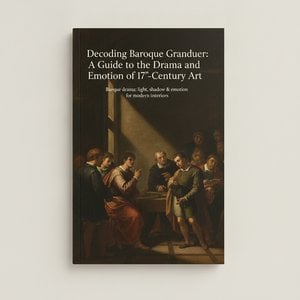
Decoding Baroque Grandeur: A Guide to the Drama and Emotion of 17th-Century Art
Explore the breathtaking drama of 17th-century Baroque art. Our expert guide decodes the use of chiaroscuro, emotional intensity, and historical grandeur to help you appreciate and curate timeless masterpieces for your collection.
