

 Previzualizare
 Trimite prin felicitare
 Distribuie
 Detalii despre lucrare
 Ghid
Ghid

 Descarcă imaginea
 Produse similare
 Radiografie
 Galerie foto
 Întrebări și răspunsuri
 Statistici
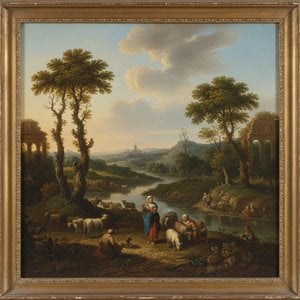
Landscape with orpheus and eurydice


 Vezi mai mult
Giclée / Imprimare artistică
Printuri giclée sau pe canvas de calitate muzeală, cu proces de producție rapid și opțiuni flexibile de finisare. ( Comandă pictură realizată manual Comută pe Imagine Digitală)




P118B lei10

P118H lei10

P118W lei10

P438Z lei10

P508JH lei12

P508YH lei12

P805H lei10

P805Z lei10

P919BZ lei10

P919G lei10

P919XJ lei10

P959ZH lei10

P968JZ lei12

W106C lei8

W218G lei10

W218JH lei8

W218Y lei10

W307PJ lei10

W316G lei10

W316PJ lei8

W316Y lei10

W398PJ lei8

W4111J lei10

W500HY lei15

W500JH lei15

W692G lei12

W849H lei8

W940BG lei15

W953PJ lei8




Alegeți dintre dimensiunile noastre prestabilite, care respectă proporțiile originale ale operei de artă.

Introduceți lățimea și înălțimea necesare pentru a se potrivi ramei sau peretelui dumneavoastră. O printare poate fi doar tăiată, niciodată extinsă dincolo de dimensiunea imaginii originale, astfel încât o dimensiune cu o formă diferită va pierde o parte din imagine. Vă trimitem o simulare digitală pentru aprobare înainte de a imprima orice. Imaginea afișată pe această pagină nu prezintă tăierea reală — doar simularea arată acest lucru.
Livrare în întreaga lume () în 2 săptămâni, în loc de cele 4/5 săptămâni standard. (10 Noiembrie)

Livrare expres gratuită la nivel mondial

Pânză de in de înaltă calitate

Asigurare completă pentru transport

Garanție de rambursare a taxelor vamale

Garanția fidelității culorilor

Politica de retur în 100 de zile (doar pentru defecte de fabricație)

Garanție de rambursare 100%

Ofertă pentru comenzi multiple
 Opțiunea cu sticlă este disponibilă doar pentru dimensiuni de sub 110 cm

Landscape with orpheus and eurydice
Giclée / Imprimare artistică
Dimensiune reproducere
-


Preț total calculat
lei 301
A Pastoral Elegy: Nicolas Poussin’s *Landscape with Orpheus and Eurydice*
This captivating landscape by Nicolas Poussin (1594-1665) is more than just a beautiful scene; it's a poignant visual interpretation of the classical myth of Orpheus and Eurydice, rendered with the refined elegance characteristic of French Baroque painting. Painted around 1650, the artwork resides in the Louvre Museum and exemplifies Poussin’s mastery of composition, color, and narrative storytelling.Decoding the Myth & Historical Context
The story of Orpheus, the legendary musician who descends into the underworld to retrieve his beloved Eurydice, is a timeless tale of love, loss, and the power of art. Poussin doesn’t depict the dramatic moment of their journey *from* the Underworld, but rather a serene, almost melancholic pause *during* it. This choice is crucial. He focuses on the fragile hope and inherent uncertainty within the myth – Orpheus leading Eurydice forward, yet unable to look back as per Hades' condition. Poussin’s career unfolded during a period where classical themes were experiencing a significant revival, particularly among French artists seeking to establish a distinctly national style rooted in intellectual rigor and order. He spent most of his working life in Rome, but remained deeply connected to the artistic ideals of France.Visual Analysis: Style & Technique
Poussin’s style is immediately recognizable for its clarity, balance, and emphasis on linear perspective. The composition is carefully structured around a pyramidal form – drawing the eye from the distant castle, across the gently rolling hills, down to the figures of Orpheus and Eurydice in the foreground. This compositional device creates depth and guides the viewer’s gaze through the landscape.- Color Palette: The painting is dominated by a muted palette of earthy tones – browns, greens, and blues – creating a sense of tranquility and timelessness. Warmer hues are subtly introduced in the figures' clothing and within the sky, adding visual interest without disrupting the overall harmony.
- Brushwork & Texture: Poussin’s technique is characterized by meticulous brushwork and glazing, building up layers of paint to achieve luminous effects and subtle color transitions. The textures are layered, suggesting foliage, water, and architectural elements with remarkable detail.
- Light & Shadow: Dramatic lighting illuminates the figures, casting shadows that enhance the scene’s three-dimensionality and contribute to its emotional depth. The light isn't harsh but rather diffused, lending a soft glow to the pastoral setting.
Symbolism Woven into the Landscape
Poussin imbues his landscape with symbolic meaning:- The River: Represents the journey of life and, in this context, the passage between worlds – a liminal space for Orpheus and Eurydice.
- The Castle & Bridge: Symbolize civilization, power, and perhaps the unattainable ideal. They stand as distant markers of the world Orpheus is attempting to rejoin with Eurydice.
- Musical Instruments: Represent harmony, art, and the power of music itself – Orpheus’s defining attribute and his means of navigating both worlds.
Emotional Resonance & Lasting Influence
*Landscape with Orpheus and Eurydice* evokes a sense of quiet contemplation and melancholic beauty. It's not a scene of triumphant joy, but rather one of fragile hope tinged with the awareness of potential loss. Poussin’s ability to convey such complex emotions through landscape is remarkable. His work profoundly influenced generations of artists, including Jacques-Louis David and Paul Cézanne, who admired his compositional rigor and intellectual approach to painting. This artwork remains a powerful testament to the enduring appeal of classical mythology and Poussin’s exceptional artistic vision – a piece that invites viewers to reflect on themes of love, loss, and the ephemeral nature of existence.Întrebări și răspunsuri
În ce încăpere este recomandată expunerea operei „Landscape with orpheus and eurydice”, având în vedere paleta sa cromatică?
Datorită paletei de culori Earthy, recomandăm "Landscape with orpheus and eurydice" de Nicolas Poussin pentru o Living Room. Culorile sunt unul dintre motivele acestei sugestii.
Cine este artistul din spatele "Landscape with orpheus and eurydice"?
„Landscape with orpheus and eurydice” este atribuit lui Nicolas Poussin.
Ce dimensiune se recomandă pentru "Landscape with orpheus and eurydice" într-un Living Room?
Combinația recomandată pentru "Landscape with orpheus and eurydice" de Nicolas Poussin: o printare de dimensiunea Large, ideală pentru o Living Room.
Opere similare


Biografie artist
Tinerețea, Familia și Formarea
Pentru a înțelege disciplina riguroasă a lui Nicolas Poussin, trebuie să ne întoarcem la originile sale din Les Andelys, în Normandia. Născut în iunie 1594, dezvoltarea sa timpurie nu a fost rezultatul unei inspirații fulgerătoare, ci al unei instruiri structurate și metodice. El și-a început educația tehnică la Rouen, un început care i-a oferit mecanica fundamentală necesară pentru compozițiile sale ulterioare, mult mai complexe. Această perioadă incipientă a stabilit un model de pregătire riguroasă care avea să îi definească întreaga carieră.
Până în 1612, Nicolas Poussin se mutase la Paris, unde a rămas până în 1623. Această decenie petrecută în capitala Franței a fost o perioadă de creștere semnificativă, care l-a ridicat dincolo de instruirea inițială din tinerețe. Educația sa nu s-a limitat doar la aspectul vizual; el a primit instruire în limba latină, un fapt ce i-a oferit instrumentele lingvistice necesare pentru a interacționa direct cu textele clasice pe care le va traduce ulterior în imagini. Această cunoaștere a limbii și structurii antice a asigurat faptul că opera sa a fost construită pe o fundație a logicii, și nu doar pe simpla senzație vizuală.
Anii Romani și Evoluția Artistică
Nicolas Poussin a ajuns la Roma în 1624, după un drum parcurs prin Veneția. În această etapă a vieții, el era un pictor încă în formare, lipsit de acea direcție definitivă care îi va marca ulterior cariera. Nu a ales să rămână în Franța pentru a-și găsi propria voce; dimpotrivă, și-a petrecut cea mai mare parte a vieții de creație la Roma, un oraș care i-a oferit peisajul intelectual și fizic necesar pentru evoluția sa. Aceasta nu a fost doar o perioadă de rezidență, ci o schimbare fundamentală în traiectoria sa artistică. El s-a îndepărtat de stilul senzual, influențat de școala venețiană, din tinerețe, către o abordare mult mai disciplinată și structurată. Această tranziție a fost alimentată de o implicare profundă în studiul ruinelor clasice și de interacțiunea cu cercurile erudite ale Orașului Vechi.
Dezvoltarea sa în Roma a fost marcată de o respingere a gusturilor baroce, flamboyante și teatrale, care erau predominante în acea epocă. În loc să prioritizeze impactul senzorial imediat sau gestul dramatic, el a căutat o stare de ordine și logică. A studiat vestigiile antice și operele lui Rafael pentru a construi un limbaj vizual înrădăcinat în claritate și echilibru. Această perioadă l-a văzut evoluind de la lucrările experimentale, aproape neformate, de la sosirea sa, către o metodă de compoziție extrem de controlată. În cele din urmă, a stabilit un stil care privilegia linia în detrimentul culorii, concentrându-se pe greutatea intelectuală a subiectelor sale, mai degrabă decât pe spectacolul superficial. A rămas în Roma până la moartea sa în 1665, transformându-se din un imigrant fără direcție într-o figură centrală a tradiției clasice.
Patronaj, Atelier și Comenzi
Cariera lui Nicolas Poussin a fost definită de un cerc selectiv și intelectual de patronaj, rather decât de cerințele vaste și teatrale ale Contrareformei. La Roma, legătura sa principală a fost Cassiano dal Pozzo, un savant și arheolog a cărui influență l-a ancorat pe Poussin într-un strat social specific, marcat de un nivel înalt de intelectualism. Această relație i-a asigurat lui Poussin singura sa comandă papală, în anul 1628. Un astfel de proiect impunea o îndepărtare de stilul flamboyant și emoțional atât de popular în oraș la acea vreme, privilegiind în schimb claritatea structurată pe care patronii săi o cereau. Capacitatea sa de a satisface acești colecționari exigenți i-a consacrat reputația de pictor cu o profunzime intelectuală remarcabilă.
Statutul său profesional a ajuns, în cele din urmă, la cele mai înalte niveluri ale statului francez. În timpul scurtei sale reveniri la Paris, a fost numit Pictor Prim al Regelui sub domnia lui Ludovic al XIII-lea și a Cardinalului Richelieu. Această funcție deosebită purta o greutate semnificativă, însă presiunile administrative și cele de curte s-au dovedit a fi incompatibile cu metodele sale de lucru. Deși a deținut titlul de Pictor Prim al Regelui, cerințele mondane de la palat l-au determinat să renunțe la această poziție pentru a se întoarce la Roma. Preferința sa pentru compania savanților, în detrimentul intrigilor de la curte, subliniază natura disciplinată, aproape retrasivă, a vieții sale profesionale.
- Martiriul Sfântului Erasmus (1628)
Tehnică și Stil
Abordarea lui Nicolas Poussin față de compoziție era un exercițiu disciplinat de geometrie și logică. El a respins spontaneitatea haotică și emoțională a Barocului, preferând în schimb claritatea și ordinea. Pentru a obține acest rezultat, a acționat mai degrabă ca un arhitect decât ca un simplu pictor. Utiliza o cutie specializată, iluminată prin deschideri în pereții săi, pentru a-și planifica pânzele, ceea ce îi permitea să studieze interacțiunea dintre lumină și umbră înainte ca prima pensulată să fie aplicată pe suprafața finală. Această pregătire metodică asigura faptul că fiecare figură și fiecare element al peisajului ocupa un spațiu precis și rațional.
Procesul său creativ implica o punere în scenă fizică, aproape teatrală, a subiectelor sale. Folosea mici scene cu figuri de ceară și draperii aranjate pentru a elabora compoziții complexe. Această metodă tactilă i-a permis să stăpânească jocul dintre lumină și formă. A utilizat chiaroscuro pentru a-și sculpta figurile, folosind lumina și umbra pentru a oferi adâncime și greutate emoțională, fără a se baza pe drama superficială a contemporanilor săi. Preferința sa pentru linie în detrimentul culorii i-a definit estetica; el a prioritizat integritatea structurală a unei scene, asigurându-se că logica subiacentă a compoziției rămâne focalul principal pentru privitor.
Opere Cheie și Teme
Opera lui Nicolas Poussin este definită de un angajament riguros față de structură, utilizând adesea narațiuni istorice și mitologice pentru a explora moralitatea umană. El a pictat frecvent scene din istoria antică, tratând pânza ca pe o scenă pentru o demnitate stoică. Această abordare intelectuală este evidentă în lucrările sale religioase, precum Martiriul Sfântului Erasmus, pe care le-a pictat pentru Biserica Sfântului Petru. Chiar și în perioada sa mai timpurie, mai senzuală, opere precum Alimentarea lui Bacchus The Nurture of Bacchus arată o tranziție de la culoarea de inspirație venetiană către liniaritatea disciplinată care îi va defini stilul matur.
Gama sa tematică s-a extins în teritorii filozofice profunde, cel mai notabil în Et in Arcadia Ego. Această operă folosește un peisaj pentru a provoca contemplarea mortalității. La sfârșitul anilor 1630, și-a îndreptat atenția către sacru prin seria Cele Șapte Sacramente. Aceste picturi demonstrează capacitatea sa de a menține stăpânirea clasică chiar și atunci când abordează subiecte teologice de o greutate enormă. El nu a apelat la excesul emoțional; dimpotrivă, a utilizat compoziții clare și logice pentru a transmite semnificația spirituală.
- Martiriul Sfântului Erasmus
- Alimentarea lui Bacchus
- Et in Arcadia Ego
- Cele Șapte Sacramente
Moștenire și Influență
Impactul lui Nicolas Poussin asupra artei franceze a fost unul de natură structurală, depășind simpla variație stilistică. Stabilind un standard de ordine și claritate, el a devenit pilonul central al Clasicismului francez. Prezența sa în cadrul Académie Royale de Peinture et de Sculpture a consolidat o abordare riguroasă a compoziției, care a definit întreaga epocă. Nicolas Poussin nu s-a limitat doar la actul de a picta; el a oferit un cadru conceptual prin care istoria și mitologia trebuiau organizate pe pânză, o disciplină care a asigurat persistarea influenței sale mult timp după moarta sa de la Roma.
Efectul metodei sale s-a extins până în secolul următor, modelând direcția unor mișcări artistice majore. Artiști precum Jacques-Louis David și Paul Cézanne și-au recunoscut datoria față de profunzimea sa intelectuală și de preferința sa pentru liniaritate în detrimentul culorii. În timp ce David a aplicat aceste principii Neoclassicismului, Cézanne a găsit o rezonanță diferită în peisajele structurate ale lui Nicolas Poussin. Capacitatea sa de a impune logica asupra unei scene rămâne un punct de referință esențial pentru oricine studiază evoluția compoziției occidentale.
- Et in Arcadia Ego
- The Seven Sacraments
- The Death of Germanicus
- Orion Blinded Searching for the Sun

Nicolas Poussin
1594 - 1665 , Franța
Detalii rapide
- Artistic Movement Or Style: Baroc francez, Clasicism francez
- Artists Or Movements Influenced By This Artist:
- Jacques-Louis David
- Paul Cézanne
- Artists Who Influenced This Artist:
- Titian
- Raphael
- Date Of Birth: 1594
- Date Of Death: 1665
- Full Name: Nicolas Poussin
- Nationality: Francez
- Notable Artworks:
- Moartea lui Germanicus
- Cele șapte sacramente
- Un drum roman
- Orion orbitor căutând soarele
- Sezoanele
- Place Of Birth: Le Havre, Franța
Articole similare

Peisaje Romantice Iconice: 10 Capodopere Artistice pentru Decorul de Lux
Descoperă 10 capodopere romantice iconice de Caspar David Friedrich, Turner și alți maeștri. Explorează istoria artei, emoțiile din peisaje și găsește tablouri canvas perfecte pentru decorul tău pe ArtsDot.com!

John Constable: Cele Mai Frumoase 25 de Capodopere – Artă Clasică pentru Decorul Casei Tale
Descoperă cele mai frumoase 25 de picturi ale lui John Constable, maestru al peisajului englezesc! Explorează stilul romantic, Dedham Vale și capodopere precum The Hay Wain. Reproduceri artă clasică pentru decorul casei tale – ArtsDot.com.

Nicolas Poussin: Classicism, Allegory & Order in 17th-Century French Painting
Explore the life & work of Nicolas Poussin, a master of French Classicism. Discover his allegorical paintings, Roman influences, and enduring impact on art history. Expert analysis & insights.

Evocations of Place: A Historical Journey Through Landscape Art
Explore the rich history of landscape art with ArtsDot. Discover renowned artists, movements like Impressionism & Romanticism, and expert guidance for collecting timeless pieces. Find your perfect serene escape today!
Nicolaes Berchem: Dutch Golden Age Pastoralism & the Evolution of Landscape Painting
Explore the captivating world of Nicolaes Berchem, a leading Dutch Golden Age painter. Discover his idyllic landscapes, masterful technique & lasting influence on art history. Learn more at ArtsDot.


