


 Comandă tipăritul Cumpără imaginea
 Trimite
 Distribuie
 Detalii despre lucrare
 Adaugă la favorite

 Descarcă
 Similare
 Radiografie
 Diaporama
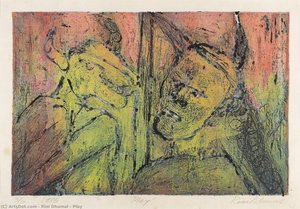
The Cry
 Painting
- Contemporary Art
 1980
1980- Modern
 29.0 x 41.0 cm
 Kerala Museum
 Vezi mai mult
Reproducere manuală în ulei
Pictură în ulei pe pânză, pictată manual, la dimensiunea și ramele dorite de dumneavoastră, realizată la comandă de artiștii noștri.




P118B $10

P118H $10

P118W $10

P438Z $10

P508JH $12

P508YH $12

P805H $10

P805Z $10

P919BZ $10

P919G $10

P919XJ $10

P959ZH $10

P968JZ $12

W106C $8

W218G $10

W218JH $8

W218Y $10

W307PJ $10

W316G $10

W316PJ $8

W316Y $10

W398PJ $8

W4111J $10

W500HY $15

W500JH $15

W692G $12

W849H $8

W940BG $15

W953PJ $8




Alegeți dintre dimensiunile noastre prestabilite, care respectă proporțiile originale ale operei de artă.

Puteți introduce propriile dimensiuni pentru a se potrivi unui anumit cadru sau spațiu. Dacă dimensiunea selectată nu corespunde proporțiilor imaginii originale, vom decupa opera de artă sau vom extinde pictura cu elemente suplimentare pictate manual. O simulare digitală vă va fi trimisă pentru aprobare înainte de începerea producției.
Vă rugăm să rețineți că previzualizarea de pe ecran nu reflectă decuparea sau extinderea reală. Doar macheta va arăta cu exactitate compoziția finală.
Deși sunt disponibile dimensiuni personalizate, vă recomandăm să selectați o dimensiune din lista predefinită pentru a păstra proporțiile originale.
După plasarea comenzii, echipa ArtsDot.com va trimite clientului instrucțiuni prin e-mail și îi va furniza o previzualizare a machetei
Livrare în întreaga lume () în 3/4 săptămâni, în loc de cele 5 săptămâni standard. (22 Iulie). Fără compromisuri în ceea ce privește calitatea.

Livrare expres gratuită la nivel mondial

Pânză de in de înaltă calitate

Asigurare completă pentru transport

Garanție de rambursare a taxelor vamale

Garanția fidelității culorilor

Politica de retur de 60 de zile (doar pentru defecte)

Garanție 100% de rambursare

Reducere la comenzi multiple
 Opțiunea cu sticlă este disponibilă doar pentru dimensiuni de sub 110 cm

The Cry
Tehnică de reproducere
Dimensiune reproducere
-


Preț total calculat
-
Descriere operă de artă
Opere de artă similare


Biografie artist
Early Life and Artistic Beginnings
James Lewis Dine, born June 16, 1935, in Cincinnati, Ohio, emerged from a surprisingly conventional background to become one of the most influential figures in post-war American art. His early life was marked by a quiet domesticity—he grew up in a modest home with his parents and younger sister, largely shielded from the turbulent artistic currents swirling around him. However, this seemingly ordinary upbringing proved to be fertile ground for an extraordinary creative spirit. A pivotal moment arrived during his teenage years when he encountered a collection of German Expressionist woodcuts through Paul J. Sachs’s *Modern Prints and Drawings* (1954). These stark, emotionally charged images—works by Ernst Ludwig Kirchner, Emil Nolde, and Max Beckmann—profoundly impacted Dine, igniting within him a desire to capture the raw essence of human experience through visual means. He began experimenting with woodcut techniques in his family’s basement, developing a distinctive style characterized by bold lines and simplified forms. This early exploration laid the foundation for his future career as a printmaker, sculptor, and performance artist. His formal artistic education commenced at the Art Academy of Cincinnati in 1952, followed by studies at the University of Cincinnati, where he honed his skills under Donald Roberts, a teacher who encouraged him to explore various printmaking methods including lithography, etching, and intaglio techniques.The Rise of Happenings and Early Experiments
Following graduation from the University of Cincinnati in 1957, Dine relocated to New York City, a hub of artistic innovation at the time. He quickly immersed himself in the burgeoning scene of experimental art, finding collaborators in figures like Claes Oldenburg, Marcus Ratliff, Allan Kaprow, and Bob Whitman. These artists were pushing the boundaries of traditional art forms, embracing spontaneity and audience participation in their performances known as “happenings.” Dine’s early work within this movement is particularly noteworthy. In 1959, he created *The Smiling Workman*, a provocative performance that involved distributing printed images of a smiling worker to passersby on the streets of New York. This piece demonstrated his willingness to engage directly with the public and challenge conventional notions of art’s role in society. This period marked a significant shift from purely visual art towards incorporating elements of theater, social commentary, and audience interaction—a hallmark of Dine's later work.Printmaking as a Central Focus
Throughout his career, printmaking remained a central focus for Jim Dine. He mastered an astonishing array of techniques – woodcuts, linocuts, screenprints, etchings, gravures, and drypoint – each offering unique possibilities for exploring form, texture, and imagery. Dine’s prints are instantly recognizable for their simplicity and directness. Often, he reduces complex subjects to their most essential elements, employing bold lines and reductive techniques to create striking visual statements. He frequently used the process of making the print itself as part of the artwork, incorporating the marks of his hand into the final image. This emphasis on the act of creation—the physical engagement with materials—became a defining characteristic of his work. His prints are not merely reproductions of images; they are embodiments of ideas and emotions, reflecting his ongoing exploration of human experience.The Development of “Dine-ographs” and Conceptual Art
In the 1960s, Dine began to develop a distinctive style he termed "dine-ographs." These works—often simple, hand-drawn images of everyday objects like forks, spoons, or chairs—were executed in various media, including woodcuts, lithographs, and screenprints. The dine-ographs represented a shift towards conceptual art, where the idea behind the artwork was often more important than its aesthetic qualities. Dine’s intention was to strip away any pretense of artistic skill or virtuosity, focusing instead on the inherent simplicity and directness of the subject matter. He sought to challenge viewers' assumptions about what constituted “art” by presenting familiar objects in unfamiliar contexts. This approach resonated with a broader cultural shift towards minimalism and conceptualism, solidifying Dine’s position as a key figure in the development of contemporary art.Legacy and Influence
Jim Dine’s impact on American art is profound and far-reaching. His pioneering work in happenings, his innovative printmaking techniques, and his embrace of conceptual ideas have influenced generations of artists. He demonstrated that art could be accessible, democratic, and engaged with the realities of everyday life. His commitment to simplicity and directness continues to inspire artists today. Dine’s work has been exhibited extensively around the world, and he remains a highly respected and influential figure in the contemporary art scene. His legacy extends beyond his own artistic creations; he fostered a spirit of experimentation and collaboration that helped shape the course of American art history.
naina dalal
1935 - , India
Detalii rapide
- Artistic Movement Or Style: Happenings, Printmaking
- Artists Or Movements Influenced By This Artist: ['Judson Gallery']
- Artists Who Influenced This Artist:
- Paul J. Sachs
- Ernst Ludwig Kirchner
- Date Of Birth: June 16, 1935
- Full Name: James Lewis Dine
- Nationality: American
- Notable Artworks:
- The Smiling Workman
- Cut Cards
- Place Of Birth: Cincinnati, Ohio, USA
Articole conexe

Top 25 de Capodopere James Abbott McNeill Whistler: Artă, Istorie și Decor Excepțional
Descoperă top 25 de picturi James Abbott McNeill Whistler, maeștri ai impresionismului și esteticismului. Explorează nocturnele, portretele și capodoperele sale pline de atmosferă pe ArtsDot.com! Reproduceri artă de calitate superioară pentru decorul perfect.

Metropolitan Museum of Art: Top 25 de capodopere pentru o casă inspirată
Descoperă top 25 de capodopere din Metropolitan Museum of Art, New York! Explorează poveștile lui Monet, Van Gogh și Rembrandt. Găsește inspirație pentru decorul casei tale cu reproduceri artă de calitate muzeală pe ArtsDot.com.

Portrete Iconice: Top 10 Opere de Artă care Explorează Esența Umanității | ArtsDot.ro
Descoperă Top 10 portrete celebre din istoria artei! Explorează poveștile lui Van Gogh, Mona Lisa și alți maeștri. Reproduceri de calitate muzeală pentru decorul perfect. Inspiră-te acum pe ArtsDot.com!

Top 10 Capodopere Alb-Negru: Frumusețe Atemporală în Artă | ArtsDot.ro
Descoperă top 10 picturi celebre dominate de alb, de la Monet la Kandinsky! Explorează istoria artei, tehnicile artistice și frumusețea atemporală a capodoperelor clasice. Reproduceri de calitate muzeală pe ArtsDot.com – inspiră-ți decorul!

Detroit Institute of Arts: Top 25 de Capodopere pentru Decorul Casei Tale | ArtsDot.ro
Descoperă top 25 de capodopere din Detroit Institute of Arts! Explorează poveștile lui Van Gogh, Monet și Rembrandt. Reproduceri tablouri de calitate muzeală pentru un decor artistic unic. Inspiră-te și găsește arta perfectă pe ArtsDot.com!

