

 Previzualizare
 Trimite prin felicitare
 Distribuie
 Detalii despre lucrare
 Ghid
Ghid

 Descarcă imaginea
 Produse similare
 Radiografie
 Galerie foto
 Întrebări și răspunsuri
 Statistici
Ignudo (13)


 Vezi mai mult
Giclée / Imprimare artistică
Printuri giclée sau pe canvas de calitate muzeală, cu proces de producție rapid și opțiuni flexibile de finisare. ( Comandă pictură realizată manual Comută pe Imagine Digitală)




P118B lei10

P118H lei10

P118W lei10

P438Z lei10

P508JH lei12

P508YH lei12

P805H lei10

P805Z lei10

P919BZ lei10

P919G lei10

P919XJ lei10

P959ZH lei10

P968JZ lei12

W106C lei8

W218G lei10

W218JH lei8

W218Y lei10

W307PJ lei10

W316G lei10

W316PJ lei8

W316Y lei10

W398PJ lei8

W4111J lei10

W500HY lei15

W500JH lei15

W692G lei12

W849H lei8

W940BG lei15

W953PJ lei8




Alegeți dintre dimensiunile noastre prestabilite, care respectă proporțiile originale ale operei de artă.

Introduceți lățimea și înălțimea necesare pentru a se potrivi ramei sau peretelui dumneavoastră. O printare poate fi doar tăiată, niciodată extinsă dincolo de dimensiunea imaginii originale, astfel încât o dimensiune cu o formă diferită va pierde o parte din imagine. Vă trimitem o simulare digitală pentru aprobare înainte de a imprima orice. Imaginea afișată pe această pagină nu prezintă tăierea reală — doar simularea arată acest lucru.
Livrare în întreaga lume () în 2 săptămâni, în loc de cele 4/5 săptămâni standard. (9 Noiembrie)

Livrare expres gratuită la nivel mondial

Pânză de in de înaltă calitate

Asigurare completă pentru transport

Garanție de rambursare a taxelor vamale

Garanția fidelității culorilor

Politica de retur în 100 de zile (doar pentru defecte de fabricație)

Garanție de rambursare 100%

Ofertă pentru comenzi multiple
 Opțiunea cu sticlă este disponibilă doar pentru dimensiuni de sub 110 cm

Ignudo (13)
Giclée / Imprimare artistică
Dimensiune reproducere
-


Preț total calculat
lei 300
Michelangelo’s *Ignudo*: A Whisper of Vulnerability in the Sistine Chapel
Within the colossal grandeur of the Sistine Chapel, amidst scenes of biblical drama and divine power, resides a small yet profoundly moving fresco – *Ignudo*, Latin for “ignorant” or “unlearned.” Painted by Michelangelo Buonarroti in 1509, this seemingly simple figure transcends its modest scale to offer an intimate glimpse into the artist’s genius, his unparalleled understanding of human anatomy, and perhaps, a poignant reflection on the very essence of humanity. More than just decorative detail within the larger narrative, *Ignudo* stands as a moment of quiet contemplation, a breath held amidst the whirlwind of artistic creation, inviting viewers to consider themes of vulnerability, repose, and the inherent dignity found in simple existence.
The fresco’s placement is crucial to understanding its impact. Situated in the lower left corner of the “Sacrifice of Noah” panel, *Ignudo* acts as a subtle counterpoint to the vibrant action above – a scene depicting the aftermath of the great flood. The figure's posture, with arms raised protectively around his face, suggests a desire for seclusion, a momentary retreat from the chaos and renewal unfolding in the background. This deliberate positioning elevates *Ignudo* beyond mere illustration; it becomes a focal point for introspection, a silent observer within a dynamic composition.
A Masterclass in Form and Gesture
Michelangelo’s mastery of anatomy is immediately apparent in *Ignudo*. The figure's body is rendered with an astonishing level of detail – every muscle, vein, and contour meticulously observed and flawlessly translated onto the frescoed surface. Yet, this isn’t a cold, clinical depiction; rather, it’s imbued with a palpable sense of life. The relaxed posture, achieved through the subtle yet effective use of *contrapposto* (a technique where weight is shifted to one leg), creates a dynamic balance within the figure's stillness. Notice how the gentle curve of his spine echoes the graceful arc of his arms – a visual harmony that speaks volumes about Michelangelo’s profound understanding of proportion and movement.
The artist’s skillful use of *sfumato* – a technique employing hazy, blurred outlines to soften transitions between light and shadow – further enhances the figure's ethereal quality. The background is subtly rendered with two small birds—one near the top left corner and another towards the bottom right—and a vase on the far left, adding depth and visual interest without distracting from the central subject. These elements contribute to the overall impression of tranquility and seclusion, creating an atmosphere that invites quiet contemplation.
Symbolism and the Enigmatic Figure
The identity of *Ignudo* remains deliberately ambiguous, fueling centuries of speculation and contributing to the figure’s enduring appeal. Some scholars suggest he represents a young Adam, shielding himself from the knowledge of sin – a poignant premonition of humanity's fall. Others interpret him as a symbol of innocence or vulnerability, a reminder of our shared human condition. The act of covering his face could be seen as a gesture of protection, a desire to escape the harsh realities of the world. Regardless of its precise meaning, *Ignudo* invites viewers to contemplate themes of mortality, faith, and the search for inner peace – universal questions explored through the lens of a single, arresting image.
Bringing *Ignudo* Home: A Timeless Reproduction
ArtsDot is proud to offer meticulously crafted oil painting reproductions of Michelangelo’s *Ignudo*. Our skilled artisans painstakingly recreate every detail of the original fresco, utilizing only the finest pigments and archival-quality materials. Whether you're an art enthusiast, a collector seeking a piece of Renaissance history, or simply drawn to the beauty and serenity of this iconic image, our reproduction provides a stunning way to experience Michelangelo’s genius in your own home. Explore our collection today and discover the perfect *Ignudo* reproduction to complement your space and inspire contemplation.
Discovering the Art of the Sistine Chapel | Sistine Chapel ceiling | Michelangelo
Întrebări și răspunsuri
Ce format și orientare de imprimare se recomandă pentru "Ignudo (13)" de Michelangelo Buonarroti?
Pentru o printare a lucrării "Ignudo (13)" de Michelangelo Buonarroti, recomandăm dimensiunea de Format mare în orientare Alungit.
Unde pot achiziționa o imagine digitală a "Ignudo (13)" de Michelangelo Buonarroti?
O imagine digitală a operei "Ignudo (13)" de Michelangelo Buonarroti poate fi achiziționată pe pagina sa de Imagine digitală de înaltă rezoluție: descărcare imagine digitală de înaltă rezoluție.
În ce etapă a carierei lui Michelangelo Buonarroti se încadrează "Ignudo (13)", având în vedere data sa de execuție?
Având în vedere data de 1509, „Ignudo (13)” aparține perioadei Early Renaissance a lui Michelangelo Buonarroti.
Opere similare


Biografie artist
Greutatea Pietrei și a Prafului
În dealurile Caprese, un băiat a învățat greutatea pietrei și asprimea prafului de marmură. Născut în 1475, Michelangelo Buonarroti și-a petrecut primii ani de viață în apropierea Settignano, unde tatăl său deținea o fostură. Mirosul de pământ umed și sunetul ciocanelor lovind piatra au fost parte din copilăria sa. El nu a început cu pensulele, ci cu dălta. Ucenicia sa sub îndrumarea lui Domenico Ghirlandaio în Florența l-a pus în contact cu interesul tot mai mare al orașului pentru forma umană, însă grădinile Medici au fost cele care i-au modelat cu adevărat privirea. Acolo, printre fragmentele antice grecești și romane, a studiat modul în care lumina cade peste mușchi și os.
Opera sa a început să prindă contur printr-un studiu profund al anatomiei. El observa modul în care un membru susține greutatea și cum se întinde pielea peste o articulație. Această concentrare pe realitatea fizică a corpului a devenit limbajul său principal. Când a ajuns la Roma în 1496, sculpta deja figuri care posedau o prezență grea, palpabilă. Pietà, finalizată în 1499, demonstrează această abilitate timpurie de a face marmura să pară moale ca carnea, chiar și atunci când poartă greutatea unui om mort.
Tensiunea de pe Tavan
Sarcina de a picta tavanul Capellei Sixtine nu a fost ceva ce a căutat. El se vedea pe sine ca pe un sculptor, cineva care scoate viața din piatră, mai degrabă decât cineva care întinde pigment pe tavan. Totuși, timp de patru ani, a lucrat în zonele înalte ale capelei, pictând peste 300 de figuri din Cartea Genezei. Efortul fizic era vizibil în viața sa de zi cu zi. Își petrecea ore întregi în poziții dificile, corpul său fiind solicitat de întinderea brațelor și de aplicarea densă a tehnicii frescei. În panouri precum Creația lui Adam, tensiunea se regăsește în micul spațiu dintre doi degete, un moment de aproape-contact care captează atenția privitorului prin compoziție pură.
Pe măsură ce timpul trecea, stilul său s-a îndepărtat de idealurile echilibrate ale Renașterii înalte către ceva mai neliniștit. Lucrările sale ulterioare, precum Judecata de Apoi de pe peretele altarului, arată o schimbare spre Manierism. Figurile au devenit mai alungite, iar compozițiile mai aglomerate și dramatice. Această schimbare reflecta un climat spiritual în continuă transformare în Roma. El a continuat să lucreze cu o intensitate pe care mulți o considerau copleșitoare, lăsând adesea proiecte neterminate, pe măsură ce mintea sa se îndrepta spre noi probleme arhitecturale sau sculpturale.
Arhitectura și Ultimele Ani
În deceniile sale de la vârsta de maturitate, Michelangelo și-a îndreptat mare parte a atenției către structura clădirilor. La vârsta de 71 de ani, a preluat lucrul la Bazilica Sfântul Petru, modificând planurile pentru a crea un design mai masiv și impunător. De asemenea, a proiectat Biblioteca Laurentiană, unde utilizarea elementelor arhitecturale a rupt din tradiție, creând un sentiment de mișcare în interiorul pietrei însăși. Lucrarea sa de pe Piazza del Campidoglio din Roma a arătat cum putea organiza un spațiu public folosind simetria și motivele clasice pentru a ghida privirea prin piață.
A murit la Roma în 1564, lăsând în urmă un moștenire scrisă în marmură, frescă și piatră. Viața sa a fost definită de câteva roluri cheie:
- Sculptor: Sculptând opere precum David din blocuri unice de marmură de Carrara.
- Pictor: Executând vasturile cicluri narative ale Capellei Sixtine.
- Arhitect: Redesenând fundațiile Bazilicii Sfântului Petru și ale Librăriei Laurentiene.
- Poet: Exprimându-și gândurile interioare prin versuri.

Michelangelo Buonarroti
1475 - 1564 , Italia
Detalii rapide
- Artistic Movement Or Style: Renaștere înaltă, Manierism
- Artists Or Movements Influenced By This Artist: ['Manierism']
- Artists Who Influenced This Artist: ['Domenico Ghirlandaio']
- Date Of Birth: 1475
- Date Of Death: 1564
- Full Name: Michelangelo di Lodovico Buonarroti Simoni
- Nationality: Italian
- Notable Artworks:
- Pietà
- David
- Tavanul Capellei Sixtine
- Judecata de Apoi
- Place Of Birth: Caprese Michelangelo, Italia
Articole similare
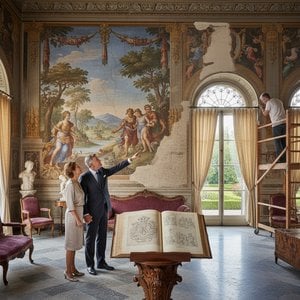
Moștenirea Frescei: Pictând Istoria Familiei pe Pereți
Transformă istoria familiei tale într-o frescă unică! Artiști profesioniști, tehnici moderne și consultanță gratuită. Creează o moștenire vizuală de neuitat cu .

The Enduring Legacy of Fresco: Technique, History & Artistic Expression Across Cultures
Explore the rich history & enduring legacy of fresco painting! Discover ancient techniques, Giotto's masterpieces, and modern applications. Expert insights for art lovers & professionals.

Michelangelo Buonarroti: Cele Mai Remarcabile 25 de Capodopere – Artă, Istorie și Decorațiuni Excepționale
Descoperă cele mai emblematice 25 de capodopere ale lui Michelangelo Buonarroti! Explorează sculpturi renascentiste, picturi iconice și fresce uimitoare. Află poveștile din spatele artei clasice și găsește inspirație pentru decorul tău pe ArtsDot.com.

The Enduring Legacy of Fresco: Technique, History & Artistic Expression
Explore the rich history & enduring artistry of fresco painting. Discover techniques from Giotto to Michelangelo, conservation efforts, & modern applications. Learn how ArtsDot brings this timeless art form to your home.

The Enduring Legacy of Fresco Painting: Techniques, History & Contemporary Relevance
Explore the rich history & enduring artistry of fresco painting – from Giotto to Michelangelo! Discover techniques, conservation efforts, & modern applications. Learn how ArtsDot brings this timeless art form to your home.


