

- 135.0 x 100.0 cm


Imaginea respectă alegerile tale: , .
Descriere obiect de colecție
Max Beckmann's haunting 'The King,' painted in 1937 during his exile, showcases Expressionist drama through a poignant portrait blending regal dignity with childlike vulnerability—a masterpiece to explore and cherish.
 Vezi mai mult
Biografie artist
O figură cheie a Expresionismului german, Max Beckmann a creat iconicul Capul de Noapte. Descoperă astăzi operele sale puternice și simbolice.
Reproducere pictată manual în ulei
Pictură în ulei pe pânză, pictată manual de artiștii noștri la dimensiunea și ramele dorite de dumneavoastră, pe comandă. ( Comută pe versiunea Print Comută pe Imagine Digitală)
Mai multe detalii despre această pictură
 Previzualizare
 Trimite prin felicitare
 Distribuie
 Detalii despre lucrare
 Ghid
Ghid

 Descarcă imaginea
 Produse similare
 Radiografie
 Galerie foto
 Întrebări și răspunsuri
 Statistici
Comandați tabloul dumneavoastră în patru pași simpli
Nu vă grăbiți. Puteți modifica orice răspuns; prețul din coșul de comandă se actualizează în funcție de fiecare alegere.
1 Pasul unu din patru
Ce dimensiune doriți?
Aceste dimensiuni păstrează proporțiile tabloului original. Ilustrația prezintă alegerea dumneavoastră pe un perete, deasupra unei canapele de doi metri.
Sau introduceți propriile dimensiuni
Alegeți dintre dimensiunile noastre prestabilite, care respectă proporțiile originale ale operei de artă.

Introduceți lățimea și înălțimea necesare pentru a se potrivi ramei sau peretelui dumneavoastră. Această lucrare este pictată manual, așa că, pentru o dimensiune cu o formă diferită, artistul poate picta puțin mai mult în jurul imaginii sau poate tăia puțin din margini — dumneavoastră decideți. Vă vom trimite o simulare digitală pentru aprobare înainte de a începe pictarea. Imaginea afișată pe această pagină nu reprezintă rezultatul real — doar simularea este reprezentativă.
2 Pasul doi din patru
Cum ar trebui pregătită: rulată, întinsă pe pânză sau înramată?
Prețurile de mai jos sunt pentru dimensiunea aleasă la primul pas.
Alege marginile tabloului pe pânză întinsă
Alege cadrul tău

Alb lei1

Margini difuze lei1

Extins lei1

P118B lei10

P118H lei10

P118W lei10

P438Z lei10

P508JH lei12

P508YH lei12

P805H lei10

P805Z lei10

P919BZ lei10

P919G lei10

P919XJ lei10

P959ZH lei10

P968JZ lei12

W106C lei8

W218G lei10

W218JH lei8

W218Y lei10

W307PJ lei10

W316G lei10

W316PJ lei8

W316Y lei10

W398PJ lei8

W4111J lei10

W500HY lei15

W500JH lei15

W692G lei12

W849H lei8

W940BG lei15

W953PJ lei8

H24-GOLD lei30

H24-SILVER lei30

H36-GOLD lei45

H36-SILVER lei45
Înramat
Ramă: . Dimensiuni cu ramă: .
3 Pasul trei din patru
Doriți să modificați ceva în tabloul respectiv?
Majoritatea oamenilor răspund negativ. Deoarece fiecare pictură este realizată manual, artistul nostru poate adapta lucrarea și pentru dumneavoastră.
După plasarea comenzii, echipa ArtsDot.com va contacta clientul prin e-mail pentru instrucțiuni și va furniza o previzualizare (mockup)
4 Pasul patru din patru
Câteva opțiuni de finisare
Toate sunt opționale. Răspunsurile deja selectate nu implică costuri suplimentare.
Cine este autorul?
Livrare în întreaga lume () în 3-4 săptămâni, în loc de cele 5 săptămâni standard. (16 Noiembrie). Fără compromisuri în ceea ce privește calitatea.
O plăcuță de identificare, ca la muzeu?
Detalii plăcuță din bronz gravat
This elegant plaque features the artist's name and the title of the artwork, finely engraved for a timeless presentation.
It is made from bronze with a refined, elegant finish. The text is precisely laser-engraved for a sharp and permanent result. Measuring 9x2 cm, the plaque is compact yet easy to read. It's built to be durable and scratch-resistant, offering a professional, museum-quality look. Mounting is simple thanks to the included adhesive backing.
Detalii plăcuță din acril transparent
The plaque includes essential engraved details such as the artist's name, the title of the artwork, the date it was created, the type of media used-like oil on canvas or watercolor-a brief description of the piece, and a QR code that links to the complete artwork information.
It is crafted from clear acrylic, offering a sleek, modern appearance. The text is UV-engraved in black to ensure strong visual contrast. With a size of 10x15 cm, it ensures optimal readability. It comes equipped with two metal hooks for secure wall mounting. The plaque is designed to be weather-resistant, making it suitable for various environments, and it includes interactive features that work seamlessly with smartphone scanning.
Detalii placă din acril negru
This elegant plaque includes engraved information such as the artist's name, the title of the artwork, the date it was created, the type of media used (like oil on canvas or watercolor), a short description of the artwork, and a QR code for quick access to more information.
The plaque itself is made from refined black acrylic with a premium finish. The text is laser-engraved in white for high contrast and readability. Its size is 10x15 cm, designed to be easy to read. It comes with two metal hooks for professional mounting. The design is sleek and fits any interior style. It is also weather-resistant and durable, with built-in digital integration for mobile compatibility.
Un lac protector?
Când aveți nevoie de el?
✓ Verifică și comandă
Tabloul tău, exact așa cum l-ai comandat

The King
Tehnică de reproducere
Dimensiune reproducere
-

Selecție de artiști de elită
Mai multe detalii, rafinament și timp suplimentar de execuție
-

Ramă pentru reproducere artistică
-
-
Pentru opere de artă sau reproduceri care depășesc 105 cm (aproximativ 41 de inch) pe oricare dintre laturi, cadrul va fi livrat demontat, sub formă de kit. Această metodă asigură o livrare sigură și previne deteriorarea în timpul transportului.
Este necesară asamblarea profesională – acest produs nu este de tip DIY (de făcut singur).
Kitul trebuie asamblat, iar pânza întinsă, de către un legător de cadre experimentat, utilizând adeziv pentru lemn (neinclus în colet), o cheie pentru întinderea pânzei și cleme pentru a menține barele la unghi drept în timp ce adezivul se usucă. Asamblarea incorectă sau tensiunea neuniformă a pânzei pot deteriora permanent opera de artă și nu sunt acoperite de garanția noastră.
 Pentru opere de artă sau reproduceri care depășesc 105 cm (aproximativ 41 de inch) pe oricare dintre laturi, cadrul va fi livrat demontat, sub formă de kit. Această metodă asigură o livrare sigură și previne deteriorarea în timpul transportului.
Toate barele din lemn masiv sunt incluse, tăiate cu precizie la dimensiunea necesară.
Asamblat cu șuruburile incluse, plus adeziv pentru lemn pentru îmbinările de colț, care nu este furnizat și trebuie achiziționat de către tâmplarul dumneavoastră.
Sunt necesare unelte profesionale care nu sunt incluse: o șipte de întindere a pânzei (tensionator) și cleme pentru a menține barele la unghi drept în timp ce adezivul se usucă.
Important:
Îmbinările de colț necesită adeziv pentru lemn, barele trebuie fixate cu clești de strângere până când adezivul este complet uscat, iar întinderea pânzei pe cadrul asamblat necesită un clește pentru întins pânza. Niciunul dintre aceste elemente nu este inclus în kit. Vă rugăm să consultați un încadrator profesionist cu experiență înainte de a comanda această dimensiune.

Etichetă de prezentare
-
-

Lac de protecție
Lac lucios (intensifică nuanțele și oferă protecție împotriva luminii și a umidității)
-

Personalizează opera mea de artă
Exemple de elemente ce pot fi personalizate: Înlocuirea feței cu fotografia clientului; Adăugarea unui animal de companie (de exemplu, înlocuirea unei pisici cu un câine); Includerea unui mesaj ascuns în fundal; Modificarea peisajului sau a elementelor din fundal.
-

Livrare rapidă
Livrare la nivel mondial () în 3-4 săptămâni, în loc de cele 5 săptămâni standard. (16 Noiembrie). Fără compromisuri când vine vorba de calitate.
-
Livrare rapidă
Livrare la nivel mondial () în 5 săptămâni. (23 Noiembrie).
Inclus
Preț total calculat
lei 1246
Opțiunea cu sticlă este disponibilă doar pentru dimensiuni de sub 110 cm
Inclus în fiecare comandă
- Livrare expres gratuită la nivel mondial
- Pânză de in de înaltă calitate
- Asigurare completă pentru transport
- Garanție de rambursare a taxelor vamale
- Garanția fidelității culorilor
- Politica de retur în 100 de zile (doar pentru defecte de fabricație)
- Garanție de rambursare 100%
- Ofertă pentru comenzi multiple


Artistic Evolution and Inspiration
Beckmann worked tirelessly on The King, submitting it to the Carnegie International exhibition in San Francisco from 1934-35. Although it did not win a prize, this setback prompted him to make significant changes before finally signing the piece in Amsterdam in 1937. The painting's history is crucial as some critics have interpreted it as an allusion to the "despot" of the time, suggesting it was Beckmann's first work created in exile. However, the resemblance between the king and Beckmann himself negates any direct reference to a specific tyrant. Instead, the artwork delves into the inner drama of a proud, powerful, yet benign individual.Composition and Symbolism
The painting features a man wearing a crown, seated with a child on his lap, accompanied by two other figures in the background. All three individuals are dressed in pink attire, creating a sense of unity and togetherness. A dog is prominently positioned near the center of the image, while a chair is visible in the background, adding depth to the composition. The king's features bear a striking resemblance to Beckmann's own, although it was not intended as a formal self-portrait. The distinctive collar with triangular flaps, often associated with clown and harlequin costumes, suggests that the ominous scene might be part of a play. This blend of reality and theatricality is characteristic of Beckmann's unique style.Expressionism and Artistic Legacy
Max Beckmann was a prominent figure in the Expressionist movement, known for his ability to convey intense emotions through his art. The King exemplifies this by capturing the inner turmoil and dignity of its subject. Beckmann's work is a testament to the power of Expressionism in exploring the human experience. For those interested in learning more about Max Beckmann and his contributions to Expressionism, visit /art/list/?Filter=Max-Beckmann for a comprehensive overview of his life and works. Additionally, explore the detailed page on "The King" to delve deeper into the painting's history and significance.Conclusion
The King by Max Beckmann is a masterpiece that encapsulates the essence of Expressionism, blending reality with theatrical elements. Its rich history and symbolism make it a compelling piece for art enthusiasts and scholars alike. As part of the Saint Louis Art Museum's collection, this painting continues to inspire and intrigue audiences. For those who appreciate the beauty of handmade oil paintings, ArtsDot offers high-quality reproductions of Beckmann's works, including The King. Visit https://ArtsDot.com to explore their extensive collection and bring a piece of art history into your home.Întrebări și răspunsuri
Ce dimensiune ar trebui să aleg pentru "The King", astfel încât să se potrivească în camera mea?
Pentru o Living Room, recomandăm pentru "The King" o dimensiune de tipar de Large.
Ce nivel de saturație și intensitate prezintă "The King" de Max Beckmann?
"The King" de Max Beckmann prezintă o saturație de Subtle Color și o intensitate de Balanced.
Ce format și orientare de imprimare se recomandă pentru "The King" de Max Beckmann?
Dimensiunea Large, orientarea Portrait: aceasta este configurația de imprimare recomandată pentru "The King" de Max Beckmann.
Opere similare


Max Beckmann
1884 - 1950, Germania
Biografie artist
Viața și Arta lui Max Beckmann
Max Beckmann a fost un om al multor discipline, activând ca pictor, desenator, grafic, sculptor și scriitor. El a venit pe lume pe 12 februarie 1884, în Leipzig, Saxonia, crescând într-o familie de clasa medie superioară, fiind cel mai mic dintre cei trei copii. Primii săi ani au fost modelați de stabilitatea liniștită a căminului familial, până în 1894, când tatăl său, Carl Beckmann, un comerciant de cereale, a decedat. Mama sa, Antoine Beckmann, a rămas o figură centrală în viața sa pe măsură ce acesta începea să își descopere drumul printre complexitățile existenței moderne.
Opera sa a fost adesea percepută ca o confruntare cu realitatea condiției umane. El nu se limita doar la pictarea unor simple scene; el capta tensiunea unei epoci în continuă transformare prin intermediul unei varietăți de mijloace de expresie. Producția sa artistică a fost vastă, întinzându-se de la pânze de dimensiuni monumentale până la printuri intime. A fost un om care a căutat să articuleze greutatea istoriei prin propriile mâini, utilizând adesea instrumentele meseriei sale pentru a procesa peisajele schimbătoare ale secolului al XX-lea.
- Autoportret în Florența (1907)
- Noaptea (1919)
- Podul de Fier (Vedere de pe Frankfurt) (1922)
- Autoportret cu trâmbiță (1938)
- Fiul Prodigal (1949)
Tinerețea și Formarea Artistică
Născut într-o familie de clasa de mijloc în Leipzig, Germania, Max Beckmann a manifestat încă de la vârstă fragedă o înclinație naturală către desen. Primele sale schițe au dezvăluit un talent precoce, care prefigura profunzimea lucrărilor sale ulterioare. În acești ani de formare, artistul a căutat rigoarea vechilor tradiții, instruindu-se într-un stil academic conservator, care pune accent pe precizia tehnică. Această ancorare în tehnica formală i-a oferit o fundație solidă, chiar în momentul în care spiritul său propriu începea să forțeze limitele metodelor convenționale.
Pe măsură ce maturiza, Beckmann s-a simțit atras de maeștrii vechi. Și-a petrecut o mare parte din timp studiind compozițiile și măiestria formei acestora, o fascinație care, în cele din urmă, l-ar fi ajutat să își dezvolte un stil remarcabil de original. Nu s-a mulțumit cu simpla imitație; dimpotrivă, a folosit lecțiile trecutului pentru a construi un limbaj vizual personal. Această perioadă de studiu a fost marcată de o tensiune constantă între instruirea sa academică și dorința tot mai mare de a exprima ceva mai profund și mai puțin structurat.
Până în 1912, el aborda deja subiecte ambițioase care necesitau o stăpânire deplină a compoziției de mari dimensiuni. Una dintre astfel de opere a fost pictura sa The Sinking of the Titanic, o piesă care a demonstrat capacitatea sa de a gestiona narațiuni complexe și dramatice. În această etapă, opera sa era caracterizată de reprezentări academic corecte, concentrându-se pe greutatea și prezența figurilor într-un spațiu definit. Era, în esență, un pictor de istorie, utilizând măreția trecutului pentru a explora condiția umană printr-o lentilă a formei structurate și deliberate.
Experiențele din timpul Primului Război Mondial
Izbucnirea Primului Război Mondial a adus un sfârșit brusc și violent perioadei de studii academice ale lui Max Beckmann. Acesta nu a rămas un simplu spectator în fața conflictului; dimpotrivă, s-a înrolat voluntar în corpul medical. Servind ca asistent medical, a fost aruncat direct în realitatea crudă a suferinței umane. Lumea clinică și structurată a primilor sale ani de studiu a fost înlocuită de condițiile haotice și terifiante de pe linia frontului.
Tensiunea extremă a acestui serviciu a devenit, în cele din urmă, de neîndurat. În timp ce era staționat pe frontul belgian, greutatea devastării războiului i-a provocat o criză nervoasă. A fost demis din armată în 1915, întorcându-se la o viață care fusese fundamental alterată de ceea ce fusese martorul. Horrorul pe care l-a witnessed în timpul serviciului său medical a aprins o schimbare radicală în viziunea sa artistică. Precizia academică a tinereții sale a cedat loc unei noi moduri de a vede ทีa, una care reflecta o umanitate fracturată și tulburată.
Stilul și Tehnica Artistică
Limbajul vizual al lui Max Beckmann a fost construit pe o tensiune constantă între tradiție și un impuls modern, neliniștit. El a privit înapoi către maeștrii vechi, găsind o fundație solidă în lucrările lui Rembrandt și Rubens, dar a căutat inspirație și în formele structurate ale lui Cézanne și în brushwork-ul emoționant al lui Van Gogh. Compozițiile sale semănau adesea cu spații aglomerate și comprimate, utilizând o perspectivă superficială și contururi întunecate, grele, pentru a împinge subiectele direct în fața privitorului. Această tehnică crea o senzație de claustrofobie, ca și cum figurile ar fi fost capturate în interiorul cadrului. El a îmbinat frecvent această figurare distorsionată cu un realism brutal, folosind pânzele pentru a oferi o critică socială aspră a lumii din jurul său.
Aplicarea fizică a vopselei era esențială pentru puterea sa expresivă. Max Beckmann a preferat o tehnică magistrală de impasto, aplicând pictura în straturi groase, gestuale, care conferau suprafețelor sale o greutate palpabilă, aproape tactilă. Această textură adăuga un sentiment de urgență reprezentărilor sale ale luptei umane. Interesele sale nu se limitau la tradiția occidentală; el a găsit inspirație și în narațiunile simbolice și tulburătoare ale artiștilor din Europa de Nord, precum Bosch, Bruegel și Matthias Grünewald. Prin fuziunea acestor influențe, a dezvoltat un mod de a picta care părea simultan ancestral și profund înrădăcinat în anxietățile secolului al XX-lea.
- The Night (1919)
- The Iron Bridge (View of Frankfurt) (1922)
- Self-Portrait with Horn (1938)
- The Night (1919)
Republica de Weimar și Noua Obiectivitate
În deceniul care a urmat, în anii '20, Max Beckmann a traversat o Germaniu care se lupta să-și găsească echilibrul într-o lume în continuă schimbare. În această perioadă, artistul s-a apropiat de mișcarea Noii Obiectivități, un stil care a renunțat la emoțiile introspective ale anilor precedenți pentru a adopta o privire mai directă, adesea tăioasă, asupra realității. Opera sa din această epocă a surprins natura condamnată a Republicii de Weimar, infuzată cu un sentiment de cinism acid. El nu s-a temut de haosul vremii, ci, dimpotrivă, și-a folosit pensula pentru a documenta tensiunea profundă a unei societăți aflate într-o tranziție dureroasă.
Chiar și atunci când subiectele sale păreau ușoare sau festive, precum artiștii de circ sau adunările sociale, sub suprafața picturilor lor plutea adesea un subtext de melancolie sau neliniște. Există o stare persistentă de disconfort care guvernează compozițiile sale, o tensiune care devine deosebit de evidentă în lucrările sale grafice. În acei ani, artistul a realizat mai multe portofolii de printuri alb-negru, printre care se numără și lucrarea intitulată Hell, care folosește forța brută a gravurii pentru a explora cele mai întunecate aspecte ale condiției umane.
- The Night (1919)
- The Iron Bridge (View of Frankfurt) (1922)
- Rugby players (1929)
Exilul în Amsterdam și regimul nazist
Climatul politic din Germania a devenit din ce în ce mai ostil față de viziunea lui Max Beckmann. În 1933, ascensiunea regimului nazist a adus consecințe directe asupra vieții sale profesionale, fiind demis din funcția de profesor la Școala de Arte Stadel din Frankfurt. Opera sa a fost vizată de autorități și inclusă în celebra expoziție a „Artelor Degenerate”, un gest care semnala imposibilitatea de a mai rămâne în patria sa. Înfruntând această presiune crescândă și amenințarea directă a regimului, el a ales să lase Germania în urmă.
Max Beckmann a petrecut zece ani într-un exil autoimpus în Amsterdam. Această perioadă a fost marcată de profunda incertitudine a trăirii prin experiența celui de-al Doilea Război Mondial. În timp ce se afla în Amsterdam, picturile sale s-au îndreptat adesea către imagini mitice și parabolice, îndepărtându-se de realitățile specifice ale lumii pe care o părăsise. Arta sa din acei ani a reflectat un sentiment de deconectare de un anumit timp sau loc, concentrându-se, în schimb, pe luptele interioare ale condiției umane.
- Plecarea (1933–35)
Viața și creația în America
După ani de exil în Amsterdam, Max Beckmann a imigrat în sfârșit în America în 1947. Sosirea sa a marcat începutul unui nou capitol de stabilitate, deși pasiunea sa a rămas profund legată de actul creației și de transmiterea măiestriei sale artistice. Primii doi ani petrecu în Statele Unite, stabilit în St. Louis, Missouri, unde a devenit o parte activă a comunității artistice locale. În această perioadă, și-a împărtășit cunoștințele prin activitate didactică, ocupând funcții de profesor la Universitatea Washington din St. Louis și la Brooklyn Museum.
Ultimele ani ai vieții sale au fost petrecuti în New York, orașul în care s-a mutat în 1949. Această etapă a fost însă scurtă, durând doar până la decesul său din 1950. Chiar și în aceste luni finale, opera sa a continuat să reflecte profunzimea personală și psihologică ce îi caracterizase întreaga carieră. Prezența sa în peisajul artistic american a fost definită de refuzul de a-și simplifica limbajul vizual complex, chiar în condițiile în care se integra într-un cămin nou, departe de rădăcinile sale germane.
- Self-Portrait in Blue Jacket (1950)
Lucrări de Artă Remarcabile și Esențiale
Pânzele lui Max Beckmann semănau adesea cu încăperi aglomerate și claustrofobice, unde tensiunea epocii devenea palpabilă, aproape fizică. În 1919, artistul a creat Noaptea, o operă care surprinde fragmentarea vieții moderne prin figuri distorsionate și un sentiment de alienare profundă. Această piesă reflectă trauma societală lăsată în urma Primului Război Mondial, utilizând o abordare psihologică densă pentru a depinde haosul perioadei postbelice. Capacitatea sa de a traduce anxietatea interioară într-un limbaj vizual a devenit o trăsătură definitorie a întregii sale creații.
Pe măsură ce peisajul industrial al Germaniei se transforma, și focalizarea sa artistică se modifica. Pictura sa din 1922, Podul de Fier (Vedere de Frankfurt), folosește brushstrokes groase și gestuale pentru a surprinde o città aflată în plină transformare. Compoziția este ancorată de silueta geometrică și masivă a podului suspendat, care taie o paletă de nuanțe terestre saturate și griuri industriale. Lucrarea captează energia pulsantă a unui mediu urban prins între vechea lume și un viitor aflat într-o modernizare rapidă.
De-a lungul vieții sale, Max Beckmann s-a întors constant către propria imagine, folosind propriul chip pentru a explora condiția umană. Opera sa din 1938, Autoportret cu corn, îl prezintă navigând printr-o lume marcată de o incertitudine tot mai mare. Chiar și în ultimii ani, munca sa a rămas profund personală. Autoportret în sacou albastru, pictat în 1950, rămâne o parte semnificativă a perioadei sale finale, reflectând omul devenit după perioada de exil și mutarea sa în America.
- Marea scenă a agoniei (1906)
- Autoportret în Florența (1907)
- Autoportret cu pălărie de pescuit (aprox. 1921)
- Vechea actriță (1926)
- Autoportret în frac (1927)
Moștenire și Impact Istoric
Max Beckmann rămâne o figură centrală în istoria picturii secolului XX. Deși a rezistat adesea etichetelor care i-au fost atribuite, opera sa este considerată pe scară largă un pilon fundamental al mișcării Expresionismului german. El a posedc o capacitate singulară de a traduce psihicul fracturat al unui întreg continent într-un limbaj vizual care pare simultan profund personal și universal înțeles. Picturile sale nu se limitează la simpla reprezentare a unor scene; ele poartă o adâncime psihologică extraordinară, care forțează o confruntare directă cu condiția umană.
Influența sa s-a extins mult dincolo de granițele Germaniei. Chiar și în timpul anilor dificili de exil din Amsterdam și ai mutării sale ulterioare în Statele Unite, vocea sa a rămas distinctă. El a reușit să îmbine distanța dintre instruirea academică tradițională și schimbările radicale ale modernismului. Refuzând să se încadreze într-o singură mișcare, și-a creat un spațiu care îi aparține în întregime, caracterizat de o tensiune constantă între lumea fizică și peisajul interior, adesea tulburat, al minții.
- The Night (1919)
- The Iron Bridge (View of Frankfurt) (1922)
- Self-Portrait with Horn (1938)
- The Prodigal Son (1949)
Unde pot fi admirate astăzi lucrile sale
A căuta urmele fizice ale vieții lui Max Beckmann înseamnă a călători prin orașele care i-au modelat exilul și ultimii ani de existență. În Germania, Kunstsammlung Nordrhein-Westfalen din Düsseldorf păstrează o prezență semnificativă a operei sale, găzduind piese emblematice precum Noaptea din 1919. Prezența sa în Europa se simte puternic și în Zurich, unde Kunsthaus Zürich îi păstrează iconografia. Aceste colecții oferă o fereastră spre modul în care viziunea sa artistică s-a transformat pe măsură ce navighează prin complexitățile începutului de secol XX.
Pentru cei care îi urmează pașii până în Statele Unite, viața sa de la maturitate este documentată în prestigioase instituții americane. Metropolitan Museum of Art din New York deține lucrări din ultimii săi ani, inclusiv celebrul său Autoportret în jachetă albastră din 1950. Museum of Modern Art (MoMA) își păstrează, de asemenea, operele sale în colecția permanentă. Aceste piese reflectă ultimul capitol al unui om care și-a petrecut anii de la final explorând străzile aglomerate ale New York-ului.
- Noaptea (1919)
- Autoportret în jachetă albastră (1950)
- Peisaj marin cu populi (1924)
- Podul de fier (Vedere de pe Frankfurt) (1922)


Articole similare
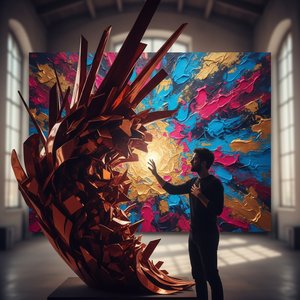
The Resonance of Boldness: Exploring Emotional Impact & Artistic Expression
Explore the powerful world of Expressionism with ArtsDot. Discover key artists like Kirchner & Rothko, understand its emotional impact, and learn how to collect this influential art movement. Expert insights for discerning collectors.

Max Beckmann: Navigating Trauma & Modernity Through a Distorted Lens
Explore the powerful world of Max Beckmann's art – a journey through trauma, modernity & distortion. Discover his key works, influences, and lasting legacy with expert analysis.

The Visceral Turn: Exploring Emotional Intensity in Expressionism
Explore the powerful world of Expressionism with ArtsDot. Discover key artists like Kirchner & Nolde, understand its emotional impact, and learn about this revolutionary art movement's lasting legacy.