

 Previzualizare
 Trimite prin felicitare
 Distribuie
 Detalii despre lucrare
 Ghid
Ghid

 Descarcă imaginea
 Produse similare
 Radiografie
 Galerie foto
 Întrebări și răspunsuri
 Statistici
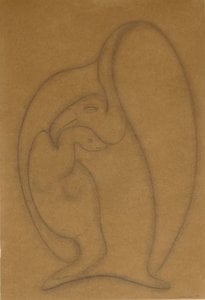
The acrobats


 Vezi mai mult
Obțineți un fișier gata de imprimare care depășește cu mult calitatea previzualizării web. Fiecare imagine digitală pe care o vindem provine dintr-un master de înaltă rezoluție din baza noastră de date — având, de regulă, o lățime între 5.000 și 15.000 de pixeli — astfel încât să puteți printa în format mare, să decupați strâns sau să reproduceți detalii fine cu încredere.
Niciun fișier nu părăsește studioul nostru fără să fie tratat. Un expert digital verifică nuanțele de culoare în raport cu pictura originală și le corectează acolo unde este necesar, apoi îmbunătățește claritatea și detaliile folosind instrumente profesionale de retușare — rămânând întotdeauna fidel gestului pictural și stilului artistului. Rezultatul este o imagine care seamănă cu tabloul propriu-zis, nu cu o scanare filtrată.
Aprobați înainte de finalizare: expertul nostru vă va trimite imaginea prin e-mail în termen de 72 de ore pentru revizuire. Nu sunteți mulțumit? Solicitați îmbunătățiri sau corecturi, ori cereți o restituire a plății dacă calitatea nu este pe măsura așteptărilor.
Aceasta este calitatea pe care se bazează editorii, studiourile de design, galeriile și tipăriturile.
Imagine Digitală
Descărcați un fișier la rezoluție înaltă pentru afișare personală, imprimare și proiecte creative. ( Comută pe versiunea Print Comandă pictură realizată manual)
Inclus în fiecare comandă de imagini digitale
Livrare digitală de expertiză, garantată
Când alegeți ArtsDot.com, nu primiți doar o simplă imagine – primiți o operă de artă digitală îmbunătățită profesional, creată cu precizie și susținută de o garanție de satisfacție. Iată tot ceea ce primești odată cu comanda ta, în mod automat:

Livrare rapidă prin e-mail
Fișierul imaginii digitale la rezoluție înaltă vă va fi trimis prin e-mail în termen de 72 de ore de la finalizarea comenzii – gata pentru utilizare imediată.

Fișier digital optimizat prin IA
Opera ta de artă este optimizată profesional prin intermediul unor instrumente AI avansate și al editării manuale, asigurând un nivel maxim de detalii, claritate și acuratețe a culorilor.

Retransmitere gratuită pe viață
Ai șters sau ai pierdut din greșeală fișierul? Nu îți face griji – ți-l vom retrimite oricând, gratuit.

Fără taxe de import – Întotdeauna
Bucură-te instant de noua ta operă de artă, fără taxe vamale, taxe de import sau costuri de livrare – descărcările digitale sunt întotdeauna fără taxe.

Garanția acurateții culorilor
Asigurăm o reflectare cât mai fidelă a culorilor originale în imaginea ta digitală, prin utilizarea unor instrumente profesionale și a proceselor de gestionare a culorii.

Garanție de satisfacție de 100 de zile
Dacă nu sunteți mulțumit de imaginea digitală achiziționată, o vom revizui sau vă vom returna 100% în termen de 100 de zile – fără nicio întrebare.

Garanție de returnare 100% a banilor
Nu ești mulțumit? Primești rambursarea integrală în termen de 100 de zile de la primirea fișierului digital – fără nicio întrebare.

Reduceri pentru comenzi în volum
Cumpără 3 imagini, economisește 10% - Cumpără 5, economisește 15% - Cumpără 10+, economisește 20%. Ideal pentru proiecte creative, galerii și agenții.
A Chaotic Symphony of Human Drama
In the profound and often unsettling world of Max Beckmann, The Acrobats emerges as a breathtaking spectacle of movement and existential tension. Painted in 1939, a year shadowed by the gathering storms of global conflict, this masterpiece serves as a vibrant yet distorted stage where humanity performs its most precarious balancing acts. The canvas is a dense, almost claustrophobic collage of figures, each caught in a moment of intense physical or emotional exertion. At first glance, the eye is drawn to the sheer variety of poses—some figures sit in quiet contemplation, while others are suspended in mid-motion, mimicking the daring feats of circus performers. This sense of a theatrical troupe, caught between a rehearsal and a performance, creates an atmosphere that is simultaneously energetic and deeply unsettling.
The composition defies traditional spatial logic, opting instead for a layered, almost dreamlike arrangement that pushes the boundaries of German Expressionism. Beckmann utilizes a technique reminiscent of medieval stained glass, where bold outlines and compressed spaces force the viewer to confront the weight of every figure. The background is cluttered with the mundane artifacts of domestic life—chairs, dining tables, and various household objects—yet these familiar items feel strangely displaced within this acrobatic chaos. This juxtaposition between the ordinary setting and the extraordinary physical feats suggests a deeper metaphor: that life itself is a continuous, often dangerous, performance played out against the backdrop of an unstable world.
Symbolism and the Expressionist Vision
To gaze upon The Acrobats is to witness Beckmann’s unique ability to translate personal and historical trauma into universal symbolism. Having been profoundly changed by his experiences as a medical orderly during World War I, Beckmann developed a visual language characterized by distorted forms and heavy, symbolic weight. In this work, the acrobats are not merely entertainers; they represent the fragility of the human condition. The act of balancing, of holding onto objects like books or bowls amidst a sea of shifting bodies, mirrors the struggle to maintain dignity and order in an era of encroaching madness. Every limb stretched toward an unseen goal and every tilted gaze carries the burden of social anxiety and existential dread.
The color palette plays a crucial role in driving this emotional impact. Beckmann employs vivid, often jarring colors that clash with one another, heightening the sense of psychological unrest. These hues do not merely decorate the scene; they pulse with the rhythm of the performance, guiding the viewer through the labyrinthine layers of the painting. For the discerning collector or interior designer, this piece offers more than just visual interest; it provides a profound intellectual and emotional anchor. A high-quality reproduction of such a work brings into a space a sense of historical gravity and a conversation about the resilience of the human spirit amidst chaos.
A Timeless Masterpiece for Modern Spaces
For those seeking to curate an environment filled with depth and narrative power, The Acrobats stands as an incomparable choice. Its complex layers of meaning and striking visual rhythm make it a centerpiece capable of transforming a room from a mere living space into a gallery of contemplation. Whether placed in a contemporary setting where its bold lines can contrast with minimalist decor, or in a more classical interior to provide a dramatic focal point, the painting commands attention through its sheer expressive force.
Owning a reproduction of this Beckmann masterpiece allows for an intimate connection with one of the 20th century's most significant artistic legacies. It is an invitation to explore the tension between movement and stillness, between the public spectacle and the private struggle. In every brushstroke of a faithful reproduction, the spirit of the German Expressionist movement lives on, offering timeless inspiration to anyone who finds beauty in the complex, the distorted, and the profoundly human.
Întrebări și răspunsuri
Ce tip de operă de artă este "The acrobats" de Max Beckmann?
"The acrobats" este o piesă de tip WallArt.
Pot vedea o imagine cu raze X a lucrării "The acrobats" de Max Beckmann?
„The acrobats” poate fi explorat strat cu strat pe pagina Raze X a operei de artă, printr-un vizualizator inspirat de masa de lumină a unui conservator, care oferă unsprezece lecturi optice ale imaginii.
Ce stare și ce emoție transmite "The acrobats" de Max Beckmann?
"The acrobats" de Max Beckmann transmite un sentiment Dramatic, într-o atmosferă generală Dramatic.
Opere similare




Biografie artist
early life and artistic development
Max Beckmann, a renowned german painter, draftsman, printmaker, sculptor, and writer, was born on february 12, 1884, in leipzig, saxony. his artistic journey began with academically correct depictions, which later transformed into distorted figures and spaces, reflecting his altered vision of humanity after serving as a medical orderly in world war i. Beckmann's style, rooted in the imagery of medieval stained glass, was influenced by various artists, including cézanne, van gogh, blake, rembrandt, and rubens. he also drew inspiration from northern european artists of the late middle ages and early renaissance, such as bosch, bruegel, and matthias grünewald. Beckmann's formative years were marked by a dedication to mastering traditional techniques and absorbing the stylistic precepts of established masters—a pursuit that would ultimately propel him toward a radically innovative artistic path. His initial works showcased meticulous attention to detail and adherence to classical conventions, mirroring the prevailing aesthetic sensibilities of his time. However, this careful craftsmanship soon yielded to a profound shift in perspective as he confronted the horrors of trench warfare, an experience that irrevocably altered his worldview and fueled his desire to express the psychological complexities inherent in human existence.artistic style and influences
Beckmann's distinctive artistic style emerged from a confluence of diverse inspirations—primarily stemming from the expressive fervor of Expressionism but also incorporating elements of Surrealism and Byzantine iconography. He meticulously studied the works of artists such as cézanne, van gogh, blake, rembrandt, and rubens—artists who championed emotional intensity and subjective experience as paramount to artistic endeavor. Furthermore, Beckmann's gaze turned toward the unsettling visions of northern european artists of the late middle ages and early renaissance, notably bosch, bruegel, and matthias grünewald—artists whose art explored themes of morality, death, and the grotesque with unflinching honesty. These influences coalesced into a singular artistic idiom characterized by angular figures, flattened perspectives, and jarring color palettes—a stylistic hallmark that would define Beckmann's oeuvre for decades to come.notable works and exhibitions
Beckmann’s artistic legacy rests upon a monumental body of work encompassing paintings, prints, sculptures, and literary endeavors. Among his most celebrated creations are *The Bark*, acquired by the national gallery in berlin—a haunting depiction of human vulnerability against the backdrop of an indifferent cosmos—and *Self-Portrait in Tuxedo*, purchased in 1928—a psychologically astute portrayal of introspection and artistic ambition. Beckmann’s retrospective exhibitions at the städtische kunsthalle mannheim (1928) and in basle and zurich (1930) solidified his position as a pivotal figure within the Expressionist movement, garnering critical acclaim and establishing him as one of the foremost artists of his generation. These exhibitions showcased the breadth and depth of Beckmann’s artistic vision—spanning from monumental canvases imbued with symbolic resonance to intimate portraits reflecting profound psychological insight.later life and exile
Beckmann's personal trajectory mirrored the turbulent political landscape of germany during the interwar period, culminating in a dramatic episode marked by persecution and displacement. Following the ascension of adolf hitler to power, Beckmann experienced firsthand the chilling consequences of artistic intolerance—his dismissal from the art school in frankfurt and the confiscation of over 500 of his artworks representing an irreparable loss for him and for german culture. Forced into exile in amsterdam for ten years, Beckmann endured considerable hardship while grappling with the existential anxieties engendered by the looming shadow of nazism. Despite facing insurmountable obstacles—including visa denials and governmental restrictions—Beckmann persevered in his artistic pursuits, producing a prolific output during his time abroad, notably including the monumental triptychs *Acrobats*, *Christ and the Woman Taken in Adultery*, and *New Objectivity*.legacy
Beckmann’s enduring influence extends beyond the realm of visual art—he served as an inspiring mentor to numerous aspiring artists, fostering a generation of creatives committed to confronting social injustices and exploring the complexities of human consciousness. His retrospective at the city art museum, saint louis (1948)—the first major exhibition of his work in the united states—marked a watershed moment in american art history, introducing Beckmann’s groundbreaking aesthetic principles to a wider audience. Max Beckmann's unwavering dedication to artistic integrity and his unflinching engagement with profound philosophical questions cemented his place as one of germany’s most significant artists—a figure whose oeuvre continues to resonate with audiences worldwide.
Max Beckmann
1884 - 1950 , Germania
Detalii rapide
- Artistic Movement Or Style: Expressionism
- Artists Or Movements Influenced By This Artist: ['Rembrandt']
- Artists Who Influenced This Artist:
- Georges Seurat
- Vincent van Gogh
- Date Of Birth: Feb 12, 1884
- Date Of Death: Dec 27, 1950
- Full Name: Max Carl Friedrich Beckmann
- Nationality: German
- Notable Artworks:
- The Bark
- Self-Portrait in Tuxedo
- Place Of Birth: Leipzig, Germany