

 Previzualizare
 Trimite prin felicitare
 Distribuie
 Detalii despre lucrare
 Ghid
Ghid

 Descarcă imaginea
 Produse similare
 Radiografie
 Galerie foto
 Întrebări și răspunsuri
 Statistici
Mechanical Table

- 81.0 x 70.0 cm


 Vezi mai mult
Giclée / Imprimare artistică
Printuri giclée sau pe canvas de calitate muzeală, cu proces de producție rapid și opțiuni flexibile de finisare. ( Comandă pictură realizată manual Comută pe Imagine Digitală)




P118B lei10

P118H lei10

P118W lei10

P438Z lei10

P508JH lei12

P508YH lei12

P805H lei10

P805Z lei10

P919BZ lei10

P919G lei10

P919XJ lei10

P959ZH lei10

P968JZ lei12

W106C lei8

W218G lei10

W218JH lei8

W218Y lei10

W307PJ lei10

W316G lei10

W316PJ lei8

W316Y lei10

W398PJ lei8

W4111J lei10

W500HY lei15

W500JH lei15

W692G lei12

W849H lei8

W940BG lei15

W953PJ lei8




Alegeți dintre dimensiunile noastre prestabilite, care respectă proporțiile originale ale operei de artă.

Introduceți lățimea și înălțimea necesare pentru a se potrivi ramei sau peretelui dumneavoastră. O printare poate fi doar tăiată, niciodată extinsă dincolo de dimensiunea imaginii originale, astfel încât o dimensiune cu o formă diferită va pierde o parte din imagine. Vă trimitem o simulare digitală pentru aprobare înainte de a imprima orice. Imaginea afișată pe această pagină nu prezintă tăierea reală — doar simularea arată acest lucru.
Livrare în întreaga lume () în 2 săptămâni, în loc de cele 4/5 săptămâni standard. (4 Noiembrie)

Livrare expres gratuită la nivel mondial

Pânză de in de înaltă calitate

Asigurare completă pentru transport

Garanție de rambursare a taxelor vamale

Garanția fidelității culorilor

Politica de retur în 100 de zile (doar pentru defecte de fabricație)

Garanție de rambursare 100%

Ofertă pentru comenzi multiple
 Opțiunea cu sticlă este disponibilă doar pentru dimensiuni de sub 110 cm

Mechanical Table
Giclée / Imprimare artistică
Dimensiune reproducere
-


Preț total calculat
lei 300
The Ingenuity of Elegance: A Masterpiece of Eighteenth-Century Craft
In the grand tapestry of eighteenth-century decorative arts, few objects capture the dual essence of luxury and intellect quite like Martin Carlin’s Mechanical Table. Created around 1770, this exquisite piece is far more than a mere functional object; it is a testament to the era's profound fascination with mechanical ingenuity and the refined rituals of aristocratic life. As an ébéniste of unparalleled skill, Carlin transformed wood and gold into a living instrument of convenience, designed specifically for the intimate morning ceremonies of the French nobility. The table serves as a window into a world where every movement was choreographed by grace, and every object was expected to perform with both beauty and precision.
The artistry of this piece lies in its remarkable versatility and structural complexity. At first glance, one is struck by the opulent marriage of dark wood and shimmering gold trim, a hallmark of the sophisticated aesthetic that defined the period. The table features a glass top that reflects the soft light of a dressing room, adding a layer of luminous depth to its design. However, the true magic resides in its transformative nature. The upper section, complete with a mirror and specialized compartments for quills, inkpots, and stationery, can be detached and relocated—perhaps to rest upon a bed for a more private moment of reflection. This modularity reflects a brilliant understanding of the changing needs of a lady during her daily toilette, transitioning seamlessly from a stationary vanity to a portable writing desk.
A Symphony of Form and FunctionTo observe the Mechanical Table is to witness a masterclass in rococo-influenced craftsmanship. The intricate carvings adorning the legs and sides are not merely decorative flourishes; they provide a tactile rhythm that guides the eye across the piece's architectural silhouette. Every compartment, from the shallow drawer for delicate papers to the specialized niches for cosmetic accessories, was engineered with the user's ritual in mind. This level of detail speaks to a time when furniture was an extension of one's persona—a silent companion in the daily performance of social status and personal grooming.
For the discerning collector or interior designer, this reproduction offers more than just visual splendor; it offers a sense of historical continuity. The piece embodies the spirit of the Enlightenment, where the boundaries between art, science, and utility were beautifully blurred. Incorporating such a piece into a contemporary space provides a sophisticated focal point that invites conversation and evokes a sense of timelessness. It is an invitation to slow down and appreciate the meticulous care that went into the creation of objects meant to endure through the centuries, much like the enduring legacy of Martin Carlin himself.
Întrebări și răspunsuri
Ce vârstă avea Martin Carlin când a creat "Mechanical Table" în 1770?
Martin Carlin a creat "Mechanical Table" la vârsta de 40. Artistul s-a născut în 1730, iar lucrarea datează din 1770.
Unde pot găsi un ghid pentru "Mechanical Table"?
Ghidul pentru "Mechanical Table" reprezintă pagina de Fișă informativă a operei de artă – o fișă informativă imprimabilă care prezintă lucrarea împreună cu legenda sa, mențiunea de credit și tabelul de identificare (artist, date, tehnică, dimensiunea originală, colecție).
Ce stare și ce emoție se regăsesc în "Mechanical Table"?
Starea de spirit surprinsă în "Mechanical Table" de Martin Carlin este Luxurious, iar tonul său emoțional este Reflective.
Opere similare


Biografie artist
Martin Carlin: Master of Porcelain and Mechanical Detail
Born in Freiburg im Breisgau, Germany, around 1730, Martin Carlin’s life was a fascinating confluence of craftsmanship, luxury, and the burgeoning aesthetic sensibilities of 18th-century Europe. While his origins lie in the Black Forest region, it was Paris that would become his stage and where he ultimately cemented his reputation as one of the most innovative “ébénistes” – cabinetmakers – of his era. Carlin’s story is not simply one of a skilled artisan; it's a reflection of the opulent tastes of the French aristocracy and the intricate mechanisms that defined the era’s fascination with both beauty and ingenuity.
Early Years and Apprenticeship
Carlin’s early career began as a day-worker for Jean-François Oeben, a renowned cabinetmaker whose workshop was a hotbed of experimentation and innovation. This apprenticeship proved invaluable, exposing him to the latest techniques in veneering, carving, and particularly, the integration of precious materials like Sèvres porcelain. His marriage to Oeben’s sister further solidified his connection to this influential circle. However, Carlin's ambition quickly outstripped mere assistance; he sought independence and a chance to establish his own distinct style. The contract details reveal that he was initially “still a day-worker,” highlighting the precariousness of early careers in such competitive fields.
The Rise to Prominence: Porcelain and the Marchands-Mercier
Carlin’s breakthrough came through his association with the “marchands-merciers”— Parisian merchants who acted as intermediaries between artisans and wealthy clients. These dealers, including Simon-Philippe Poirier and Dominique Daguerre, were crucial to Carlin's success. They provided access to the Sèvres porcelain workshops, a vital component of his distinctive style. Without these connections, it would have been exceedingly difficult for Carlin to acquire the elaborate porcelain plaques that adorned his furniture – pieces that elevated his work beyond mere cabinetry and into the realm of true luxury. This relationship also exposed him to the tastes of Marie Antoinette and other members of the French elite, solidifying his position within the highest echelons of Parisian society.
A Unique Artistic Style: Combining Realism and Fantasy
Carlin’s genius lay not just in his technical skill but also in his ability to fuse realism with a touch of fantastical invention. His furniture was characterized by incredibly detailed carvings, often depicting scenes from mythology, history, or even everyday life – all rendered with meticulous precision. The integration of Sèvres porcelain, frequently featuring elaborate floral motifs and intricate landscapes, added another layer of visual richness. He wasn’t simply replicating existing designs; he was creating entirely new worlds within the confines of a table, writing desk, or commode. This blend of classical influences and imaginative embellishment reflected the transitional style between Rococo and Neoclassicism, capturing the spirit of an era embracing both grandeur and refinement.
Notable Works and Legacy
Martin Carlin’s most celebrated works include the “Combined Work, Writing And Reading Table,” a stunning example of his technical mastery and artistic vision. His “Bonheur du jour” tables – literally translated as "Happiness of the Day" – are particularly noteworthy for their intricate mechanical features, including rotating elements and hidden compartments. These pieces demonstrate Carlin’s fascination with mechanics and his ability to seamlessly integrate them into decorative objects. Beyond these iconic examples, he produced a range of exquisite cabinets, chests, and jewelry boxes, each showcasing his exceptional skill and attention to detail. While relatively few of his original works survive today, they remain highly prized by collectors worldwide, serving as testaments to the artistry and innovation of this remarkable ébéniste. Carlin’s influence can be seen in subsequent generations of furniture makers, who continued to explore the possibilities of combining craftsmanship with decorative embellishment.
His work reflects a deep understanding of both artistic trends and mechanical principles, making him a truly unique figure in 18th-century European art history.

Martin Carlin
1730 - 1785 , Germany
Detalii rapide
- Full Name: Martin Carlin
- Nationality: German
- Date Of Birth: 1730
- Date Of Death: 1785
- Place Of Birth: Freiburg im Breisgau, Germany
- Notable Artworks:
- Combined Work, Writing Table
- Bonheur du jour (Table à gradin)
- Artistic Movement Or Style: Ébéniste, Neoclassical
- Artists Who Influenced This Artist: ['Jean-François Oeben']
- Artists Or Movements Influenced By This Artist: ['Sèvres porcelain']
Articole similare
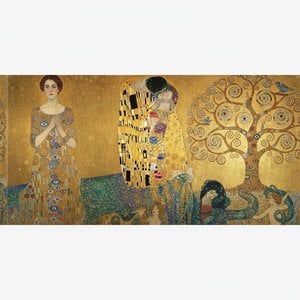
Gustav Klimt: Cele Mai Frumoase 25 de Capodopere – Artă Decorativă pentru Casa Ta
Descoperă cele mai frumoase 25 de picturi Gustav Klimt! Explorează simbolismul, arta secesionului vienez și culorile vibrante din capodopere precum 'The Kiss'. Reproduceri artă de lux pentru decor interior pe ArtsDot.com.

Golden Glow: How to Use Metallic Gold Artworks to Elevate Your Home Decor with Timeless Luxury
Discover how to elevate your home with the timeless elegance of metallic gold artworks. From sculptural metal pieces to gilded oil paintings, learn expert interior design tips for integrating luxurious gold accents into your space with sophistication and grace.

Grant Wood & American Regionalism: Identity, Myth & the Rural Landscape
Explore the world of Grant Wood & American Regionalism with ArtsDot. Discover the symbolism behind 'American Gothic', recurring themes, and the movement's lasting impact on art history. High-quality reproductions available.

Top 10 Capodopere Aurii: Picturi Celebre și Decorațiuni Luxoase cu Foiță de Aur | ArtsDot.ro
Descoperă top 10 picturi celebre dominate de tonuri aurii și foiță de aur! Explorează capodopere renascentiste, bizantine și baroce de la Klimt și alți maeștri. Găsește inspirație pentru decor interior luxos și reproduceri de artă de calitate muzeală pe ArtsDot.com.

The Allure of Gold in Art History: Symbolism, Technique & Cultural Significance
Explore the rich history of gold in art! Discover symbolism, techniques & cultural significance from ancient civilizations to Klimt's masterpieces. Expert insights for collectors at ArtsDot.