

 Trimite
 Distribuie
 Detalii despre lucrare

 Descarcă
 Produse similare
 Diapozitive automate
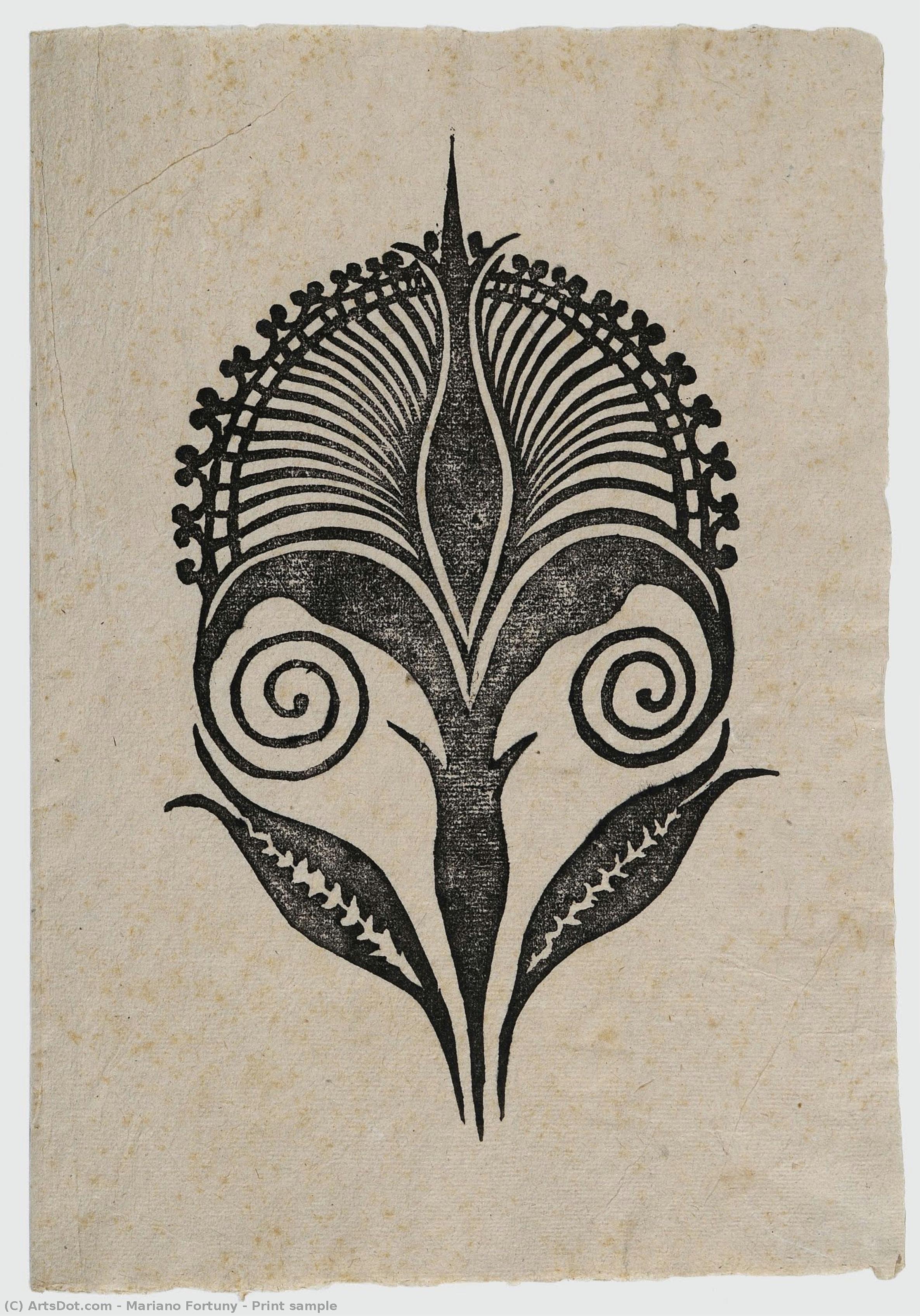
Print sample
 Giclée Print
- Digital
- Art Nouveau
 1905
1905- 19th Century
 39.0 x 27.0 cm
 Palazzo Fortuny
 Vezi mai mult
Giclée / Imprimare artistică
Printuri giclée sau pe canvas de calitate muzeală, cu proces de producție rapid și opțiuni flexibile de finisare. ( Comandă pictură lucrată manual Cumpără imaginea)




































Alegeți dintre dimensiunile noastre prestabilite, care respectă proporțiile originale ale operei de artă.

Puteți introduce propriile dimensiuni pentru a se potrivi unui anumit cadru sau spațiu. Dacă dimensiunea selectată nu corespunde proporțiilor imaginii originale, vom decupa lucrarea de artă sau vom extinde imaginea cu margini oglindite sau cu o culoare uniformă. Un mockup digital va fi trimis pentru aprobarea dumneavoastră înainte de începerea producției.
Vă rugăm să rețineți că previzualizarea de pe ecran nu reflectă decuparea sau extinderea reală. Doar mockup-ul va arăta cu exactitate compoziția finală.
Deși dimensiunile personalizate sunt disponibile, vă recomandăm să selectați o dimensiune din lista predefinită pentru a păstra proporțiile originale.
Livrare în întreaga lume () în 2 săptămâni, în loc de cele 4/5 săptămâni standard. (16 August)

Livrare expres gratuită la nivel mondial

Pânză de in de înaltă calitate

Asigurare completă pentru transport

Garanție de rambursare a taxelor vamale

Garanția fidelității culorilor

Politica de retur în 60 de zile (doar pentru defecte)

Garanție de rambursare 100%

Ofertă pentru comenzi multiple
 Opțiunea cu sticlă este disponibilă doar pentru dimensiuni de sub 110 cm

Print sample
Giclée / Imprimare artistică
Dimensiune reproducere
-


Preț total calculat
$ 62
Descriere obiect de colecție
Mariano Fortuny’s “Print Sample”: A Whisper of Venetian Ornamentation
The photograph captures a meticulously crafted print by Mariano Fortuny y Marsal, a Spanish artist who irrevocably altered the landscape of theatrical design and textile artistry. Executed around 1905 in tempera on paper – measuring 396 × 275 mm – “Print Sample” embodies Fortuny’s signature blend of Orientalist influences and geometric precision, offering a glimpse into his artistic vision during a pivotal moment in European art history. Its muted palette and subtle tonal variations speak volumes about the artist's mastery of technique and his dedication to capturing an ethereal beauty.Composition & Technique: Spirals Within Spirals
The print’s central motif is dominated by swirling, spiral patterns emanating from a prominent apex at the top. These spirals gracefully descend towards pointed extensions at the bottom, creating a dynamic visual rhythm that draws the eye inwards. Fine lines weave throughout the design, establishing an intricate framework and contributing to a palpable sense of delicacy. The artist skillfully employs repetition—the spiraling forms reappear across multiple layers—to amplify their impact and generate an illusion of depth. This technique aligns perfectly with Fortuny’s pioneering work in cyclorama projection, where he sought to simulate natural light and create immersive theatrical experiences.Historical Context & Artistic Style: Art Nouveau's Delicate Embrace
Fortuny’s artistic output flourished during the Belle Époque, a period characterized by opulent ornamentation and fascination with exotic cultures—particularly Persia and Morocco. “Print Sample” reflects this aesthetic sensibility through its organic lines reminiscent of Art Nouveau, prioritizing flowing curves and vegetal motifs. The stylized mask-like form at the core of the design carries symbolic weight, hinting at themes of identity, concealment, and ritualistic contemplation – concepts prevalent in Eastern artistic traditions. Fortuny’s meticulous attention to detail—evident in the paper's grain texture and subtle tonal variations—underscores his commitment to capturing a refined aesthetic ideal.Symbolism & Emotional Resonance: An Echo of Transformation
Beyond its formal qualities, “Print Sample” evokes an emotional response rooted in notions of metamorphosis and ethereal beauty. The spiraling patterns symbolize movement, dynamism, and the cyclical nature of existence – mirroring Fortuny’s fascination with natural phenomena and his belief in the transformative power of art. Viewing this print is akin to embarking on a visual journey—a contemplation of form, texture, and subtle color harmonies that linger long after the gaze has moved on. It stands as testament to Fortuny's ability to distill complex ideas into deceptively simple yet profoundly evocative imagery.Materials & Reproduction Considerations
The print itself utilizes tempera paint on paper – a medium favored by Fortuny for its luminosity and ability to achieve nuanced tonal gradations. Reproductions should prioritize archival quality paper stock and pigment inks to faithfully preserve the original artwork's delicate surface texture and subtle color palette. Selecting a reputable printing house ensures that collectors experience the same captivating visual impact as Fortuny himself intended, transporting them into the heart of Venetian artistic innovation.Opere similare


Biografie artist
Early Life and Inspiration
Mariano Fortuny y Marsal, a name synonymous with innovation and theatrical spectacle, was born in Reus, Catalonia, Spain, on May 11, 1871. His early life was marked by profound loss – his father, also a painter named Mariano Fortuny y Marsal, tragically died when the young boy was just three years old. This event profoundly shaped his trajectory, leading his family to relocate to Paris, France, where his mother fostered his burgeoning artistic talents and introduced him to the world of textiles and fabrics, elements that would later become integral to his groundbreaking work. From a remarkably young age, Fortuny demonstrated an extraordinary aptitude for various art forms: painting, photography, sculpting, architecture, etching, and even theatrical stage lighting – skills he honed with dedication and a keen eye for detail. The Parisian environment exposed him to the vibrant artistic currents of the time, further fueling his creative spirit.Artistic Talents and Revolutionary Inventions
Fortuny’s artistic journey was characterized by relentless experimentation and a desire to push the boundaries of traditional art forms. He quickly established himself as a multi-faceted artist, seamlessly blending diverse disciplines into his creations. Beyond painting, he became a pioneer in theatrical design, driven by a fascination with light and illusion. His most significant invention, the “fortuny cyclorama dome,” revolutionized stage lighting. This ingenious structure, typically constructed from plaster or cloth, utilized indirect lighting to create seamless transitions between scenes, effectively eliminating visible seams and immersing audiences in a truly immersive experience. Fortuny’s treatise, "Eclairage Scenique" (1904), meticulously documented his revolutionary approach to reflecting light off various surfaces, demonstrating how manipulating color, intensity, and properties could dramatically alter the visual impact of a performance. He patented over twenty inventions between 1901 and 1934, solidifying his reputation as an innovator and technological visionary.Notable Collaborations and Artistic Influences
Fortuny’s work gained considerable recognition in the 1920s, largely thanks to his collaborations with prominent figures who shared his artistic sensibilities. He worked closely with Richard Wagner, the renowned German composer, whose operas deeply inspired him, leading to evocative paintings capturing scenes from the dramatic narratives. His installation of a dome at La Scala opera house in Milan stands as a testament to his ingenuity – he not only adapted the structure for the theater’s vast space but also invented a sophisticated suction fan system to maintain its tautness and prevent sagging. These collaborations extended beyond music; Fortuny's designs were coveted by royalty, including Queen Marie Christine of Bourbon at the Parisian residence of the Duke of Riánsares. His legacy was further cemented through his influence on French novelist Marcel Proust, whose writings captured the enigmatic allure of Fortuny’s world and artistic vision.Legacy and Enduring Influence
Mariano Fortuny passed away in Venice, Italy, on May 3, 1949, leaving behind a remarkable body of work that continues to captivate audiences today. His innovative approach to theatrical lighting, his pioneering use of textiles, and his distinctive artistic style have had a lasting impact on the world of art and design. The “Delphos gown,” perhaps his most iconic creation, became a symbol of modern elegance and freedom of movement, worn by celebrated figures such as Eleonora Duse, Isadora Duncan, and Ellen Terry. Fortuny’s work continues to inspire artists and designers across various disciplines, demonstrating the enduring power of creativity, innovation, and a profound appreciation for beauty. His story is a testament to a life dedicated to pushing artistic boundaries and transforming the way we experience art and performance.
Mariano Fortuny
1871 - 1949 , Spania
Detalii rapide
- Artistic Movement Or Style: Orientalism art
- Artists Or Movements Influenced By This Artist: ['Marcel Proust']
- Artists Who Influenced This Artist: ['Richard Wagner']
- Date Of Birth: 11 iunie 1871
- Date Of Death: 3 mai 1949
- Full Name: Mariano Fortuny y Marsal
- Nationality: Spaniol
- Notable Artworks:
- Teagown
- Portrait Henriette
- Place Of Birth: Granada, Spania
Articole similare

Giclée Prints: Archival Quality & Aesthetic Nuances for the Discerning Collector
Explore the world of giclée prints with ArtsDot. Learn about archival quality, aesthetic nuances & investment potential. Expert guidance for discerning art collectors seeking museum-quality reproductions and lasting value.

Echoes of Time: Exploring the Enduring Appeal & Historical Context of Vintage Art Prints
Explore the captivating world of vintage art prints! Discover their history, collecting tips & enduring appeal. Expert insights on chromolithography and building a legacy collection with ArtsDot.

The Enduring Legacy of Fine Art Prints: Technique, History & Aesthetic Impact
Explore the rich history & techniques of fine art prints. Discover investment potential, assess authenticity, and learn how to preserve your collection with expert guidance. Trusted insights for discerning collectors.

Mariano Fortuny: A Fusion of Art, Fashion & Design – Exploring a Venetian Innovator's Legacy
Explore the captivating world of Mariano Fortuny – artist, designer & innovator. Discover his revolutionary textiles, iconic Delphos gown, and lasting influence on art, fashion & interiors. A collector's guide to a Venetian master.

Top 10 Capodopere Art Nouveau: Frumusețe, Inspirație și Decor Excepțional
Descoperă Top 10 capodopere Art Nouveau! Alphonse Mucha, Gustav Klimt și alți maeștri îți dezvăluie frumusețea stilului floral și a liniilor sinuoase. Reproduceri de artă excepționale pentru un decor rafinat pe ArtsDot.com


