

- 63.0 x 48.0 cm


Imaginea respectă alegerile tale: , .
Descriere obiect de colecție
Lot's Daughters (Genesis XIX, 31-35) depicts two women, one seated atop the other who lies prone, with a bottle held over her head—a poignant symbol of despair and vulnerability amidst a landscape rich in folklore and dreamlike imagery. Chagall’s masterful use of color captures the essence of Vitebsk's cultural heritage.
 Vezi mai mult
Biografie artist
Marc Chagall a fost un maestru al simbolismului oniric, cunoscut pentru I și Satul. Descoperă astăzi universul său vibrant și poetic de culori.
Reproducere pictată manual în ulei
Pictură în ulei pe pânză, pictată manual de artiștii noștri la dimensiunea și ramele dorite de dumneavoastră, pe comandă. ( Comută pe versiunea Print Comută pe Imagine Digitală)
Această lucrare este protejată de drepturile de autor
Lucrarea de artă afișată pe această pagină este protejată de legile privind drepturile de autor, ceea ce înseamnă că nu putem crea sau vinde în mod legal o reproducere identică. Această protecție este garantată prin acorduri internaționale, precum Convenția de la Berna și de legile naționale, inclusiv cele prevăzute de Legea dreptului de autor din S.U.A. – Titlul 17. Toate drepturile rezervate. Orice reproducere neautorizată este interzisă.
Ca alternativă respectuoasă și legală, oferim tablouri pictate manual, personalizate, inspirate de original. Artistii noștri experimentați și profesioniști studiază cu atenție stilul, starea de spirit și esența artistică a originalului pentru a crea o piesă nouă și unică, care evocă aceeași emoție – rămânând, în același timp, o creație originală în sine.
Această metodă respectă pe deplin reglementările privind drepturile de autor, deoarece nu implică copierea sau duplicarea operei protejate. În schimb, este o reinterpretare creativă – o pictură nouă, influențată de original, dar care nu este identică cu acesta.
Mai multe detalii despre această pictură
 Previzualizare
 Trimite prin felicitare
 Distribuie
 Detalii despre lucrare
 Ghid
Ghid

 Descarcă imaginea
 Produse similare
 Radiografie
 Galerie foto
 Întrebări și răspunsuri
 Statistici
Comandați tabloul dumneavoastră în patru pași simpli
Nu vă grăbiți. Puteți modifica orice răspuns; prețul din coșul de comandă se actualizează în funcție de fiecare alegere.
1 Pasul unu din patru
Ce dimensiune doriți?
Aceste dimensiuni păstrează proporțiile tabloului original. Ilustrația prezintă alegerea dumneavoastră pe un perete, deasupra unei canapele de doi metri.
Sau introduceți propriile dimensiuni
Alegeți dintre dimensiunile noastre prestabilite, care respectă proporțiile originale ale operei de artă.

Introduceți lățimea și înălțimea necesare pentru a se potrivi ramei sau peretelui dumneavoastră. Această lucrare este pictată manual, așa că, pentru o dimensiune cu o formă diferită, artistul poate picta puțin mai mult în jurul imaginii sau poate tăia puțin din margini — dumneavoastră decideți. Vă vom trimite o simulare digitală pentru aprobare înainte de a începe pictarea. Imaginea afișată pe această pagină nu reprezintă rezultatul real — doar simularea este reprezentativă.
2 Pasul doi din patru
Cum ar trebui pregătită: rulată, întinsă pe pânză sau înramată?
Prețurile de mai jos sunt pentru dimensiunea aleasă la primul pas.
Alege marginile tabloului pe pânză întinsă
Alege cadrul tău

Alb lei1

Margini difuze lei1

Extins lei1

P118B lei10

P118H lei10

P118W lei10

P438Z lei10

P508JH lei12

P508YH lei12

P805H lei10

P805Z lei10

P919BZ lei10

P919G lei10

P919XJ lei10

P959ZH lei10

P968JZ lei12

W106C lei8

W218G lei10

W218JH lei8

W218Y lei10

W307PJ lei10

W316G lei10

W316PJ lei8

W316Y lei10

W398PJ lei8

W4111J lei10

W500HY lei15

W500JH lei15

W692G lei12

W849H lei8

W940BG lei15

W953PJ lei8

H24-GOLD lei30

H24-SILVER lei30

H36-GOLD lei45

H36-SILVER lei45
Înramat
Ramă: . Dimensiuni cu ramă: .
3 Pasul trei din patru
Doriți să modificați ceva în tabloul respectiv?
Majoritatea oamenilor răspund negativ. Deoarece fiecare pictură este realizată manual, artistul nostru poate adapta lucrarea și pentru dumneavoastră.
După plasarea comenzii, echipa ArtsDot.com va contacta clientul prin e-mail pentru instrucțiuni și va furniza o previzualizare (mockup)
4 Pasul patru din patru
Câteva opțiuni de finisare
Toate sunt opționale. Răspunsurile deja selectate nu implică costuri suplimentare.
Cine este autorul?
Livrare în întreaga lume () în 3-4 săptămâni, în loc de cele 5 săptămâni standard. (11 Noiembrie). Fără compromisuri în ceea ce privește calitatea.
O plăcuță de identificare, ca la muzeu?
Detalii plăcuță din bronz gravat
This elegant plaque features the artist's name and the title of the artwork, finely engraved for a timeless presentation.
It is made from bronze with a refined, elegant finish. The text is precisely laser-engraved for a sharp and permanent result. Measuring 9x2 cm, the plaque is compact yet easy to read. It's built to be durable and scratch-resistant, offering a professional, museum-quality look. Mounting is simple thanks to the included adhesive backing.
Detalii plăcuță din acril transparent
The plaque includes essential engraved details such as the artist's name, the title of the artwork, the date it was created, the type of media used-like oil on canvas or watercolor-a brief description of the piece, and a QR code that links to the complete artwork information.
It is crafted from clear acrylic, offering a sleek, modern appearance. The text is UV-engraved in black to ensure strong visual contrast. With a size of 10x15 cm, it ensures optimal readability. It comes equipped with two metal hooks for secure wall mounting. The plaque is designed to be weather-resistant, making it suitable for various environments, and it includes interactive features that work seamlessly with smartphone scanning.
Detalii placă din acril negru
This elegant plaque includes engraved information such as the artist's name, the title of the artwork, the date it was created, the type of media used (like oil on canvas or watercolor), a short description of the artwork, and a QR code for quick access to more information.
The plaque itself is made from refined black acrylic with a premium finish. The text is laser-engraved in white for high contrast and readability. Its size is 10x15 cm, designed to be easy to read. It comes with two metal hooks for professional mounting. The design is sleek and fits any interior style. It is also weather-resistant and durable, with built-in digital integration for mobile compatibility.
Un lac protector?
Când aveți nevoie de el?
✓ Verifică și comandă
Tabloul tău, exact așa cum l-ai comandat

Lot's Daughters
Tehnică de reproducere
Dimensiune reproducere
-

Selecție de artiști de elită
Mai multe detalii, rafinament și timp suplimentar de execuție
-

Ramă pentru reproducere artistică
-
-
Pentru opere de artă sau reproduceri care depășesc 105 cm (aproximativ 41 de inch) pe oricare dintre laturi, cadrul va fi livrat demontat, sub formă de kit. Această metodă asigură o livrare sigură și previne deteriorarea în timpul transportului.
Este necesară asamblarea profesională – acest produs nu este de tip DIY (de făcut singur).
Kitul trebuie asamblat, iar pânza întinsă, de către un legător de cadre experimentat, utilizând adeziv pentru lemn (neinclus în colet), o cheie pentru întinderea pânzei și cleme pentru a menține barele la unghi drept în timp ce adezivul se usucă. Asamblarea incorectă sau tensiunea neuniformă a pânzei pot deteriora permanent opera de artă și nu sunt acoperite de garanția noastră.
 Pentru opere de artă sau reproduceri care depășesc 105 cm (aproximativ 41 de inch) pe oricare dintre laturi, cadrul va fi livrat demontat, sub formă de kit. Această metodă asigură o livrare sigură și previne deteriorarea în timpul transportului.
Toate barele din lemn masiv sunt incluse, tăiate cu precizie la dimensiunea necesară.
Asamblat cu șuruburile incluse, plus adeziv pentru lemn pentru îmbinările de colț, care nu este furnizat și trebuie achiziționat de către tâmplarul dumneavoastră.
Sunt necesare unelte profesionale care nu sunt incluse: o șipte de întindere a pânzei (tensionator) și cleme pentru a menține barele la unghi drept în timp ce adezivul se usucă.
Important:
Îmbinările de colț necesită adeziv pentru lemn, barele trebuie fixate cu clești de strângere până când adezivul este complet uscat, iar întinderea pânzei pe cadrul asamblat necesită un clește pentru întins pânza. Niciunul dintre aceste elemente nu este inclus în kit. Vă rugăm să consultați un încadrator profesionist cu experiență înainte de a comanda această dimensiune.

Etichetă de prezentare
-
-

Lac de protecție
Lac lucios (intensifică nuanțele și oferă protecție împotriva luminii și a umidității)
-

Personalizează opera mea de artă
Exemple de elemente ce pot fi personalizate: Înlocuirea feței cu fotografia clientului; Adăugarea unui animal de companie (de exemplu, înlocuirea unei pisici cu un câine); Includerea unui mesaj ascuns în fundal; Modificarea peisajului sau a elementelor din fundal.
-

Livrare rapidă
Livrare la nivel mondial () în 3-4 săptămâni, în loc de cele 5 săptămâni standard. (11 Noiembrie). Fără compromisuri când vine vorba de calitate.
-
Livrare rapidă
Livrare la nivel mondial () în 5 săptămâni. (18 Noiembrie).
Inclus
Preț total calculat
lei 1255
Opțiunea cu sticlă este disponibilă doar pentru dimensiuni de sub 110 cm
Inclus în fiecare comandă
- Livrare expres gratuită la nivel mondial
- Pânză de in de înaltă calitate
- Asigurare completă pentru transport
- Garanție de rambursare a taxelor vamale
- Garanția fidelității culorilor
- Politica de retur în 100 de zile (doar pentru defecte de fabricație)
- Garanție de rambursare 100%
- Ofertă pentru comenzi multiple


A Tapestry of Loss and Resilience
In the evocative masterpiece “Lot's Daughters,” painted in 1931, Marc Chagall invites us into a dreamlike realm where biblical narrative meets the profound anxieties of the early twentieth century. This work is far more than a mere illustration of Genesis; it is a visceral exploration of displacement and the tenacious spirit of survival. As we gaze upon the canvas, we are met with a composition that feels both intimately personal and cosmically significant. Chagall utilizes his signature visual language—a blend of Naïve Art and surrealist dreamscapes—to capture a moment frozen in time, where the weight of ancestral sorrow meets the vibrant pulse of life.
The painting centers on two women, Lot’s daughters, whose presence dominates the frame. Their bodies are intertwined in an embrace that speaks eloquently of familial bonds forged in the crucible of unimaginable hardship. Chagall masterfully employs a flattened perspective, reminiscent of Byzantine iconography, which strips away the distractions of realism to focus our attention on the spiritual and emotional essence of the figures. As they appear to float against a backdrop of swirling blues and luminous yellows, the boundary between the physical world and the metaphysical realm begins to dissolve, leaving the viewer suspended in a state of poetic contemplation.
Technique and the Language of Color
To behold this artwork is to witness Chagall’s unparalleled command over color and texture. The artist employs a technique known as “masking,” applying layers of paint in opaque, bold blocks before revealing the underlying hues. This method imbues the canvas with a unique luminosity, making the colors appear to glow from within. His brushstrokes possess an almost childlike spontaneity, yet every movement is imbued with deep artistic intention. The vibrant palette—a dance of celestial blues and sun-drenched yellows—mirrors the turbulent emotional landscape of the scene, oscillating between the darkness of despair and the light of hope.
The dynamic composition is further enriched by secondary figures and symbolic elements that populate the periphery. A cup rests in the lower corner, and various figures drift through the background, contributing to a sense of movement and narrative complexity. This layering of imagery creates a rich, textured experience for the eye, making each viewing an opportunity for new discovery. For the collector or interior designer, this piece offers a profound visual depth that can serve as a captivating focal point in any sophisticated space, providing both a conversation starter and a window into a soulful, imaginative world.
Historical Echoes and Emotional Resonance
Beyond its aesthetic brilliance, “Lot's Daughters” is deeply rooted in the historical zeitgeist of the 1930s. Created during a period of escalating political instability and rising antisemitism within the European Jewish community, the painting reflects the collective anxieties of the Weimar Republic era. The themes of exile and the struggle for continuity are palpable in the way Chagall renders his subjects. He transforms a story of biblical tragedy into a universal symbol of resilience, reminding us that even amidst the most profound loss, the human spirit seeks to rebuild and endure.
For those seeking to bring a piece of art history into their homes, this reproduction offers an opportunity to possess a fragment of Chagall’s enduring legacy. It is a work that does not merely decorate a wall; it transforms an environment. The emotional impact of the painting—its ability to evoke empathy, reflection, and awe—makes it an invaluable acquisition for anyone who appreciates art that speaks to the very core of the human condition. Whether placed in a quiet study or a grand gallery, “Lot's Daughters” remains a timeless testament to the power of memory and the beauty of the dreaming soul.
Întrebări și răspunsuri
Unde pot fi achiziționate copii pictate manual ale operei "Lot's Daughters" de Marc Chagall?
Puteți comanda o reproducere pictată manual a operei "Lot's Daughters" de Marc Chagall direct pe pagina sa de Reproducere pictată în ulei: o reproducere pictată manual în ulei pe pânză de in, realizată la comandă.
Ce tehnică a fost utilizată pentru "Lot's Daughters" și în ce an a fost creată?
Tehnica utilizată pentru "Lot's Daughters" de Marc Chagall este Oil, iar lucrarea datează din 1931.
Cât de intense sunt culorile în "Lot's Daughters" de Marc Chagall?
Intensitatea culorilor din "Lot's Daughters" este Balanced. Această intensitate descrie cât de puternice par a fi culorile.
Opere similare


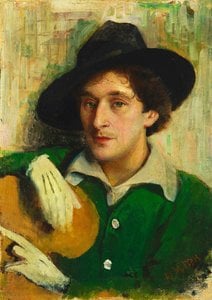
Marc Chagall
1887 - 1985, Belarus
Biografie artist
Tinerețea, Familia și Formarea
Marc Chagall debutează în lume pe data de 7 iulie 1887, în Vitebsk, Imperiul Rus, născut sub numele de Moishe Segal. Fiind primul dintre nouă copii ai unei modeste familii evreiești, viața sa este definită de ritmurile muncii și de comerțul de mică amploare. Tatăl său, Khatskel Segal, lucra ca murător de hering într-un depozit, în timp ce mama sa, Feïga-Ita Tchernina, gestiona un mic magazin de alimente. Acești ani de început sunt deeply înrădăcinați în texturile specifice ale unui orășel provincial, unde limitele lumii sale sunt conturate de nevoile unei gospodării numeroase și de tradițiile comunității sale.
Educația sa începe în cadrul hederului, o școală primară evreiască tradițională. Aici, accentul se pune pe instruirea religioasă și pe textele fundamentale ale educației sale. La vârsta de treizeci și trei de ani, orizontul învățării sale se mută spre domeniul secular. El intră în școala medie oficială din Vitebsk pentru a urma educația rusă, o mișcare care marchează o detașare de sfera strict religioasă a copilăriei sale. Această existență duală — între tradițiile sacre ale hederului și cerințele seculare ale școlii de stat — creează o tensiune care îi va defini dezvoltarea timpurie.
Impulsul artistic își găsește prima exprimare formală în Vitebsk. Marc Chagall primește instruirea inițială la o școală de artă locală condusă de Iouri Pen. Tocmai aici, instinctul brut pentru exprimarea vizuală începe să se transforme într-o practică disciplinată. El trece de la lecțiile structurate ale sălii de clasă către o interacțiune mai profundă cu actul de a vedea, pregătind scena pentru o viață dedicată traducerii amintirii în formă.
Anii de formare din Sankt Petersburg
Tranziția de la liniștea provincială a orașului Vitebsk la amploarea imperială a Sankt Petersburg este marcată de luptă. Între 1907 și 1909, capitala nu oferă deloc confort. Sărăcia este un companion constant; există momente de foame atât de severe, încât epuizarea fizică devine o realitate crudă. Pentru a supraviețui, el coboară în stradă, câștigând un subzistire precar prin desenarea panourilor publicitare pentru magazine. Aceste sarcini comerciale îi asigură rublele necesare pentru a-și menține prezența în oraș, în timp ce navighează prin complexitățile de a fi un student evreu într-un imperiu vast și aflat în continuă transformare.
Căutarea academică este una neîncetată. El se înscrie la mai multe academii, căutând o structură formală pentru limbajul său vizual în plină expansiune. Atmosfera capitalei este încărcată de influența avangardei, o tensiune care îl îndepărtează de instruirea clasică. Se trezește în atelierul lui Léon Bakst, scenograf pentru Ballets Russes, unde teatralitatea scenografiei începe să se infiltreze în percepția sa asupra spațiului și a formei. Această perioadă este o coliziune între necesitate și ambiție, un timp dedicat schițelor pentru supraviețuire, în timp ce, simultan, absoarbe schimbările radicale care aveau loc în peisajul artistic rus.
Anii parizieni și influența avangardei
Parisul apare în peisajul vieții sale în jurul anului 1910 sau 1911, reprezentând o schimbare bruscă față de constrângerile provinciale ale Imperiului Rus. Orașul îi oferă un adevărat șoc senzorial. În străzile Montparnasse, Marc Chagall descoperă lumina, culoarea și libertatea. Aceasta nu mai este lumea comerciantului de hering sau a școlii tradiționale heder; este un peisaj al posibilităților radicale. Se stabilește în La Ruche, celebra rezidență a artiștilor, unde atmosfera este încărcată de prezența noii avangarde. El împarte acest spațiu cu Amedeo Modigliani și Fernand Léger, figuri care redefinesc însăși granițele expresionismului modern. Influența epocii este inevitabilă, însă el rămâne un outsider, absorbind descoperirile Fauvismului și ale Cubismului fără a se supune logicii sale interne, atât de unice.
Opera sa creată în această perioadă începe să reflecte o detașare de reprezentarea literală. El tinde spre un stil care prioritizează asocierile emoționale și poetice în detrimentul regulilor stricte ale logicii picturale. Culorile capătă o strălucire nouă, alimentate de expunerea la scena pariziană. Marc Chagall navighează prin tensiunea dintre educația formală din trecut și libertatea experimentală a prezentului. Această perioadă de intensă fricțiune creativă persistă până când turbulențele politice ale războiului îl trag înapoi spre Est. Abia în 1923 se întoarce la Paris împreună cu familia sa, restabilindu-și prezența în orașul care îi deschisese, pentru prima dată, limbajul vizual.
- The Betrothed and Eiffel Tower (1913)
- Hommage à Apollinaire (1912-1913)
Anii rusi și Revoluția
Revoluția îl trage pe Marc Chagall înapoi spre Vitebsk. Acesta nu se limitează la a observa agitația politică, ci încearcă să modeleze peisajul cultural al epocii. Își asumă rolul de Comisar al Artelor Fine în Vitebsk și preia conducerea unei școli locale de artă. Viziunea sa este una dedicată comunității și educației, însă climatul politic se schimbă constant sub picioarele sale. Ascensiunea Suprematismului creează o ruptură profundă; figuri precum Malevici și Lissitzky impun o abstractizare radicală, neobiectivă, care intră în coliziune cu abordarea mai lirică și figurativă a lui Marc Chagall. Tensiunea devine insuportabilă. El este forțat să renunțe la funcțiile sale, visul său de a crea o Renaștere artistică locală ciocnindu-se cu cerințele rigide ale noului regim.
Până în 1920, centrul de interes se mută spre Moscova. El lucrează la decorarea teatroului evreiesc, un proiect care surprinde intersecția dintre identitatea sa personală și scena publică. Liniile sale sunt pline de încredere, iar culorile oscilează între intensitate și paloare, chiar în timp ce lumea din jurul său se fragmentează. El traversează o perioadă de productivitate creativă intensă și de profunde dificultăți materiale, oscilând între memoria shtetlului și cerințele unui stat aflat în continuă transformare. Această eră este definită de această fricțiune: încercarea de a construi o cămin cultural în momentul în care însăși fundațiile lumii sale sunt rescrie.
- Over the Town (1914–1918)
- Apparition (aprox. 1917-18)
Viața în Statele Unite
Izbucnirea celui de-al Doilea Război Mondial forțează o schimbare bruscă de geografie. În 1941, Marc Chagall și familia sa caută refugiu în Statele Unite, fugind de instabilitatea din Franța ocupată. El se stabilește în și în jurul orașului New York, o perioadă de rezidență care durează până în 1948. Metropola oferă un fundal de profunde agitații emoționale. Printre anxietățile anilor de război, pensula sa surprinde tensiunea unei lumi în continuă transformare. Opera sa reflectă incertitudinea epocii, traducând neliniștea personală și globală într-un limbaj vizual al suferinței și al speranței.
În acești șapte ani, artistul găsește o cale de a se implica în proiecte instituționale de amploare. El primește comenzi majore pentru sediul Națiunilor Unite, transpunând viziunea sa poetică în țesătura arhitecturală a unei instituții globale. Această perioadă petrecută în America marchează un capitol semnificativ de experimentare și supraviețuire, făcând puntea între rădăcinile sale europene și o realitate nouă, intensă. El rămâne un om situat între lumi, inima sa fiind totodată atrasă spre Franța, chiar în timp ce navighează prin complexitățile exilului american.
- White Crucifixion (1938)
Tehnică și Stil Artistic
Logica cedează în fața emoției. Marc Chagall respinge regulile rigide ale logicii picturale, alegând în schimb să compună imagini prin asocieri poetice. Pânzele sale operează conform mecanismelor unui vis. Figuri plutesc prin aer, sfidând gravitația, în timp ce culorile pulsează cu o intensitate supranaturală. Această abordare îi permite să surprindă esența sentimentului, mai degrabă decât aspectul literal al lumii. El trece dincolo de simpla imitație, utilizând o paletă cromatică îndrăzneață pentru a traduce memoria într-un limbaj vizual pur.
Estetica sa reprezintă o coliziune de influențe. El absoarbe structurile fragmentate ale Cubismului și culorile intense ale Fauvismului, însă filtrează aceste mișcări de avangardă printr-o lentilă profund personală. Rezultatul este un stil care face puntea între Expresionism și abstractism. El împletește sacrul cu profanul, populând scenele sale cu imagini simbolice și suprarealiste. Basmele evreiești și detaliile liniștite, autentice, ale vieții de shtetl devin elementele fundamentale ale unei mitologii private. Cunoscutul devine fantastic.
Imaginile se concentrează adesea pe motive recurente: amărâți care zboară, vioeriști și buchete masive. Aceste elemente nu sunt simple decorațiuni, ci simboluri ale unui peisaj spiritual și emoțional. În lucrări precum The Lovers (1929), senzația de imponderabilitate și utilizarea culorilor intense creează un spațiu în care legile fizice ale lumii nu mai sunt valabile. Opera sa rămâne o negociere constantă între realitatea tangibilă a educației sale și posibilitățile nelimitante ale imaginației.
- I and the Village (1911)
- The Green Violinist (1924)
- White Crucifixion (1938)
Patroni, Atelierul și Comenzi de Artă
Mijlocul anilor 1920 îl găsește pe Marc Chagall în Paris, navigând printre cercurile influente ale pieței de artă. El intră în orbita lui Ambroise Vollard, un dealer a cărui influență a modelat traiectoria multor artiști de avangardă. Vollard îi comisionează lui Marc Chagall o serie de gravuri, însărcinându-l cu ilustrarea operelor lui Nikolay Gogol, în special a cărții Suflete Moarte. Această perioadă marchează o tranziție către precizia gravurii, îndepărtându-se de spontaneitatea fluidă a picturilor sale anterioare.
În 1931, focalizarea se mută spre Orientul Mijlociu. Primarul Tel Aviv îi transmite lui Marc Chagall o invitație de a călători în Palestina. Obiectivul este ambițios: înființarea unui Muzeu de Artă Evreiască. Această perioadă îi adâncește implicarea în simbolismul religios și cultural, o temă care va persista în lucrările sale ulterioare de anvergură arhitecturală. Capacitatea sa de a traduce memoria personală și comunitară într-un spațiu fizic devine un aspect definitoriu al activității sale profesionale.
Pe măsură ce reputația sa crește, dimensiunea lucrărilor sale se extinde de la pagina intimă la monumental. El trece în realmul luminii și al arhitecturii, proiectând vitralii pentru Catedrala de la Metz și pentru sediul Națiunilor Unite din New York. Aceste opere necesită o măiestrie absolută în modul în care culoarea interacționează cu lumina solară. În 1964, el atinge un apogeu al recunoașterii publice prin comanda pentru tavanul Operei de la Paris, o realizare colosală ce aduce imaginiya sa onirică în unul dintre cele mai semnificative spații culturale ale Europei.
Unde pot fi admirate astăzi operele sale
Moștenirea lăsată de viziunea sa artistică rămâne ancorată în câteva instituții cheie de pe khắpul globului. În Nica, Franța, Musée National Marc Chagall adăpostește o colecție vastă a lucrărilor sale, păstrând esența întregii sale creații. Acest muzeu oferă o perspectivă concentrată asupra imaginii care i-a definit lunga carieră. Între timp, Muzeul de Stat Rus din Sankt Petersburg, Rusia, menține o prezență semnificativă a artei sale, deținând piese care fac legătura cu primii ani de viață și cu perioada petrecută în Imperiul Rus.
Răspândirea lucrărilor sale se extinde peste Atlantic, în Statele Unite. Muzeul de Artă Modernă din New York găzduiește opere care reflectă relația sa complexă cu acest oraș în anii de exil. În inima Americii, Art Institute of Chicago prezintă arta sa, asigurând prezența sa în marile colecții internaționale. Aceste locații reprezintă principalele puncte de contact fizic pentru cei care doresc să întâlnească utilizarea sa specifică a culorii și a formei.
- I and the Village (1911)
- The Wedding (1944)
- White Crucifixion (1938)
- The Lovers (1929)
- The Circus (1964)


Articole similare

Top 10 Capodopere Impresioniste: Peisaje care au Definit Arta Modernă | ArtsDot.ro
Descoperă top 10 capodopere impresioniste care au revoluționat arta! Monet, Manet, Renoir și alți maeștri ai peisajului. Reproduceri de tablouri de calitate muzeală pentru un decor inspirat. Explorează colecția completă pe ArtsDot.com!

Peisaje Romantice Iconice: 10 Capodopere Artistice pentru Decorul de Lux
Descoperă 10 capodopere romantice iconice de Caspar David Friedrich, Turner și alți maeștri. Explorează istoria artei, emoțiile din peisaje și găsește tablouri canvas perfecte pentru decorul tău pe ArtsDot.com!

John Constable: Cele Mai Frumoase 25 de Capodopere – Artă Clasică pentru Decorul Casei Tale
Descoperă cele mai frumoase 25 de picturi ale lui John Constable, maestru al peisajului englezesc! Explorează stilul romantic, Dedham Vale și capodopere precum The Hay Wain. Reproduceri artă clasică pentru decorul casei tale – ArtsDot.com.