

 Previzualizare
 Trimite prin felicitare
 Distribuie
 Detalii despre lucrare
 Ghid
Ghid

 Descarcă imaginea
 Produse similare
 Radiografie
 Galerie foto
 Întrebări și răspunsuri
 Statistici
Biblical subject


 Vezi mai mult
Obțineți un fișier gata de imprimare care depășește cu mult calitatea previzualizării web. Fiecare imagine digitală pe care o vindem provine dintr-un master de înaltă rezoluție din baza noastră de date — având, de regulă, o lățime între 5.000 și 15.000 de pixeli — astfel încât să puteți printa în format mare, să decupați strâns sau să reproduceți detalii fine cu încredere.
Niciun fișier nu părăsește studioul nostru fără să fie tratat. Un expert digital verifică nuanțele de culoare în raport cu pictura originală și le corectează acolo unde este necesar, apoi îmbunătățește claritatea și detaliile folosind instrumente profesionale de retușare — rămânând întotdeauna fidel gestului pictural și stilului artistului. Rezultatul este o imagine care seamănă cu tabloul propriu-zis, nu cu o scanare filtrată.
Aprobați înainte de finalizare: expertul nostru vă va trimite imaginea prin e-mail în termen de 72 de ore pentru revizuire. Nu sunteți mulțumit? Solicitați îmbunătățiri sau corecturi, ori cereți o restituire a plății dacă calitatea nu este pe măsura așteptărilor.
Aceasta este calitatea pe care se bazează editorii, studiourile de design, galeriile și tipăriturile.
Imagine Digitală
Descărcați un fișier la rezoluție înaltă pentru afișare personală, imprimare și proiecte creative. ( Comută pe versiunea Print Comandă pictură realizată manual)
Inclus în fiecare comandă de imagini digitale
Livrare digitală de expertiză, garantată
Când alegeți ArtsDot.com, nu primiți doar o simplă imagine – primiți o operă de artă digitală îmbunătățită profesional, creată cu precizie și susținută de o garanție de satisfacție. Iată tot ceea ce primești odată cu comanda ta, în mod automat:

Livrare rapidă prin e-mail
Fișierul imaginii digitale la rezoluție înaltă vă va fi trimis prin e-mail în termen de 72 de ore de la finalizarea comenzii – gata pentru utilizare imediată.

Fișier digital optimizat prin IA
Opera ta de artă este optimizată profesional prin intermediul unor instrumente AI avansate și al editării manuale, asigurând un nivel maxim de detalii, claritate și acuratețe a culorilor.

Retransmitere gratuită pe viață
Ai șters sau ai pierdut din greșeală fișierul? Nu îți face griji – ți-l vom retrimite oricând, gratuit.

Fără taxe de import – Întotdeauna
Bucură-te instant de noua ta operă de artă, fără taxe vamale, taxe de import sau costuri de livrare – descărcările digitale sunt întotdeauna fără taxe.

Garanția acurateții culorilor
Asigurăm o reflectare cât mai fidelă a culorilor originale în imaginea ta digitală, prin utilizarea unor instrumente profesionale și a proceselor de gestionare a culorii.

Garanție de satisfacție de 100 de zile
Dacă nu sunteți mulțumit de imaginea digitală achiziționată, o vom revizui sau vă vom returna 100% în termen de 100 de zile – fără nicio întrebare.

Garanție de returnare 100% a banilor
Nu ești mulțumit? Primești rambursarea integrală în termen de 100 de zile de la primirea fișierului digital – fără nicio întrebare.

Reduceri pentru comenzi în volum
Cumpără 3 imagini, economisește 10% - Cumpără 5, economisește 15% - Cumpără 10+, economisește 20%. Ideal pentru proiecte creative, galerii și agenții.
A Dreamscape in Motion: The Lyrical Vision of Marc Chagall
To encounter Marc Chagall’s "Biblical Subject" is to step through a portal into a realm where the boundaries between memory, faith, and fantasy dissolve. Created in 1984, during the twilight of the artist's long and illustrious life, this work serves as a profound visual pilgrimage. It is not merely a depiction of a narrative, but an immersive experience that captures the essence of Chagall’s soul. The piece vibrates with the energy of a man looking backward through the lens of a lifetime, weaving together the vibrant folklore of his Belarusian childhood and the spiritual weight of biblical tradition. In this lithograph, we find a world where gravity is optional, and the heavy textures of history are lightened by the whimsical touch of a dreamer.
The composition presents a striking, surrealist tableau that defies conventional logic to achieve a higher emotional truth. At the heart of the scene, a man rides atop a horse, a powerful symbol of journey and masculine vitality, yet he holds aloft a beer mug—a sudden, playful juxtaposition that grounds the celestial atmosphere in the earthly joys of communal life. Around him, figures drift through a landscape that feels both intimately familiar and otherworldly. The presence of an insect hovering above adds a delicate, almost microscopic layer of detail to the atmosphere, reminding the viewer of the interconnectedness of all living things. This is the hallmark of Chagall’s genius: his ability to marry the monumental with the mundane, creating a symphony of color and movement that feels as spontaneous as a passing thought.
Technique and the Alchemy of Light
Executed as a lithograph, this artwork benefits from a technique that allows for an extraordinary range of tonal nuances. Lithography, which relies on the chemical properties of ink and stone, provides Chagall with the perfect medium to capture what he often called "the fleeting light." The print preserves the subtle gradations of shadow and the luminous glow that seems to emanebate from within the paper itself. For collectors and interior designers, this technical mastery translates into a piece that possesses incredible depth; the colors do not merely sit upon the surface but appear to float within layers of atmosphere. Whether viewed in the soft light of a morning study or under the focused glow of a gallery spotlight, the lithograph maintains its ability to surprise the eye with new details and shifting intensities.
The historical resonance of the work is deeply intertwined with the artist's personal displacement and resilience. Having witnessed the upheaval of the Soviet occupation of his beloved Vitebsk, Chagall used his art to reconstruct a lost world. In "Biblical Subject," we see the echoes of those golden domes and bustling marketplaces, reimagined through a surrealist lens. The piece acts as a bridge between the earthly struggles of the 20th century and the eternal truths of spiritual narrative. For those seeking to adorn a space with art that offers both intellectual depth and aesthetic beauty, this work provides a focal point of profound character—a masterpiece of memory that invites endless contemplation and brings a sense of poetic wonder to any environment.
Întrebări și răspunsuri
Cât de cunoscută este opera „Biblical subject” de Marc Chagall?
"Biblical subject" de Marc Chagall are un nivel de popularitate Iconic. Această clasificare reflectă cât de larg este recunoscută lucrarea.
Cât de armonioase sunt culorile din "Biblical subject" de Marc Chagall?
Armonia cromatică a operei "Biblical subject" este descrisă ca fiind Strong Color Unity.
Ce tehnică a fost utilizată pentru "Biblical subject" și în ce an a fost creată?
„Biblical subject” a fost creat în 1984 folosind tehnica Lithography. Materialul și data descriu modul și momentul în care a fost realizat originalul.
Opere similare


Biografie artist
Tinerețea, Familia și Formarea
Marc Chagall debutează în lume pe data de 7 iulie 1887, în Vitebsk, Imperiul Rus, născut sub numele de Moishe Segal. Fiind primul dintre nouă copii ai unei modeste familii evreiești, viața sa este definită de ritmurile muncii și de comerțul de mică amploare. Tatăl său, Khatskel Segal, lucra ca murător de hering într-un depozit, în timp ce mama sa, Feïga-Ita Tchernina, gestiona un mic magazin de alimente. Acești ani de început sunt deeply înrădăcinați în texturile specifice ale unui orășel provincial, unde limitele lumii sale sunt conturate de nevoile unei gospodării numeroase și de tradițiile comunității sale.
Educația sa începe în cadrul hederului, o școală primară evreiască tradițională. Aici, accentul se pune pe instruirea religioasă și pe textele fundamentale ale educației sale. La vârsta de treizeci și trei de ani, orizontul învățării sale se mută spre domeniul secular. El intră în școala medie oficială din Vitebsk pentru a urma educația rusă, o mișcare care marchează o detașare de sfera strict religioasă a copilăriei sale. Această existență duală — între tradițiile sacre ale hederului și cerințele seculare ale școlii de stat — creează o tensiune care îi va defini dezvoltarea timpurie.
Impulsul artistic își găsește prima exprimare formală în Vitebsk. Marc Chagall primește instruirea inițială la o școală de artă locală condusă de Iouri Pen. Tocmai aici, instinctul brut pentru exprimarea vizuală începe să se transforme într-o practică disciplinată. El trece de la lecțiile structurate ale sălii de clasă către o interacțiune mai profundă cu actul de a vedea, pregătind scena pentru o viață dedicată traducerii amintirii în formă.
Anii de formare din Sankt Petersburg
Tranziția de la liniștea provincială a orașului Vitebsk la amploarea imperială a Sankt Petersburg este marcată de luptă. Între 1907 și 1909, capitala nu oferă deloc confort. Sărăcia este un companion constant; există momente de foame atât de severe, încât epuizarea fizică devine o realitate crudă. Pentru a supraviețui, el coboară în stradă, câștigând un subzistire precar prin desenarea panourilor publicitare pentru magazine. Aceste sarcini comerciale îi asigură rublele necesare pentru a-și menține prezența în oraș, în timp ce navighează prin complexitățile de a fi un student evreu într-un imperiu vast și aflat în continuă transformare.
Căutarea academică este una neîncetată. El se înscrie la mai multe academii, căutând o structură formală pentru limbajul său vizual în plină expansiune. Atmosfera capitalei este încărcată de influența avangardei, o tensiune care îl îndepărtează de instruirea clasică. Se trezește în atelierul lui Léon Bakst, scenograf pentru Ballets Russes, unde teatralitatea scenografiei începe să se infiltreze în percepția sa asupra spațiului și a formei. Această perioadă este o coliziune între necesitate și ambiție, un timp dedicat schițelor pentru supraviețuire, în timp ce, simultan, absoarbe schimbările radicale care aveau loc în peisajul artistic rus.
Anii parizieni și influența avangardei
Parisul apare în peisajul vieții sale în jurul anului 1910 sau 1911, reprezentând o schimbare bruscă față de constrângerile provinciale ale Imperiului Rus. Orașul îi oferă un adevărat șoc senzorial. În străzile Montparnasse, Marc Chagall descoperă lumina, culoarea și libertatea. Aceasta nu mai este lumea comerciantului de hering sau a școlii tradiționale heder; este un peisaj al posibilităților radicale. Se stabilește în La Ruche, celebra rezidență a artiștilor, unde atmosfera este încărcată de prezența noii avangarde. El împarte acest spațiu cu Amedeo Modigliani și Fernand Léger, figuri care redefinesc însăși granițele expresionismului modern. Influența epocii este inevitabilă, însă el rămâne un outsider, absorbind descoperirile Fauvismului și ale Cubismului fără a se supune logicii sale interne, atât de unice.
Opera sa creată în această perioadă începe să reflecte o detașare de reprezentarea literală. El tinde spre un stil care prioritizează asocierile emoționale și poetice în detrimentul regulilor stricte ale logicii picturale. Culorile capătă o strălucire nouă, alimentate de expunerea la scena pariziană. Marc Chagall navighează prin tensiunea dintre educația formală din trecut și libertatea experimentală a prezentului. Această perioadă de intensă fricțiune creativă persistă până când turbulențele politice ale războiului îl trag înapoi spre Est. Abia în 1923 se întoarce la Paris împreună cu familia sa, restabilindu-și prezența în orașul care îi deschisese, pentru prima dată, limbajul vizual.
- The Betrothed and Eiffel Tower (1913)
- Hommage à Apollinaire (1912-1913)
Anii rusi și Revoluția
Revoluția îl trage pe Marc Chagall înapoi spre Vitebsk. Acesta nu se limitează la a observa agitația politică, ci încearcă să modeleze peisajul cultural al epocii. Își asumă rolul de Comisar al Artelor Fine în Vitebsk și preia conducerea unei școli locale de artă. Viziunea sa este una dedicată comunității și educației, însă climatul politic se schimbă constant sub picioarele sale. Ascensiunea Suprematismului creează o ruptură profundă; figuri precum Malevici și Lissitzky impun o abstractizare radicală, neobiectivă, care intră în coliziune cu abordarea mai lirică și figurativă a lui Marc Chagall. Tensiunea devine insuportabilă. El este forțat să renunțe la funcțiile sale, visul său de a crea o Renaștere artistică locală ciocnindu-se cu cerințele rigide ale noului regim.
Până în 1920, centrul de interes se mută spre Moscova. El lucrează la decorarea teatroului evreiesc, un proiect care surprinde intersecția dintre identitatea sa personală și scena publică. Liniile sale sunt pline de încredere, iar culorile oscilează între intensitate și paloare, chiar în timp ce lumea din jurul său se fragmentează. El traversează o perioadă de productivitate creativă intensă și de profunde dificultăți materiale, oscilând între memoria shtetlului și cerințele unui stat aflat în continuă transformare. Această eră este definită de această fricțiune: încercarea de a construi o cămin cultural în momentul în care însăși fundațiile lumii sale sunt rescrie.
- Over the Town (1914–1918)
- Apparition (aprox. 1917-18)
Viața în Statele Unite
Izbucnirea celui de-al Doilea Război Mondial forțează o schimbare bruscă de geografie. În 1941, Marc Chagall și familia sa caută refugiu în Statele Unite, fugind de instabilitatea din Franța ocupată. El se stabilește în și în jurul orașului New York, o perioadă de rezidență care durează până în 1948. Metropola oferă un fundal de profunde agitații emoționale. Printre anxietățile anilor de război, pensula sa surprinde tensiunea unei lumi în continuă transformare. Opera sa reflectă incertitudinea epocii, traducând neliniștea personală și globală într-un limbaj vizual al suferinței și al speranței.
În acești șapte ani, artistul găsește o cale de a se implica în proiecte instituționale de amploare. El primește comenzi majore pentru sediul Națiunilor Unite, transpunând viziunea sa poetică în țesătura arhitecturală a unei instituții globale. Această perioadă petrecută în America marchează un capitol semnificativ de experimentare și supraviețuire, făcând puntea între rădăcinile sale europene și o realitate nouă, intensă. El rămâne un om situat între lumi, inima sa fiind totodată atrasă spre Franța, chiar în timp ce navighează prin complexitățile exilului american.
- White Crucifixion (1938)
Tehnică și Stil Artistic
Logica cedează în fața emoției. Marc Chagall respinge regulile rigide ale logicii picturale, alegând în schimb să compună imagini prin asocieri poetice. Pânzele sale operează conform mecanismelor unui vis. Figuri plutesc prin aer, sfidând gravitația, în timp ce culorile pulsează cu o intensitate supranaturală. Această abordare îi permite să surprindă esența sentimentului, mai degrabă decât aspectul literal al lumii. El trece dincolo de simpla imitație, utilizând o paletă cromatică îndrăzneață pentru a traduce memoria într-un limbaj vizual pur.
Estetica sa reprezintă o coliziune de influențe. El absoarbe structurile fragmentate ale Cubismului și culorile intense ale Fauvismului, însă filtrează aceste mișcări de avangardă printr-o lentilă profund personală. Rezultatul este un stil care face puntea între Expresionism și abstractism. El împletește sacrul cu profanul, populând scenele sale cu imagini simbolice și suprarealiste. Basmele evreiești și detaliile liniștite, autentice, ale vieții de shtetl devin elementele fundamentale ale unei mitologii private. Cunoscutul devine fantastic.
Imaginile se concentrează adesea pe motive recurente: amărâți care zboară, vioeriști și buchete masive. Aceste elemente nu sunt simple decorațiuni, ci simboluri ale unui peisaj spiritual și emoțional. În lucrări precum The Lovers (1929), senzația de imponderabilitate și utilizarea culorilor intense creează un spațiu în care legile fizice ale lumii nu mai sunt valabile. Opera sa rămâne o negociere constantă între realitatea tangibilă a educației sale și posibilitățile nelimitante ale imaginației.
- I and the Village (1911)
- The Green Violinist (1924)
- White Crucifixion (1938)
Patroni, Atelierul și Comenzi de Artă
Mijlocul anilor 1920 îl găsește pe Marc Chagall în Paris, navigând printre cercurile influente ale pieței de artă. El intră în orbita lui Ambroise Vollard, un dealer a cărui influență a modelat traiectoria multor artiști de avangardă. Vollard îi comisionează lui Marc Chagall o serie de gravuri, însărcinându-l cu ilustrarea operelor lui Nikolay Gogol, în special a cărții Suflete Moarte. Această perioadă marchează o tranziție către precizia gravurii, îndepărtându-se de spontaneitatea fluidă a picturilor sale anterioare.
În 1931, focalizarea se mută spre Orientul Mijlociu. Primarul Tel Aviv îi transmite lui Marc Chagall o invitație de a călători în Palestina. Obiectivul este ambițios: înființarea unui Muzeu de Artă Evreiască. Această perioadă îi adâncește implicarea în simbolismul religios și cultural, o temă care va persista în lucrările sale ulterioare de anvergură arhitecturală. Capacitatea sa de a traduce memoria personală și comunitară într-un spațiu fizic devine un aspect definitoriu al activității sale profesionale.
Pe măsură ce reputația sa crește, dimensiunea lucrărilor sale se extinde de la pagina intimă la monumental. El trece în realmul luminii și al arhitecturii, proiectând vitralii pentru Catedrala de la Metz și pentru sediul Națiunilor Unite din New York. Aceste opere necesită o măiestrie absolută în modul în care culoarea interacționează cu lumina solară. În 1964, el atinge un apogeu al recunoașterii publice prin comanda pentru tavanul Operei de la Paris, o realizare colosală ce aduce imaginiya sa onirică în unul dintre cele mai semnificative spații culturale ale Europei.
Unde pot fi admirate astăzi operele sale
Moștenirea lăsată de viziunea sa artistică rămâne ancorată în câteva instituții cheie de pe khắpul globului. În Nica, Franța, Musée National Marc Chagall adăpostește o colecție vastă a lucrărilor sale, păstrând esența întregii sale creații. Acest muzeu oferă o perspectivă concentrată asupra imaginii care i-a definit lunga carieră. Între timp, Muzeul de Stat Rus din Sankt Petersburg, Rusia, menține o prezență semnificativă a artei sale, deținând piese care fac legătura cu primii ani de viață și cu perioada petrecută în Imperiul Rus.
Răspândirea lucrărilor sale se extinde peste Atlantic, în Statele Unite. Muzeul de Artă Modernă din New York găzduiește opere care reflectă relația sa complexă cu acest oraș în anii de exil. În inima Americii, Art Institute of Chicago prezintă arta sa, asigurând prezența sa în marile colecții internaționale. Aceste locații reprezintă principalele puncte de contact fizic pentru cei care doresc să întâlnească utilizarea sa specifică a culorii și a formei.
- I and the Village (1911)
- The Wedding (1944)
- White Crucifixion (1938)
- The Lovers (1929)
- The Circus (1964)
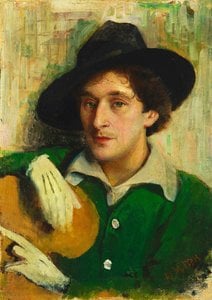
Marc Chagall
1887 - 1985 , Belarus
Detalii rapide
- Artistic Movement Or Style: Expresionism, Cubism, Fauvism, Surrealism
- Artists Or Movements Influenced By This Artist: ['Suprealistii']
- Artists Who Influenced This Artist: ['Léon Bakst']
- Date Of Birth: 1887
- Date Of Death: 1985
- Full Name: Moishe Shagal
- Nationality: Rus-francez
- Notable Artworks:
- Eu și satul
- Zi de naștere
- Nunta
- Crucifixul alb
- Deasupra Vitebsk
- Place Of Birth: Liovana, Belarus