

 Previzualizare
 Trimite prin felicitare
 Distribuie
 Detalii despre lucrare
 Ghid
Ghid

 Descarcă imaginea
 Produse similare
 Radiografie
 Galerie foto
 Întrebări și răspunsuri
 Statistici
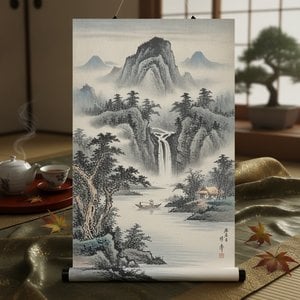
Viewing a Waterfall

- 129.0 x 56.0 cm


 Vezi mai mult
Giclée / Imprimare artistică
Printuri giclée sau pe canvas de calitate muzeală, cu proces de producție rapid și opțiuni flexibile de finisare. ( Comandă pictură realizată manual Comută pe Imagine Digitală)




































Alegeți dintre dimensiunile noastre prestabilite, care respectă proporțiile originale ale operei de artă.

Introduceți lățimea și înălțimea necesare pentru a se potrivi ramei sau peretelui dumneavoastră. O printare poate fi doar tăiată, niciodată extinsă dincolo de dimensiunea imaginii originale, astfel încât o dimensiune cu o formă diferită va pierde o parte din imagine. Vă trimitem o simulare digitală pentru aprobare înainte de a imprima orice. Imaginea afișată pe această pagină nu prezintă tăierea reală — doar simularea arată acest lucru.
Livrare în întreaga lume () în 2 săptămâni, în loc de cele 4/5 săptămâni standard. (5 Noiembrie)

Livrare expres gratuită la nivel mondial

Pânză de in de înaltă calitate

Asigurare completă pentru transport

Garanție de rambursare a taxelor vamale

Garanția fidelității culorilor

Politica de retur în 100 de zile (doar pentru defecte de fabricație)

Garanție de rambursare 100%

Ofertă pentru comenzi multiple
 Opțiunea cu sticlă este disponibilă doar pentru dimensiuni de sub 110 cm

Viewing a Waterfall
Giclée / Imprimare artistică
Dimensiune reproducere
-


Preț total calculat
lei 301
Întrebări și răspunsuri
În ce măsură subiectul operei „Viewing a Waterfall” se regăsește în temele obișnuite ale lui Kushiro Unsen?
Printre temele consacrate ale lui Kushiro Unsen, chinese literati influence, zen philosophy & serenity, nature's transient beauty, scholarly contemplation", bitchu province landscape, guest official commission, reflecting edo aesthetics, unsen's signature style" – „Viewing a Waterfall” oferă o perspectivă proprie asupra japanese landscape, waterfall, pine tree, scholar, serenity, nature, chinese influence, edo period.
„Viewing a Waterfall” este disponibil(ă) sub formă de print de fine art?
O ediție print a lucrării "Viewing a Waterfall" de Kushiro Unsen poate fi comandată direct pe pagina sa de Print Fine Art: o printă fine art pe canvas din bumbac sau pe hârtie canvas arhivistică.
Pot vedea "Viewing a Waterfall" de Kushiro Unsen sub diferite lumini?
Vizualizarea X-Ray a operei "Viewing a Waterfall" de Kushiro Unsen este disponibilă pe pagina Raze X a lucrării: o examinare interactivă a imaginii prin unsprezece straturi optice.
Opere similare


Biografie artist
Kushiro Unsen: A Vision of Tranquility Amidst Turbulent Times
Kushiro Unsen (釧雲泉, 1759 – 1811) stands as a singular figure in Japanese landscape painting, embodying the aesthetic ideals of Edo-period Japan—a period marked by social stratification, political intrigue, and burgeoning commercial activity. Unlike many artists of his era who sought patronage from powerful clans or focused on grand historical narratives, Unsen cultivated a deeply personal style rooted in Zen Buddhism and characterized by an unparalleled sensitivity to atmospheric conditions. Born in the vibrant port city of Nagasaki, Unsen’s early life was shaped by the unique atmosphere of Japan’s gateway to the world. Here, amidst the influx of foreign goods and ideas, he studied painting and Chinese alongside merchants visiting from the mainland, absorbing techniques that emphasized subtle tonal gradations and meticulous brushwork—a hallmark of Ming Dynasty landscape art.
Unsen’s artistic philosophy was profoundly anchored in his devotion to Zen Buddhism. He believed that true beauty resided in capturing the essence of nature—its impermanence and interconnectedness—rather than merely reproducing its outward appearance. This conviction fueled his relentless pursuit of achieving wu wei, or effortless action, mirroring the Buddhist ideal of aligning oneself with the natural flow of existence. His work often serves as a symbolic escape from the complexities of urban life, offering a window into a world of untouched grandeur and spiritual solitude. Through his eyes, a mountain was not just stone and earth, but a vessel for contemplation, and a waterfall was a rhythmic pulse of the universe itself.
The Mastery of Atmosphere and Technique
The distinctive style of Kushiro Unsen is instantly recognizable by its masterful use of atmospheric perspective. He possessed a rare ability to manipulate mist and haze to create an incredible sense of depth and luminosity within his compositions. His technique often involved a delicate layering process, where thin, ethereal washes of gray and pale earth tones were contrasted against sharp, angular strokes that defined rugged rock formations or ancient pine trees. This interplay between the soft and the structured allowed him to evoke a sense of space that felt both vast and intimately connected to the viewer.
In his most celebrated works, such as Viewing a Waterfall, Unsen utilizes a rapid, repetitive, and sometimes eccentric brushwork that draws inspiration from the Yuan-dynasty literati painters. This expressive approach allows the landscape to feel alive, as if the very air is moving across the paper. His ability to capture specific seasonal moods—such as the coolness of summer vines or the crispness of autumn air—demonstrates a technical precision that transcends mere imitation. By integrating original Chinese verse into his compositions, he further bridged the gap between visual art and literary expression, creating a multi-sensified experience for the scholar-observer.
Legacy and Historical Significance
As a late Edo period literati artist, Unsen’s significance lies in his ability to synthesize diverse influences into a cohesive, uniquely Japanese voice. While his foundations were built upon Chinese landscape traditions, his execution was deeply colored by the specific cultural nuances of his time and place. His travels throughout Japan allowed him to establish friendships with many famous intellectuals, further embedding his work within the scholarly circles of the era. His paintings, such as Lone Angler in Autumn, continue to resonate because they touch upon universal themes of solitude, nature, and the human spirit.
Today, the works of Kushiro Unsen are preserved in prestigious institutions like the Tokyo National Museum and The Metropolitan Museum of Art, serving as vital links to the artistic soul of the 18th and 19th centuries. His legacy is defined by:
- The Synthesis of Traditions: Successfully blending Chinese ink wash techniques with a Japanese Zen sensibility.
- Atmospheric Innovation: Pioneering the use of mist and light to create emotional depth in landscape painting.
- Literati Expression: Elevating the landscape genre through the integration of poetry and calligraphic mastery.

Kushiro Unsen
1759 - 1811 , Japan
Detalii rapide
- Full Name: Kushiro Unsen
- Nationality: Japanese
- Date Of Birth: 1759
- Date Of Death: 1811
- Place Of Birth: Nagasaki, Japan
- Notable Artworks: ['The Moonlit Landscape']
- Artistic Movement Or Style: Landscape Painting
- Artists Who Influenced This Artist: ['Chinese Painters']
- Artists Or Movements Influenced By This Artist: ['Romanticism']
Articole similare

Peisaje Romantice Iconice: 10 Capodopere Artistice pentru Decorul de Lux
Descoperă 10 capodopere romantice iconice de Caspar David Friedrich, Turner și alți maeștri. Explorează istoria artei, emoțiile din peisaje și găsește tablouri canvas perfecte pentru decorul tău pe ArtsDot.com!

Katsushika Hokusai: Cele Mai Iubite 25 de Opere de Artă – Inspirație pentru Decorul Casei Tale
Descoperă cele mai frumoase 25 de opere de artă semnate de Katsushika Hokusai, maestru ukiyo-e. Explorează istoria valului Kanagawa și a picturilor japoneze iconice. Reproduceri de calitate muzeală pentru decorul casei tale pe ArtsDot.com!

Ephemeral Expressions: Exploring the Nuances of Ink on Paper Through History & Contemporary Art
Explore the captivating world of ink wash painting – from its ancient origins to contemporary masters. Discover techniques, symbolism & conservation insights with ArtsDot.com.
Serenity on Canvas: A Guide to the Timeless Beauty of Japanese Landscape Painting
Discover the serene beauty of Japanese landscape painting. From Hokusai's iconic woodblock prints to meditative sumi-e ink washes, explore a visual journey through the 'floating world' and learn how to bring this timeless Zen aesthetic into your modern home decor.

Evocations of Place: A Historical Journey Through Landscape Art
Explore the rich history of landscape art with ArtsDot. Discover renowned artists, movements like Impressionism & Romanticism, and expert guidance for collecting timeless pieces. Find your perfect serene escape today!