

 Previzualizare
 Trimite prin felicitare
 Distribuie
 Detalii despre lucrare
 Ghid
Ghid

 Descarcă imaginea
 Produse similare
 Radiografie
 Galerie foto
 Întrebări și răspunsuri
 Statistici
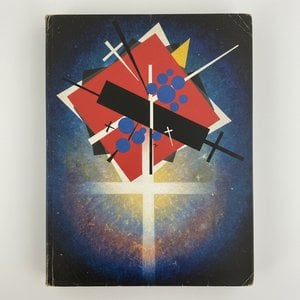
Red Figure

- 30.0 x 23.0 cm


 Vezi mai mult
Giclée / Imprimare artistică
Printuri giclée sau pe canvas de calitate muzeală, cu proces de producție rapid și opțiuni flexibile de finisare. ( Comandă pictură realizată manual Comută pe Imagine Digitală)




P118B lei10

P118H lei10

P118W lei10

P438Z lei10

P508JH lei12

P508YH lei12

P805H lei10

P805Z lei10

P919BZ lei10

P919G lei10

P919XJ lei10

P959ZH lei10

P968JZ lei12

W106C lei8

W218G lei10

W218JH lei8

W218Y lei10

W307PJ lei10

W316G lei10

W316PJ lei8

W316Y lei10

W398PJ lei8

W4111J lei10

W500HY lei15

W500JH lei15

W692G lei12

W849H lei8

W940BG lei15

W953PJ lei8




Alegeți dintre dimensiunile noastre prestabilite, care respectă proporțiile originale ale operei de artă.

Introduceți lățimea și înălțimea necesare pentru a se potrivi ramei sau peretelui dumneavoastră. O printare poate fi doar tăiată, niciodată extinsă dincolo de dimensiunea imaginii originale, astfel încât o dimensiune cu o formă diferită va pierde o parte din imagine. Vă trimitem o simulare digitală pentru aprobare înainte de a imprima orice. Imaginea afișată pe această pagină nu prezintă tăierea reală — doar simularea arată acest lucru.
Livrare în întreaga lume () în 2 săptămâni, în loc de cele 4/5 săptămâni standard. (10 Noiembrie)

Livrare expres gratuită la nivel mondial

Pânză de in de înaltă calitate

Asigurare completă pentru transport

Garanție de rambursare a taxelor vamale

Garanția fidelității culorilor

Politica de retur în 100 de zile (doar pentru defecte de fabricație)

Garanție de rambursare 100%

Ofertă pentru comenzi multiple
 Opțiunea cu sticlă este disponibilă doar pentru dimensiuni de sub 110 cm

Red Figure
Giclée / Imprimare artistică
Dimensiune reproducere
-


Preț total calculat
lei 300
The Essence of Geometric Soul
In the vast, silent expanse of Kazimir Malevich’s 1928 masterpiece, Red Figure, we encounter more than just a painting; we enter a realm where the boundaries between the physical and the spiritual dissolve. As a cornerstone of Neo-Suprematism, this work serves as a profound testament to Malevich’s lifelong quest to strip art of its decorative burdens and reveal the raw, pulsating energy of pure form. The composition presents a solitary figure set against an expansive, minimalist backdrop—a deliberate arrangement that strips away the noise of the material world to focus the viewer's gaze on a singular, meditative moment of existence.
The subject matter, while appearing deceptively simple, invites a deep psychological journey. A person stands before a field, their presence anchored by a striking red element that commands the eye. This is not a portrait in the traditional sense, meant to capture likeness or status; rather, it is an exploration of solitude and resilience. The figure’s posture suggests a quiet contemplation, a silent dialogue between the individual and the infinite horizon. For the collector or the designer, this piece offers a profound sense of stillness, making it an ideal focal point for spaces dedicated to reflection, peace, and intellectual depth.
A Symphony of Color and Form
Technically, Red Figure is a triumph of disciplined abstraction. Malevich utilizes a rigorously simplified geometric style, where every line and plane serves a higher purpose. The most arresting feature is the bold red rectangle that dominates the composition. In the language of Suprematism, this color was chosen not for its ability to mimic reality, but for its psychological weight. The red vibrates with vitality, passion, and an almost spiritual heat, acting as a heartbeat within the otherwise austere landscape. This interplay between the vibrant scarlet and the muted, precise lines of the field creates a visual tension that is both harmonious and electrifying.
The artist’s technique eschews the illusionism of the past, favoring a flat, powerful application of color that emphasizes the two-dimensional reality of the canvas. This rejection of depth in favor of pure geometric supremacy allows the painting to exist as an object of pure feeling. When considering a high-quality reproduction for an interior space, one must appreciate how these sharp, clean edges and bold color blocks can interact with modern architecture. The painting does not merely sit on a wall; it redefines the space around it, bringing a sense of structured energy and avant-garde sophistication to any curated collection.
Historical Resonance and Timeless Appeal
To understand Red Figure is to understand the turbulent spirit of the post-Revolutionary era. Created during a period of immense social and political transformation, Malevich’s work sought to forge a new visual language for a new world. By breaking free from the constraints of academic realism, he aimed to reach a state of "non-objectivity," where art could communicate universal truths through the language of geometry. This historical weight lends the piece an undeniable prestige, making it a significant acquisition for those who value the lineage of the Russian avant-garde.
Ultimately, the emotional impact of this work lies in its ability to transcend time. The symbolism of the red form—representing unity, transcendence, and the spark of life—remains as potent today as it was in 1928. Whether viewed as a historical monument or a modern masterpiece of abstract design, Red Figure continues to challenge our perceptions. It is an invitation to look beyond the surface, to find beauty in simplicity, and to experience the profound power of the geometric soul.
Întrebări și răspunsuri
Ce ton emoțional transmite stilul Neo-Suprematism din "Red Figure"?
"Red Figure" emană o Reflective notă emoțională, specifică mișcării Neo-Suprematism.
Care sunt tehnica și dimensiunile originalului "Red Figure" de Kazimir Malevici?
Tehnica utilizată pentru "Red Figure" de Kazimir Malevici este Oil, iar dimensiunile sale înregistrate sunt 30 x 23 cm.
„Red Figure” are o previzualizare în realitate augmentată?
Pagina Previzualizare în AR pentru "Red Figure" de Kazimir Malevici folosește realitatea augmentată pentru a vizualiza opera de artă în propriul tău spațiu, pe un dispozitiv compatibil.
Opere similare


Biografie artist
Tinerețea, Familia și Formarea
Kazimir Malevici s-a născut în apropierea Kievului, în Guvernământul Kiev din Imperiul Rus, în jurul anului 1878 sau 1879. Crescut într-o familie de etnie poloneză, fiul lui Sewryn Antonovich Malevich, un administrator al unei fabrici de zahăr, artistul a trăit o copilărie marcată de migrații constante. Familia sa se muta frecvent, stabilindu-se adesea în sate ucrainene, în mijlocul plantațiilor de sfeclă de zahăr. Acești ani de început au fost petrecuți departe de agitația centrelor culturale urbane, fiind în schimb învăpuiți de texturile vieții rurale și de estetica artei populare din mediul de la țară.
Educația sa formală în domeniul artelor vizuale a început în Kiev, unde a studiat desenul între anii 1895 și 1896. Dorind o instruire mai riguroasă, s-a mutat la Moscova în 1904. A fost aici că pregătirea sa profesională a căpătat o formă mai structurată, la Școala de Pictură, Sculptură și Arhitectură din Moscova. A rămas în oraș pentru câțiva ani, rafinându-și tehnica în atelierul lui Fedor Rerberg, perioada care a durat de la 1904 până în 1910.
Evoluția Stilului său Artistic
Primele eforturi creative ale lui Kazimir Malevici au reprezentat o căutare nesfârșită a unui limbaj vizual, traversând texturile Impressionismului, Simbolismului, Fauvismului și Cubismului. Evoluția sa a fost profund legată de curenții schimbători ai avangardei ruse, găsind o direcție timpurie prin influența lui Natalia Goncharova și Mikhail Larionov. Acești ani de formare au fost marcați de o fascinație pentru posibilitățile structurale ale formei, împrumutând adesea principii cubiste de la Aristarkh Lentulov. Artistul a fost un participant frecvent la expozițiile definitorii ale epocii, inclusiv a celei de-a doua expoziții a grupului Soyuz Molodyozhi din Sankt Petersburg, în 1911. Până în 1912, prezența sa în scena artistică era deja consolidată prin implicarea în colectivul Donkey's Tail din Moscova.
Această perioadă de experimentare nu a fost atât o progresie liniară, cât mai degrabă o serie de rupturi radicale. El a migrat de la reprezentarea vieții cotidiene către o abordare mai fragmentată și analitică a spațiului. Opera sa din acei ani s-a concentrat adesea pe viața țărănimii, însă chiar și aceste subiecte au început să își piardă calitățile lor descriptive tradiționale. Influența avangardei nu era doar una stilistică, ci profund structurală, pe măsură ce el căuta să deconstruieze lumea vizuală pentru a-i descoperi componentele esențiale. Această mișcare nesfârșită prin diverse moduri de exprimare a oferit frecarea necesară pentru trecerea sa inevitabilă către abstractizarea totală.
Evoluția Suprematismului
Până în 1915, Kazimir Malevici depășise deja planurile fracturate ale Cubismului pentru a ajunge la o concluzie radicală. Prin publicarea manifestului său, De la Cubism la Suprematism, artistul a marcat nașterea unui mișcare care urmărea să dezbrădească arta de orice narațiune lumenească. Aceasta era o cădere în căutarea supremății sentimentului pur, o convingere că adevărata expresie nu rezida în reprezentarea obiectelor, ci în tensiunea formei în sine. El a căutat să evadeze din cercul orizontului lumii vizibile, înlocuind elementele familiare cu un limbaj al abstractizării absolute.
Sistemul rezultat a fost unul al geometriei non-obiective. Compozițiile sale utilizau forme de bază — pătrate, cercuri și dreptunghiuri — plasate pe fundaluri monocrome pentru a obține o senzație de greutate spirituală. Aceasta nu a fost o simplă schimbare stilistică, ci o reposiționare filozofică a scopului artistului. În 1926, el și-a articulat și mai clar aceste convingeri în cartea sa, Lumea ca Non-Obiectivitate, publicată la München. Prin aceste scrieri și prin pânzele sale, a încercat să definească o nouă conștiință vizuală care să funcționeze independent de lumea naturală.
- Pătrat Negru (1915)
- Alb pe Alb (1918)
Opere Cheie și Capodopere
Tranziția de la tangibil către abstract este marcată de o serie de rupturi radicale care au rescris regulile artei. În perioada 1912–1913, pictura cubofuturistă The Knifegrinder a capturat o senzație de mișcare fragmentată, fiind un precursor al dizolvării totale a formei. Această etapă a fost urmată de desenul din 1913, Soldier, o studiu captivant în alb și negru care a despuiat figura umană de orice ornament, lăsând în urmă doar contururile sale esențiale și aspre. Aceste experimente timpurii cu geometria și liniile simplificate au semnalat o nemulțumire tot mai mare față de necesitatea de a reprezenta lumea vizibilă așa cum este ea.
Cea mai profundă schimbare de paradigmă a avut loc în 1915, odată cu apariția celei de Black Square, o operă care a funcționat ca o piesă fundamentală a picturii abstracte. Aceasta a renunțat la orice perspectivă tradițională, oferind în schimb o prezență singulară, densă, aproape gravitațională. Această perioadă a fost martorul și creației compoziției The Red Cross on a Black Circle din 1915, alături de lucrarea din 1918, The Black Cross on a Red Oval. Aceste opere au migrat spre un limbaj al formei pure, non-obiective, unde culoarea și forma operau în mod independent de orice subiect recognosabil.
Până în 1918, această căutare a esenței a atins un punct de rafinament extrem în seria White on White. Aceste picturi au explorat limitele percepției, utilizând forme geometrice albe pe un fundal tot alb pentru a investiga puritatea absolută a formei și a culorii. A fost o concluzie liniștită, aproape spectrală, a unei decenii de intensă agitație vizuală.
- Black Square (1915)
- White on White (1918)
- The Knifegrinder (1912–1913)
- The Red Cross on a Black Circle (1915)
- The Black Cross on a Red Oval (1918)
- Soldier (1913)
Predarea și cerculurile artistice
Influența lui Kazimir Malevici s-a extins mult dincolo de suprafața solitară a pânzei, prin implicarea sa activă în viața pedagogică și colectivă a avangardei. Între 1919 și 1922, acesta a predat la Școala de Artă Practică din Vitebsk, în URSS, lucrând alături de Marc Chagall. Tocmai în această perioadă a devenit membru al colectivului UNOVIS, un grup dedicat principiilor noului său limbaj vizual. Acești ani petrecuți în Vitebsk au fost marcați de un angajament comun de a remodela peisajul estetic prin intermediul unei gândiri structurate și radicale.
Prezența sa academică s-a mutat prin mai multe centre majore, pe măsură ce climatul politic și cel artistic evoluau. A petrecut o perioadă semnificativă la Academia de Arte din Leningrad, între 1922 și 1927. Ulterior, activitatea sa didactică l-a dus la Institutul de Artă de Stat din Kiev, între 1927 și 1929. Ultima sa funcție de instructor a fost la Casa Artelor din Leningrad, în anul 1930. Prin intermediul acestor diverse instituții, el a încercat să formalizeze teoriile formei ne-obiective, transmițând convingerile sale unei generații de studenți care navigau într-o ordine socială aflată într-o schimbare rapidă.
Anii de la sfârșit și moartea
Ultimul capitol din viața lui Kazimir Malevici a fost marcat de o retragere forțată de abstractizările radicale care îi definesc întreaga carieră. În cursul primilor ani ai deceniului de 1930, climatul politic s-a schimbat, iar ascensiunea Realismului Socialist a impus un alt tip de limbaj vizual. Această presiune l-a împins spre o revenire la figurativ, îndepărtându-l de puritatea non-obiectivă pe care dedicase decenii de zile. Ultimele sale lucrări reflectă această tensiune profundă, încercând să reconcilieze teoriile sale revoluționare cu cerința de a utiliza forme reprezentative.
Sănătatea a început să-i cedeze în această perioadă de tranziție. În 1933, i s-a diagnosticat cancerul, o boală care i-a umbrit ultimii ani de existență. În ciuda declinului fizic, Kazimir Malevici a continuat să fie activ în comunitatea artistică până în ultimele momente. A murit pe 15 mai 1935, la Leningrad, la vârsta de 56 de ani.
Moștenirea și influența asupra artei moderne
Ripoturile radicalismului lui Kazimir Malevici au ajuns mult dincolo de cercul imediat al avangardei ruse. Prin demontarea datoriei artei de a fi pur pur reprezentativă, el a oferit un model fundamental pentru dezvoltarea artei abstracte din secolul XX. Teoriile sale despre forma non-obiectivă au oferit un vocabular nou celor care căutau să depășească simpla imitație a naturii. Această schimbare de conștiință a ajutat la modelarea traiectoriilor unor artiști precum El Lissitzky și Alexander Rodchenko, care au navigat la intersecția dintre abstractism și realitățile sociale ale timpului lor.
Amprenta sa s-a extins până în mișcările de la mijlocul secolului care căutau o reducere și mai profundă. Principiile preciziei geometrice și căutarea esenței au găsit ecouri în opera lui Josef Albers și Ad Reinhardt. Chiar și Minimaliștii, prin accentul pus pe prezența fizică a obiectului și pe respingerea iluzionismului, s-au hrănit din fundațiile lăsate de el. El a sfidat necesitatea subiectului, demonstrând că o compoziție poate exista exclusiv prin tensiunea dintre culoare și formă.
Unde pot fi văzute astăzi operele sale
Prezența fizică a geometriei sale radicale poate fi descoperită în numeroase instituții de renume de pe întreg globul. În Statele Unite, Yale University Art Gallery găzduiește piesa The Knifegrinder, o operă ce surprinde perfect tensiunea perioadei sale Cubo-Futuriste timpurii. Între timp, Hammer Museum din Los Angeles păstrează o selecție a lucrărilor sale, oferind o punte de legătură între limbajul său vizual și contextul american contemporan.
În Rusia, evoluția sa de la formele reprezentative către abstractizarea pură este conservată în diverse colecții de stat. Galeria de Stat Tretyakov din Moscova adăpostește piesa The aviator, în timp ce Muzeul de Stat Rus deține Black circle, o lucrare datată în jurul anului 1913. Aceste colecții permit un studiu direct al modului în care artistul a dezmembrat lumea vizibilă pentru a descoperi o nouă realitate, non-obiectivă.

Kazimir Malevici
1878 - 1935 , Ucraina
Detalii rapide
- Artistic Movement Or Style: Suprematism, Art abstractă
- Artists Or Movements Influenced By This Artist:
- Minimalism
- Constructivism
- El Lissitzky
- Artists Who Influenced This Artist:
- Cubism
- Fauvizm
- Impresionism
- Date Of Birth: 1878
- Date Of Death: 1935
- Full Name: Kazimir Severinovich Malevich
- Nationality: Ucrainean/Rus
- Notable Artworks:
- Ciucea Neagră
- Alb pe Alb
- Casă în construcție
- Place Of Birth: Kiev, Ucraina
Articole similare

Beyond Form & Color: Geometric Abstraction's Evolution in 20th/21st Century Art
Explore the evolution of geometric abstraction from Cubism to contemporary art. Discover key artists like Malevich & Mondrian, investment insights, and expert collecting advice at ArtsDot.

Cele mai importante 10 capodopere ale abstracției geometrice | Artă & Decor de lux pe ArtsDot.com
Descoperă cele mai importante 10 capodopere ale abstracției geometrice! Explorează istoria, artiștii (Mondrian, Kandinsky) și culorile vibrante care au definit arta modernă. Reproduceri de tablouri de lux pe ArtsDot.com pentru un decor interior rafinat. Explorează colecția online!

Kazimir Malevich: Cele Mai Iconice 25 De Opere – Artă Abstractă pentru Decor Rafinat
Descoperă cele mai importante 25 de opere ale lui Kazimir Malevich, pionierul Suprematismului! Explorează istoria picturilor abstracte iconice precum 'Black Square' și 'White on White'. Găsește reproduceri artă de calitate muzeală pentru un decor rafinat pe ArtsDot.com.
Beyond Representation: Exploring the Radical Geometry of Suprematism & Its Spiritual Foundations
Explore the revolutionary world of Suprematism with our expert guide. Discover Kazimir Malevich's groundbreaking art, its spiritual foundations & lasting influence on modern design. Learn about collecting this iconic movement.

Kazimir Malevich: Pioneering Suprematism & the Quest for Non-Objective Art
Explore the revolutionary art of Kazimir Malevich & his groundbreaking Suprematism movement. Discover the origins, core principles, and lasting impact of this pivotal force in modern abstract painting.


![Cercul negru [1913] Muzeul de Stat Rus](/media/artworks/images-thumb/62/67/6267e452b0c8476772a6511e19ce1616.jpg)


