
 Previzualizare
 Trimite prin felicitare
 Distribuie
 Detalii despre lucrare
 Ghid
Ghid

 Descarcă imaginea
 Produse similare
 Radiografie
 Galerie foto
 Întrebări și răspunsuri
 Statistici
Nuvens


 Vezi mai mult
Giclée / Imprimare artistică
Printuri giclée sau pe canvas de calitate muzeală, cu proces de producție rapid și opțiuni flexibile de finisare. ( Comandă pictură realizată manual Comută pe Imagine Digitală)




P118B lei10

P118H lei10

P118W lei10

P438Z lei10

P508JH lei12

P508YH lei12

P805H lei10

P805Z lei10

P919BZ lei10

P919G lei10

P919XJ lei10

P959ZH lei10

P968JZ lei12

W106C lei8

W218G lei10

W218JH lei8

W218Y lei10

W307PJ lei10

W316G lei10

W316PJ lei8

W316Y lei10

W398PJ lei8

W4111J lei10

W500HY lei15

W500JH lei15

W692G lei12

W849H lei8

W940BG lei15

W953PJ lei8




Alegeți dintre dimensiunile noastre prestabilite, care respectă proporțiile originale ale operei de artă.

Introduceți lățimea și înălțimea necesare pentru a se potrivi ramei sau peretelui dumneavoastră. O printare poate fi doar tăiată, niciodată extinsă dincolo de dimensiunea imaginii originale, astfel încât o dimensiune cu o formă diferită va pierde o parte din imagine. Vă trimitem o simulare digitală pentru aprobare înainte de a imprima orice. Imaginea afișată pe această pagină nu prezintă tăierea reală — doar simularea arată acest lucru.
Livrare în întreaga lume () în 2 săptămâni, în loc de cele 4/5 săptămâni standard. (18 Noiembrie)

Livrare expres gratuită la nivel mondial

Pânză de in de înaltă calitate

Asigurare completă pentru transport

Garanție de rambursare a taxelor vamale

Garanția fidelității culorilor

Politica de retur în 100 de zile (doar pentru defecte de fabricație)

Garanție de rambursare 100%

Ofertă pentru comenzi multiple
 Opțiunea cu sticlă este disponibilă doar pentru dimensiuni de sub 110 cm

Nuvens
Giclée / Imprimare artistică
Dimensiune reproducere
-


Preț total calculat
lei 299
A Symphony of Sky and Light
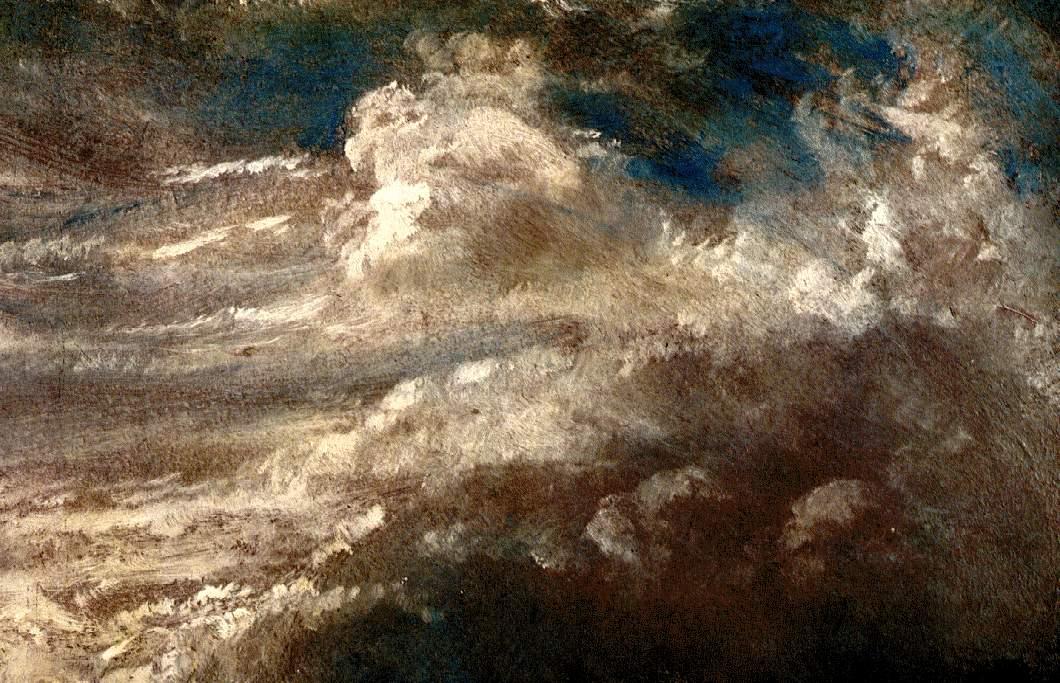
In the vast, moving theater of the heavens, John Constable’s “Nuvens” stands as a profound testament to the beauty of the ephemeral. This monumental canvas, completed around 1820, transcends mere depiction to embody the very spirit of Romantic landscape painting. Rather than focusing on a grounded terrestrial vista, this work invites the viewer into an intimate encounter with the sky itself. The composition is a breathtaking study of light and atmosphere, where a dark blue background provides a striking, dramatic contrast to the scattered white clouds that drift across the scene. Some formations appear large and prominent, commanding the viewer's attention, while others are smaller and more delicate, receding into the distance to create a sense of immense depth. It is a close-up view of the heavens that allows for an intimate exploration of cloud formations, capturing the shimmering luminescence of sunlight as it filters through the mist.
The technique employed in “Nuvens” reveals Constable’s revolutionary approach to atmospheric perspective. To convey the subtle effects of light and air, the artist utilized a painstaking process of layering thin glazes of oil paint over a textured underpainting. This method allowed him to reproduce the elusive quality of haze and the way sunlight interacts with moisture in the air, achieving a realism that astonished his contemporaries. His mastery lies in this dedication to observation; he did not seek to idealize the sky but to capture its true, shifting character. Through the use of light and shadow, the painting achieves a tactile vitality, where the viewer can almost feel the cool dampness of the clouds and the warmth of the sun breaking through the blue expanse.
Symbolism and Emotional Resonance
Beyond its technical brilliance, “Nuvens” resonates with deep symbolic significance, making it a captivating piece for those who seek art with spiritual and emotional depth. The vast expanse of the sky serves as a symbol of eternity and divine majesty, reflecting the Romantic preoccupation with spiritual contemplation. Within this celestial landscape, the scattered clouds represent change, impermanence, and the unpredictable forces of nature—themes that are central to the human experience. Constable’s deliberate blurring of boundaries between the foreground and background invites the viewer to lose themselves in the atmosphere, fostering a sense of awe and wonder.
For the collector or interior designer, bringing a reproduction of “Nuvens” into a living space offers more than mere decoration; it provides a visual meditation on the sublime. The painting captures that unique feeling of overwhelming grandeur combined with a quiet, serene beauty. It serves as a window into a moment of stillness, a fleeting glimpse of light that has been preserved for eternity. Whether placed in a contemplative study or as a focal point in a grand hall, this work continues to inspire through its luminous palette and its unwavering commitment to portraying the emotional truth of the natural world.
Întrebări și răspunsuri
Cum se încadrează „Nuvens” în temele și stilul lui John Constable?
În creația lui John Constable, „Nuvens” se înscrie în stilul Romantic Landscape, alături de temele lorrain influence, suffolk landscape, pastoral idealism, romantic vision, constable legacy.
În ce perioadă a carierei lui John Constable se încadrează "Nuvens"?
"Nuvens" reprezintă perioada Mature Period a lui John Constable.
Din ce perioadă este "Nuvens" de John Constable?
Perioada istorică a operei "Nuvens" de John Constable este 19th Century. Această clasificare plasează lucrarea în contextul istoriei artei.
Opere similare


Biografie artist
Tinerețe, Familie și Formare
John Constable s-a născut în anul 1776 în satul East Bergholt, din Suffolk. Fiul al doilea al lui Golding și Ann (Watts) Constable, el a crescut într-un mediu definit de activitatea economică a familiei sale. Tatăl său, un comerciant prosper de cereale și cărbune, deținea Flatford Mill. Această legătură strânsă cu râul și cu comerțul local însemna că ritmurile apei și mișcarea mărfurilor erau parte integrantă din viața cotidiană a căminului său. În jurul anului 1792, acesta a început să lucreze în afacerea familiei, învățând aspectele practice ale comerțului cu cereale, înainte ca destinul său să se îndrepte, iremediabil, spre suprafața de pânză.
Formarea sa artistică a început cu adevărat atunci când a fost admis ca elev la Școlile Academiei Regale în 1799. Primii ani de studiu au fost dedicați anatomiei și copiilor după lucrările marilor maeștri, eforturi necesare pentru a înțelege structura profundă a lumii. Această educație formală i-a oferit fundația necesară pentru observațiile sale ulterioare asupra peisajului. Astfel, a navigat între liniștea vieții de fiu de comerciant și studiul riguros al desenului și picturii, găsind în cele din urmă drumul spre Londra pentru a-și urma vocația artistică.
O viață înrădăcinată în Valea Stour
Peisajul copilăriei sale a rămas o prezență constantă, o ancoră spirituală ce l-ar fi urmărit mereu. Născut în East Bergholt, Regatul Unit, John Constable a crescut într-un loc unde fluviul sculpta ritmul cotidian al existenței. Tatăl său, un comerciant de cereale prosper, deținea arrendarea morilor de pe malurile râului Stour și poseda terenuri în cadrul Dedham Vale. Această legătură profundă cu apa și cu pământul nu era doar o chestiune de afaceri, ci o atașment de o viață întreagă. El a păstrat în suflet o nostalgie adâncă pentru satele din Suffolk, precum East Bergholt, Dedham, Stratford St Mary și Langham. Chiar și atunci când viața l-a îndepărtat de aceste locuri, imaginea unei lunci specifice sau modul în care lumina mângâia un anumit mal al râului Stour rămâneau gravate în memoria sa vizuală.
În cele din urmă, destinul l-a atras spre agitația urbană. A locuit în Bloomsbury, la Londra, mutându-se pe strada Keppel în 1817 și, ulterior, pe strada Charlotte în 1822. Aceste străzi urbane erau o lume îndepărtată de liniștea malurilor râului. De asemenea, a petrecut timp în Staffordshire, Derbyshire, în Lake District și la Brighton. În ciuda acestor călătorii, contururile familiare ale Văii Stour au rămas principala sa referință estetică. El a privit lumea prin lentila locurilor pe care le cunoștea cel mai bine, găsind un sentiment de apartenență în pământul umed și în norii migratori ai regiunii natale.
Patronaj, Atelier și Comenzi
Calea către o carieră profesională depinde adesea de introducerile potrivite. Pentru John Constable, acest moment a venit prin intermediul lui George Beaumont, un colecționar care i-a deschis porțile către o nouă perspectivă asupra lumii. Prin intermediul lui Beaumont, artistul a fost introdus în universul lucrilor lui Claude Lorrain, a cărui influență a ajutat la modelarea înțelegerii sale profunde a peisajului. Aceste primele conexiuni au pus temelia pe care a pornit în tranziția de la afacerea de comerț cu cereale a familiei către studiul formal al artei. În anul 1805, el a acceptat o comandă specifică: pictarea unui altarpiece pentru biserica din Brantham.
Prestigijul său în cadrul comunității academice a crescut constant de-a lungul deceniilor. În 1819, a fost ales membru asociat al Royal Academy, un pas care i-a marcat recunoașterea tot mai mare în rândul colegilor săi. Până în 1829, la vârsta de 52 de ani, a ajuns la rangul de Academician Regal. Această evoluție a reflectat o carieră construită pe o observație persistentă și tăcută a lumii din jurul său, evoluând de la comenzi locale către o poziție consacrată în structura instituțională a artei britanice.
Tehnică și Stil Artistic
John Constable nu a apelat la teatralitatea spectaculoasă a bravurii pentru a transmite un mesaj. În schimb, el a căutat o reprezentare autentică a lumii naturale, un demers care a necesitat un proces lent și metodic de observație. Pictorul obișnuia să lucreze în aer liber, utilizând schițele plein air pentru a surprinde modul în care lumina interacționează cu peisajul. Pentru a construi compozițiile sale de mari dimensiuni, acesta se sprijina pe o fundație formată din schițe pictate în ulei, desene cu grafite și studii la acuarelă. Aceste straturi preliminare îi permiteau să analizeze complexitatea unei scene înainte de a se consacra pe pânza finală.
Tratamentul său pictural posedă o greutate fizică palpabilă. Folosind un impasto dens pentru a construi texturi, Constable a creat o metodă ce conferă suprafeței sale un sentiment de mișcare și vitalitate. Această abordare tactilă l-a ajutat să surprindă modul specific în care lumina și atmosfera se schimbă de-a peste un câmp sau un râu. El numia această studiere a luminii și a umbrei „chiaroscuro-ul naturii”, o metodă de a înregistra condițiile reale și schimbătoare ale cerului și ale apei, în locul unei versiuni idealizate a acestora.
- The Hay Wain (1821)
- Salisbury Cathedral from the Meadows (1831)
- The Cornfield (1826)
- The Lock (1824)
Lucrări Cheie și Capodopere
Râul și cerul ocupă o mare parte din viziunea sa artistică. În 1821, a creat The Hay Wain, o scenă a râului Stour care a devenit cea mai recunoscută operă a sa. Adesea, a lucrat pe formate de mari dimensiuni pentru a surprinde mișcarea aerului și a apei, fapt care a dus la o serie de pânze de peste doi metri, precum The Leaping Horse (1825), unde a utilizat schițe preparatorii pe ulei la dimensiuni reale pentru a coordona lumina și compoziția. Aceste lucrări monumentale i-au permis să stăpânească detaliile peisajului înainte de aplicarea finală a vopselei.
Interesul său pentru peisajul local s-a extins asupra proprietăților deținut de mari proprietari și a structurilor care se aflau în interiorul acestora. În 1816, a pictat Wivenhoe Park, capturând armonia rurală a câmpiei Essex. De asemenea, și-a îndreptat atenția către interacțiunea dintre lumină și arhitectură, așa cum se poate observa în Salisbury Cathedral from the Bishop's Grounds, pictată în 1823. Capacitatea sa de a traduce atmosfera unui loc specific se reflecta adesea în modul în care gestiona greutatea norilor și textura pământului.
Unele dintre picturile sale au atins o valoare extraordinară mult timp după finalizarea lor. The Lock (1824) a fost vândută la Christie's în 2012 pentru suma de 22.441.250 lire sterline. Producția sa artistică a inclus diverse alte studii și lucrări finalizate, printre care:
- The Cornfield (1826)
- Stonehenge at Sunset (1836)
- Salisbury Cathedral from the Meadows (1831)
Cercul de influențe, rivali și inspirații
Pășul pincelat al Văii Stour a fost modelat de prezența discretă a flerei maeștri. Operele lui Claude Lorrain și ale lui Jacob van Ruisdael i-au oferit o perspectivă vizuală care se îndepărta de teatralitate. Totodată, acesta a privit spre compozițiile lui Thomas Gainsborough și spre texturile pline de viață ale lui Peter Paul Rubens. Aceste influențe l-au ajutat să transcendă regulile academice rigide ale Academiei Regale, căutând o adevărată esență în umiditatea aerului și în modul în care lumina mângâie suprafața unui râu, în locul scenelor mitologice grandioase preferate de contemporanii săi.
Calea sa artistică a parcurs adesea, în paralel, drumul lui JMW Turner. Cei doi au fost contemporani, iar rivalitatea lor a izbucnit în timpul expozițiilor de la Academia Regală. În timp ce unul tindea spre dramatic și sublim, celălalt rămânea ancorat în peisajele locale, familiare, din tinerețea sa. Această dedicare pentru observarea directă a naturii a ajuns, în cele din urmă, dincolo de Canalul Mânecii. Abordarea sa asupra luminii și a atmosferei a lăsat o amprentă profundă asupra Școlii de la Barbizon în Franța, unde pictorii căutau o conexiune similară cu lumea naturală.
Relațiile personale i-au ghidat, de asemenea, parcursul. John Constable a menținut o legătură strânsă cu John Fisher, nepotul Episcopului de Salisbury, care l-a invitat să locuiască în acea zonă. Aceste prietenii au oferit mai mult decât simple legături sociale; ele i-au deschis porțile către peisajele specifice pe care le-ar fi studiat și pictat timp de ani de zile. Prin intermediul acestor oameni și al acestor locuri, opera sa a devenit o cronică a unei realități autentice, trăite cu intensitate.
Anii de la sfârșit și moartea
Anii care au urmat căsătoriei sale cu Maria Bicknell în 1816 au fost marcați de o schimbare profundă a sentimentului de apartenență. Deși opera sa rămânea strâns legată de râu și de câmpurile tinereții sale, viața sa a început să se îndepărteze spre agitația urbană. Până în 1827, se stabilise definitiv în Hampstead, Londra. Această perioadă a fost umbrită de declinul sănătății Mariei, care a murit de tuberculoză în 1828, un eveniment care a lăsat o amprentă dureroasă asupra existenței sale. În ciuda suferinței, John Constable a continuat să picteze, găsind adesea consolare în lumina mutabile a peisajelor pe care le studiasese de decenii.
Ultimele sale ani de viață au fost petrecuti în Bloomsbury, Londra. El și-a păstrat devotamentul față de artă, navigând printre complexitățile vieții personale și cerințele fizice impuse de mediul său de lucru. Pe 31 martie 1837, John Constable a încetat viața în Bloomsbury. A fost înmormântat în cimitirul bisericii St John's din Hampstead, un loc care devenise, în anii săi de la sfârșit, adevăratul său cămin.
Moștenire și Influență
Purtând privirea asupra lucrurilor comune din mediul rural englezesc, John Constable a schimbat modul în care peisajul era perceput. El s-a îndepărtat de scenele teatrale și idealizate, preferate de academii, alegând în schimb să găsească profunzime în banal. Un căruț de fân sau o simplă clădire de fermă au devenit subiecte demne de o studiere atentă. Această schimbare a ajutat la mutarea focalizării picturii de la marile narațiuni mitologice către o reprezentare autentică a lumii naturale. El a demonstrat că un peisaj poate purta un sentiment profund de emoție personală, transformând o vedere a unui râu sau a unei pampuri într-un mod de a exprima stări interioare.
Obiceinul său de a lucra în aer liber pentru a surprinde modul în care lumina lovește norii și umiditatea din aer a lăsat o amprentă asupra celor care l-au urmat. Această dedicare observării directe și a studiului efectelor atmosferice a anticipat multe dintre preoccupările pictorilor impresionist de mai târziu. Influența sa a traversat Canalul înspre Franța, unde abordarea sa a rezonat cu Școala de la Barbizon. Acești artiști au împărtășit interesul său pentru pictura „din viață” și pentru observarea calităților imediate și schimbătoare ale naturii. Opera sa rămâne o punte către un mod de a vedea care prioritizează textura reală a pământului și lumina mutante a cerului.
Unde pot fi admirate astăzi lucrările sale
Urmărirea prezenței sale în diverse colecții de artă dezvăluie modul în care viziunile sale asupra peisajului rural englezesc au fost adunate de-a lungul timpului. La Yale Center for British Art din New Haven se află 25 de lucrări ale sale, printre care și o schiță a unui peisaj de lângă Dedham, datată aproximativ în 1802. În Londra, influența sa este simțită în cadrul mai multor instituții de prestigiu. Victoria and Albert Museum păstrează 6 opere, precum o scenă cu construcția de bărți lângă Flatford Mill. National Gallery găzduiește 5 lucrări, inclusiv piesa monumentală The Hay Wain din 1821. Tate Gallery menține 4 opere, printre care un detaliu al lui Flatford Mill din 1817.
Amprenta sa artistică se extinde dincolo de Insulele Britanice, ajungând pe continentul european. Le Louvre din Paris deține 2 lucrări, inclusiv o reprezentare a lui Helmingham Dell. Aceste piese demonstrează diversele modalități prin care a reușit să surprindă lumina și atmosfera, de la norii grei care plâng deasupra râului Stour, până la colțurile liniștite ale unui sat. Admirarea acestora în aceste cadre diverse oferă posibilitatea unei priviri aprofundate asupra modului în care a utilizat straturi groase de pictură pentru a construi textură pe pânză.
The Hay Wain (1821)
Salisbury Cathedral from the Meadows (1831)
The Lock (1824)
Stonehenge at Sunset (1836)
Wivenhoe Park, Essex (1816)

John Constable
1776 - 1837 , Regatul Unit
Detalii rapide
- Artistic Movement Or Style: Romantism
- Artists Or Movements Influenced By This Artist: ['Școala de la Barbizon']
- Artists Who Influenced This Artist: ['Claude Lorrain']
- Date Of Birth: 1776
- Date Of Death: 1837
- Full Name: John Constable
- Nationality: Britanic
- Notable Artworks:
- The Hay Wain
- Hadleigh Castle
- Salisbury Cathedral from the Meadows
- Netley Abbey
- Place Of Birth: East Bergholt, Regatul Unit al Marii Britanii și Irlandei
Articole similare

John Constable: Nature, Light & the Romantic Vision of Rural England
Explore the life & art of John Constable, the Romantic painter who revolutionized landscape with emotive scenes of rural England. Discover his techniques, legacy, and key works – perfect for collectors & enthusiasts.

John Constable: Cele Mai Frumoase 25 de Capodopere – Artă Clasică pentru Decorul Casei Tale
Descoperă cele mai frumoase 25 de picturi ale lui John Constable, maestru al peisajului englezesc! Explorează stilul romantic, Dedham Vale și capodopere precum The Hay Wain. Reproduceri artă clasică pentru decorul casei tale – ArtsDot.com.
Ephemeral Visions: Clouds as Motif & Metaphor in Western Art History
Explore the captivating history of clouds in Western art! From Romantic masterpieces to Symbolist visions, discover how artists captured atmosphere, emotion & spirituality. A guide for collectors and enthusiasts.

Tempest and Transcendence: A Study of Stormy Skies and the Sublime in Landscape Painting
Explore the mastery of stormy skies through Romantic and Impressionist landscapes. Discover the power of the sublime today.

Serene Visions: Exploring Tranquility in Art History & Contemporary Practice
Explore the history of serene landscape art & discover artists who evoke tranquility. Find the perfect calming artwork for your home with expert guidance from ArtsDot.


