

 Previzualizare
 Trimite prin felicitare
 Distribuie
 Detalii despre lucrare
 Ghid
Ghid

 Descarcă imaginea
 Produse similare
 Radiografie
 Galerie foto
 Q&A
Q&A Statistici
Liberté

- 123.0 x 185.0 cm


 Vezi mai mult
Lucrarea de artă afișată pe această pagină este protejată de legile privind drepturile de autor, ceea ce înseamnă că nu putem crea sau vinde în mod legal o reproducere identică. Această protecție este garantată prin acorduri internaționale, precum Convenția de la Berna și de legile naționale, inclusiv cele prevăzute de Legea dreptului de autor din S.U.A. – Titlul 17. Toate drepturile rezervate. Orice reproducere neautorizată este interzisă.
Această metodă respectă pe deplin reglementările privind drepturile de autor, deoarece nu implică copierea sau duplicarea operei protejate. În schimb, este o reinterpretare creativă – o pictură nouă, influențată de original, dar care nu este identică cu acesta.
Giclée / Imprimare artistică
Printuri giclée sau pe canvas de calitate muzeală, cu proces de producție rapid și opțiuni flexibile de finisare. ( Comandă pictură realizată manual Comută pe Imagine Digitală)




P118B lei10

P118H lei10

P118W lei10

P438Z lei10

P508JH lei12

P508YH lei12

P805H lei10

P805Z lei10

P919BZ lei10

P919G lei10

P919XJ lei10

P959ZH lei10

P968JZ lei12

W106C lei8

W218G lei10

W218JH lei8

W218Y lei10

W307PJ lei10

W316G lei10

W316PJ lei8

W316Y lei10

W398PJ lei8

W4111J lei10

W500HY lei15

W500JH lei15

W692G lei12

W849H lei8

W940BG lei15

W953PJ lei8




Alegeți dintre dimensiunile noastre prestabilite, care respectă proporțiile originale ale operei de artă.

Introduceți lățimea și înălțimea necesare pentru a se potrivi ramei sau peretelui dumneavoastră. O printare poate fi doar tăiată, niciodată extinsă dincolo de dimensiunea imaginii originale, astfel încât o dimensiune cu o formă diferită va pierde o parte din imagine. Vă trimitem o simulare digitală pentru aprobare înainte de a imprima orice. Imaginea afișată pe această pagină nu prezintă tăierea reală — doar simularea arată acest lucru.
Livrare în întreaga lume () în 2 săptămâni, în loc de cele 4/5 săptămâni standard. (2 Noiembrie)

Livrare expres gratuită la nivel mondial

Pânză de in de înaltă calitate

Asigurare completă pentru transport

Garanție de rambursare a taxelor vamale

Garanția fidelității culorilor

Politica de retur în 100 de zile (doar pentru defecte de fabricație)

Garanție de rambursare 100%

Ofertă pentru comenzi multiple
 Opțiunea cu sticlă este disponibilă doar pentru dimensiuni de sub 110 cm

Liberté
Giclée / Imprimare artistică
Dimensiune reproducere
-


Preț total calculat
lei 294
A Symphony of Visual Fragments
In the sweeping expanse of Liberté, created in 1963, we encounter a breathtaking visual tapestry that transcends the boundaries of traditional painting. This monumental work, measuring an impressive 123 x 185 cm, functions as a complex collage of memory and melody. At first glance, the eye is drawn into a dense, rhythmic arrangement of objects that seem to dance across the canvas: the elegant curves of a violin, the resonant body of a guitar, and the ivory keys of a piano emerge from a sea of textures. It is a composition where the boundaries between sight and sound blur, inviting the viewer to hear the music through the medium of color and form. The artist masterfully weaves together disparate elements—a solitary clock, a weathered book, a humble chair, and even a bottle—creating a domestic landscape that feels both intimate and cosmically vast.
The technique employed in Liberté is nothing short of virtuosic, utilizing a rich variety of textures to breathe life into each fragment. The artist employs a layered approach that mimics the complexity of a musical score, where different motifs overlap and intertwine. There is a palpable sense of movement within the stillness; the figures scattered throughout the scene appear caught in moments of profound engagement with their surroundings, much like musicians lost in a crescendo. This interplay of light and shadow, combined with a diverse palette, lends the piece a tactile quality that makes the canvas feel alive, as if the very air within the frame is vibrating with the echoes of a long-forgotten concerto.
The Resonance of History and Spirit
To understand Liberté, one must look toward the profound legacy of its creator, Joaquín Rodrigo Vidre. While history remembers him as a titan of classical composition—the mind behind the immortal Concierto de Aranjuez—this painting serves as his visual testament to the concept of freedom. Born in Sagunto and having navigated a life of profound sensory experience despite losing his sight at a young age, Rodrigo’s relationship with the world was defined by rhythm, harmony, and an internal vision of beauty. In this work, he translates the structural elegance of neoclassical music into a visual language, where every object serves as a note in a larger, liberating composition.
The symbolism within the piece speaks to the eternal connection between art and existence. The clock suggests the relentless passage of time, yet the musical instruments represent the immortality of the human spirit through creation. For the discerning collector or interior designer, Liberté offers more than mere decoration; it provides a focal point of intellectual and emotional depth. It is a piece that commands attention in any grand space, offering a sophisticated narrative for those who appreciate the intersection of fine art and classical heritage. Bringing a high-quality reproduction of this masterpiece into a home or gallery is an invitation to surround oneself with the enduring spirit of liberty and the timeless beauty of the musical soul.
Întrebări și răspunsuri
Cine este autorul și din ce an este "Liberté"?
Lucrarea „Liberté” este creată de Joaquín Rodrigo Vidre și datează din 1963.
Ce ton emoțional transmite stilul Contemporary Art din "Liberté"?
În cadrul mișcării Contemporary Art, „Liberté” este marcată de un ton Nostalgic.
"Liberté" de Joaquín Rodrigo Vidre este o operă de artă luminoasă sau întunecată?
Luminozitatea percepută a operei "Liberté" de Joaquín Rodrigo Vidre este balanced. Aceasta poate fi adaptată la lumina spațiului în care va fi expusă.
Opere similare


Biografie artist
primii ani și educația
Joaquín Rodrigo Vidre, un compozitor spaniol de renume și pianist virtuoz, s-a născut pe 22 noiembrie 1901, în Sagunto, provincia Valencia. La vârsta de trei ani, destinul său a fost marcat de o pierdere profundă, când și-a pierdut complet vederea din cauza difteriei. Cu toate acestea, această întunecime nu i-a stins pasiunea, reușind să înceapă studiile de solfej, pian și vioară încă de la vârsta de opt ani. Călătoria sa muzicală l-a purs ulterior spre studiul armoniei și compoziției sub îndrumarea lui Francisco Antich în Valencia și a lui Paul Dukas la École Normale de Musique din Paris.opere remarcabile
Cea mai celebră creație a lui Rodrigo, Concierto de Aranjuez, a fost compusă în 1939 pentru chitaristul Regino Sainz de la Maza. Acest concerto pentru chitară și orchestră a devenit o piatră de temelie a repertoriului chitarei clasice. Mișcarea centrală, adagio-ul, prin interacțiunea delicată dintre chitară și cor anglais, este una dintre cele mai recognoscibile fragmente din muzica clasică del abadului XX. Printre cele mai importante compoziții ale sale se numără: Concierto de Aranjuez (1939) - un concerto pentru chitară și orchestră; Fantasía para un gentilhombre (1954) - compus la cererea lui Andrés Segovia; și Concierto Andaluz (1963) - o lucrare comandată de Celedonio Romero pentru patru chitare și orchestră.distincții și onoruri
Contribuția sa imensă la universul muzical i-a adus numeroase recunoașteri, printre care:- Premio Nacional de Música (1983)
- Marqués de los Jardines de Aranjuez (1991) - un titlu ereditar conferit de regele Juan Carlos I
- Premiul Prince of Asturias (1996) - cea mai înaltă onoare civilă din Spania
- Comandor al Ordinului Artelor și Literelor (1998) - acordat de guvernul francez
viața personală
În anul 1933, Rodrigo s-a căsătorit cu Victoria Kamhi, o pianistă născută în Turcia. Fiica lor, Cecilia Rodrigo, s-a născut pe 27 ianuarie 1941. Maestro a plecat dintre noi în casa sa din Madrid, pe 6 iulie 1999, la vârsta de 97 de ani.moștenire
Moștenirea lui Rodrigo trăiește prin numeroasele sale compoziții și prin impactul profund pe care l-a avut asupra muzicii clasice, continuând să inspire muzicieni și artiști din întreaga lume. Pentru a explora mai multe detalii despre viața și opera sa, vizitați pagina lui Joaquín Rodrigo Vidre pe ArtsDot.com.- vizualizați operele lui Joaquín Rodrigo Vidre pe ArtsDot.com
- descoperiți mai multe despre viața și munca lui Rodrigo pe Wikipedia

Joaquín Rodrigo Vidre
1901 - 1999 , Spania
Detalii rapide
- Artistic Movement Or Style: Neoclasic
- Artists Or Movements Influenced By This Artist: ['Chitară clasică']
- Artists Who Influenced This Artist:
- Paul Dukas
- Francisco Antich
- Date Of Birth: 1901
- Date Of Death: 1999
- Full Name: Joaquín Rodrigo Vidre
- Nationality: Spaniol
- Notable Artworks:
- Concierto de Aranjuez
- Fantasía para un gentilhombre
- Concierto Andaluz
- Place Of Birth: Sagunto, Spania
Articole similare

The Tactile Canvas: Exploring Texture as Subject, Materiality & Meaning in Art History
Explore the rich history of texture in art! Discover how artists from Van Gogh to contemporary masters use materiality & technique to create captivating tactile experiences. Deepen your art appreciation with ArtsDot.

The Magic of Collage: How to Layer Texture and Story into Your Home Decor
Elevate your interiors with the magic of collage. Discover expert tips on layering texture, 3D elements, and personal narratives through mixed media art to create a soulful, sophisticated home decor experience.

F.A.Q.: Imprimări Texturate – Aspect, Materiale și Utilizări Recomandate
Descoperiți imprimările texturate de la ! Ghid expert despre materiale, tehnici și aplicații pentru a transforma spațiul dumneavoastră cu artă de calitate superioară. Reproduceri fidele și design personalizat.
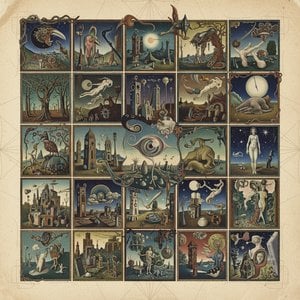
Max Ernst: Cele Mai Iconice Lucrări – Artă Suprarealistă pentru Decorul Tău
Descoperă cele mai emblematice 25 de opere ale lui Max Ernst, pionierul suprarealismului! Explorează tehnicile inovatoare, simbolismul profund și inspirația din Dadaism. Găsește reproducerea perfectă pentru decorul tău pe ArtsDot.com – artă modernă de calitate muzeală.
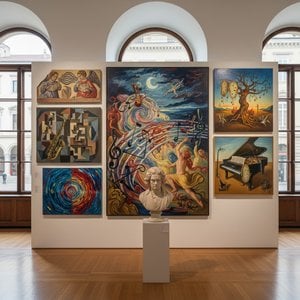
Harmonies on Canvas: Exploring the Visual Representation of Music in Art History
Explore the fascinating history of music's visual representation in art! From ancient symbolism to modern abstraction, discover how artists have captured sound and emotion on canvas. Expert insights & stunning examples.