

 Previzualizare
 Trimite prin felicitare
 Distribuie
 Detalii despre lucrare
 Ghid
Ghid

 Descarcă imaginea
 Produse similare
 Radiografie
 Galerie foto
 Întrebări și răspunsuri
 Statistici
False Start

- 137.0 x 170.0 cm


 Vezi mai mult
Lucrarea de artă afișată pe această pagină este protejată de legile privind drepturile de autor, ceea ce înseamnă că nu putem crea sau vinde în mod legal o reproducere identică. Această protecție este garantată prin acorduri internaționale, precum Convenția de la Berna și de legile naționale, inclusiv cele prevăzute de Legea dreptului de autor din S.U.A. – Titlul 17. Toate drepturile rezervate. Orice reproducere neautorizată este interzisă.
Această metodă respectă pe deplin reglementările privind drepturile de autor, deoarece nu implică copierea sau duplicarea operei protejate. În schimb, este o reinterpretare creativă – o pictură nouă, influențată de original, dar care nu este identică cu acesta.
Giclée / Imprimare artistică
Printuri giclée sau pe canvas de calitate muzeală, cu proces de producție rapid și opțiuni flexibile de finisare. ( Comandă pictură realizată manual Comută pe Imagine Digitală)




P118B lei10

P118H lei10

P118W lei10

P438Z lei10

P508JH lei12

P508YH lei12

P805H lei10

P805Z lei10

P919BZ lei10

P919G lei10

P919XJ lei10

P959ZH lei10

P968JZ lei12

W106C lei8

W218G lei10

W218JH lei8

W218Y lei10

W307PJ lei10

W316G lei10

W316PJ lei8

W316Y lei10

W398PJ lei8

W4111J lei10

W500HY lei15

W500JH lei15

W692G lei12

W849H lei8

W940BG lei15

W953PJ lei8




Alegeți dintre dimensiunile noastre prestabilite, care respectă proporțiile originale ale operei de artă.

Introduceți lățimea și înălțimea necesare pentru a se potrivi ramei sau peretelui dumneavoastră. O printare poate fi doar tăiată, niciodată extinsă dincolo de dimensiunea imaginii originale, astfel încât o dimensiune cu o formă diferită va pierde o parte din imagine. Vă trimitem o simulare digitală pentru aprobare înainte de a imprima orice. Imaginea afișată pe această pagină nu prezintă tăierea reală — doar simularea arată acest lucru.
Livrare în întreaga lume () în 2 săptămâni, în loc de cele 4/5 săptămâni standard. (18 Noiembrie)

Livrare expres gratuită la nivel mondial

Pânză de in de înaltă calitate

Asigurare completă pentru transport

Garanție de rambursare a taxelor vamale

Garanția fidelității culorilor

Politica de retur în 100 de zile (doar pentru defecte de fabricație)

Garanție de rambursare 100%

Ofertă pentru comenzi multiple
 Opțiunea cu sticlă este disponibilă doar pentru dimensiuni de sub 110 cm

False Start
Giclée / Imprimare artistică
Dimensiune reproducere
-


Preț total calculat
lei 299
O Începere Greșită: Esența unei Viziuni Explosive de Jasper Johns
“False Start”, pictat în 1959 de artistul american Jasper Johns, este o operă maestru abstractă expresionistă vibrantă și dinamică – un moment captivant care surprinde esența spontaneității și a emoției brute. Această lucrare fascinantă reprezintă o dovadă a abordării inovatoare a artei de către Johns, punând poduri între Abstract Expressionism și Pop Art, mișcări artistice aflată la intersecție în acea perioadă. Imaginea nu prezintă un punct focal clar, ci mai degrabă o distribuție armonioasă a culorilor și formelor pe întreg pânza, creând o senzație de profunzime și complexitate. Este o explozie controlată, o dans frenetic de culoare și linie, care invită privitorul să se lase purtat de energia sa viscerală.- Paleta Explosivă: Compoziția este dominată de un contrast puternic, cu roșu, galben, albastru și alb aplicate în straturi suprapuse, generând o profunzime impresionantă.
- Impasto Intens: Tehnicile lui Johns se bazează pe impasto gros – pictura aplicată în straturi groase, vizibile, cu pensule care lasă amprente evidente ale gestului artistic. Texturile sunt tactile, aducând o dimensiune tridimensională lucrării.
- Mișcări Aleatorii: Inspirat de Marcel Duchamp și experimentele lui John Cage, Johns a folosit mișcări aleatorii pentru a ghida pensula, rezultând în paturi explozive de culoare care definesc “False Start”.
O Transiție Artistică: Contextul Istoric și Influența
“False Start” marchează o perioadă de tranziție în cariera lui Jasper Johns, un moment în care artistul căuta să depășească anumite limitări ale lucrărilor sale anterioare. Johns a fost influențat de ideea de “ready-mades” ale lui Duchamp și de explorarea întâmplării propusă de Cage. Această abordare, bazată pe spontaneitate și mișcări neplanificate, a generat paturi de culoare intense și dinamice, caracteristice acestei perioade din creația sa. Lucrarea reflectă o dorință de a se îndepărta de rigiditatea abstractă și de a explora noi modalități de reprezentare, deschizând calea către un stil unic și influent. Simbolismul Subtil: Subiectul lucrării este abstract, oferind spațiu pentru interpretări multiple. Energia brushstrokes-urilor și culorile vibrante evocă sentimente de entuziasm, haos sau chiar tulburare emoțională. Utilizarea etichetelor colorate, adesea nepotrivite cu nuanțele reale ale culorilor, atrage atenția asupra tensiunii dintre așteptări și realitate – o temă centrală în opera lui Johns. Nu este vorba de reprezentarea unei scene sau a unui obiect specific, ci de exprimarea directă a emoțiilor și a stărilor interioare.Texturi și Emoții: O Experiență Vizuală Imersivă
“False Start” nu este doar o pictură; este o experiență vizuală intensă. Impasto gros, culorile stridente și mișcările spontane creează o textură bogată și tactilă, invitând privitorul să se apropie și să exploreze suprafața lucrării. Absența unui punct focal clar încurajează o privire liberă, permițând observatorului să se lase purtat de fluxul de culoare și formă. Lucrarea transmite un sentiment de dinamism și energie, capturând esența spontaneității artistice. Această lucrare este mai mult decât o simplă reprezentare; este o declarație emoțională, o invitație la contemplare și la interpretare personală.
Întrebări și răspunsuri
Din ce epocă datează "False Start"?
"False Start" de Jasper Johns datează din perioada Era modernă. Această epocă oferă contextul istoric al lucrării.
Care sunt tehnica și data creației pentru "False Start" de Jasper Johns?
„False Start” a fost creat în 1959 folosind tehnica Ulei pe pânză. Materialul și data descriu modul și momentul în care a fost realizat originalul.
Ce punct comun are "False Start" cu restul creației lui Jasper Johns?
În creația lui Jasper Johns, „False Start” se înscrie în stilul Abstract Expressionism, alături de temele duchamp, cage, pop art bridge.
Opere similare


Biografie artist
Tinerețe, familie și formare
Jasper Johns s-a născut pe 15 mai 1930, în Augusta, Georgia. Căsnicia părinților săi s-a încheiat prin divorț când acesta era încă foarte tânăr, fapt care l-a determinat să fie crescut în Carolina de Sud. O mare parte a copilăriei și-a petrecut-o în Allendale, Carolina de Sud, locuind cu bunicii pe malul părinților. Ulterior, a petrecut timp cu mama sa și cu tatăl ei vitreg în Columbia, iar în cele din urmă a locuit cu mătușa sa, Gladys, lângă Lacul Murray. Talentul său s-a manifestat devreme, începând să deseneze încă de la vârsta de trei ani. Până când a ajuns la liceu, Jasper Johns era deja complet dedicat artei sale, ajungând în cele din urmă să absolve ca valedictorian al clasei din 1947 de la High School Edmunds din Sumter, Carolina de Sud.
Formarea sa academică a început în sudul Americii. A absolvit trei semestre la Universitatea din Carolina de Sud, în Columbia. După ce a părăsit universitatea, s-a mutat în New York în 1949, un pas decisiv în viața sa. Acolo, s-a înscris la Parsons School of Design pentru a-și continua studiile. În acei ani de formare, a lucrat în diverse joburi neobișnuite, inclusiv ca vânzător într-o librărie, înainte ca drumul său să fie întrerupt de serviciul militar obligatoriu.
Serviciul militar și revenirea la New York
Traiectoria primilor sale ani de viață a fost întreruptă în 1951, când a fost înrolat în Armata Statelor Unite în timpul Războiului din Coreea. Această perioadă de serviciu l-a îndepărtat de școlile de artă de pe Coasta de Est, plasându-l în două medii de o diversitate profundă. A petrecut timp fiind staționat la Fort Jackson, în Carolina de Sud, înainte de a fi trimis în Sendai, Japonia. Acești ani de datorie militară i-au oferit o distanță necesară față de scena artistică în plină expansiune pe care începuse să o exploreze în New York.
Până în vara anului 1953, s-a întors în New York City. Orașul era un loc al tranziției, iar el a găsit un loc de muncă la Marboro Books. Această perioadă de angajare i-a permis să se readapteze în mediul urban, navigând printre straturile sociale și artistice ale metropolei. Tocmai în acele luni de după serviciul militar a început să stabilească conexiunile care vor defini practica sa ulterioară, lucrând alături de alții în lofturile și atelierele orașului.
Apariția unui nou limbaj vizual
Până în anul 1954, s-a produs o schimbare fundamentală în modul în care obiectele erau abordate pe pânză. În locul gesturilor spontane și અભεξετας care definiseră acea eră, a apărut o orientare către lucrurile pe care mintea le cunoaște deja. Aceasta însemna utilizarea unor simboluri care nu necesita explicații: steaguri, hărți, ținte, litere și numere. Acestea nu erau simple ilustrări ale unor evenimente specifice, ci mai degrabă forme recognoscibile utilizate pentru a explora modul în care percepem sensul. Opera sa a devenit o metodă de a privi actul însuși al vederii, folosind elementul familiar pentru a pune la îndoialenie natura reprezentării.
Această abordare l-a ajutat să se impună ca o figură centrală în dezvoltarea artei americane de după război. Prima sa expoziție solo a avut loc în 1958 la Galeria Leo Castelli, unde prezența acestor simboluri comune a întâlnit, pentru prima dată, un public larg. Picturile nu încercau să evadeze din lume prin abstractizare; ele aduceau lumea în atelier prin intermediul acestor motive silențioase și repetitive. Eliminând necesitatea narațiunii, accentul s-a mutat asupra suprafeței și a modului în care un simbol funcționează ca un cod vizual.
Tehnică și Stil Artistic
Suprafața unei picturi semnate de Jasper Johns oferă adesea o senzație de densitate și acumulare. Artistul a apelat frecvent la tehnica encausticii, un proces în care pigmentul este amestecat cu ceară fierbinte pentru a crea un strat gros și texturat. Această metodă conferă o profunzime fizică ce pare să plămăduască suprafața pânzii, integrând uneori colajuri și hârtie de ziar direct în ceară. Aceste straturi nu sugerează un gest rapid sau spontan; dimpotrivă, opera sa emană un sentiment de control conștient. Fiecare urmă și fiecare formă par plasate cu o intenție precisă, îndepărtându-se de picăturile haotice și emoționale specifice altor stiluri de la mijlocul secolului. El a preferat o abordare mult mai calculată în modul în care o imagine este construită.
Dincolo de pânza de pictură, mărturia mâinii sale se regăsește în multiple forme. Artistul a oscilat între textura densă a encausticii și liniile precise și ascuțite ale gravurii. Practica sa artistică a cuprins litografia, serigrafia, gravura pe ac cu acid și aquatinta. Aceste metode i-au permis să repete anumite forme și simboluri, oferindu-le texturi variate. Adesea, a utilizat aceleași motive — numere, litere sau hărți — pentru a observa modul în care acestea se transformă atunci când se schimbă metoda de aplicare. Întreaga sa creație se concentrează pe modul în care privitorul recunoaște o formă și pe transformarea acelei recunoașteri atunci când suprafața devine stratificată sau fragmentată.
- Target (1958)
- White Flag (1955)
- Colored alphabet (aprox. 1959)
- False Start (1959)
- Perilous Night (1982)
Lucrări Cheie și Imagini Iconice
Opera sa se concentrează adesea pe lucruri pe care mintea le cunoaște deja. În mijlocul anilor '50, pictura Flag (1954–55) a utilizat un colaj al steagului cu stele și dungi, suprapunând ziarul cu pigmentul. Această abordare a transformat un simbol familiar într-o suprafață texturată de ceară și hârtie. Imagistica a evoluat de la aceste simboluri mari și plate către forme mai concentrate. A urmat seria țintelor, utilizând centrul punctului pentru a pune sub semnul întrebării modul în care privitorul percepe o formă simplă. O astfel de piesă, Target with Four Faces (1958), a plasat fețe în interiorul câmpului roșu, creând un sentiment de neliniște prin aranjamentul lor repetitiv și lipsit de expresie.
Accentul pus pe obiectele recognosabile a continuat și în anii '60. Lucrarea din 1961, Map, a folosit reprezentări fragmentate ale Statelor Unite pentru a analiza geografia și identitatea. Această perioadă a marcat, de asemenea, o tranziție către forme tridimensionale care imită obiectele de zi cu zi. În 1960, a fost realizată seria Painted Bronze (Beer Cans). Aceste sculpturi au fost turnate în bronz, dar pictate astfel încât să semene exact cu obiectele comune pe care le reprezentau, estompând linia dintre un obiect real și unul pictat.
- White Flag (1955)
- Three Flags (1958)
- False Start (1959)
- Colored Alphabet (aprox. 1959)
Cercul de Asociați Influenți
În lofturile din Manhattan, atmosfera era încărcată de idei comune și de discreta frecare a proximității. Jasper Johns locuia în apartamente adiacente cu Robert Rauschenberg, o relație care a fost atât romantică, cât și artistică până în 1961. Își petreceau zilele proiectând vitrine pentru magazine precum Tiffany și Bonwit Teller, lucrând umăr la umăr pentru a transforma banalul în ceva cu totul diferit. Această apropiere însemna ca lucrările lor să fie într-o conversație constantă, un schimb continuu de gânduri și experimente vizuale care au ajutat la definirea unei noi direcții pentru arta americană.
Cercul de influență s-a extins și în tărâmurile sunetului și ale mișcării. Jasper Johns era prieten apropiat cu compozitorul John Cage și cu coregraful Merce Cunningham. Aceste conexiuni au adus un tip de ritm diferit gândirii sale, unul cu rădăcini în avangardă. El a navigat printr-un peisaj în care granițele dintre disciplinele diferite erau poroase, fiind influențat de modul în care Cage și Cunningham abordau structura și haosul. Chiar și ideile lui Marcel Duchamp persistau în fundal, oferind un cadru pentru a pune la îndoială însăși natura a ceea ce poate reprezenta un obiect atunci când este plasat în interiorul unei rame.
Moștenire și influență durabilă
Tranziția de la gesturile spontane și libere ale Expresionismului Abstract către imagini recognoscibile ale Pop Art s-a produs, în mare parte, prin mâinile sale. Luând lucruri pe care mintea le cunoaște deja — steaguri, ținte și numere — și tratându-le ca pe subiecte de investigație, el a schimbat modul în care artiștii abordau pânza. Această mișcare către cotidian a deschis calea pentru opera lui Andy Warhol și Roy Lichtenstein, care vor construi ulterior pe aceste idei despre cultura de masă și obiectul de consum.
Prezența sa în lumea artei a fost marcată de un recunoaștere extraordinară. În 1988, a fost laureat al Leului de Aur la Bienala de la Veneția, iar mai târziu, în 2011, a primit Medalia Presidentială pentru Libertate. Aceste onoruri reflectă o carieră dedicată cuestionării naturii reprezentării și a modului în care simbolurile funcționează într-o societate aflată în continuă transformare.
- Flag (1954–55)
- Target (1958)
- Map (1961)
- Perilous Night (1982)
Unde pot fi admirate operele sale astăzi
Pentru a experimenta personal forța picturilor și sculpturilor sale, călătoria ideală este cea către New York. Museum of Modern Art găzduiește mai multe dintre piesele sale emblematice, în timp ce Whitney Museum of American Art și Metropolitan Museum of Art își păstrează, de asemenea, operele în colecțiile lor prețioase. Aceste instituții oferă o perspectivă asupra diverselor etape ale evoluției sale artistice, de la primele experimente cu tehnica encausticii, până la explorările sale ulterioare axate pe spațiul atelierului de pictură.
Prezența sa artistică depășește granițele Statelor Unite. La Londra, Tate Modern adăpostește lucrări care reflectă interesul său de mult timp pentru modul în care percepem simbolurile familiare. Admirarea acestor obiecte în contexte atât de diferite permite o privire mai atentă asupra modului în care utilizarea texturii și a repetiției se transformă sub incidența unor lumini diferite.
- White Flag, 1955
- Target, 1958
- Map, 1961
- Perilous Night, 1982
- Dancers on a Plane, circa 1964

Jasper Johns
1930 - , Statele Unite ale Americii
Detalii rapide
- Artists Or Movements Influenced By This Artist:
- Pop Art
- Andy Warhol
- Roy Lichtenstein
- Artists Who Influenced This Artist: ['Marcel Duchamp']
- Date Of Birth: 1930
- Full Name: Jasper Johns
- Nationality: American
- Notable Artworks:
- Flag
- Target
- Map
- False Start
- White Flag
- Place Of Birth: Augusta, Statele Unite ale Americii
Articole similare

Paul Jenkins: Abstraction, Color Field Painting & the Pursuit of Lyrical Expression
Explore the captivating world of Paul Jenkins, a pioneer of abstract expressionism & color field painting. Discover his unique ‘Phenomena’ series and investment potential for art collectors. Expert insights at ArtsDot.

Dincolo de Privire: Explorarea Dimensiunilor Tactile și a Iluminării în Pictura Abstractă
Explorează dimensiunile tactile și iluminarea în pictura abstractă! Ghid expert pentru colecționari de artă, cu analiza stilurilor Mondrian, Marc & alții. Descoperă valoarea emoțională și investițională a artei.

Transmutația Emoțională în Arta Vizuală: O Explorare a Reprezentării Afective prin Culoare, Formă și Textură
Explorați puterea emoției în arta vizuală! Ghid expert despre expresionism, psihologia culorilor și cum să colecționați artă care vă inspiră. Descoperiți valoarea autentică a fiecărei opere.
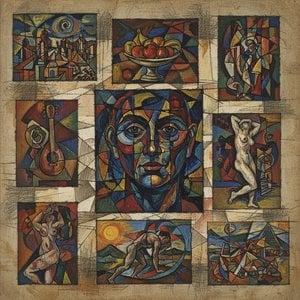
Cubismul Expresionist: 10 Capodopere Esențiale pentru Decoruri de Artă Rafinate | ArtsDot.ro
Descoperă cele mai importante 10 capodopere ale Cubismului Expresionist! Explorează poveștile lui Picasso, Braque și alți artiști revoluționari. Reproduceri de artă de calitate muzeală pentru un decor interior unic. ArtsDot.ro

Piesa Centrală: Impactul Psihologic și Estetic al unei Picturi Abstracte de Dimensiuni Mari asupra Compoziției Interioare
Descoperă impactul profund al picturilor abstracte mari asupra spațiului tău! Ghid expert pentru alegerea, dimensionarea și integrarea artistică perfectă. Calitate superioară & inspirație garantată.


