

 Trimite prin felicitare
 Distribuie
 Detalii despre lucrare
 Ghid
Ghid

 Descarcă imaginea
 Produse similare
 Galerie foto
 Întrebări și răspunsuri
 Statistici
Figure


 Vezi mai mult
Obțineți un fișier gata de imprimare care depășește cu mult calitatea previzualizării web. Fiecare imagine digitală pe care o vindem provine dintr-un master de înaltă rezoluție din baza noastră de date — având, de regulă, o lățime între 5.000 și 15.000 de pixeli — astfel încât să puteți printa în format mare, să decupați strâns sau să reproduceți detalii fine cu încredere.
Niciun fișier nu părăsește studioul nostru fără să fie tratat. Un expert digital verifică nuanțele de culoare în raport cu pictura originală și le corectează acolo unde este necesar, apoi îmbunătățește claritatea și detaliile folosind instrumente profesionale de retușare — rămânând întotdeauna fidel gestului pictural și stilului artistului. Rezultatul este o imagine care seamănă cu tabloul propriu-zis, nu cu o scanare filtrată.
Aprobați înainte de finalizare: expertul nostru vă va trimite imaginea prin e-mail în termen de 72 de ore pentru revizuire. Nu sunteți mulțumit? Solicitați îmbunătățiri sau corecturi, ori cereți o restituire a plății dacă calitatea nu este pe măsura așteptărilor.
Aceasta este calitatea pe care se bazează editorii, studiourile de design, galeriile și tipăriturile.
Imagine Digitală
Descărcați un fișier la rezoluție înaltă pentru afișare personală, imprimare și proiecte creative. ( Comută pe versiunea Print Comandă pictură realizată manual)
Inclus în fiecare comandă de imagini digitale
Livrare digitală de expertiză, garantată
Când alegeți ArtsDot.com, nu primiți doar o simplă imagine – primiți o operă de artă digitală îmbunătățită profesional, creată cu precizie și susținută de o garanție de satisfacție. Iată tot ceea ce primești odată cu comanda ta, în mod automat:

Livrare rapidă prin e-mail
Fișierul imaginii digitale la rezoluție înaltă vă va fi trimis prin e-mail în termen de 72 de ore de la finalizarea comenzii – gata pentru utilizare imediată.

Fișier digital optimizat prin IA
Opera ta de artă este optimizată profesional prin intermediul unor instrumente AI avansate și al editării manuale, asigurând un nivel maxim de detalii, claritate și acuratețe a culorilor.

Retransmitere gratuită pe viață
Ai șters sau ai pierdut din greșeală fișierul? Nu îți face griji – ți-l vom retrimite oricând, gratuit.

Fără taxe de import – Întotdeauna
Bucură-te instant de noua ta operă de artă, fără taxe vamale, taxe de import sau costuri de livrare – descărcările digitale sunt întotdeauna fără taxe.

Garanția acurateții culorilor
Asigurăm o reflectare cât mai fidelă a culorilor originale în imaginea ta digitală, prin utilizarea unor instrumente profesionale și a proceselor de gestionare a culorii.

Garanție de satisfacție de 100 de zile
Dacă nu sunteți mulțumit de imaginea digitală achiziționată, o vom revizui sau vă vom returna 100% în termen de 100 de zile – fără nicio întrebare.

Garanție de returnare 100% a banilor
Nu ești mulțumit? Primești rambursarea integrală în termen de 100 de zile de la primirea fișierului digital – fără nicio întrebare.

Reduceri pentru comenzi în volum
Cumpără 3 imagini, economisește 10% - Cumpără 5, economisește 15% - Cumpără 10+, economisește 20%. Ideal pentru proiecte creative, galerii și agenții.
A Fragmented Vision of Humanity
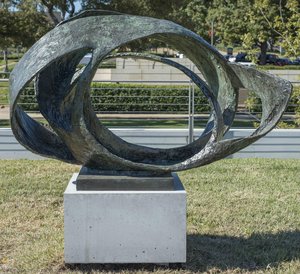
Jacques Lipchitz's "Figure," sculpted in 1930, stands as a profound testament to the transformative power of Cubism and its enduring fascination with exploring the fundamental concepts of form and perception. This bronze masterpiece transcends mere representation; it invites a deep, meditative contemplation on the very essence of human existence through a deliberately abstracted aesthetic. In an era defined by rapid societal shifts, Lipchitz utilized a fragmented language to capture the complexity of the modern soul. The sculpture presents a captivating interplay of geometric precision and organic fluidity, where the human form is not merely depicted but reconstructed through a lens of intellectual rigor and emotional depth.
The composition is a masterclass in the Cubist approach, pioneered by luminaries such as Picasso and Braque. Rather than striving for a realistic or anatomical depiction, Lipchitz dismantles the human figure into interlocking planes, presenting multiple viewpoints simultaneously. The head is rendered with striking simplicity—two oval eyes positioned above a small, triangular nose—which disrupts traditional notions of facial harmony to create a sense of enigmatic presence. Below this stylized visage, undulating vertical forms intersect with curved openings, creating a rhythmic tension between movement and stillness. This structural complexity ensures that the viewer's eye is constantly traveling across the surface, discovering new contours and depths within the bronze.
The Alchemy of Bronze and Form
The materiality of the piece is essential to its enduring impact. The choice of bronze allows for an exquisite level of detail and a rich, tactile quality that stone or wood could not achieve. Through the intricate process of bronze casting, Lipchitz was able to capture subtle variations in surface texture, from the sharp, clean edges of his geometric planes to the softer, more rounded contours of the figure's limbs. The rough, uneven patina resulting from natural oxidation lends the sculpture an ancient, weathered character, suggesting a sense of permanence and historical weight. This textured surface catches the light in a way that emphasizes the sculpture's three-dimensionality, making it a dynamic object that changes appearance depending on the surrounding illumination.
For the discerning collector or interior designer, "Figure" offers an unparalleled opportunity to introduce a piece of art history into a contemporary space. The sculpture’s neutral, earthy tones and sophisticated silhouette allow it to integrate seamlessly into various high-end environments, from minimalist modern galleries to richly textured classical studies. It serves as a powerful focal point, commanding attention through its structural integrity and the quiet strength of its presence. Owning a high-quality reproduction of this work is not merely about acquiring an object; it is about bringing a piece of the avant-garde revolution into one's personal sanctuary, fostering an atmosphere of intellectual curiosity and timeless elegance.
Întrebări și răspunsuri
În ce tehnică este realizată lucrarea "Figure" de Jacques Lipchitz?
Jacques Lipchitz a utilizat tehnica Bronze pentru "Figure". Tehnica definește natura materială a lucrării originale.
Ce subiect și ce atmosferă surprinde "Figure" de Jacques Lipchitz?
„Figure” surprinde sculpture, abstraction, bronze, geometric form, cubism style, human figure, texture, modern art, având o atmosferă Modern.
Unde pot găsi un ghid pentru "Figure"?
Ghidul pentru "Figure" reprezintă pagina de Fișă informativă a operei de artă – o fișă informativă imprimabilă care prezintă lucrarea împreună cu legenda sa, mențiunea de credit și tabelul de identificare (artist, date, tehnică, dimensiunea originală, colecție).
Opere similare




Biografie artist
O viață sculptată de schimbare: Călătoria lui Jacques Lipchitz
Născut sub numele de Chaim Jacob Lipschitz în anul 1891, în orașul lituanian Druskininkai, parcursul artistic al lui Jacques Lipchitz a fost unul dramatic modelat de deplasare și inovație. Primele sale ani de viață, înrădăcinați într-o familie evreiască Litvak, unde tatăl său lucra ca constructor, l-au îndreptat inițial spre studii de inginerie. Totuși, un spirit creativ înflorissant, încurajat de sprijinul mamei sale, l-a propulsat către Paris în 1909 – un oraș care atunci pulsa de revoluție artistică. S-a înscris la École des Beaux-Arts și la Académie Julian, scufundându-se în comunitățile vibrante din Montmartre și Montparnasse. În aceste cercuri a legat prietenii cu lumini precum Juan Gris, Pablo Picasso și Amedeo Modigliani – acest din urmă capturând faimos Lipchitz și pe soția sa, Berthe, într-un portret dublu plin de emoție. Aceste conexiuni timpurii au fost esențiale, punând bazele adoptării Cubismului de către Lipchitz, deși unul distinct temperat de propria sa sensibilitate.Cristalizarea formei: Lipchitz și sculptura cubistă
Lipchitz nu a tradus pur și simplă pictura în trei dimensiuni; el a sculptat Cubismul. Deși profund influențat de perspectivele fragmentate ale lui Picasso și Braque, Lipchitz a păstrat un grad remarcabil de figurativitate în opera sa până în jurul anului 1915-16. Sculpturile sale nu erau complet abstracte; ele sugerau forme recognoscibile, îmbibate cu o senzație de greutate emoțională. Aceasta a evoluat spre ceea ce s-a cunoscut sub numele de „Cubismul Cristal”, un stil caracterizat prin fațetare și transparență – o încercare de a captura multiple puncte de vedere simultan într-o singură formă. El a experimentat cu fragmentarea spațiului, creând compoziții dinamice care păreau să strălucească de o lumină interioară. Expoziția sa solo din 1920 la Galerie L'Effort Moderne a lui Léonce Rosenberg din Paris i-a consolidat poziția de figură de prim-plan a Școlii de la Paris și a prezentat acest limbaj sculptural unic. Lucrări precum „Arlequin cu clarinetul” exemplifică această perioadă, prezentând forme fragmentate care reușesc totuși să transmită o senzație de energie jucăușă și prezență umană. El nu doar deconstruia forma; el o reconstruia conform unei noi logici vizuale.Exil și reinventare: O lume nouă, o viziune reînnoită
Umbra amenințătoare a celui de-al Doilea Război Mondial a forțat o schimbare profundă în viața lui Lipchitz. Pe măsură ce regimul nazist își strângea stăpânirea asupra Franței, iar persecuția evreilor se intensifica, a fost nevoit să fugă din patria sa adoptată. Cu ajutorul neprețuit al jurnalistului american Varian Fry în Marsilia, a evadat în Statele Unite, stabilindu-se în cele din urmă în New York și ulterior în Hastings-on-Hudson. Această relocare nu a fost doar o schimbare geografică; a marcat un punct de cotitură în traiectoria sa artistică. În timp ce continua să exploreze principiile cubiste, opera lui Lipchitz a început să ia dimensiuni noi, reflectând trauma exilului și o implicare tot mai mare în teme existențate. El a creat sculpturi monumentale precum „Nașterea Muzei” (1944-1950), comisă în memoria lui Jerome Wiesner, care au demonstrat măiestria sa în bronz și capacitatea de a transmite o emoție profundă prin forme abstracte.Reflecții târzii: Credință, moștenire și o retragere toscană
În anii săi de la următoare, Lipchitz a experimentat o conexiune tot mai profundă cu credința sa evreiască, îmbrățișând observanța religioasă cu un fervor reînnoit – studiind chiar zilnic și purtând tefillin la îndemul Rebbe-ului Lubavitcher, Rabbinul Menachem Schneerson. Această trezire spirituală i-a infuzat opera cu un nou strat de semnificație. S-a întors frecvent în Europa, găsind consolare și inspirație în Pietrasanta, Italia, unde a legat o prietenie strânsă cu confrul său sculptor, Fiore de Henriquez. Autobiografia sa, scrisă împreună cu H. Harvard Arnason și publicată în 1972, alături de o expoziție la Metropolitan Museum of Art, a oferit o reflecție emoționantă asupra vieții și călătoriei sale artistice. Jacques Lipchitz a decedat în Capri, Italia, în 1973, însă rămășițele sale au fost aduse la Ierusalim pentru înmormântare – o dovadă a conexiunii sale profunde cu moștenirea sa. Vila sa toscană, Bozio, servește acum ca un tabăr de vară evreiesc, asigurându-se că moștenirea sa continuă să inspire generațiile viitoare. El a lăsat în urmă nu doar o colecție remarcabilă de sculpturi, ci și un exemplu puternic de reziliență artistică și de spirit uman nemuritor.
Jacques Lipchitz
1891 - 1973 , Lituania
Detalii rapide
- Artistic Movement Or Style: Cubism, Cubism de Cristal
- Artists Who Influenced This Artist:
- Pablo Picasso
- Juan Gris
- Date Of Birth: 1891
- Date Of Death: 1973
- Full Name: Jacques Lipchitz
- Nationality: Lituano-Francez-American
- Notable Artworks:
- Acrobat călare
- Instrumente muzicale
- Chitaristul
- Pierrot
- Arlechin cu clarinet
- Om cu chitară
- Nașterea muzelor
- Place Of Birth: Druskininkai, Lituania