


 Previzualizare
 Trimite prin felicitare
 Distribuie
 Detalii despre lucrare
 Ghid
Ghid

 Descarcă imaginea
 Produse similare
 Radiografie
 Galerie foto
 Statistici
Visitation
 Oil On Panel
- Early Netherlandish
 1434
1434 57.0 x 52.0 cm
 Muzeele Statale din Berlin
 Vezi mai mult
Reproducere pictată manual în ulei
Pictură în ulei pe pânză, pictată manual de artiștii noștri la dimensiunea și ramele dorite de dumneavoastră, pe comandă. ( Comută pe versiunea Print Comută pe Imagine Digitală)




P118B lei10

P118H lei10

P118W lei10

P438Z lei10

P508JH lei12

P508YH lei12

P805H lei10

P805Z lei10

P919BZ lei10

P919G lei10

P919XJ lei10

P959ZH lei10

P968JZ lei12

W106C lei8

W218G lei10

W218JH lei8

W218Y lei10

W307PJ lei10

W316G lei10

W316PJ lei8

W316Y lei10

W398PJ lei8

W4111J lei10

W500HY lei15

W500JH lei15

W692G lei12

W849H lei8

W940BG lei15

W953PJ lei8




Alegeți dintre dimensiunile noastre prestabilite, care respectă proporțiile originale ale operei de artă.

Introduceți lățimea și înălțimea necesare pentru a se potrivi ramei sau peretelui dumneavoastră. Această lucrare este pictată manual, așa că, pentru o dimensiune cu o formă diferită, artistul poate picta puțin mai mult în jurul imaginii sau poate tăia puțin din margini — dumneavoastră decideți. Vă vom trimite o simulare digitală pentru aprobare înainte de a începe pictarea. Imaginea afișată pe această pagină nu reprezintă rezultatul real — doar simularea este reprezentativă.
După plasarea comenzii, echipa ArtsDot.com va contacta clientul prin e-mail pentru instrucțiuni și îi va furniza o previzualizare a machetei
Livrare în întreaga lume () în 3-4 săptămâni, în loc de cele 5 săptămâni standard. (27 Octombrie). Fără compromisuri în ceea ce privește calitatea.

Livrare expres gratuită la nivel mondial

Pânză de in de înaltă calitate

Asigurare completă pentru transport

Garanție de rambursare a taxelor vamale

Garanția fidelității culorilor

Politica de retur în 100 de zile (doar pentru defecte de fabricație)

Garanție de rambursare 100%

Ofertă pentru comenzi multiple
 Opțiunea cu sticlă este disponibilă doar pentru dimensiuni de sub 110 cm

Visitation
Tehnică de reproducere
Dimensiune reproducere
-


Preț total calculat
lei 1449
A Moment of Grace: Jacques Daret’s “Visitation”
Jacques Daret's "Visitation," painted in 1434-35 during the vibrant artistic milieu of Arras, Belgium, is more than just a religious depiction; it’s a masterclass in Early Netherlandish realism and a poignant meditation on faith, family, and divine grace. This panel painting, now housed within the Gemäldegalerie in Berlin, offers a remarkably intimate glimpse into a pivotal moment from Luke's Gospel – the visit of Mary to Elizabeth, foretelling the birth of John the Baptist. Daret’s skill lies not merely in his technical proficiency but in his ability to imbue this biblical narrative with an almost palpable sense of serenity and profound spiritual significance.
The composition is meticulously balanced, reflecting the influence of Robert Campin, Daret's acknowledged master. The central figures – Mary and Elizabeth – are positioned within a carefully constructed architectural setting, a modest room suggesting domestic tranquility. Daret’s use of linear perspective, though subtly applied, creates a sense of depth and spatial awareness uncommon for the period. Geometric shapes—rectangles defining the walls, ovals forming the faces—are rendered with an astonishing level of detail, showcasing the artist's command of form and his dedication to precise observation. The color palette is restrained yet luminous; rich reds and blues dominate Mary’s garments, contrasting beautifully with the muted tones of Elizabeth’s robes, drawing the viewer’s eye to the central interaction.
The Language of Symbolism
Beyond its formal qualities, “Visitation” is laden with symbolic meaning. The halo above Mary's head immediately signifies her divine status and role as the mother of God. Elizabeth’s hand resting gently on Mary’s arm symbolizes mutual support and blessing – a visual representation of the spiritual connection between these two women. The staff held by the monk, subtly included in the background, serves as a reminder of his vocation and the importance of religious devotion within the community. Even the landscape—a rolling, verdant vista—holds symbolic weight, representing the earthly realm from which this miraculous event unfolds.
The inclusion of the angel, hovering discreetly above, reinforces the divine intervention at play. Its wings are rendered with a delicate grace, and its expression conveys both reverence and anticipation. The gesture of blessing – a raised hand – further emphasizes the sacred nature of the encounter. Daret’s careful attention to these details elevates the painting beyond a simple illustration of a biblical story; it becomes a visual poem exploring themes of faith, lineage, and divine providence.
Technique and Materials
Daret's mastery is evident in his meticulous application of oil paint on panel. The technique employed—extensive layering and glazing—creates an astonishingly smooth surface, rich with subtle color variations and luminous highlights. The artist skillfully manipulated light to sculpt the figures’ forms, emphasizing their volume and creating a sense of three-dimensionality. Close examination reveals the painstaking process involved in building up these layers of paint, each brushstroke contributing to the overall effect of depth and realism.
The use of gold leaf—particularly in the halo and the angel's garments—adds a touch of opulence and further enhances the painting’s spiritual aura. The panel itself, likely made of poplar wood, provides a stable foundation for this intricate work. Daret’s commitment to quality materials and his refined technique are testaments to his artistic skill and dedication.
A Window into the 15th Century
"Visitation" offers a valuable window into the artistic and cultural landscape of 15th-century Flanders. It exemplifies the growing influence of Early Netherlandish painting, characterized by its realism, attention to detail, and profound psychological insight. Daret’s work stands alongside that of other masters of the period—Robert Campin, Rogier van der Weyden, and Jan van Eyck—contributing to a rich artistic tradition that continues to inspire artists today. Reproductions of this captivating artwork capture not only its visual beauty but also the profound spiritual message at its heart.
Întrebări și răspunsuri
Există o prezentare de diapozitive pentru "Visitation" de Jacques Daret?
"Visitation" de Jacques Daret poate fi vizualizată sub formă de diaporama pe pagina dedicată operei, Galerie foto.
În ce etapă a carierei lui Jacques Daret se încadrează „Visitation” (1434)?
Având în vedere data de 1434, „Visitation” aparține perioadei Early Netherlandish a lui Jacques Daret.
Ce atmosferă conferă "Visitation" de Jacques Daret unui interior?
"Visitation" de Jacques Daret emană o atmosferă Calm și este recomandată pentru o Living Room. Întreaga dispoziție este ceea ce lucrarea aduce în spațiul din jurul său.
Opere similare


Articole similare
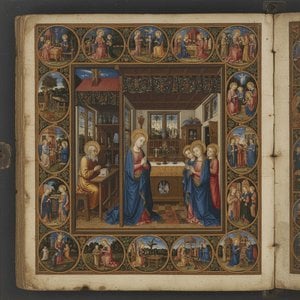
Robert Campin: Pioneering Realism & Spiritual Depth in Early Netherlandish Painting
Explore the revolutionary work of Robert Campin, a pioneer of Early Netherlandish painting. Discover his naturalistic style, religious symbolism in masterpieces like the Mérode Altarpiece, and lasting influence on art history.

Top 10 Capodopere ale Picturii Netherlandeze Timpurii: Frumusețe și Simbolism pentru Decorul Tău
Descoperă top 10 capodopere ale picturii netherlandeze timpurii! Jan van Eyck, Robert Campin și alți maeștri renascentiști. Află poveștile din spatele simbolismului bogat și tehnicilor inovatoare. Reproduceri de artă de calitate muzeală pe ArtsDot.com.
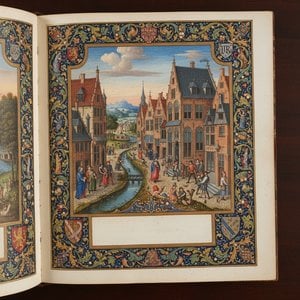
Illuminating Realism: Early Netherlandish Painting (15th-16th Centuries)
Explore the captivating world of Early Netherlandish painting! Discover Jan van Eyck, Hans Memling & more. Uncover symbolism, techniques & the legacy of these Flemish masters. A comprehensive guide for art enthusiasts.

Illuminating Realism: Early Netherlandish Painting (15th-16th Centuries)
Explore the captivating world of Early Netherlandish painting (15th-16th centuries). Discover Jan van Eyck, Hans Memling & more. Uncover revolutionary techniques and hidden symbolism in this definitive guide.

Illuminating Realism: A Comprehensive Exploration of the Early Netherlandish Renaissance Movement
Explore the captivating world of Early Netherlandish painting! Discover Jan van Eyck & other Flemish masters, their revolutionary techniques, hidden symbolism, and lasting legacy. A comprehensive guide for art enthusiasts.