


 Vezi în context
 Trimite
 Distribuie
 Detalii
 Ghidul

 Descarcă
 Produse similare
 Radiografie
 Diaporama
 Statistici
Toyota Ipsum


 Citește mai mult
Lucrarea de artă afișată pe această pagină este protejată de legile privind drepturile de autor, ceea ce înseamnă că nu putem crea sau vinde în mod legal o reproducere identică. Această protecție este garantată prin acorduri internaționale, precum Convenția de la Berna și de legile naționale, inclusiv cele prevăzute de Legea dreptului de autor din S.U.A. – Titlul 17. Toate drepturile rezervate. Orice reproducere neautorizată este interzisă.
Ca alternativă respectuoasă și legală, oferim tablouri pictate manual, personalizate, inspirate de original. Artistii noștri experimentați și profesioniști studiază cu atenție stilul, starea de spirit și esența artistică a originalului pentru a crea o piesă nouă și unică, care evocă aceeași emoție – rămânând, în același timp, o creație originală în sine.
Această metodă respectă pe deplin reglementările privind drepturile de autor, deoarece nu implică copierea sau duplicarea operei protejate. În schimb, este o reinterpretare creativă – o pictură nouă, influențată de original, dar care nu este identică cu acesta.
Reproducere pictată manual în ulei
Pictură în ulei pe pânză, realizată manual de artiștii noștri la dimensiunea și ramele dorite de dumneavoastră, pe comandă. ( Comută pe versiunea Print Treci la imagine digitală)




P118B lei10

P118H lei10

P118W lei10

P438Z lei10

P508JH lei12

P508YH lei12

P805H lei10

P805Z lei10

P919BZ lei10

P919G lei10

P919XJ lei10

P959ZH lei10

P968JZ lei12

W106C lei8

W218G lei10

W218JH lei8

W218Y lei10

W307PJ lei10

W316G lei10

W316PJ lei8

W316Y lei10

W398PJ lei8

W4111J lei10

W500HY lei15

W500JH lei15

W692G lei12

W849H lei8

W940BG lei15

W953PJ lei8




Alegeți dintre dimensiunile noastre prestabilite, care respectă proporțiile originale ale operei de artă.

Introduceți lățimea și înălțimea de care aveți nevoie, pentru a se potrivi ramei sau peretelui dumneavoastră. Această lucrare este pictată manual, așa că pentru o dimensiune cu o formă diferită, artistul poate picta puțin mai mult în jurul imaginii sau poate tăia puțin din margini — dumneavoastră decideți. Vă vom trimite o simulare digitală pentru aprobare înainte de a începe pictarea. Imaginea afișată pe această pagină nu reprezintă rezultatul real — doar simularea este reprezentativă.
După plasarea comenzii, echipa ArtsDot.com va contacta clientul prin e-mail pentru instrucțiuni și îi va furniza o previzualizare a machetei
Livrare în întreaga lume () în 3-4 săptămâni, în loc de cele 5 săptămâni standard. (22 Octombrie). Fără compromisuri în ceea ce privește calitatea.

Livrare expres gratuită la nivel mondial

Pânză de in premium

Asigurare completă pentru transport

Garanție de rambursare a taxelor vamale

Garanția fidelității culorilor

Politica de retur în 100 de zile (doar pentru defecte)

Garanție de rambursare 100%

Reducere pentru comenzi multiple
 Opțiunea cu sticlă este disponibilă doar pentru dimensiuni de sub 110 cm

Toyota Ipsum
Tip de reproducere
Dimensiune reproducere
-


Preț total
lei 1217
Întrebări și răspunsuri
Sub ce alte nume este cunoscut/ă Ishida Tetsuya?
Ishida Tetsuya este cunoscut și sub numele de Tetsuya Ishida.
În ce etapă a carierei lui Ishida Tetsuya se încadrează "Toyota Ipsum", având în vedere data sa de execuție?
Data din 1996 plasează "Toyota Ipsum" în Contemporary dezvoltării lui Ishida Tetsuya.
Care este nuanța dominantă în "Toyota Ipsum" de Ishida Tetsuya?
"Toyota Ipsum" tinde spre o nuanță de Amber to Saffron.
Opere similare


Biografie artist
A Haunting Vision of Modern Japan: The Life and Art of Tetsuya Ishida
Tetsuya Ishida, born in 1973 in Yaizu, Shizuoka Prefecture, emerged as a singular voice within the Japanese contemporary art scene—a voice tragically silenced by his untimely death in 2005. His paintings are not merely depictions of life in late-20th and early-21st century Japan; they are unsettling allegories of isolation, consumerism, and the anxieties that permeated a nation grappling with economic stagnation and societal shifts. Ishida’s work quickly garnered attention for its hyperrealistic style, yet it was the surrealist integration of human figures into everyday objects—machinery, architecture, even animal forms—that truly captivated and disturbed viewers. He offered a glimpse into a world where the boundaries between self and environment blurred, reflecting a profound sense of alienation in an increasingly technological age.- Early Influences & Artistic Awakening: Ishida’s path to becoming an artist was sparked by early exposure to Social Realist art, particularly the illustrations of Ben Shahn. An exhibition of Shahn's work in Yaizu when Ishida was just a child proved pivotal, especially images depicting the aftermath of the Lucky Dragon Incident—a nuclear fallout tragedy that deeply affected him. This encounter instilled a desire to use art as a vehicle for social commentary, a theme that would remain central throughout his career. Even during his youth, he actively participated in creative contests, submitting works focused on human rights and anti-bullying themes, foreshadowing the mature concerns of his later paintings.
- Education & Early Career: Ishida pursued formal art training at Musashino Art University in Tokyo after graduating from Shizuoka Prefectural Yaizu Central High School. Following graduation, he dedicated himself to painting, rapidly establishing a presence within the vibrant Ginza gallery scene. His work quickly distinguished itself through its meticulous detail and unsettling subject matter.
The Lost Generation & The Language of Anxiety
Ishida’s artistic development was inextricably linked to his experience as a member of Japan's “Lost Generation”—those who came of age during the economic recession of the 1990s. This period, marked by high unemployment and social uncertainty, profoundly shaped his worldview and found direct expression in his art. His paintings often feature young men—expressionless or melancholic—fused with inanimate objects, suggesting a loss of identity and agency within a technologically driven society. The integration of bodies into machinery isn’t simply about depicting the physical environment; it's a metaphor for being consumed by work, trapped within systems beyond individual control. “Toyota Ipsum” (1997), one of his most iconic works, exemplifies this theme. A young man is seamlessly incorporated into the interior of a car, becoming part of the vehicle itself—a haunting commentary on consumer culture and the dehumanizing aspects of modern life. Similarly, paintings like “Rise and Shine” (1997), depict figures melded with dump trucks, evoking feelings of isolation and urban decay. These aren’t scenes of futuristic dystopia; they are reflections of a present reality—a bleak outlook on the near-future where individuals feel increasingly disconnected from their surroundings and each other.Themes & Symbolism: Isolation, Consumerism, and Urban Banality
The recurring motifs in Ishida's work speak to a deeper exploration of societal anxieties. The human body, often fragmented or distorted, represents vulnerability and loss of self. Everyday objects—appliances, buildings, industrial machinery—become symbols of consumerism and the overwhelming presence of technology. His paintings frequently depict figures trapped within these structures, unable to escape their confines. The urban landscape itself is rendered with a sense of coldness and alienation. Buildings are often faceless and imposing, reflecting the anonymity of modern city life. The integration of animal forms—crabs, seahorses—adds another layer of symbolism, suggesting a primal connection to nature that has been lost in the face of technological advancement. Ishida’s use of hyperrealism is not about celebrating beauty; it's about creating an unsettling sense of verisimilitude—forcing viewers to confront the uncomfortable realities he depicts.Legacy & Historical Significance
Despite his tragically short career, Tetsuya Ishida left an indelible mark on contemporary art. His work resonated with a generation grappling with similar anxieties and continues to captivate audiences today. He was among the first artists to gain recognition in Christie’s auction of East Asian avant-garde art alongside Takashi Murakami in 1998, solidifying his position within the Japanese art world. Ishida's paintings offer a poignant critique of modern society—a warning about the dangers of unchecked consumerism, technological dependence, and the loss of individual identity. His work is often compared to that of artists like Edward Hopper, known for their depictions of urban alienation, but Ishida’s unique blend of surrealism and hyperrealism sets him apart. In recent years, there has been a renewed interest in his art, with major exhibitions showcasing his work to wider audiences. The Gagosian Gallery's 2023 exhibition, “My Anxious Self,” marked the artist’s New York solo debut—a testament to his enduring legacy and the timeless relevance of his haunting vision. Ishida’s paintings serve as a powerful reminder of the human cost of progress and the importance of preserving our connection to ourselves and the world around us.
Ishida Tetsuya
1973 - 2005 , Japan
Informații rapide
- Full Name: Tetsuya Ishida
- Nationality: Japanese
- Date Of Birth: 1973
- Date Of Death: 2005
- Place Of Birth: Yaizu, Japan
- Notable Artworks:
- Toyota Ipsum
- Rise and Shine
- Artistic Movement Or Style: Surrealism, Hyperrealism
- Artists Who Influenced This Artist: ['Ben Shahn']
Articole conexe

Léonard Foujita: A Poetic Synthesis of Japanese Sensibility & European Modernism
Discover the captivating world of Léonard Foujita, a master bridging Japanese aesthetics & European Modernism. Explore his signature style, diverse works, and enduring legacy – essential reading for discerning art collectors.

Floating World: The Captivating Art and Legacy of Japanese Ukiyo-e
Explore the profound beauty of Japanese Ukiyo-e. Discover the history, masters like Hokusai, and the enduring legacy of the 'Floating World' through an expert art-historical lens.
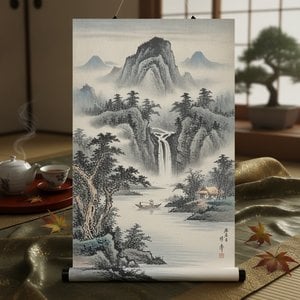
Serenity on Canvas: A Guide to the Timeless Beauty of Japanese Landscape Painting
Discover the serene beauty of Japanese landscape painting. From Hokusai's iconic woodblock prints to meditative sumi-e ink washes, explore a visual journey through the 'floating world' and learn how to bring this timeless Zen aesthetic into your modern home decor.

Japonisme: How Japanese Woodblock Prints Revolutionized Western Art
Explore the profound impact of Japonisme on Western art. Discover how Japanese ukiyo-e woodblock prints revolutionized perspective, color, and composition for masters like Monet and Van Gogh, forever changing the course of modern art history.

Katsushika Hokusai: Cele Mai Iubite 25 de Opere de Artă – Inspirație pentru Decorul Casei Tale
Descoperă cele mai frumoase 25 de opere de artă semnate de Katsushika Hokusai, maestru ukiyo-e. Explorează istoria valului Kanagawa și a picturilor japoneze iconice. Reproduceri de calitate muzeală pentru decorul casei tale pe ArtsDot.com!