

- 640.0 x 400.0 cm


Imaginea respectă alegerile tale: , .
Descriere obiect de colecție
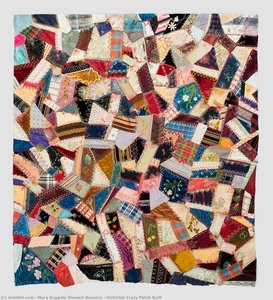
Explore Ibrahim Mahama’s ‘Chaley Wote,’ a monumental textile patchwork artwork – a vibrant celebration of craftmanship & global themes. A striking piece for art collectors.
Biografie artist
Ibrahim Mahama este un artist ghanian renumit pentru instalații monumentale din obiecte reciclate, explorând globalizarea, migrația și temele postcoloniale. Lucrările sale provoacă percepțiile despre valoare și spațiu, oferind o perspectivă unică asupra istoriei și culturii africane.
 Vezi mai mult
Reproducere pictată manual în ulei
Pictură în ulei pe pânză, pictată manual de artiștii noștri la dimensiunea și ramele dorite de dumneavoastră, pe comandă. ( Comută pe versiunea Print Comută pe Imagine Digitală)
Această lucrare este protejată de drepturile de autor
Lucrarea de artă afișată pe această pagină este protejată de legile privind drepturile de autor, ceea ce înseamnă că nu putem crea sau vinde în mod legal o reproducere identică. Această protecție este garantată prin acorduri internaționale, precum Convenția de la Berna și de legile naționale, inclusiv cele prevăzute de Legea dreptului de autor din S.U.A. – Titlul 17. Toate drepturile rezervate. Orice reproducere neautorizată este interzisă.
Ca alternativă respectuoasă și legală, oferim tablouri pictate manual, personalizate, inspirate de original. Artistii noștri experimentați și profesioniști studiază cu atenție stilul, starea de spirit și esența artistică a originalului pentru a crea o piesă nouă și unică, care evocă aceeași emoție – rămânând, în același timp, o creație originală în sine.
Această metodă respectă pe deplin reglementările privind drepturile de autor, deoarece nu implică copierea sau duplicarea operei protejate. În schimb, este o reinterpretare creativă – o pictură nouă, influențată de original, dar care nu este identică cu acesta.
Mai multe detalii despre această pictură
 Previzualizare
 Trimite prin felicitare
 Distribuie
 Detalii despre lucrare
 Ghid
Ghid

 Descarcă imaginea
 Produse similare
 Radiografie
 Galerie foto
 Întrebări și răspunsuri
 Statistici
Comandați tabloul dumneavoastră în patru pași simpli
Nu vă grăbiți. Puteți modifica orice răspuns; prețul din coșul de comandă se actualizează în funcție de fiecare alegere.
1 Pasul unu din patru
Ce dimensiune doriți?
Aceste dimensiuni păstrează proporțiile tabloului original. Ilustrația prezintă alegerea dumneavoastră pe un perete, deasupra unei canapele de doi metri.
Sau introduceți propriile dimensiuni
Alegeți dintre dimensiunile noastre prestabilite, care respectă proporțiile originale ale operei de artă.

Introduceți lățimea și înălțimea necesare pentru a se potrivi ramei sau peretelui dumneavoastră. Această lucrare este pictată manual, așa că, pentru o dimensiune cu o formă diferită, artistul poate picta puțin mai mult în jurul imaginii sau poate tăia puțin din margini — dumneavoastră decideți. Vă vom trimite o simulare digitală pentru aprobare înainte de a începe pictarea. Imaginea afișată pe această pagină nu reprezintă rezultatul real — doar simularea este reprezentativă.
2 Pasul doi din patru
Cum ar trebui pregătită: rulată, întinsă pe pânză sau înramată?
Prețurile de mai jos sunt pentru dimensiunea aleasă la primul pas.
Alege marginile tabloului pe pânză întinsă
Alege cadrul tău

Alb lei1

Margini difuze lei1

Extins lei1

P118B lei10

P118H lei10

P118W lei10

P438Z lei10

P508JH lei12

P508YH lei12

P805H lei10

P805Z lei10

P919BZ lei10

P919G lei10

P919XJ lei10

P959ZH lei10

P968JZ lei12

W106C lei8

W218G lei10

W218JH lei8

W218Y lei10

W307PJ lei10

W316G lei10

W316PJ lei8

W316Y lei10

W398PJ lei8

W4111J lei10

W500HY lei15

W500JH lei15

W692G lei12

W849H lei8

W940BG lei15

W953PJ lei8

H24-GOLD lei30

H24-SILVER lei30

H36-GOLD lei45

H36-SILVER lei45
Înramat
Ramă: . Dimensiuni cu ramă: .
3 Pasul trei din patru
Doriți să modificați ceva în tabloul respectiv?
Majoritatea oamenilor răspund negativ. Deoarece fiecare pictură este realizată manual, artistul nostru poate adapta lucrarea și pentru dumneavoastră.
După plasarea comenzii, echipa ArtsDot.com va contacta clientul prin e-mail pentru instrucțiuni și va furniza o previzualizare (mockup)
4 Pasul patru din patru
Câteva opțiuni de finisare
Toate sunt opționale. Răspunsurile deja selectate nu implică costuri suplimentare.
Cine este autorul?
Livrare în întreaga lume () în 3-4 săptămâni, în loc de cele 5 săptămâni standard. (3 Noiembrie). Fără compromisuri în ceea ce privește calitatea.
O plăcuță de identificare, ca la muzeu?
Detalii plăcuță din bronz gravat
This elegant plaque features the artist's name and the title of the artwork, finely engraved for a timeless presentation.
It is made from bronze with a refined, elegant finish. The text is precisely laser-engraved for a sharp and permanent result. Measuring 9x2 cm, the plaque is compact yet easy to read. It's built to be durable and scratch-resistant, offering a professional, museum-quality look. Mounting is simple thanks to the included adhesive backing.
Detalii plăcuță din acril transparent
The plaque includes essential engraved details such as the artist's name, the title of the artwork, the date it was created, the type of media used-like oil on canvas or watercolor-a brief description of the piece, and a QR code that links to the complete artwork information.
It is crafted from clear acrylic, offering a sleek, modern appearance. The text is UV-engraved in black to ensure strong visual contrast. With a size of 10x15 cm, it ensures optimal readability. It comes equipped with two metal hooks for secure wall mounting. The plaque is designed to be weather-resistant, making it suitable for various environments, and it includes interactive features that work seamlessly with smartphone scanning.
Detalii placă din acril negru
This elegant plaque includes engraved information such as the artist's name, the title of the artwork, the date it was created, the type of media used (like oil on canvas or watercolor), a short description of the artwork, and a QR code for quick access to more information.
The plaque itself is made from refined black acrylic with a premium finish. The text is laser-engraved in white for high contrast and readability. Its size is 10x15 cm, designed to be easy to read. It comes with two metal hooks for professional mounting. The design is sleek and fits any interior style. It is also weather-resistant and durable, with built-in digital integration for mobile compatibility.
Un lac protector?
Când aveți nevoie de el?
✓ Verifică și comandă
Tabloul tău, exact așa cum l-ai comandat

Chaley Wote
Tehnică de reproducere
Dimensiune reproducere
-

Selecție de artiști de elită
Mai multe detalii, rafinament și timp suplimentar de execuție
-

Ramă pentru reproducere artistică
-
-
Pentru opere de artă sau reproduceri care depășesc 105 cm (aproximativ 41 de inch) pe oricare dintre laturi, cadrul va fi livrat demontat, sub formă de kit. Această metodă asigură o livrare sigură și previne deteriorarea în timpul transportului.
Este necesară asamblarea profesională – acest produs nu este de tip DIY (de făcut singur).
Kitul trebuie asamblat, iar pânza întinsă, de către un legător de cadre experimentat, utilizând adeziv pentru lemn (neinclus în colet), o cheie pentru întinderea pânzei și cleme pentru a menține barele la unghi drept în timp ce adezivul se usucă. Asamblarea incorectă sau tensiunea neuniformă a pânzei pot deteriora permanent opera de artă și nu sunt acoperite de garanția noastră.
 Pentru opere de artă sau reproduceri care depășesc 105 cm (aproximativ 41 de inch) pe oricare dintre laturi, cadrul va fi livrat demontat, sub formă de kit. Această metodă asigură o livrare sigură și previne deteriorarea în timpul transportului.
Toate barele din lemn masiv sunt incluse, tăiate cu precizie la dimensiunea necesară.
Asamblat cu șuruburile incluse, plus adeziv pentru lemn pentru îmbinările de colț, care nu este furnizat și trebuie achiziționat de către tâmplarul dumneavoastră.
Sunt necesare unelte profesionale care nu sunt incluse: o șipte de întindere a pânzei (tensionator) și cleme pentru a menține barele la unghi drept în timp ce adezivul se usucă.
Important:
Îmbinările de colț necesită adeziv pentru lemn, barele trebuie fixate cu clești de strângere până când adezivul este complet uscat, iar întinderea pânzei pe cadrul asamblat necesită un clește pentru întins pânza. Niciunul dintre aceste elemente nu este inclus în kit. Vă rugăm să consultați un încadrator profesionist cu experiență înainte de a comanda această dimensiune.

Etichetă de prezentare
-
-

Lac de protecție
Lac lucios (intensifică nuanțele și oferă protecție împotriva luminii și a umidității)
-

Personalizează opera mea de artă
Exemple de elemente ce pot fi personalizate: Înlocuirea feței cu fotografia clientului; Adăugarea unui animal de companie (de exemplu, înlocuirea unei pisici cu un câine); Includerea unui mesaj ascuns în fundal; Modificarea peisajului sau a elementelor din fundal.
-

Livrare rapidă
Livrare la nivel mondial () în 3-4 săptămâni, în loc de cele 5 săptămâni standard. (3 Noiembrie). Fără compromisuri când vine vorba de calitate.
-
Livrare rapidă
Livrare la nivel mondial () în 5 săptămâni. (10 Noiembrie).
Inclus
Preț total calculat
lei 1252
Opțiunea cu sticlă este disponibilă doar pentru dimensiuni de sub 110 cm
Inclus în fiecare comandă
- Livrare expres gratuită la nivel mondial
- Pânză de in de înaltă calitate
- Asigurare completă pentru transport
- Garanție de rambursare a taxelor vamale
- Garanția fidelității culorilor
- Politica de retur în 100 de zile (doar pentru defecte de fabricație)
- Garanție de rambursare 100%
- Ofertă pentru comenzi multiple


Opere similare



Ibrahim Mahama
1987 - , Ghana
Biografie artist
A Tapestry of Time: The Life and Art of Ibrahim Mahama
Born in Tamale, Ghana, in 1987, Ibrahim Mahama emerges as a pivotal figure in contemporary art—an artist whose work resonates with the weight of history, the pulse of globalization, and the enduring spirit of collective memory. Growing up within a large, polygamous family profoundly shaped his artistic trajectory, instilling a collaborative ethos that permeates every facet of his practice. This upbringing wasn’t merely a personal experience; it became a foundational element in how he approaches creation—not as an isolated act, but as a communal endeavor. His father, a civil engineer deeply involved in road construction, sparked an early fascination with industrial materials and the complex systems of labor that underpin modern infrastructure. These formative influences would later coalesce into Mahama’s signature aesthetic: monumental installations crafted from repurposed objects, imbued with layers of meaning and social commentary—a deliberate rejection of traditional artistic conventions. From a young age, he was drawn to the stories embedded within discarded materials, recognizing their potential to speak volumes about trade, migration, and the legacies of colonialism. This sensitivity to history informs his artistic process at every level, from the selection of materials to the conceptual framing of his projects. He meticulously gathers jute sacks—once used to transport commodities like cocoa beans—bearing the marks of countless journeys across continents—transforming them into striking visual metaphors for global exchange and exploitation. These sacks become more than just objects; they are repositories of narratives—testimonies to labor, resilience, and cultural heritage. His formal education at Kwame Nkrumah University of Science and Technology (KNUST) in Kumasi – culminating in a PhD in Fine Art – provided him with the intellectual framework to explore these themes with increasing sophistication. Mentorship from educators like Kąrî'kạchä Seid'ou and the collective blaxTARLINES KUMASI further refined his artistic philosophy, grounding it in a critical engagement with post-colonial discourse and African modernism—a conscious effort to challenge dominant narratives and amplify marginalized voices. He actively seeks out collaborations with artisans from diverse backgrounds, fostering dialogue and promoting cultural understanding within his artistic practice.The Language of Found Objects
Mahama’s art is immediately recognizable for its distinctive material palette. He doesn’t seek pristine canvases or sculpted marble; instead, he finds beauty and significance in the discarded remnants of urban life—a deliberate aesthetic choice that underscores his commitment to sustainability and ethical sourcing. Jute sacks – once used to transport commodities like cocoa, now bearing the marks of countless journeys – are perhaps his most iconic medium. These sacks aren’t merely decorative elements; they represent a complex interplay between economic forces and human experience. He painstakingly stitches together these sacks with a team of collaborators—a practice that embodies Mahama’s belief in collective creativity and shared responsibility. The resulting patchwork quilts—often draped over architectural structures—become immersive environments that invite contemplation and provoke dialogue about issues of social justice and environmental stewardship. His technique is equally compelling: sewing, patching, layering these materials to create textured surfaces that invite tactile exploration and visual contemplation. This process isn’t simply about aesthetic arrangement; it's an act of excavation, a way of unearthing hidden narratives and giving voice to marginalized histories—a reflection of his broader artistic mission. He describes his practice as “time travel,” a journey into the past through the tangible remnants of human activity—a profound understanding of how material culture shapes our perceptions of history and identity.Themes of Globalization and Collective Memory
At the heart of Mahama’s artistic vision lies a deep engagement with the complexities of globalization, migration, and post-colonialism—themes that permeate his oeuvre across various mediums including sculpture, painting, photography and performance. His installations often explore the dynamics of trade, highlighting the inequalities inherent in global economic systems. The jute sacks, for example, serve as potent symbols of commodity exchange, reminding viewers of the human labor and historical forces that underpin our consumer culture—a critical interrogation of dominant narratives and a celebration of cultural diversity. He doesn’t shy away from confronting difficult truths about exploitation, displacement, and the enduring legacies of colonial power—yet his work is simultaneously infused with optimism and resilience—affirming the transformative potential of art to inspire social change. His monumental installations—such as *Purple Hibiscus*, which covered the Barbican Centre in London—are conceived as spaces for dialogue—inviting viewers to reflect on their own relationship to history, memory, and the interconnectedness of our world—a testament to Mahama’s belief in the power of art to foster empathy and understanding. He actively seeks out collaborations with artisans from diverse backgrounds—promoting cultural exchange and fostering a sense of shared responsibility within his artistic practice—demonstrating his commitment to ethical sourcing and sustainable production methods.Global Recognition and Institutional Impact
Mahama's work has garnered international acclaim, appearing in prestigious exhibitions including the Biennale of Sydney, Documenta 14, Venice Biennale and Art Basel—solidifying his place as a leading voice in contemporary African art and a vital contributor to the global artistic landscape. He was recognized as the youngest artist featured in the Ghana Pavilion at the 2019 Venice Biennale—a landmark moment that brought his art to a global audience—and awarded Artist of the Year by Art Basel & UBS—affirming his influence within the art world. Beyond his individual achievements, Mahama has dedicated himself to building sustainable art ecosystems in Ghana—establishing Savannah Centre for Contemporary Art (SCCA), Redclay Studio and Nkrumah Volini—institutions that provide platforms for exhibitions, research, community-based learning, and artistic collaboration—demonstrating his unwavering commitment to fostering creativity and promoting cultural heritage. Ibrahim Mahama continues to push boundaries within the art world, inspiring future generations of artists to embrace collaborative practices and engage critically with pressing social issues—leaving an indelible mark on the trajectory of contemporary art history.Articole similare

Mariano Fortuny: A Fusion of Art, Fashion & Design – Exploring a Venetian Innovator's Legacy
Explore the captivating world of Mariano Fortuny – artist, designer & innovator. Discover his revolutionary textiles, iconic Delphos gown, and lasting influence on art, fashion & interiors. A collector's guide to a Venetian master.

F.A.Q.: Lucrări de Artă de Dimensiuni Mari – Eleganță și Scala pentru Colecționari Exigenți
Descoperiți colecția de tablouri mari și reproduceri de artă excepționale. Comandă picturi personalizate, beneficiază de consultanță expertă și transformă-ți spațiul cu eleganță.

Woven Wonders: A Beginner's Guide to Elevating Your New Home with Timeless Textile Art
Discover how to transform your new home with the warmth of textile art. Our expert guide for newlyweds explores handwoven tapestries, tactile fibers, and timeless ways to curate a soulful, sophisticated interior through beautiful woven wonders.