

 Previzualizare
 Trimite prin felicitare
 Distribuie
 Detalii despre lucrare
 Ghid
Ghid

 Descarcă imaginea
 Produse similare
 Radiografie
 Galerie foto
 Întrebări și răspunsuri
 Statistici
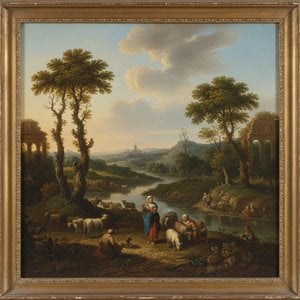
Classical Landscape

- 49.0 x 73.0 cm


 Vezi mai mult
Giclée / Imprimare artistică
Printuri giclée sau pe canvas de calitate muzeală, cu proces de producție rapid și opțiuni flexibile de finisare. ( Comandă pictură realizată manual Comută pe Imagine Digitală)




P118B lei10

P118H lei10

P118W lei10

P438Z lei10

P508JH lei12

P508YH lei12

P805H lei10

P805Z lei10

P919BZ lei10

P919G lei10

P919XJ lei10

P959ZH lei10

P968JZ lei12

W106C lei8

W218G lei10

W218JH lei8

W218Y lei10

W307PJ lei10

W316G lei10

W316PJ lei8

W316Y lei10

W398PJ lei8

W4111J lei10

W500HY lei15

W500JH lei15

W692G lei12

W849H lei8

W940BG lei15

W953PJ lei8




Alegeți dintre dimensiunile noastre prestabilite, care respectă proporțiile originale ale operei de artă.

Introduceți lățimea și înălțimea necesare pentru a se potrivi ramei sau peretelui dumneavoastră. O printare poate fi doar tăiată, niciodată extinsă dincolo de dimensiunea imaginii originale, astfel încât o dimensiune cu o formă diferită va pierde o parte din imagine. Vă trimitem o simulare digitală pentru aprobare înainte de a imprima orice. Imaginea afișată pe această pagină nu prezintă tăierea reală — doar simularea arată acest lucru.
Livrare în întreaga lume () în 2 săptămâni, în loc de cele 4/5 săptămâni standard. (14 Noiembrie)

Livrare expres gratuită la nivel mondial

Pânză de in de înaltă calitate

Asigurare completă pentru transport

Garanție de rambursare a taxelor vamale

Garanția fidelității culorilor

Politica de retur în 100 de zile (doar pentru defecte de fabricație)

Garanție de rambursare 100%

Ofertă pentru comenzi multiple
 Opțiunea cu sticlă este disponibilă doar pentru dimensiuni de sub 110 cm

Classical Landscape
Giclée / Imprimare artistică
Dimensiune reproducere
-


Preț total calculat
lei 299
Opere similare


Biografie artist
The Master of the Roman Light: The Life and Art of Hendrik Frans van Lint
In the golden age of the Grand Tour, when travelers from across Europe flocked to the sun-drenched ruins and majestic piazzas of Italy, few artists captured the ephemeral magic of the landscape as poignantly as Hendrik Frans van Lint. Born in Antwerp in 1684, Van Lint carried the meticulous traditions of his Flemish heritage into the heart of Rome, where he would spend the most transformative years of his life. While his roots lay in the industrious artistic circles of Belgium, his soul became inextricably linked to the luminous atmosphere of the Roman Campagna. His journey was not merely a geographical migration but an artistic evolution, moving from the structured training of his youth toward a profound mastery of veduta—the art of the detailed, panoramic view.
Van Lint’s early years were steeped in the rigorous discipline of the Flemish Baroque. As the son of the painter Peter van Lint and a pupil to masters such as Peter van Bredael, he inherited a foundational respect for compositional clarity and technical precision. However, it was his move to Rome that truly ignited his creative spirit. Upon arriving in the eternal city, he joined the Schildersbent, a celebrated society of Netherlandish painters. It was within this vibrant community of expatriate artists that he earned the affectionate nickname "Studio"—a testament to his incredibly meticulous technique and his ability to render architectural details with such fidelity that they seemed almost etched by hand.
A Symphony of Architecture and Atmosphere
The work of Van Lint is characterized by a breathtaking duality: the rigid, structural permanence of classical architecture set against the soft, fleeting qualities of light and air. He was deeply influenced by the pioneering vedutismo of Caspar van Wittel, whose topographical accuracy provided a blueprint for capturing the essence of Italian urbanity. Yet, Van Lint refused to be bound by mere documentation. He drew immense inspiration from the classical ideal landscapes of Claude Lorrain, often imbuing his scenes with a nostalgic, Arcadian beauty that transcended simple topography.
His canvases frequently present a spectrum of views, ranging from the strictly accurate to the beautifully imagined. In his depictions of places like Caprarola or the Roman outskirts, one can observe a masterful use of light—a warm, golden glow that seems to breathe life into stone and foliage alike. His landscapes often feature:
- Architectural Grandeur: The precise rendering of villas, palaces, and ancient ruins that anchor the composition.
- Atmospheric Depth: A sophisticated use of perspective and haze to create a sense of vast, receding space.
- Genre Elements: Small, delicate figures—often peasants or travelers—that provide scale and a sense of lived reality to the sweeping vistas.
This ability to blend the topographical with the poetic made his work the ultimate souvenir for the 18th-century aristocrat. To own a Van Lint was to possess a window into the Roman ideal, a piece of the sun-soaked Italian dream captured with unparalleled grace.
Legacy and Historical Significance
The historical significance of Hendrik Frans van Lint lies in his role as a bridge between the meticulous Northern tradition and the emotive, light-driven sensibilities of the Southern Baroque. He did not merely record what he saw; he interpreted the atmosphere of an era. His paintings found homes in some of the most prestigious collections in Europe, including the Doria Pamphilj in Rome and the Palazzo Bianco in Genoa, ensuring that his vision of Italy would endure long after the era of the Grand Tour had faded.
Today, Van Lint is remembered as a virtuoso of the veduta style, an artist whose work remains a vital record of the aesthetic aspirations of the 18th century. His legacy persists in every brushstroke that captures the way light dances upon a Roman piazza or settles softly over a distant hill, reminding us of a time when art was the primary vessel for exploring the wonders of the wider world.

Hendrik Frans Van Lint
1684 - 1763 , Belgium
Detalii rapide
- Full Name: Hendrik Frans van Lint
- Nationality: Belgian
- Date Of Birth: 1684
- Date Of Death: 1763
- Place Of Birth: Antwerp, Belgium
- Notable Artworks:
- Giacomo van Lint
- An extensive Italianate wooded landscape
- A classical river landscape with figures on a path and a palace in the distance
- Artistic Movement Or Style: Veduta Painting
- Artists Who Influenced This Artist: Caspar van Wittel
- Artists Or Movements Influenced By This Artist: Italian Baroque
Articole similare

Top 10 Capodopere Baroc Olandez: Artă, Istorie și Decorațiuni Interioare de Lux
Descoperă top 10 capodopere Baroc Olandez! Rembrandt, Vermeer și alți maeștri. Explorează istoria artei, tehnicile unice și atmosfera luxoasă a picturilor baroce. Reproduceri de artă de calitate muzeală pe ArtsDot.com.

Evoking Tranquility: A Study of Serene Beauty in Visual Art Across Historical Movements
Explore the history of serene art & discover how landscape paintings evoke tranquility across movements. Find inspiration for calming home decor & museum-quality reproductions at ArtsDot.

Scenes of Daily Life: A Comprehensive Exploration of Genre Painting Through History
Explore the rich history of genre painting! Discover Dutch Masters & European artists who captured everyday life with stunning realism. Learn about symbolism, techniques & lasting influence.

Top 25 de Capodopere Rijksmuseum: Artă Olandeză Clasică pentru Decorul Casei Tale
Descoperă top 25 de opere de artă din Rijksmuseum, Amsterdam! Rembrandt, Vermeer și alte capodopere olandeze clasice. Află poveștile din spatele picturilor celebre și găsește inspirație pentru decorul casei tale pe ArtsDot.com.
Nicolaes Berchem: Dutch Golden Age Pastoralism & the Evolution of Landscape Painting
Explore the captivating world of Nicolaes Berchem, a leading Dutch Golden Age painter. Discover his idyllic landscapes, masterful technique & lasting influence on art history. Learn more at ArtsDot.