


 Vezi în context
 Trimite
 Distribuie
 Detalii
 Ghidul

 Descarcă
 Produse similare
 Radiografie
 Diaporama
 Statistici
Cloud Shadows
 Impressionism
 61.0 x 82.0 cm
 Pallant House Gallery
 Citește mai mult
Lucrarea de artă afișată pe această pagină este protejată de legile privind drepturile de autor, ceea ce înseamnă că nu putem crea sau vinde în mod legal o reproducere identică. Această protecție este garantată prin acorduri internaționale, precum Convenția de la Berna și de legile naționale, inclusiv cele prevăzute de Legea dreptului de autor din S.U.A. – Titlul 17. Toate drepturile rezervate. Orice reproducere neautorizată este interzisă.
Ca alternativă respectuoasă și legală, oferim tablouri pictate manual, personalizate, inspirate de original. Artistii noștri experimentați și profesioniști studiază cu atenție stilul, starea de spirit și esența artistică a originalului pentru a crea o piesă nouă și unică, care evocă aceeași emoție – rămânând, în același timp, o creație originală în sine.
Această metodă respectă pe deplin reglementările privind drepturile de autor, deoarece nu implică copierea sau duplicarea operei protejate. În schimb, este o reinterpretare creativă – o pictură nouă, influențată de original, dar care nu este identică cu acesta.
Reproducere pictată manual în ulei
Pictură în ulei pe pânză, realizată manual de artiștii noștri la dimensiunea și ramele dorite de dumneavoastră, pe comandă. ( Comută pe versiunea Print Treci la imagine digitală)




































Alegeți dintre dimensiunile noastre prestabilite, care respectă proporțiile originale ale operei de artă.

Introduceți lățimea și înălțimea de care aveți nevoie, pentru a se potrivi ramei sau peretelui dumneavoastră. Această lucrare este pictată manual, așa că pentru o dimensiune cu o formă diferită, artistul poate picta puțin mai mult în jurul imaginii sau poate tăia puțin din margini — dumneavoastră decideți. Vă vom trimite o simulare digitală pentru aprobare înainte de a începe pictarea. Imaginea afișată pe această pagină nu reprezintă rezultatul real — doar simularea este reprezentativă.
După plasarea comenzii, echipa ArtsDot.com va contacta clientul prin e-mail pentru instrucțiuni și îi va furniza o previzualizare a machetei
Livrare în întreaga lume () în 3-4 săptămâni, în loc de cele 5 săptămâni standard. (24 Octombrie). Fără compromisuri în ceea ce privește calitatea.

Livrare expres gratuită la nivel mondial

Pânză de in premium

Asigurare completă pentru transport

Garanție de rambursare a taxelor vamale

Garanția fidelității culorilor

Politica de retur în 100 de zile (doar pentru defecte)

Garanție de rambursare 100%

Reducere pentru comenzi multiple
 Opțiunea cu sticlă este disponibilă doar pentru dimensiuni de sub 110 cm

Cloud Shadows
Tip de reproducere
Dimensiune reproducere
-


Preț total
lei 1218
Opere similare


Biografie artist
A Life Forged in the Fires of Change
Born in Frankfurt am Main, Hans Feibusch’s early years were a tapestry of artistic awakening and historical upheaval. The son of a dental surgeon and an amateur painter, his creative spirit was nurtured by the delicate brushstrokes of his mother and the rigorous academic training he received under Karl Hofer at the Berlin University of the Arts. His youth, however, was not merely one of quiet study; the shadows of World War I loomed large as he served on the Russian front, an experience that would forever color his understanding of human resilience and the fragility of existence. In the vibrant, pre-war atmosphere of Germany and later Paris, Feibusch absorbed the rhythmic energy of Expressionism and the daring palettes of Fauvism, honing a style that balanced meticulous realism with a profound, emotive intensity.
From Exile to the Sacred Walls of England
The ascent of Nazism in 1933 forced a dramatic and painful redirection of Feibusch’s destiny. Driven by the necessity to protect his family, he fled Germany for England, carrying with him the weight of displacement and the richness of his Jewish heritage. It was within this new, often uncertain landscape that Feibusch found his most enduring calling: the transformation of Anglican sacred spaces. He did not merely decorate; he breathed life into stone and mortar. Through a series of monumental murals spanning nearly thirty churches across England, he wove together themes of faith, suffering, and transcendence. His work in places like Ely Cathedral stands as a testament to an artist who could bridge the gap between his ancestral traditions and the liturgical heart of the Church of England, creating a visual language that was both deeply personal and universally spiritual.
The Eternal Dance of Color and Spirit
Feibusch’s oeuvre is characterized by a breathtaking vitality, where color serves as a primary vessel for emotion. Whether capturing the sun-drenched landscapes of Sicily in Taormina, Sicily or the rhythmic ecstasy of human connection in his 1950 masterpiece The Dance, his brushwork remains unapologetically expressive. His mastery lies in the ability to evoke the sublime through several key elements:
- Bold Chromaticism: The use of vibrant, often clashing hues that command attention and stir the soul.
- Dynamic Motion: A sense of rhythmic vitality that makes even a static mural feel alive with movement.
- Symbolic Depth: An intricate layering of Jewish cultural motifs and Christian iconography.
As we look back upon his century-long journey, Feibusch remains a singular figure—a painter who turned the trauma of exile into a legacy of light, leaving behind a trail of sacred beauty that continues to inspire awe in all who enter his painted sanctuaries.

Hans Feibusch
1898 - 1998
Informații rapide
- Artistic Movement Or Style: Expressionist Color
- Artists Or Movements Influenced By This Artist:
- Jankel Adler
- Marc Chagall
- Artists Who Influenced This Artist:
- Rudolf Hofer
- Andre Lhote
- Date Of Birth: 1898
- Date Of Death: 1998
- Full Name: Hans Nathan Feibusch
- Nationality: German
- Notable Artworks:
- Taormina, Sicily
- Narcissus
- Wooded Landscape
- Place Of Birth: Frankfurt am Main, Germany
Articole conexe

Evocations of Place: A Historical Journey Through Landscape Art
Explore the rich history of landscape art with ArtsDot. Discover renowned artists, movements like Impressionism & tonalism, and expert guidance for collecting timeless pieces. Find your perfect serene escape today!

Evocations of Place: A Historical Journey Through Landscape Art
Explore the rich history of landscape art with ArtsDot. Discover renowned artists, movements like Impressionism & Romanticism, and expert guidance for collecting timeless pieces. Find your perfect serene escape today!

Peisaje Romantice Iconice: 10 Capodopere Artistice pentru Decorul de Lux
Descoperă 10 capodopere romantice iconice de Caspar David Friedrich, Turner și alți maeștri. Explorează istoria artei, emoțiile din peisaje și găsește tablouri canvas perfecte pentru decorul tău pe ArtsDot.com!
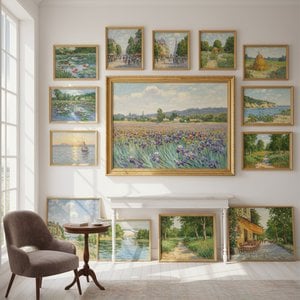
Top 10 Capodopere Impresioniste: Peisaje care au Schimbat Arta | ArtsDot.ro
Descoperă top 10 capodopere impresioniste care au revoluționat arta! Monet, Manet, Renoir și alți maeștri ai peisajului. Reproduceri de tablouri canvas de calitate muzeală pentru un decor inspirat. Explorează colecția completă pe ArtsDot.com!

Top 10 Capodopere Impresioniste: Peisaje care au Definit Arta Modernă | ArtsDot.ro
Descoperă top 10 capodopere impresioniste care au revoluționat arta! Monet, Manet, Renoir și alți maeștri ai peisajului. Reproduceri de tablouri de calitate muzeală pentru un decor inspirat. Explorează colecția completă pe ArtsDot.com!