

 Previzualizare
 Trimite
 Distribuie
 Detalii despre lucrare

 Descarcă
 Produse similare
 Radiografie
 Diapozitive automate
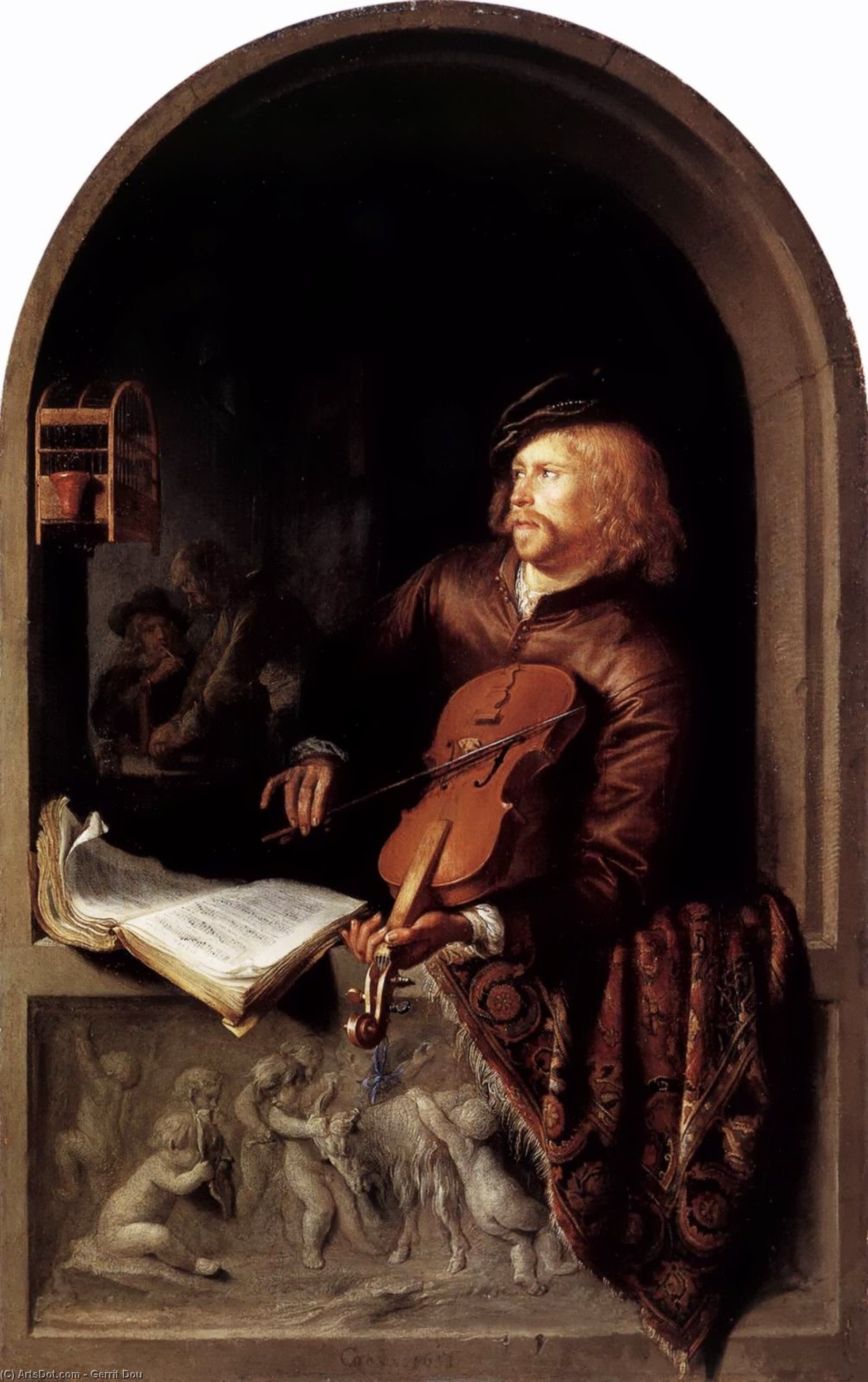
Violon Player
 Oil On Canvas
- WallArt
- Baroque Dutch Painting
 1653
1653- Renaissance
 32.0 x 20.0 cm
 Liechtenstein Museum
 Vezi mai mult
Giclée / Imprimare artistică
Printuri giclée sau pe canvas de calitate muzeală, cu proces de producție rapid și opțiuni flexibile de finisare. ( Comandă pictură lucrată manual Cumpără imaginea)




P118B $10

P118H $10

P118W $10

P438Z $10

P508JH $12

P508YH $12

P805H $10

P805Z $10

P919BZ $10

P919G $10

P919XJ $10

P959ZH $10

P968JZ $12

W106C $8

W218G $10

W218JH $8

W218Y $10

W307PJ $10

W316G $10

W316PJ $8

W316Y $10

W398PJ $8

W4111J $10

W500HY $15

W500JH $15

W692G $12

W849H $8

W940BG $15

W953PJ $8




Alegeți dintre dimensiunile noastre prestabilite, care respectă proporțiile originale ale operei de artă.

Puteți introduce propriile dimensiuni pentru a se potrivi unui anumit cadru sau spațiu. Dacă dimensiunea selectată nu corespunde proporțiilor imaginii originale, vom decupa lucrarea de artă sau vom extinde imaginea cu margini oglindite sau cu o culoare uniformă. Un mockup digital va fi trimis pentru aprobarea dumneavoastră înainte de începerea producției.
Vă rugăm să rețineți că previzualizarea de pe ecran nu reflectă decuparea sau extinderea reală. Doar mockup-ul va arăta cu exactitate compoziția finală.
Deși dimensiunile personalizate sunt disponibile, vă recomandăm să selectați o dimensiune din lista predefinită pentru a păstra proporțiile originale.
Livrare în întreaga lume () în 2 săptămâni, în loc de cele 4/5 săptămâni standard. (16 August)

Livrare expres gratuită la nivel mondial

Pânză de in de înaltă calitate

Asigurare completă pentru transport

Garanție de rambursare a taxelor vamale

Garanția fidelității culorilor

Politica de retur în 60 de zile (doar pentru defecte)

Garanție de rambursare 100%

Ofertă pentru comenzi multiple
 Opțiunea cu sticlă este disponibilă doar pentru dimensiuni de sub 110 cm

Violon Player
Giclée / Imprimare artistică
Dimensiune reproducere
-


Preț total calculat
$ 62
Descriere obiect de colecție
Gerrit Dou’s ‘Violon Player’: A Masterclass in Dutch Golden Age Detail
This exquisite hand-painted reproduction captures Gerrit Dou's remarkable ability to distill the essence of human experience into a single, intensely observed moment. Painted in 1653, “Violon Player” offers a poignant glimpse into the life of a musician during the Dutch Golden Age – a period defined by burgeoning commerce, artistic innovation, and a profound appreciation for leisure and refinement. The painting’s subject, a man absorbed in his violin, is rendered with an almost unsettling realism, inviting us to contemplate not just his actions but also his inner world.
- Subject & Composition: The central figure dominates the canvas, his posture suggesting both concentration and perhaps a touch of melancholy. The inclusion of indistinct figures in the background – likely members of his audience – adds depth to the scene without disrupting the focus on the musician himself. This careful composition is characteristic of Dou’s approach, prioritizing narrative suggestion over explicit storytelling.
- Style & Technique: Dou was a key figure within the Leiden Fijnschilders group, renowned for their meticulous attention to detail and mastery of *sfumato* – a technique that employs subtle gradations of light and shadow to create an atmospheric effect. Notice the incredibly detailed rendering of the violin’s varnish, the folds in the man's clothing, and the play of light on his face. This level of precision was exceptionally demanding, requiring hours of painstaking work.
Chiaroscuro and the Drama of Light
Gerrit Dou’s command of chiaroscuro – the dramatic use of light and dark – is perhaps the most striking element of “Violon Player.” He expertly manipulates light to create a sense of depth, volume, and emotional intensity. The soft glow illuminating the musician's face contrasts sharply with the darker recesses of the room, drawing our attention to his expression and intensifying the scene’s mood. This technique was particularly favored by Dou, reflecting his fascination with capturing fleeting moments of illumination – often seen in his candlelit night-scenes.
- Material & Craftsmanship: Each reproduction is created using traditional hand-painting techniques, employing archival-quality pigments and canvas to ensure lasting beauty. The meticulous brushwork and the rich color palette faithfully recreate Dou’s original vision, capturing the nuances of light and texture that are essential to his style.
Symbolism and Context
“Violon Player” transcends a simple portrait; it offers a window into 17th-century Dutch society. The musician represents a segment of the middle class, enjoying a moment of respite from their daily activities. The violin itself was a symbol of status and refinement during this era. Dou’s work reflects the growing importance of secular pursuits and leisure within the burgeoning merchant culture of Leiden. This painting aligns with the broader artistic trends of the Dutch Golden Age, where artists sought to capture not just physical likenesses but also the psychological states of their subjects.
- Historical Significance: Created in 1653, this work exemplifies Dou’s peak creative period. It provides a valuable insight into the artistic practices and aesthetic sensibilities of the Dutch Golden Age – a time when art flourished alongside economic prosperity and intellectual curiosity.
Perfect for Your Space
This stunning reproduction of Gerrit Dou's “Violon Player” is more than just a beautiful image; it’s an investment in timeless artistry. Its elegant composition, masterful technique, and evocative atmosphere make it a perfect addition to any interior space – from a formal salon to a contemporary living room. Bring the drama and sophistication of the Dutch Golden Age into your home with this exceptional hand-painted reproduction.
Opere similare


Biografie artist
Gerrit Dou: A Master of Subtle Light and Intricate Detail
Gerrit Dou, a name synonymous with the Dutch Golden Age, was more than just a painter; he was a meticulous craftsman, a subtle magician who coaxed extraordinary realism from seemingly simple scenes. Born in Leiden on April 7th, 1613, into a family involved in glassmaking, his early life instilled within him an appreciation for detail and precision – qualities that would profoundly shape his artistic vision. Dou’s legacy rests not upon grand gestures or dramatic narratives, but rather on the quiet beauty of everyday moments rendered with astonishing skill and sensitivity. He passed away peacefully on February 9th, 1675, leaving behind a body of work that continues to fascinate and delight art lovers worldwide.The Leiden Fijnschilder School and Artistic Influences
Dou’s artistic journey began under the tutelage of Bartholomeus Dolendo, an engraver, before he transitioned to the workshop of Pieter Couwenhorn, a master glass painter. This early training provided him with invaluable experience in rendering textures, capturing light, and working with intricate details – skills that would become hallmarks of his distinctive style. Crucially, Dou’s time spent studying under Rembrandt van Rijn proved transformative. While he never formally became Rembrandt's pupil, the influence is undeniable; Dou absorbed Rembrandt’s mastery of chiaroscuro—the dramatic interplay of light and shadow—and his ability to imbue scenes with a sense of psychological depth. However, unlike Rembrandt’s often turbulent and emotionally charged compositions, Dou favored a more restrained and polished approach, developing what became known as the *fijnschilder* style – “fine painting” – characterized by its meticulous detail, subtle color gradations, and an almost photographic realism. He was part of the Leiden Fijnschilders, a group of artists who shared a commitment to technical excellence and a focus on capturing the nuances of everyday life.A Distinctive Style: Niche Paintings and Candlelit Scenes
Dou’s artistic signature lies in his innovative use of “niche” paintings – small, self-contained scenes often framed as if they were part of an architectural feature, such as a recessed alcove or a window frame. These niches created a sense of intimacy and immediacy, drawing the viewer into the depicted world. He was particularly renowned for his candlelit night-scenes, where he masterfully captured the flickering light reflecting off surfaces, creating a mesmerizing effect of depth and atmosphere. His technique involved using a concave lens combined with a convex mirror to achieve an accurate representation of the scene, ensuring that every detail – from the texture of fabric to the glint in a person’s eye – was rendered with astonishing precision. His paintings weren't merely representations; they were carefully constructed illusions designed to engage the viewer's senses and invite contemplation.Notable Works and Lasting Legacy
Among Dou’s most celebrated works is *The Astronomer by Candlelight*, a painting that exemplifies his mastery of light and shadow, capturing the intense glow of candlelight illuminating a man engrossed in his observations. His *Portrait of an Old Woman* showcases his ability to convey character and emotion through subtle details – the wrinkles on her face, the expression in her eyes. The Leiden Collection in New York holds a significant number of Dou’s paintings, offering visitors a chance to experience the breadth and depth of his artistic talent. Furthermore, his influence extended beyond his own lifetime; artists such as Frans van Mieris the Elder and Gabriel Metsu were inspired by his meticulous technique and refined style. Gerrit Dou's legacy continues to resonate today, reminding us of the power of observation, precision, and a deep appreciation for the beauty of the everyday world.Further Exploration
For more information about Gerrit Dou’s life and work, consider visiting these resources:
Gerrit Dou
1613 - 1675 , Olanda
Detalii rapide
- Artistic Movement Or Style: Fijnschilder (Fine Painting)
- Artists Or Movements Influenced By This Artist: ['Leiden Fijnschilders']
- Artists Who Influenced This Artist: ['Rembrandt van Rijn']
- Date Of Birth: April 7, 1613
- Date Of Death: February 9, 1675
- Full Name: Gerrit Dou
- Nationality: Dutch
- Notable Artworks:
- The Astronomer by Candlelight
- Portrait of an Old Woman
- Place Of Birth: Leiden, Netherlands
Articole similare
Gerrit Dou: Intimacy & Light in the Dutch Golden Age
Explore the exquisite world of Gerrit Dou, a master of Dutch Golden Age painting. Discover his intimate genre scenes, signature use of light, and lasting legacy. Learn about collecting Dou's works & their value.

Golden Age Reflections: Dutch Baroque Painting & Cultural Innovation
Explore the Dutch Golden Age of painting! Discover key artists like Vermeer & ter Borch, their innovative techniques, and the rich cultural context behind these Baroque masterpieces. Learn about collecting & appreciating this iconic art period.

Epoca de Aur Olandeză: 10 Capodopere Care Au Definit Arta și Decorațiunea Interioară
Descoperiți Epoca de Aur Olandeză prin 10 capodopere Rembrandt, Vermeer și alți pictori olandezi. Aflați poveștile din spatele acestor tablouri baroce iconice și inspirați-vă pentru decorațiuni interioare unice. Explorează colecția completă pe ArtsDot.com!
Illuminating Realism: Exploring the Dutch Golden Age of Painting (1600-1700)
Explore the Dutch Golden Age of painting (1600-1700) with ArtsDot. Discover Rembrandt, Vermeer & other masters. Learn about techniques, history & find museum-quality reproductions.

Illuminating Innovation: Exploring the Dutch Golden Age of Painting
Explore the Dutch Golden Age of painting with ArtsDot. Discover Rembrandt, Vermeer & other Masters. Learn about key characteristics, iconic artworks, and lasting influence. Expert insights for collectors & enthusiasts.



