

 Previzualizare
 Trimite prin felicitare
 Distribuie
 Detalii despre lucrare
 Ghid
Ghid

 Descarcă imaginea
 Produse similare
 Radiografie
 Galerie foto
 Întrebări și răspunsuri
 Statistici
Moritz

- 51.0 x 46.0 cm


 Vezi mai mult
Lucrarea de artă afișată pe această pagină este protejată de legile privind drepturile de autor, ceea ce înseamnă că nu putem crea sau vinde în mod legal o reproducere identică. Această protecție este garantată prin acorduri internaționale, precum Convenția de la Berna și de legile naționale, inclusiv cele prevăzute de Legea dreptului de autor din S.U.A. – Titlul 17. Toate drepturile rezervate. Orice reproducere neautorizată este interzisă.
Această metodă respectă pe deplin reglementările privind drepturile de autor, deoarece nu implică copierea sau duplicarea operei protejate. În schimb, este o reinterpretare creativă – o pictură nouă, influențată de original, dar care nu este identică cu acesta.
Giclée / Imprimare artistică
Printuri giclée sau pe canvas de calitate muzeală, cu proces de producție rapid și opțiuni flexibile de finisare. ( Comandă pictură realizată manual Comută pe Imagine Digitală)




P118B lei10

P118H lei10

P118W lei10

P438Z lei10

P508JH lei12

P508YH lei12

P805H lei10

P805Z lei10

P919BZ lei10

P919G lei10

P919XJ lei10

P959ZH lei10

P968JZ lei12

W106C lei8

W218G lei10

W218JH lei8

W218Y lei10

W307PJ lei10

W316G lei10

W316PJ lei8

W316Y lei10

W398PJ lei8

W4111J lei10

W500HY lei15

W500JH lei15

W692G lei12

W849H lei8

W940BG lei15

W953PJ lei8




Alegeți dintre dimensiunile noastre prestabilite, care respectă proporțiile originale ale operei de artă.

Introduceți lățimea și înălțimea necesare pentru a se potrivi ramei sau peretelui dumneavoastră. O printare poate fi doar tăiată, niciodată extinsă dincolo de dimensiunea imaginii originale, astfel încât o dimensiune cu o formă diferită va pierde o parte din imagine. Vă trimitem o simulare digitală pentru aprobare înainte de a imprima orice. Imaginea afișată pe această pagină nu prezintă tăierea reală — doar simularea arată acest lucru.
Livrare în întreaga lume () în 2 săptămâni, în loc de cele 4/5 săptămâni standard. (12 Noiembrie)

Livrare expres gratuită la nivel mondial

Pânză de in de înaltă calitate

Asigurare completă pentru transport

Garanție de rambursare a taxelor vamale

Garanția fidelității culorilor

Politica de retur în 100 de zile (doar pentru defecte de fabricație)

Garanție de rambursare 100%

Ofertă pentru comenzi multiple
 Opțiunea cu sticlă este disponibilă doar pentru dimensiuni de sub 110 cm

Moritz
Giclée / Imprimare artistică
Dimensiune reproducere
-


Preț total calculat
lei 300
The Enigmatic Figure: An Exploration of Gerhard Richter's "Moritz"
Gerhard Richter’s 2000 painting, “Moritz,” isn’t a portrait in the traditional sense. It’s an invitation to contemplate the elusive nature of memory and identity, rendered through Richter’s signature blend of photographic realism and abstract expressionism. The image depicts a young child, partially obscured by a deliberate haze of paint, seated within a high chair – a scene both familiar and profoundly unsettling. The blurred features, the soft focus, and the muted palette evoke a sense of detachment, as if we are observing a fleeting moment captured from a dream or a faded photograph. This isn’t an attempt to depict a specific child; rather, it's a distillation of childhood itself – its vulnerability, its inherent mystery, and its inevitable passage into the unknown.
Richter’s technique is central to the work’s power. He employs a layering process, building up thin washes of oil paint that are then repeatedly scraped, smudged, and reworked. This creates a surface texture that is both tactile and ethereal, mirroring the way memories can feel – simultaneously vivid and fragmented. The deliberate blurring isn't simply an aesthetic choice; it’s a key element in Richter’s exploration of representation itself. He questions the very act of seeing and recording, suggesting that any attempt to capture reality inevitably involves distortion and loss.
A Fragmented History: Contextualizing "Moritz" within Richter’s Oeuvre
Understanding Gerhard Richter requires acknowledging his deeply personal and historically-charged artistic journey. Born in Dresden in 1932, Richter's childhood was profoundly shaped by the upheavals of post-war Germany – displacement, political uncertainty, and the lingering trauma of Nazi persecution. His father, a schoolteacher, navigated the complexities of life under authoritarian rule, while his mother fostered a love for literature and music within their family. This duality—a pragmatic acceptance of circumstance alongside a yearning for cultural expression—became a recurring theme in Richter’s work.
The late 1990s and early 2000s, the period encompassing “Moritz,” marked a shift in Richter's artistic focus. He increasingly explored photographic sources – not as direct copies, but as starting points for his own abstract compositions. This approach is evident in "Moritz," which can be seen as a meditation on the process of translation—the transformation of a visual image into an entirely new work of art. The photograph itself, likely a source for this piece, becomes merely a catalyst, prompting Richter to engage with the underlying themes and emotions rather than replicating the original scene.
Symbolism and Emotional Resonance: Unpacking the Painting’s Layers
The high chair itself is a potent symbol. It represents childhood, nourishment, and the transition from dependence to independence. However, in “Moritz,” this familiar image is imbued with ambiguity. The child's face is obscured, suggesting a loss of innocence or a detachment from experience. The bottle present in the background further reinforces this sense of vulnerability – a symbol of sustenance that may not be enough to satisfy the child’s needs.
The overall mood of the painting is melancholic and contemplative. It doesn't offer easy answers or resolutions; instead, it invites viewers to confront their own memories and anxieties about the passage of time. Richter’s masterful use of color and texture creates a visual experience that is both beautiful and unsettling, prompting us to consider the fragility of human existence and the enduring power of the past.
A Reproduction for Your Space: Bringing "Moritz" Home
ArtsDot offers meticulously crafted hand-painted reproductions of Gerhard Richter’s “Moritz,” allowing you to bring this iconic work into your home or office. Our skilled artists replicate Richter's unique technique with exceptional precision, capturing the subtle nuances of color, texture, and blurring that define the painting. Available in a range of sizes, our reproductions are printed on archival-quality canvas using vibrant pigments, ensuring long-lasting beauty and authenticity.
Whether you’re an art enthusiast, a collector, or simply seeking to add a touch of intellectual depth to your décor, “Moritz” is a compelling choice. It's more than just a painting; it’s a meditation on memory, identity, and the complexities of human experience – a timeless masterpiece brought to life through ArtsDot’s dedication to artistic excellence.
Întrebări și răspunsuri
„Moritz” prezintă contraste puternice între lumină și întuneric?
"Moritz" de Gerhard Richter prezintă un contrast Gentle între zonele luminoase și cele întunecate.
Ce atmosferă conferă "Moritz" de Gerhard Richter unui interior?
"Moritz" de Gerhard Richter emană o atmosferă Calm și este recomandată pentru o Living Room. Întreaga dispoziție este ceea ce lucrarea aduce în spațiul din jurul său.
Când și din ce materiale a fost realizată „Moritz”?
"Moritz" a fost realizată în 2000, în Oil On Canvas.
Opere similare


Biografie artist
Primii ani de viață ai lui Gerhard Richter
Dresden, Germania, 1932. Scenariul se desfășoară în cadrul Spitalului Dresden-Neustadt. Gerhard Richter debutează într-o lume definită de strângerea pincerelor Național-Socialismului. Tatăl său, Horst Richter, parcurge rigoarea academică a Technische Hochschule din Dresda ca student la matematică și fizică, în timp ce mama sa, Hildegard Schönfelder, activează ca librăraică. Lumea de acasă este modelată de aceste activități intelectuale și comerciale disparate. În 1936, familia se extinde odată cu nașterea surorii sale, Gisela.
Războiul și agitația politică fragmentează stabilitatea familiei. Umbra regimului se extinde până în cele mai private sfere ale existenței. Mătașa lui Richter, Marianne, devine o victimă a programului nazist de eutanasie, o victimă a violenței sistematice a statului împotriva celor considerați nedoriți. Această perioadă de deplasare și pierdere lasă o urmă adâncă în istoria familiei, pe măsură ce realitățile Terțimului Reich pătrund în peisajul domestic al copilăriei sale.
Formarea Artistică și Primii Pași în Carrieră
Calea către studiile academice nu este niciodată una liniară. După abandonarea școlii la vârsta de cincisprezece ani, Richter pătrunde în peisajul industrial al Germaniei de după război. Își găsește ocuparea ca pictor de semne într-o fabrică, un pas pragmatic într-o perioadă dedicată supiețirii. Până în 1948, absolviind școala profesională, acesta obține primul său loc de muncă plătit ca pictor. Anii care urmează sunt definiți de munca manuală și de ucenicia tehnică; activează ca pictor de publicitate și scenograf, învățând mecanica reprezentării prin prisma utilității comerciale și teatrale.
Ambiția se lovește de rezistență în anul 1950. Richter depune dosarul la Academia de Artă din Dresda, însă instituția îl respinge. Totuși, această despărțire este trecătoare. În 1951, acesta începe studiile formale la Academia de Arte Fine din Dresda. Această perioadă este marcată de influența profundă a realismului socialist, stilul impus de statul din Germania de Est. Richter navighează prin tensiunea dintre aceste cerințe ideologice și propria sa stăpânire tehnică în plină dezvoltare. Între 1957 și 1961, acesta rămâne în cadrul structurii academice, lucrând ca ucenic avansat.
Fuga spre Germania de Vest și Düsseldorf
Anul 1961 marchează o fractură profundă în viața lui Gerhard Richter. Cu doar două luni înainte de ridicarea Zidului din Berlin, el ia decizia radicală de a lăsa în urmă Germania de Est. Împreună cu soția sa, Marianne Eufinger, se mută în Germania de Vest, într-un gest care depășește simpla schimbare de coordonate geografice; este o fugă de constrângerile ideologice ale Estului către libertatea experimentală a Vestului.
În Düsseldorf, atmosfera este saturată de energia unei scene artistice în plină expansiune. Richter se înscrie la Staatliche Kunstakademie, intrând într-un spațiu în care tradițiile rigide ale realismului socialist nu mai dețin controlul. El studiază sub îndrumarea unui grup de maeștri, printre care Karl von Appen, Heinz Lohmar, Will Grohmann și Karl Otto Götz. Deși mediul academic îi oferă fundamentul tehnic pentru tot ceea ce va urma, adevăratele transformări se petrec în compania colegilor săi. Alături de Sigmar Polke și Konrad Lueg, Richter devine parte dintr-un cerc de studenți care navighează printr-un peisaj de schimbări culturale fulminante.
Apariția Realismului Capitalist
Düsseldorf devine un creuzet al tensiunii. Peisajul de după război este într-o continuă transformare, îndepărtându-se de austeritate către influența vibrantă și omnipresentă a culturii de consum și a mass-media. Gerhard Richter se trezește în centrul acestei fricțiuni, navigând la intersecția dintre mișcările Fluxus și Pop Art. El nu este un simplu observator al acestei schimbări; el deconstruiește activ normele artistice consacrate, alături de un grup de colegi de generație.
Anul 1963 marchează o ruptură radicală față de practica tradițională. Richter, Sigmar Polke și Konrad Fischer montează un „happening” provocator intitulat Living with Pop. Scena se desfășoară în interiorul unui magazin de lux din Düsseldorf. Aceștia se prezintă ca niște sculpturi vii, amplasate printre expozițiile de mobilier, un gest care tulbură granițele dintre artă, comerț și existența cotidiană. Acest act contribuie la definirea termenului „Realism Capitalist”, o etichetă deliberat ambiguă utilizată de Richter și Polke pentru a reflecta scepticismul lor comun față de estetica și ideologiile unei societăți conduse de consum.
Tehnici de fotorealism și abstractism
Pânza devine un câmp de tensiune între claritatea ascuțită a unei fotografii și mișcarea haotică a vopselei. În lucrările sale fotorealiste, Richter utilizează adesea un efect de blurare distinctiv, o tehnică ce distorsionează subiectul și creează un sentiment de detașare. El construiește aceste imagini printr-un proces de stratificare, aplicând straturi subțiri de glazură pentru a genera adâncime și o senzație de memorie filtrată. Această metodă îi permite să recreeze aspectul unei printuri fotografice, punând în același timp sub semnul întrebării fiabilitatea imaginii în sine.
Abordarea se schimbă radical atunci când artistul migrează spre abstractism. Aici, aplicarea controlată a vopselei cedează loc unui proces mai visceral și imprevizibil. Folosind ștergătoare de sticlă, el trage straturi groase de pigment peste suprafață, manipulând mediul în moduri care invită la hazard și spontaneitate. Această tehnică fragmentează suprafața în urme gestuale și texturate, care sfidează precizia lucrărilor sale figurative. Dincolo de pânza tradițională, experimentarea sa se extinde în alte forme, inclusiv în crearea de monotipuri și sculpturi din sticlă.
Explorarea Culorii și a Formei
Investigația asupra culorii se îndepărtează de latura emoțională pentru a abrașa una sistematică. Între 1966 și 2008, Gerhard Richter a realizat celebrele sale Color Charts (Farbtafeln), o serie definită de aranjarea riguroasă a pătratelor colorate. Aceste lucrări elimină spontaneitatea gestului pictural, înlocuind-o cu o logică controlată, de tip grilă. Accentul se mută asupra proprietăților inerente ale pigmentului în sine, organizate într-o structură repetitivă, aproape clinică, care sfidează așteptările tradiționale privind mesajul pe care o pictură ar trebui să îl transmită.
Această căutare a neutralității se extinde și în domeniul monochromaticului. Între 1966 și 2014, Gray Paintings (Graue Bilder) au explorat nuanțele tonale subtile găsite în cadrul unei singure culori. Aici, complexitatea rezidă în schimbările minime de lumină și umbră de-a lungul unei suprafețe gri. Este o studiu al percepției, în care absența culorilor variate forțează o confruntare cu textura și profunzimea mediului pictural. Această abordare disciplinată a spectrului cromatic găsește o aplicație neașteptată în domeniul sacru. În 2007, Richter și-a aplicat înțelegerea culorii și a geometriei într-un vitraliu pentru Catedrala din Köln, transpunând sensibilitățile sale moderne într-un mediu arhitectural tradițional.
Lucrări Semnative și Capodopere
Piața de artă și suprafața de lucru se ciocnesc adesea în cariera lui Gerhard Richter. În 2015, opera sa din 1986, Abstraktes Bild, a fost vândută cu peste 44,5 milioane de dolari. Această piesă face parte dintr-un corpus de lucrări care oscilează între precizia unei fotografii și stratificarea haotică a vopselei. În timp ce unele creații se concentrează pe mecanica culorii, altele se întorc către sfera personală. În 1988, el a realizat Betty, o pictură în ulei a fiicei sale privind spre una dintre lucrările sale abstracte. Aceasta rămâne una dintre cele mai citate piese ale sale, figurând în topul celor trei cele mai solicitate reproduceri.
Istoria și memoria oferă greutatea necesară pentru investigațiile sale mai sumbre. Seria din 1988, October 18, 1977, abordează grupul Baader-Meinhof, o organizație teroristă germană controversată. Această perioadă de creație coexistă cu eforturile sale recente de proporții vaste. În 2014, a creat ciclul Birkenau, format din patru picturi abstracte de mari dimensiuni. Aceste lucrări confruntă trauma Holocaustului prin intermediul abstractizării, renunțând la reprezentarea literală. Chiar și peisajele sale poartă un sentiment de distanță; Fuji, pictat în 2013, utilizează o paletă cromatică temperată de nuanțe de roșu, portocaliu și albastru pentru a sugera o amintire estompată a muntelui japonez.
- Motorboat (1965)
- Star Picture (1969)
- Red Blue Yellow (1972)
- 1024 Colours (1973)
- George (1975)
Moștenire și influență globală
Amploarea prezenței lui Gerhard Richter în peisajul contemporan este măsurată prin frecvența sa uluitoare. El a prezentat lucrări la Documenta de mai multe ori decât orice alt artist, un record care atestă angajamentul său persistent în evoluția picturii moderne. În 1972, a reprezentat Germania de Vest la Bienala de la Veneția, un moment care i-a consolidat statutul pe scena internațională. Pânzele sale au parcurs un drum lung, de la spațiile experimentale din Düsseldorf până în colecțiile permanente ale Muzeului de Artă Modernă din New York.
Influența sa pătrunde până în însăși definiția mediului pictural. A fost numit „Picasso al secolului XXI”, un titlu care reflectă o carieră ce refuză să se așeze într-un singur mod de exprimare. El oscilează între precizia fotografică și haosul abstract, nepermițându-i niciodată unuia să îl înlocuiască pe celălalt în mod total. Această refuz de a fi categorisit l-a transformat într-o figură centrală în discursul artei contemporane, influențând modul în care generațiile ulterioare abordează tensiunea dintre realitate și reprezentare.
- Abstraktes Bild (1986)
- Betty (1988)
- Fuji (2013)
Unde poți descoperi astăzi operele sale
Prezența fizică a creației lui Gerhard Richter se extinde pe numeroase colecții instituționale de prestigiu din întreaga Europa. În Essen, Germania, Museum Folkwang păstrează piese reprezentative din volumul său vast de creație. Impactul vizual al imaginiilor sale ajunge până în Roma, unde MAXXI National Museum of XXI Century Arts găzduiește opere în colecția sa permanentă. Aceste locații oferă posibilitatea unei întâlniri directe cu tensiunea creată de dialogul dintre metodele sale fotorealiste și cele abstracte.
La Londra, muzeul Tate își prezintă picturile, plasând limbajul său vizual în contextul istoriei instituționale britanice. Totodată, Kunstmuseum Winterthur păstrează în colecția sa lucrări care asigură vizibilitatea influenței sale în Elveția. Aceste muzee acționează ca adevărate depozite ale etapelor diverse ale carierei sale, de la experimentele timpurii până la canvaurile de mari dimensiuni.
- Stadtbild SA (219/1) - fără dată
- Zwei-Mann-Bob (Two-man bobsled) - aprox. 2026

Gerhard Richter
1932 - , Germania
Detalii rapide
- Artists Or Movements Influenced By This Artist: ['Numătoși artiști']
- Date Of Birth: 1932
- Full Name: Gerhard Richter
- Nationality: German
- Notable Artworks:
- Motorboat
- Group of People
- Star Picture
- Red Blue Yellow
- 1024 Colours
- George
- Clouds
- July
- Betty
- Abstract Painting 780-1
- I.G.
- Abstract Picture
- Reading
- S. with Child
- Self-portrait
- Moritz
- Firenze
- Forest (7)
- Juist
- Flow
- Zwei-Mann-Bob (Two-man bobsled)
- Place Of Birth: Dresden, Germania
Articole similare

The High Renaissance: A Flourishing of Artistic Innovation & Humanist Ideals
Explore the High Renaissance's artistic brilliance! Discover Da Vinci, Michelangelo & Raphael’s masterpieces, humanist ideals, and groundbreaking techniques. Learn about patronage & its lasting impact on art history.
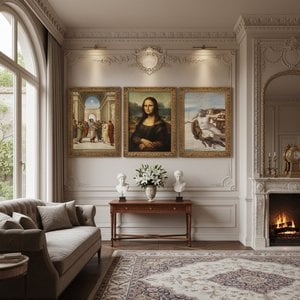
Renașterea Înaltă: 10 Capodopere Iconice pentru Decorul Casei Tale
Descoperă 10 capodopere ale Renașterii Înalte – Leonardo da Vinci, Michelangelo, Rafael și alții. Află poveștile din spatele picturilor celebre și inspiră-ți decorul cu artă renascentistă de calitate muzeală pe ArtsDot.com! Explorează colecția online.

Gerhard Richter: A Retrospective on Abstraction, Memory & the Photographic Source
Explore the profound world of Gerhard Richter's abstract paintings. Discover his techniques, influences, and lasting impact on contemporary art – a guide for discerning collectors.

High Medieval Art: 10 Masterpieces That Shaped an Era | ArtsDot
Journey through High Medieval Art! Explore 10 iconic masterpieces – from Giotto's frescoes to stunning Gothic cathedrals. Discover the stories behind these timeless paintings, sculptures & illuminated manuscripts. Find museum-quality art reproductions at ArtsDot.com.


