

 Previzualizare
 Trimite prin felicitare
 Distribuie
 Detalii despre lucrare
 Ghid
Ghid

 Descarcă imaginea
 Produse similare
 Radiografie
 Galerie foto
 Întrebări și răspunsuri
 Statistici
Self-Portrait(?)

- 19.0 x 23.0 cm


 Vezi mai mult
Giclée / Imprimare artistică
Printuri giclée sau pe canvas de calitate muzeală, cu proces de producție rapid și opțiuni flexibile de finisare. ( Comandă pictură realizată manual Comută pe Imagine Digitală)




P118B lei10

P118H lei10

P118W lei10

P438Z lei10

P508JH lei12

P508YH lei12

P805H lei10

P805Z lei10

P919BZ lei10

P919G lei10

P919XJ lei10

P959ZH lei10

P968JZ lei12

W106C lei8

W218G lei10

W218JH lei8

W218Y lei10

W307PJ lei10

W316G lei10

W316PJ lei8

W316Y lei10

W398PJ lei8

W4111J lei10

W500HY lei15

W500JH lei15

W692G lei12

W849H lei8

W940BG lei15

W953PJ lei8




Alegeți dintre dimensiunile noastre prestabilite, care respectă proporțiile originale ale operei de artă.

Introduceți lățimea și înălțimea necesare pentru a se potrivi ramei sau peretelui dumneavoastră. O printare poate fi doar tăiată, niciodată extinsă dincolo de dimensiunea imaginii originale, astfel încât o dimensiune cu o formă diferită va pierde o parte din imagine. Vă trimitem o simulare digitală pentru aprobare înainte de a imprima orice. Imaginea afișată pe această pagină nu prezintă tăierea reală — doar simularea arată acest lucru.
Livrare în întreaga lume () în 2 săptămâni, în loc de cele 4/5 săptămâni standard. (6 Noiembrie)

Livrare expres gratuită la nivel mondial

Pânză de in de înaltă calitate

Asigurare completă pentru transport

Garanție de rambursare a taxelor vamale

Garanția fidelității culorilor

Politica de retur în 100 de zile (doar pentru defecte de fabricație)

Garanție de rambursare 100%

Ofertă pentru comenzi multiple
 Opțiunea cu sticlă este disponibilă doar pentru dimensiuni de sub 110 cm

Self-Portrait(?)
Giclée / Imprimare artistică
Dimensiune reproducere
-


Preț total calculat
lei 301
The Enigmatic Figure: Unveiling Gentile Bellini's Masterpiece
Before us lies a captivating pencil drawing, a testament to the extraordinary skill and keen observation of Gentile Bellini. More than simply a portrait, it’s a window into the vibrant world of 15th-century Venice – a city brimming with artistic innovation, political intrigue, and burgeoning mercantile power. The subject, identified through meticulous historical research as likely the same individual depicted in a profile portrait by his teacher, Gentile da Fabriano, possesses an arresting presence, immediately drawing the viewer into a moment of quiet contemplation. Bellini’s genius lies not just in capturing likeness but in imbuing the figure with a profound sense of individuality and psychological depth – a rare achievement for his time.
The composition is remarkably restrained yet powerfully effective. The subject, rendered in three-quarter view, faces slightly to the right, creating an immediate connection with the observer. His gaze, direct and unwavering, suggests both awareness and a subtle reserve. Bellini masterfully employs a limited palette of dark grays and blacks, skillfully layering hatching and cross-hatching techniques to build up tonal values and create a remarkable sense of volume and texture. The careful manipulation of light and shadow not only defines the contours of the face but also subtly hints at the character’s inner life – a quiet dignity tempered by an underlying complexity.
A Venetian Identity: Context and Symbolism
To fully appreciate Bellini's portrait, it is crucial to understand its historical context. Venice in the mid-15th century was a hub of artistic exchange, a melting pot of influences from across Europe and the East. The city’s wealth, derived largely from trade with the Orient, fueled an unprecedented patronage of the arts, attracting some of the greatest artists of the era. Bellini himself benefited immensely from this environment, securing prestigious commissions as the official painter to the Doges – the rulers of Venice.
Several elements within the portrait contribute to its symbolic richness. The beretta (a type of Venetian hat), a prominent feature of the subject’s attire, immediately identifies him as a Venetian citizen. The stole-like becchetto draped over his right shoulder is another characteristic element of Venetian fashion, further anchoring the figure within this specific cultural milieu. Beyond these immediate markers of identity, the portrait speaks to broader themes of status, power, and perhaps even melancholy – qualities that resonate deeply with viewers across centuries.
The Technique: A Masterclass in Pencil Drawing
Bellini’s skill as a draftsman is undeniable. The precision of his lines, the subtle gradations of tone, and the remarkable detail evident in the rendering of the subject's face and hair are testaments to his exceptional talent. He demonstrates an intimate understanding of how pencil can be used to capture texture – from the smooth expanse of the robe to the unruly strands of hair. The artist’s attention to anatomical accuracy is particularly noteworthy, reflecting a deep appreciation for the human form.
The use of hatching and cross-hatching creates an illusion of depth and volume that belies the limitations of the medium. Bellini skillfully manipulates these techniques to suggest the folds of fabric, the contours of the face, and the play of light and shadow across the subject’s features. This masterful control over line and tone elevates the portrait beyond a mere likeness; it becomes a study in form, texture, and psychological expression.
A Legacy Enduring: Reproduction and Appreciation
Today, Bellini's portrait stands as a remarkable example of Renaissance artistry – a testament to the enduring power of observation, skill, and artistic vision. Reproductions offer an accessible way to experience this masterpiece firsthand, allowing us to appreciate its beauty and complexity in our own homes or offices. When selecting a reproduction, consider the quality of the print and the attention to detail paid by the artisan. A faithful reproduction will capture the essence of Bellini’s original drawing – his quiet dignity, his subtle psychological depth, and his profound connection to the vibrant world of 15th-century Venice.
Întrebări și răspunsuri
Unde pot găsi un ghid pentru "Self-Portrait(?)"?
Pagina Fișă informativă pentru "Self-Portrait(?)" de Gentile Bellini oferă o fișă informativă imprimabilă în două pagini: opera de artă însoțită de tabelul său de identificare, o bandă decenală care o plasează în intervalul de viață al artistului, alte lucrări ale acestuia, paleta de culori extrasă din imagine și citări gata de copiat în patru stiluri diferite.
În ce muzeu se află originalul "Self-Portrait(?)"?
Puteți vedea originalul "Self-Portrait(?)" la Kupferstichkabinett, Berlin, Germania.
Ce atmosferă ar aduce într-o încăpere o reproducere a operei "Self-Portrait(?)" de Gentile Bellini?
"Self-Portrait(?)" de Gentile Bellini emană o atmosferă Calm și este recomandată pentru o Living Room. Întreaga dispoziție este ceea ce lucrarea aduce în spațiul din jurul său.
Opere similare


Biografie artist
Un maestru al Renașterii vienejene
Gentile Bellini, născut în Veneția în anul 1429, a apărut dintr-o familie profund înrădăcinată în inima artistică a orașului. Tatăl său, Jacopo Bellini, a fost o figură pionieră care a îmbrățișat tehnica relativ nouă a picturii în ulei, iar fratele său mai tânăr, Giovanni, va deveni ulterior unul dintre cei mai celebrați maeștri ai Veneției. Învățământul inițial al lui Gentile s-a desfășurat în atelierul tatălui său, unde a stăpânit tehnicile care îi vor defini întreaga carieră. Una dintre cele mai vechi picturi în ulei supraviețuitoare din Veneția, The Blessed Lorenzo Giustinian (1445), stă drept ca o mărturie a acestei abilități timpurii și este găzduită astăzi de Muzeul Accademia. Din aceste început, Gentile s-a remarcat rapid, câștigând recunoaștere pentru talentul său remarcabil în portretistică și asigurându-și poziția de pictor oficial al Dogilor – conducătorilor Veneției. Acest rol prestigios îi va modela profund traiectoria artistică, plasându-l în centrul puterii și al societății vienejene.Influențe și dezvoltare artistică
Stilul lui Gentile Bellini a fost o sinteză fascinantă de influențe diverse. Bogatele tradiții ale Imperiului Bizantin proiectau o umbră lungă asupra artei vienejene, îmbușând-o cu o estetică distinctivă care rezonează în opera lui Gentile prin figuri stilizate și palete cromatice opulente. Totuși, orizonturile sale artistice s-au extins dramatic în urma unei călătorii extraordinare la Constantinopol în 1479. Învitat de însuși Sultanul Mehmed II, Bellini a petrecut timp la curtea Otomană, o experiență care s-a dovedit a fi crucială în modelarea creațiilor sale ulterioare. Această întâlnire cu o cultură, o arhitectură și un mod de viață diferite i-a infuzat picturile cu o perspectivă unică. Portretul său al lui Mehmed II, care se află acum la National Gallery din Londra, este un exemplu izbitor al acestei influență – o reprezentare captivantă a puterii și personalității, informată de observația directă. Compozițiile lui Gentile prezintă adesea scene de amploare, populate cu numeroase figuri, reflectând cerințele comisiunilor primite de la puternicele Scuole Grandi din Veneția, confraternități majore care jucau un rol vital în viața civică.Capodopere și moștenire artistică
Printre cele mai celebrate opere ale lui Gentile Bellini se numără două picturi monumentale: The Procession of the True Cross in Piazza San Marco (1496) și The Miracle of the True Cross at the S. Lorenzo Bridge (aprox. 1500). Prima este un panorama uluitoare a vieții vienejene, capturând energia și spectacolul unei procesiuni religioase cu o atenție meticuloasă la detalii. Aceasta demonstrează capacitatea sa de a portretiza mulțimi mari și decoruri arhitecturale complexe cu o precizie remarcabilă. The Miracle of the True Cross at the S. Lorenzo Bridge este deosebit de remarcabilă pentru includerea autoportretelor – atât chipul propriu al lui Gentile, cât și cel al fratelui său, Giovanni Bellini. Această subtilă colaborare artistică oferă o privire fascinantă asupra relației lor și a dialogului lor creativ. Dincolo de picturile individuale, Gentile Bellini ocupă un loc important în istoria artei ca unul dintre fondatorii artei orientaliste – o mișcare caracterizată prin reprezentări ale culturilor și decorurilor orientale.Semnificație istorică
Moștenirea lui Gentile Bellini se sprijină pe câteva realizări cheie. Utilizarea sa pionieră a vopselei cu ulei i-a consolidat poziția ca mediu dominant în pictura vienejă, permițând un nivel mai mare de detaliu, luminozitate și realism. Mai mult, expunerea sa la cultura otomană și ulterior integrarea motivelor orientale în opera sa l-au consacrat ca o figură semnificativă în dezvoltarea artei orientaliste – o tendință care va captiva artiștii europeni timp de secole. Deși este adesea eclipsat de faima fratelui său, Giovanni, contribuțiile lui Gentile Bellini sunt acum recunoscute pe scară largă ca fiind esențiale pentru înțelegerea evoluției picturii occidentale. El a împletit cu măiestrie tradițiile artistice vienejene cu influențele atât ale Imperiului Bizantin, cât și ale culturii otomane, creând un stil unic și convingător care a rezonat în întreaga Europă. Opera sa rămâne o mărturie nu doar a abilității și talentului său excepțional, ci și a puterii schimbului cultural în modelarea inovației artistice.
Gentile Bellini
1429 - 1507 , Italia
Detalii rapide
- Artistic Movement Or Style: Renaștere
- Artists Or Movements Influenced By This Artist: ['Art orientalistă']
- Artists Who Influenced This Artist:
- Jacopo Bellini
- Gentile da Fabriano
- Date Of Birth: 1429
- Date Of Death: 1507
- Full Name: Gentile Bellini
- Nationality: Italian
- Notable Artworks:
- Procesiunea în Piața San Marco
- Mucahul Crucii adevărate
- Portretul lui Mehmed II
- Place Of Birth: Veneția, Italia
Articole similare

The Nuances of Graphite: Exploring Emotional Depth & Technical Mastery in Pencil Drawing
Explore the captivating world of graphite drawing! Discover its rich history, master essential techniques like chiaroscuro, and learn how artists evoke emotion through this timeless medium. Expert insights for art enthusiasts.

The Echo of Self: Reflectivity as a Core Theme in Art History & Contemporary Practice
Explore the rich history of self-representation in art, from Renaissance masters to modern innovators. Discover how artists use portraiture to reveal identity, emotion & the depths of the human psyche. Expert insights for collectors.
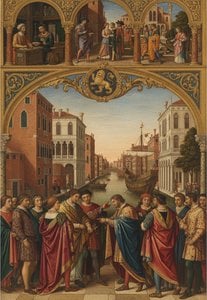
Vittore Carpaccio: Venetian Renaissance Narrative & the Poetics of Detail
Explore the captivating world of Vittore Carpaccio, a master storyteller of the Venetian Renaissance. Discover his intricate details, narrative cycles like 'The Legend of St. Ursula,' and unique artistic style.

Reflecting the Self: A History of Portraiture & Psychological Insight
Explore the fascinating history of self-portraiture from Renaissance masters like Dürer & Rembrandt to modern interpretations. Discover the psychological insights and artistic techniques behind these iconic works. Expert analysis for art enthusiasts.

Jacopo Tintoretto: Cele Mai Remarcabile 25 de Capodopere – Artă Clasică pentru Decorul Tău
Descoperă cele mai frumoase 25 de picturi ale lui Jacopo Tintoretto! Explorează capodopere renascentiste venețiene, scene biblice dramatice și stilul unic al artistului. Reproduceri artă de calitate muzeală pentru decorul tău pe ArtsDot.com.
