

 Previzualizare
 Trimite prin felicitare
 Distribuie
 Detalii despre lucrare
 Ghid
Ghid

 Descarcă imaginea
 Produse similare
 Radiografie
 Galerie foto
 Întrebări și răspunsuri
 Statistici
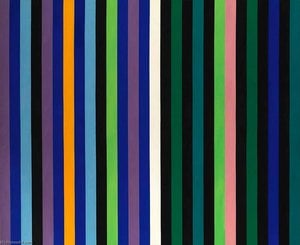
Red Baron

- 200.0 x 103.0 cm

 Vezi mai mult
Obțineți un fișier gata de imprimare care depășește cu mult calitatea previzualizării web. Fiecare imagine digitală pe care o vindem provine dintr-un master de înaltă rezoluție din baza noastră de date — având, de regulă, o lățime între 5.000 și 15.000 de pixeli — astfel încât să puteți printa în format mare, să decupați strâns sau să reproduceți detalii fine cu încredere.
Niciun fișier nu părăsește studioul nostru fără să fie tratat. Un expert digital verifică nuanțele de culoare în raport cu pictura originală și le corectează acolo unde este necesar, apoi îmbunătățește claritatea și detaliile folosind instrumente profesionale de retușare — rămânând întotdeauna fidel gestului pictural și stilului artistului. Rezultatul este o imagine care seamănă cu tabloul propriu-zis, nu cu o scanare filtrată.
Aprobați înainte de finalizare: expertul nostru vă va trimite imaginea prin e-mail în termen de 72 de ore pentru revizuire. Nu sunteți mulțumit? Solicitați îmbunătățiri sau corecturi, ori cereți o restituire a plății dacă calitatea nu este pe măsura așteptărilor.
Aceasta este calitatea pe care se bazează editorii, studiourile de design, galeriile și tipăriturile.
Imagine Digitală
Descărcați un fișier la rezoluție înaltă pentru afișare personală, imprimare și proiecte creative. ( Comută pe versiunea Print Comandă pictură realizată manual)
Inclus în fiecare comandă de imagini digitale
Livrare digitală de expertiză, garantată
Când alegeți ArtsDot.com, nu primiți doar o simplă imagine – primiți o operă de artă digitală îmbunătățită profesional, creată cu precizie și susținută de o garanție de satisfacție. Iată tot ceea ce primești odată cu comanda ta, în mod automat:

Livrare rapidă prin e-mail
Fișierul imaginii digitale la rezoluție înaltă vă va fi trimis prin e-mail în termen de 72 de ore de la finalizarea comenzii – gata pentru utilizare imediată.

Fișier digital optimizat prin IA
Opera ta de artă este optimizată profesional prin intermediul unor instrumente AI avansate și al editării manuale, asigurând un nivel maxim de detalii, claritate și acuratețe a culorilor.

Retransmitere gratuită pe viață
Ai șters sau ai pierdut din greșeală fișierul? Nu îți face griji – ți-l vom retrimite oricând, gratuit.

Fără taxe de import – Întotdeauna
Bucură-te instant de noua ta operă de artă, fără taxe vamale, taxe de import sau costuri de livrare – descărcările digitale sunt întotdeauna fără taxe.

Garanția acurateții culorilor
Asigurăm o reflectare cât mai fidelă a culorilor originale în imaginea ta digitală, prin utilizarea unor instrumente profesionale și a proceselor de gestionare a culorii.

Garanție de satisfacție de 100 de zile
Dacă nu sunteți mulțumit de imaginea digitală achiziționată, o vom revizui sau vă vom returna 100% în termen de 100 de zile – fără nicio întrebare.

Garanție de returnare 100% a banilor
Nu ești mulțumit? Primești rambursarea integrală în termen de 100 de zile de la primirea fișierului digital – fără nicio întrebare.

Reduceri pentru comenzi în volum
Cumpără 3 imagini, economisește 10% - Cumpără 5, economisește 15% - Cumpără 10+, economisește 20%. Ideal pentru proiecte creative, galerii și agenții.
Artist Background
Gene Bernard Davis was an American artist known for his contributions to the Color Field movement. His work often featured vertical stripes of color, which gave his paintings a sense of rhythm and energy. The Red Baron is a quintessential example of this style, with its bold red and orange hues evoking a sense of dynamism and movement.Painting Description
The Red Baron features two distinct sections: one predominantly red and the other mostly orange. The red section appears as a solid color, while the orange section has some texture and detail. This contrast between smooth and textured surfaces adds depth to the painting, making it more engaging for the viewer.Museum Collections
The Red Baron is part of the collection at the Smithsonian American Art Museum. You can find more information about this painting and other works by Gene Bernard Davis on the ArtsDot.com website.- The Red Baron is a significant work in the Gene Bernard Davis oeuvre, showcasing his unique style and contribution to the Color Field movement.
- The painting's bold colors and geometric shapes make it a visually striking piece that continues to captivate audiences today.
- As a leading figure in the Washington Color School, Gene Bernard Davis played an important role in shaping the development of American art in the mid-20th century.
The Red Baron is a testament to the enduring power of Color Field art, and its influence can still be seen in contemporary art today. As a masterpiece of American art, it continues to inspire and delight audiences around the world.
Întrebări și răspunsuri
Care este situația drepturilor de autor pentru "Red Baron" de Gene Bernard Davis?
„Red Baron” de Gene Bernard Davis este încă protejată de drepturile de autor. Termenul de protecție a drepturilor de autor se calculează de la data decesului artistului, iar Gene Bernard Davis a decedat în 1985.
Ce culoare domină compoziția lucrării "Red Baron" de Gene Bernard Davis?
Culoarea dominantă a operei "Red Baron" de Gene Bernard Davis este Mahogany (#e2311b).
Ce armonie de culori prezintă "Red Baron" de Gene Bernard Davis?
Culorile din "Red Baron" de Gene Bernard Davis prezintă o armonie Unified Palette. Armonia descrie modul în care culorile interacționează între ele.
Opere similare


Biografie artist
The Architect of Color: The Life and Legacy of Gene Bernard Davis
In the vibrant tapestry of mid-century American abstraction, few threads shine as brightly or as rhythmically as those woven by Gene Bernard Davis. A pioneer of the Color Field movement, Davis possessed a singular ability to transform the canvas into a rhythmic experience of light and motion. Born in Brooklyn, New York, in 1920, his artistic journey was not one of immediate abstraction but rather a gradual, profound evolution shaped by a keen observational eye and an unwavering dedication to color theory. His early years were marked by a fascinating confluence of experiences, including a youthful immersion in sports journalism and a deep engagement with the social landscape of Washington D.C., which would later inform his unique perspective on visual rhythm.
Davis’s artistic sensibilities were deeply rooted in the teachings of the European avant-garde. His formal training at Yale University under the legendary Josef Albers proved transformative, instilling in him a fascination with geometric abstraction and the complex mechanics of optical illusions. From Albers, Davis learned that color could communicate emotion and intellect simultaneously, a conviction that became the heartbeat of his career. He drew inspiration from the structured precision of Piet Mondrian and the perceptual harmonies of Albers, blending these influences to create a style that was both mathematically disciplined and emotionally resonant.
A Symphony of Stripes: Technique and Innovation
The true breakthrough for Davis arrived in 1953 with his monumental canvas, “Bay.” Executed in evocative shades of blue, this work established him as a visionary innovator within the Washington Color School. It was here that he perfected his signature technique: the deliberate layering of vertical and horizontal stripes, meticulously calibrated to create an illusion of depth, vibration, and movement. For Davis, the stripe was never merely decorative; it was a scientific tool used to investigate the fundamental principles of color perception and the relationship between pigment and surface texture.
As his career progressed, his palette expanded into breathtaking explorations of chromatic energy. His works often featured:
- Chromatic Vibrancy: The use of bold, juxtaposed colors such as red, yellow, blue, and green to create a sense of pulsating light.
- Geometric Precision: A mastery of the stripe pattern to guide the viewer's eye across the canvas in a rhythmic dance.
- Scale and Presence: Large-scale compositions, such as “The Red Witch” (1966), designed to fill the viewer's entire field of vision and envelop them in color.
This exploration reached iconic heights in works like “Flower Machine” (1964), where a colorful striped pattern of pink, purple, orange, and blue evokes a sense of joy and organic creativity, blending the boundaries between geometric abstraction and the essence of nature.
Historical Significance and Enduring Vision
Gene Bernard Davis stands as a monumental figure in the history of 20th-century art, bridging the gap between the raw energy of Abstract Expressionism and the calculated precision of Post-Painterly Abstraction. His ability to manipulate the viewer's perception through color alone helped define the aesthetic of the Washington Color School, leaving an indelible mark on American modernism. Even in his later works, such as the striking 1984 piece “Color Needles,” he continued to refine his use of gold and brown lines, proving that his fascination with Op Art and geometric rhythm remained undiminished.
Today, the legacy of Davis lives on through the enduring power of his canvases. He remains a master of the chromatic experience, reminding us that art can be both a cerebral investigation of light and a deeply visceral encounter with beauty. His work continues to captivate collectors and historians alike, serving as a testament to a life spent decoding the infinite possibilities of the spectrum.
Gene Bernard Davis
1920 - 1985
Detalii rapide
- Artistic Movement Or Style: Color Field Painting
- Artists Or Movements Influenced By This Artist: ['Washington Color School']
- Artists Who Influenced This Artist:
- Barnett Newman
- Helen Frankenthaler
- Date Of Birth: 1920
- Date Of Death: 1985
- Full Name: Gene Bernard Davis
- Nationality: American
- Notable Artworks:
- Bay
- Peeping Wall
- Two Part Blue
- Place Of Birth: New York City, USA