

 Previzualizare
 Trimite
 Distribuie
 Detalii despre lucrare

 Descarcă
 Produse similare
 Radiografie
 Diapozitive automate
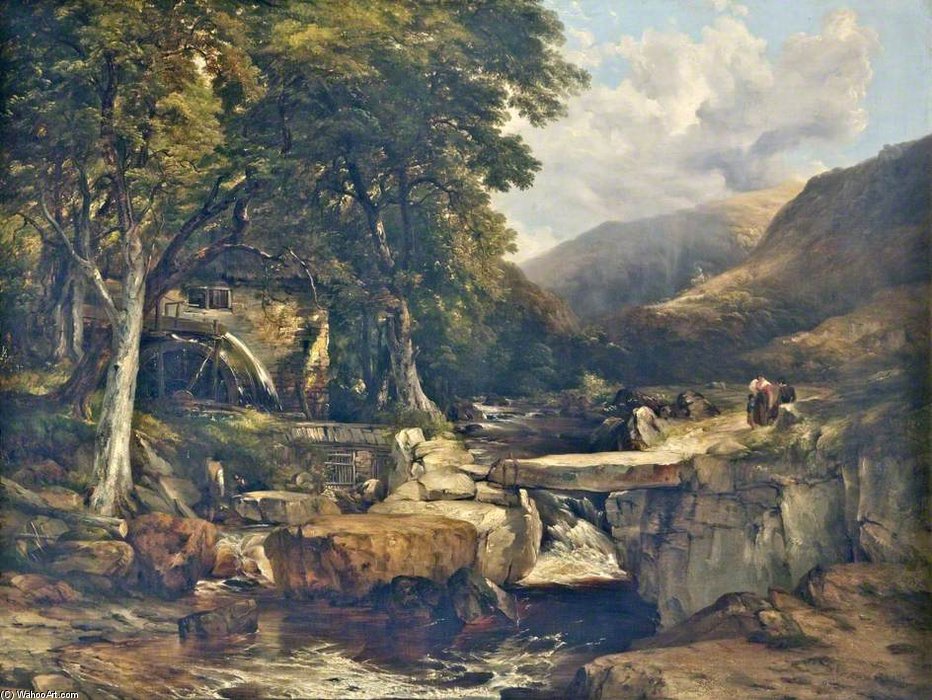
River Teign, Devonshire
 Vezi mai mult
Giclée / Imprimare artistică
Printuri giclée sau pe canvas de calitate muzeală, cu proces de producție rapid și opțiuni flexibile de finisare. ( Comandă pictură lucrată manual Cumpără imaginea)




































Alegeți dintre dimensiunile noastre prestabilite, care respectă proporțiile originale ale operei de artă.

Puteți introduce propriile dimensiuni pentru a se potrivi unui anumit cadru sau spațiu. Dacă dimensiunea selectată nu corespunde proporțiilor imaginii originale, vom decupa lucrarea de artă sau vom extinde imaginea cu margini oglindite sau cu o culoare uniformă. Un mockup digital va fi trimis pentru aprobarea dumneavoastră înainte de începerea producției.
Vă rugăm să rețineți că previzualizarea de pe ecran nu reflectă decuparea sau extinderea reală. Doar mockup-ul va arăta cu exactitate compoziția finală.
Deși dimensiunile personalizate sunt disponibile, vă recomandăm să selectați o dimensiune din lista predefinită pentru a păstra proporțiile originale.
Livrare în întreaga lume () în 2 săptămâni, în loc de cele 4/5 săptămâni standard. (19 August)

Livrare expres gratuită la nivel mondial

Pânză de in de înaltă calitate

Asigurare completă pentru transport

Garanție de rambursare a taxelor vamale

Garanția fidelității culorilor

Politica de retur în 60 de zile (doar pentru defecte)

Garanție de rambursare 100%

Ofertă pentru comenzi multiple
 Opțiunea cu sticlă este disponibilă doar pentru dimensiuni de sub 110 cm

River Teign, Devonshire
Giclée / Imprimare artistică
Dimensiune reproducere
-


Preț total calculat
$ 62
Opere similare


Biografie artist
A Life Immersed in Landscape
Frederick Richard Lee, born in the coastal town of Barnstaple, Devon, in 1798, dedicated his life to capturing the serene beauty of the British countryside and beyond. His artistic journey spanned over six decades, a testament to both enduring passion and considerable skill. From humble beginnings, he ascended within the art world, becoming a respected member of the Royal Academy and leaving behind a legacy of idyllic landscapes that continue to resonate with audiences today. Lee’s early inclinations led him to London in 1818, where he enrolled as a student at the prestigious Royal Academy. This formal training provided a solid foundation for his developing talent, instilling technical proficiency and an understanding of composition that would characterize his future work. By 1834, Lee had begun establishing himself as a promising artist, earning recognition with paintings like “Bringing in the Stag,” now held in the Tate Gallery’s collection. This early success paved the way for his election as an Associate of the Royal Academy (A.R.A.) that same year—a significant milestone signifying acceptance within the established art community. Just four years later, in 1838, he achieved full membership, solidifying his position among Britain’s leading artists.Romantic Influences and Artistic Development
Lee's artistic style was deeply rooted in the Romantic movement, an era that celebrated emotion, imagination, and the sublime power of nature. He shared a particular affinity with the work of John Constable, whose masterful depictions of the English countryside profoundly influenced Lee’s own approach to landscape painting. Like Constable, Lee possessed a keen eye for detail and a remarkable ability to capture atmospheric effects, imbuing his scenes with tranquility and naturalism. His canvases often feature lush pastoral settings, populated by grazing cattle, rolling hills, and idyllic rural life—scenes that evoked a nostalgic longing for a simpler time. He frequently collaborated with other prominent artists of the day, most notably Thomas Sidney Cooper and Sir Edwin Landseer. These partnerships were mutually beneficial, allowing Lee to focus on rendering the landscape while Cooper and Landseer contributed their expertise in animal painting. The resulting works showcased a harmonious blend of artistic talents, broadening Lee’s appeal and contributing to his commercial success. Beyond pastoral scenes, Lee also demonstrated versatility by exploring seascapes, Scottish landscapes—such as “Gillingham Mill” and “North Duffield Bridge”—and views of continental Europe, including the iconic “Rock of Gibraltar” and the ancient “Pont du Gard.”A Prolific Career and Later Years
Frederick Richard Lee was an exceptionally prolific artist, credited with over 300 paintings throughout his career. This remarkable output speaks to unwavering dedication to craft and ability to consistently produce high-quality work. His paintings were in high demand during his lifetime, reflecting broad appeal among Victorian audiences who appreciated romantic depictions of the British countryside. As he approached retirement, Lee began dividing time between England and South Africa, eventually settling permanently at Herman station in South Africa in 1879. Even in later years, he remained actively engaged with art world, becoming an honorary retired academician in 1871—a testament to enduring contributions to British art. He passed away that same year, leaving behind a rich artistic legacy celebrated today. His works are held in numerous public collections, including the Tate Gallery and Art UK, ensuring his vision of natural world will continue inspire generations.Key Characteristics
- Romanticism: Lee’s paintings are deeply rooted in the Romantic movement's emphasis on emotion, imagination, and beauty of nature.
- Pastoral Scenes: He specialized in depicting idyllic rural scenes featuring cattle, landscapes, and country life.
- Collaborations: Lee frequently collaborated with artists like Thomas Sidney Cooper and Sir Edwin Landseer, enhancing his work’s appeal.
- Technical Skill: His paintings demonstrate mastery of detail, atmospheric effects, and harmonious color palettes.
- Prolific Output: With over 300 attributed works, Lee was an exceptionally productive artist throughout his six-decade career.
Legacy and Historical Significance
Frederick Richard Lee’s paintings stand as valuable visual records of 19th-century Britain, documenting rural life and scenery with remarkable detail and sensitivity. His work embodies core tenets of Romanticism—emphasis on emotion, imagination, beauty of nature—while reflecting growing interest in landscape painting during Victorian era. While perhaps not revolutionary as some contemporaries, Lee’s consistent output and popular appeal helped shape landscape painting tradition in England. He provided a bridge between earlier Romantic ideals of Constable and Turner and evolving artistic sensibilities of late 19th century. His ability to capture atmospheric light and detail, combined with skill depicting pastoral scenes, has ensured paintings remain popular among collectors and art enthusiasts alike. Lee’s legacy extends beyond individual works; he also played role in fostering collaboration within art world, evidenced by fruitful partnerships with Cooper and Landseer. Life and work serve as reminder of enduring power of landscape painting to evoke emotion, inspire contemplation, connect us to natural world.
Frederick Richard Lee
1798 - 1879 , Regatul Unit
Detalii rapide
- Artistic Movement Or Style: Romanticism
- Artists Who Influenced This Artist: ['John Constable']
- Date Of Birth: 1798
- Date Of Death: 1879
- Full Name: Frederick Richard Lee
- Nationality: British
- Notable Artworks:
- Bringing in the Stag
- Gillingham Mill
- Rock of Gibraltar
- Place Of Birth: Barnstaple, UK

