


 Previzualizare
 Trimite
 Distribuie
 Detalii despre lucrare

 Descarcă
 Produse similare
 Radiografie
 Diapozitive automate
Una Marson


 Vezi mai mult
Reproducere pictată manual în ulei
Pictură în ulei pe pânză, realizată manual de artiștii noștri la dimensiunea și ramele dorite de dumneavoastră, pe comandă. ( Comandă printul Cumpără imaginea)




































Alegeți dintre dimensiunile noastre prestabilite, care respectă proporțiile originale ale operei de artă.

Puteți introduce propriile dimensiuni pentru a se potrivi unui anumit cadru sau spațiu. Dacă dimensiunea selectată nu corespunde proporțiilor imaginii originale, vom decupa opera de artă sau vom extinde pictura cu elemente suplimentare pictate manual. O simulare digitală vă va fi trimisă pentru aprobare înainte de începerea producției.
Vă rugăm să rețineți că previzualizarea de pe ecran nu reflectă decuparea sau extinderea reală. Doar macheta va arăta cu exactitate compoziția finală.
Deși sunt disponibile dimensiuni personalizate, vă recomandăm să selectați o dimensiune din lista predefinită pentru a păstra proporțiile originale.
După plasarea comenzii, echipa ArtsDot.com va contacta clientul prin e-mail pentru instrucțiuni și îi va furniza o previzualizare a machetei
Livrare în întreaga lume () în 3-4 săptămâni, în loc de cele 5 săptămâni standard. (2 Septembrie). Fără compromisuri în ceea ce privește calitatea.

Livrare expres gratuită la nivel mondial

Pânză de in de înaltă calitate

Asigurare completă pentru transport

Garanție de rambursare a taxelor vamale

Garanția fidelității culorilor

Politica de retur în 60 de zile (doar pentru defecte)

Garanție de rambursare 100%

Ofertă pentru comenzi multiple
 Opțiunea cu sticlă este disponibilă doar pentru dimensiuni de sub 110 cm

Una Marson
Tehnică de reproducere
Dimensiune reproducere
-


Preț total calculat
$ 263
Opere similare


Biografie artist
Frederick Ramage: Witnessing History Through Lens
Frederick Ramage (1900 – 1981) was a British photographer whose career unfolded during one of the most transformative periods in modern history—World War II—establishing him as an unparalleled chronicler of conflict and securing his place among the foremost visual storytellers of his time. Born in Hull, Yorkshire, Ramage possessed an innate fascination for capturing fleeting moments and conveying profound emotion through the medium of photography—a passion that fueled a distinguished professional life marked by unwavering dedication to artistic integrity and humanist compassion. His formative years instilled within him a deep appreciation for observation and meticulous detail—skills he honed early on before joining Keystone Press Agency in 1917. This pivotal decision propelled him into the realm of journalistic assignments, exposing him to significant events across Britain and Europe and solidifying his commitment to documenting reality with sensitivity and precision. Keystone’s collaborative environment fostered Ramage's artistic development, shaping his distinctive photographic style—characterized by a profound understanding of composition, lighting, and tonal range—elements that would become hallmarks of his oeuvre. The Second World War irrevocably altered the trajectory of Ramage’s career, transforming him into an icon of documentary photography. He undertook tireless efforts to record the immense refugee crisis gripping Britain and beyond, portraying displaced families with remarkable empathy and capturing their resilience amidst unimaginable hardship. Simultaneously, he documented the courage displayed by soldiers on the front lines—faces etched with determination and bearing witness to the psychological toll of war—offering poignant glimpses into the human spirit confronting existential challenges. Ramage’s photographic gaze extended beyond battlefield panoramas; he skillfully captured portraits of influential figures like Winston Churchill and Dwight D. Eisenhower, immortalizing their leadership during a moment that would reshape the course of global history. These images transcended mere documentation; they functioned as powerful narratives—infused with emotion and conveying the spirit of an era—cementing Ramage’s reputation as a masterful storyteller through visual media. His photographs graced publications such as Time Magazine and The National Gallery of Art, ensuring his work reached a vast audience and contributing to a richer understanding of the war years. Ramage's artistic vision championed documentary photography not merely as a recording device but as an instrument for social commentary—a stance that reflected his belief in the transformative power of images to inspire reflection and provoke action. He skillfully blended technical prowess with humanist empathy—a combination that resulted in timeless portraits of humanity confronting adversity, solidifying his legacy as one of Britain’s most important photographic artists.- Notable Works: Among Ramage's extensive archive are captivating depictions of everyday life during wartime, alongside portraits of prominent political leaders and cultural figures.
- Influences: Ramage drew inspiration from Impressionist painters like Claude Monet and Auguste Renoir—artists who prioritized capturing fleeting moments of light and color—reflecting his own stylistic preferences.

frederick ramage
1900 - 1981 , Regatul Unit
Detalii rapide
- Artistic Movement Or Style: Documentary Photography
- Date Of Birth: 1900
- Date Of Death: 1981
- Full Name: Frederick Ramage
- Nationality: British
- Notable Artworks: ['Una Marson']
- Place Of Birth: Hull, United Kingdom
Articole similare

Top 10 Capodopere Alb-Negru: Frumusețe Atemporală în Artă | ArtsDot.ro
Descoperă top 10 picturi celebre dominate de alb, de la Monet la Kandinsky! Explorează istoria artei, tehnicile artistice și frumusețea atemporală a capodoperelor clasice. Reproduceri de calitate muzeală pe ArtsDot.com – inspiră-ți decorul!

Top 10 Tablouri Celebre Dominante de Negru: Artă, Istorie și Decor Rafinat
Descoperă Top 10 tablouri celebre dominate de negru! Explorează istoria, simbolismul și tehnicile artistice ale unor opere iconice de Rembrandt, Goya și alți maeștri. Reproduceri de artă de calitate muzeală pe ArtsDot.com – inspiră-ți decorul!

Monochrome Visions: Exploring the Aesthetic & Historical Significance of Black & White Photography
Explore the rich history & artistic power of black and white photography. From early techniques to iconic masters like Ansel Adams, discover why monochrome continues to captivate art lovers today. Expert insights for collectors.
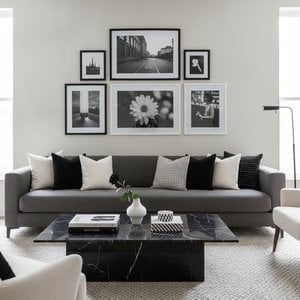
Timeless & Chic: Elevating Your New Home with the Sophistication of Black and White Photography
Transform your new home with the timeless allure of black and white photography. ArtsDot.com specializes in elegant monochrome decor and custom hand-painted wedding portraits that turn cherished milestones into lasting, soulful masterpieces. Elevate your space with ease.

Monocromia Timpului: Transformă Fotografiile Personale în Capodopere Artistice Alb-Negru de Înaltă Definiție
Transformă fotografiile tale personale în capodopere alb-negru cu ArtsDot! Experți în reproduceri de artă, oferim picturi ulei personalizate de înaltă calitate. Creează o moștenire artistică durabilă pentru familia ta.

