

 Previzualizare
 Trimite prin felicitare
 Distribuie
 Detalii despre lucrare
 Ghid
Ghid

 Descarcă imaginea
 Produse similare
 Radiografie
 Galerie foto
 Q&A
Q&A Statistici
Madedon Landscape


 Vezi mai mult
Giclée / Imprimare artistică
Printuri giclée sau pe canvas de calitate muzeală, cu proces de producție rapid și opțiuni flexibile de finisare. ( Comandă pictură realizată manual Comută pe Imagine Digitală)




P118B lei10

P118H lei10

P118W lei10

P438Z lei10

P508JH lei12

P508YH lei12

P805H lei10

P805Z lei10

P919BZ lei10

P919G lei10

P919XJ lei10

P959ZH lei10

P968JZ lei12

W106C lei8

W218G lei10

W218JH lei8

W218Y lei10

W307PJ lei10

W316G lei10

W316PJ lei8

W316Y lei10

W398PJ lei8

W4111J lei10

W500HY lei15

W500JH lei15

W692G lei12

W849H lei8

W940BG lei15

W953PJ lei8




Alegeți dintre dimensiunile noastre prestabilite, care respectă proporțiile originale ale operei de artă.

Introduceți lățimea și înălțimea necesare pentru a se potrivi ramei sau peretelui dumneavoastră. O printare poate fi doar tăiată, niciodată extinsă dincolo de dimensiunea imaginii originale, astfel încât o dimensiune cu o formă diferită va pierde o parte din imagine. Vă trimitem o simulare digitală pentru aprobare înainte de a imprima orice. Imaginea afișată pe această pagină nu prezintă tăierea reală — doar simularea arată acest lucru.
Livrare în întreaga lume () în 2 săptămâni, în loc de cele 4/5 săptămâni standard. (2 Noiembrie)

Livrare expres gratuită la nivel mondial

Pânză de in de înaltă calitate

Asigurare completă pentru transport

Garanție de rambursare a taxelor vamale

Garanția fidelității culorilor

Politica de retur în 100 de zile (doar pentru defecte de fabricație)

Garanție de rambursare 100%

Ofertă pentru comenzi multiple
 Opțiunea cu sticlă este disponibilă doar pentru dimensiuni de sub 110 cm

Madedon Landscape
Giclée / Imprimare artistică
Dimensiune reproducere
-


Preț total calculat
lei 295
An Autumnal Symphony in Gold and Amber
In the quiet transition of the seasons, few moments capture the ephemeral beauty of nature as poignantly as the turning of the leaves. Madedon Landscape, a masterful creation from 1913 by the esteemed Australian Impressionist Frederick McCubbin, invites the viewer into a world of warmth and nostalgic splendor. The painting presents a breathtaking vista of an autumnal woodland, where the trees are draped in a rich tapestry of ochre, burnt orange, and brilliant yellows. As the eye wanders through the composition, it encounters a delicate balance between the sturdy trunks of the foreground and the soft, hazy silhouettes of the distant forest, creating a profound sense of depth that draws the soul into the heart of the Australian bush.
The technique employed in this piece reflects McCubbin’s deep connection to the Heidelberg School, where light and atmosphere were treated with almost spiritual reverence. Through a delicate application of color, the artist captures the way sunlight filters through thinning canopies, illuminating the scattered leaves that carpet the open field below. There is a rhythmic quality to the brushwork; it is not merely a depiction of trees, but an attempt to capture the very breath of the landscape. The interplay between the bright, sun-kissed foliage and the more muted, shadowed recesses of the earth creates a visual melody that resonates with the quietude of a late afternoon in autumn.
A Legacy of National Identity and Emotional Resonance
Beyond its surface beauty, Madedon Landscape serves as a window into the historical consciousness of early 20th-century Australia. McCubbin, a pioneer of Australian Impressionism, spent much of his career translating the unique light and rugged textures of his homeland into a visual language that could stand alongside European traditions while remaining distinctly local. This painting embodies that mission, stripping away the complexities of human figures to focus on the raw, emotive power of the land itself. The bareness of certain branches hints at the cycle of life and decay, symbolizing the resilience required to thrive within the changing seasons—a theme that mirrored the burgeoning national identity of Australia during McCubino's era.
For the discerning collector or interior designer, this artwork offers more than just a decorative element; it provides an emotional anchor. The warm palette of gold and amber is naturally inviting, capable of infusing a room with a sense of tranquility and organic warmth. Whether placed in a sun-drenched gallery or a sophisticated contemporary living space, the painting acts as a portal to a serene, timeless era. It is a piece that rewards prolonged contemplation, offering new layers of light and shadow to those who pause to appreciate its quiet, enduring majesty.
Întrebări și răspunsuri
Cine a creat "Madedon Landscape" și în ce an?
Lucrarea „Madedon Landscape” este creată de Frederick McCubbin și datează din 1913.
Este disponibil un link de descărcare pentru "Madedon Landscape"?
"Madedon Landscape" de Frederick McCubbin poate fi descărcat de pe pagina dedicată lucrării, Descărcare, sub formă de descărcare imagine digitală de înaltă rezoluție.
Pentru cine reprezintă "Madedon Landscape" de Frederick McCubbin un cadou potrivit?
"Madedon Landscape" de Frederick McCubbin este recomandată ca cadou pentru Seasonal Gift, în special pentru Seasonal. O reproducere a acestei opere de artă poate fi oferită ca prezent.
Opere similare


Biografie artist
A Life Rooted in the Australian Landscape
Frederick McCubbin, born in Melbourne on February 25th, 1855, stands as a cornerstone of Australian art, inextricably linked to the nation’s evolving identity and its unique visual language. His journey from humble beginnings – the son of bakers who instilled in him a strong work ethic – to becoming a pivotal figure in the Heidelberg School is a testament to his dedication and artistic vision. McCubbin's early life was marked by diverse experiences, working as a solicitor’s clerk and assisting in the family bakery before fully embracing his calling as a painter. These formative years, though seemingly disparate, imbued him with a deep understanding of everyday Australian life, a theme that would resonate profoundly throughout his oeuvre. He received foundational training at the National Gallery of Victoria's School of Design, studying under esteemed artists like Eugene von Guerard and George Folingsby, honing his skills in landscape painting while absorbing the prevailing artistic currents of the time. A crucial turning point arrived with his enduring friendship with Tom Roberts, a bond that would shape the course of Australian art history.The Heidelberg School and Defining a National Aesthetic
In 1885, McCubbin and Roberts established the Box Hill Artists' Camp, a landmark event in the development of the Heidelberg School movement. This plein air collective – soon joined by Arthur Streeton and Charles Conder – sought to capture the essence of Australian life and landscapes with an unprecedented immediacy and authenticity. Rejecting the conventions of European academic painting, they ventured into the bush, embracing the raw beauty and harsh realities of the Australian environment. McCubbin’s contributions during this period were instrumental in defining a distinctly Australian aesthetic. His works from this era, such as Down on His Luck (1889), On the Wallaby Track (1896), and The Pioneer (1904), are now iconic representations of pioneering life, depicting the struggles and resilience of early settlers against the backdrop of a vast and often unforgiving landscape. These paintings weren’t merely depictions of scenery; they were narratives imbued with social commentary, exploring themes of solitude, hardship, and the complex relationship between European settlers and the Indigenous land. Heidelberg School artists aimed to paint what was uniquely Australian, moving away from imported styles and subjects. They prioritized capturing light and atmosphere—the way sunlight filtered through eucalyptus trees—creating images that felt alive and emotionally charged. McCubbin’s palette favored earthy tones – ochres, browns, greens – reflecting the colors of the bush itself.Evolution of Style and a Continued Exploration of Identity
While deeply committed to capturing the spirit of Australia, McCubbin wasn’t immune to external influences. A pivotal journey to Europe in 1907 exposed him to the works of J.M.W. Turner and French Impressionists, prompting a subtle yet significant shift in his artistic approach. He began experimenting with freer brushwork, lighter colors, and a more abstracted style, evident in later paintings like An Interior, which many critics consider among his strongest achievements. This evolution wasn’t a rejection of his earlier themes but rather a refinement of his ability to convey emotion and atmosphere. He continued to depict scenes of rural life—farmers tending their crops, families gathering around the hearth—often focusing on the interplay between light and shadow, creating works that are both visually stunning and emotionally resonant. McCubbin’s technique developed over time, becoming looser and more expressive as he matured as an artist. He skillfully blended color to create luminous effects, capturing the mood of a particular moment or place.Major Achievements and Legacy
Frederick McCubbin achieved considerable renown during his lifetime, establishing himself as one of Australia's most respected landscape painters. His paintings were exhibited extensively in Melbourne and London, garnering critical acclaim for their authenticity and emotional depth. He served as president of the Victorian Artists’ Society and played a key role in fostering artistic dialogue within the Australian art community. McCubbin’s enduring influence can be seen in the work of subsequent generations of artists who embraced his vision of capturing the essence of Australia—its beauty, its challenges, and its spirit. His legacy continues to inspire admiration for his masterful use of color and brushwork, cementing his place as a true pioneer and visionary within Australian art history. He remains celebrated as one of Australia's most important and beloved painters, whose works continue to resonate with audiences today, offering poignant glimpses into the nation’s past and enduring reflections on the human condition.
Frederick McCubbin
1855 - 1917 , Australia
Detalii rapide
- Artistic Movement Or Style: Impressionism
- Artists Or Movements Influenced By This Artist: ['Heidelberg School']
- Artists Who Influenced This Artist:
- Eugene von Guerard
- George Folingsby
- Date Of Birth: Feb 25, 1855
- Date Of Death: Dec 20, 1917
- Full Name: Frederick McCubbin
- Nationality: Australian
- Notable Artworks:
- On the Wallaby Track
- Down on His Luck
- The Pioneer
- Place Of Birth: Melbourne, Australia
Articole similare

The Golden Hue: Exploring Symbolism & Emotion in Yellow Art
Explore the rich symbolism & emotional power of yellow in art history! From Van Gogh to Kandinsky, discover how artists used this vibrant hue. Expert analysis & high-quality reproductions at ArtsDot.

Arboreal Echoes: A Historical & Artistic Exploration of Trees in Painting
Explore the rich history of trees in painting! Discover symbolism, Romantic masterpieces by Caspar David Friedrich & beyond. A curated journey for art enthusiasts.
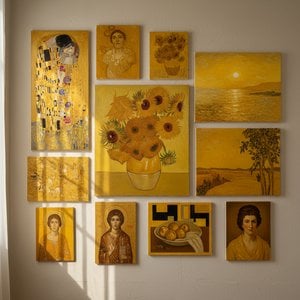
Top 10 Capodopere Pictate în Nuanțe de Ocră Galben: Artă și Decor Inspirat
Descoperă top 10 picturi celebre dominate de nuanțe calde de ocră galben! Explorează poveștile lui Van Gogh, Monet și Rembrandt. Găsește inspirație pentru decorul tău cu reproduceri artă de calitate muzeală pe ArtsDot.com

Arboreal Echoes: A Historical & Artistic Exploration of Trees in Painting
Explore the rich history of trees in painting! Discover symbolism, Romantic masterpieces by Caspar David Friedrich & beyond. A curated journey for art enthusiasts.
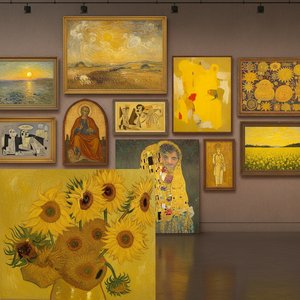
Top 10 Capodopere Picturale Dominate de Galben Crom: Artă, Istorie și Decor
Descoperă top 10 tablouri celebre dominate de galben crom! Van Gogh, Monet și alți maeștri ai impresionismului. Istorie, tehnică și inspirație pentru decorul casei tale. Reproduceri de artă de calitate muzeală pe ArtsDot.com
