

 Previzualizare
 Trimite prin felicitare
 Distribuie
 Detalii despre lucrare
 Ghid
Ghid

 Descarcă imaginea
 Produse similare
 Radiografie
 Galerie foto
 Întrebări și răspunsuri
 Statistici
Tiger


 Vezi mai mult
Giclée / Imprimare artistică
Printuri giclée sau pe canvas de calitate muzeală, cu proces de producție rapid și opțiuni flexibile de finisare. ( Comandă pictură realizată manual Comută pe Imagine Digitală)




P118B lei10

P118H lei10

P118W lei10

P438Z lei10

P508JH lei12

P508YH lei12

P805H lei10

P805Z lei10

P919BZ lei10

P919G lei10

P919XJ lei10

P959ZH lei10

P968JZ lei12

W106C lei8

W218G lei10

W218JH lei8

W218Y lei10

W307PJ lei10

W316G lei10

W316PJ lei8

W316Y lei10

W398PJ lei8

W4111J lei10

W500HY lei15

W500JH lei15

W692G lei12

W849H lei8

W940BG lei15

W953PJ lei8




Alegeți dintre dimensiunile noastre prestabilite, care respectă proporțiile originale ale operei de artă.

Introduceți lățimea și înălțimea necesare pentru a se potrivi ramei sau peretelui dumneavoastră. O printare poate fi doar tăiată, niciodată extinsă dincolo de dimensiunea imaginii originale, astfel încât o dimensiune cu o formă diferită va pierde o parte din imagine. Vă trimitem o simulare digitală pentru aprobare înainte de a imprima orice. Imaginea afișată pe această pagină nu prezintă tăierea reală — doar simularea arată acest lucru.
Livrare în întreaga lume () în 2 săptămâni, în loc de cele 4/5 săptămâni standard. (18 Noiembrie)

Livrare expres gratuită la nivel mondial

Pânză de in de înaltă calitate

Asigurare completă pentru transport

Garanție de rambursare a taxelor vamale

Garanția fidelității culorilor

Politica de retur în 100 de zile (doar pentru defecte de fabricație)

Garanție de rambursare 100%

Ofertă pentru comenzi multiple
 Opțiunea cu sticlă este disponibilă doar pentru dimensiuni de sub 110 cm

Tiger
Giclée / Imprimare artistică
Dimensiune reproducere
-


Preț total calculat
lei 299
Subiect și Compoziție
Această operă de artă remarcabilă gravitează în jurul unui felină maiestuoasă, cel mai probabil un tigru sau un alt animal de talie mare, surprins într-un moment de liniștită forță și introspecție. Privirea pătrunzătoare a animalului îi atrage pe spectatori în lumea sa, evocând un sentiment de mister și profunzime emoțională. Compoziția este dinamică, dar echilibrată, prezentând fațete geometrice fragmentate care sugerează perspective multiple, invitând privitorul să exploreze subiectul din diverse unghiuri. Forma fragmentată subliniază puterea înnăscută și independența animalului, transformându-l într-un punct focal captivant pentru orice spațiu.Stil și Tehnică
Creată în anul 1912, această piesă exemplifică stilul cubist, caracterizat prin formele sale geometrice îndrăznețe și abstracte. Artistul utilizează linii ascuțite și fațete suprapuse pentru a fragmenta subiectul, punând accent pe tridimensionalitatea planului pictat, în timp ce creează totodată o senzație de profunzime stratificată. Paleta vibrantă prezintă culori contrastante — galben, roșu, verde și violet — aplicate prin pensule expresive care transmit mișcare și intensitate emoțională. Utilizarea unor trăsături largi, pline de încredere, și a texturilor stratificate îmbunătățește calitatea tactilă a lucrării, transformând-o într-o experiență vizuală vie.Context Istoric și Semnificație Artistică
Produsă într-o perioadă crucială a artei de la începutul secolului XX, această lucrare reflectă spiritul inovator al cubismului și al expresionismului german. Artistul, Franz Marc, a fost un pionier în explorarea potențialului spiritual și simbolic al animalelor, reprezentându-le adesea ca întruchipări ale vitalității și rezilienței. Această piesă se aliniază cu fascinația lui Marc pentru simbolismul spiritual al faunei, pe care el credea că reprezintă puritatea, forța și profunzimea emoțională. Creată în 1912, chiar înainte de furtuna Primului Război Mondial, lucrarea surprinde un moment de experimentare artistică și explorare emoțională care continuă să rezoneze și în prezent.Simbolism și Impact Emoțional
Privirea intensă a felinei și culorile vibrante, contrastante, evocă un răspuns emoțional profund, trezind sentimente de uimire, contemplare și rezistență. Forma fragmentată simbolizează complexitatea percepției și natura multifacetată a identității. Opera de artă îi invită pe spectatori să privească dincolo de aparențele superficiale și să interacționeze cu calitățile spirituale, mai profunde, ale subiectului. Limbajul său vizual îndrăzneț și profunzimea emoțională o transformă într-o piesă de impact, capabilă să inspire reflecție și dialog în orice context.Perfectă pentru Colecționari și Design Interior
Această reproducere de înaltă calitate oferă iubitorilor de artă, colecționarilor și designerilor de interior o oportunitate excepțională de a aduce o piesă de inovație modernistă timpurie în spațiile lor. Compoziția sa dinamică și paleta vibrantă o transformă într-un element central care atrage toate privirile, atât în interioare contemporane, cât și în cele clasice. Fie că este expusă într-un living, într-un birou sau într-o galerie, această operă de artă adaugă un strat de sofisticare, rezonanță emoțională și istorie artistică, devenind o adiție atemporală oricărei colecții.Întrebări și răspunsuri
Ce emoție transmite "Tiger" de Franz Marc?
"Tiger" de Franz Marc transmite un ton emoțional Impunător.
Ce stare și ce emoție se regăsesc în "Tiger"?
În "Tiger", o atmosferă Dramatic însoțește o emoție Impunător.
În ce tehnică este realizată lucrarea "Tiger" de Franz Marc?
Tehnica utilizată pentru "Tiger" de Franz Marc este Ulei pe pânză, iar reproducerile urmăresc să reducă aspectul acestei tehnici.
Opere similare


Biografie artist
Tinerețea, Familia și Formarea
Franz Marc s-a născut în München, Germania, într-un cămin în care limbajul vizual al peisajului era deja bine stabilit. Tatăl său, Wilhelm Marc, era pictor de peisaje profesionist, oferindu-i astfel o introducere directă, deși nu complet certă, în mecanismul artei. Această legătură familială a însemnat ca instrumentele meseriei să fie prezente încă de la început, însă drumul lui Marc nu a fost o linie dreaptă de la moștenire la pânză. Înainte de a se consacra vieții de pictor, a petrecut timp luptându-se cu teologia, o perioadă de căutare spirituală care va dicta, mai târziu, intensitatea producției sale vizuale. Această tensiune dintre sacru și material este cea care conferă lucrărilor sale ulterioare acea greutate specifică și profundă.
Formarea sa academică a început în anul 1900, când s-a înscris la programul de arte de la Ludwig-Maximilians-Universität München. Această bază academică nu a fost o simplă formalitate; ea i-a oferit rigoarea tehnică necesară pentru a putea, în cele din urmă, demonta reprezentarea tradițională. Urmând perioada petrecută la Universitatea din München, acesta a trecut la Academia de Arte Fine din München. Această succesiune a studiilor l-a îndepărtat de principiile academice generale, conducându-l spre acea concentrare specializată și intensă, necesară pentru schimbările radicale pe care le va conduce în viitor. Marc nu a fost rezultatul unui talent accidental, ci al unei imersii deliberate și structurate în tradițiile formale ale München-ului.
Dezvoltarea Artistică și Influențele
Primele lucrări ale lui Franz Marc reflectă greutatea academicismului și a Impresionismului. Aceste fundații tradiționale i-au oferit structura tehnică pe care, în cele din urmă, o va demonta cu îndrăzneală. Perioada petrecută în Franța, în special în timpul vizitelor de la Paris din 1903 și 1907, a acționat ca un catalizator pentru această prăbușire a convențiilor. Tocmai în Paris a descoperit opera lui Vincent van Gogh. Această întâlnire i-a oferit o alternativă esențială la structurile rigide ale instruirii sale, deschizându-i calea către utilizarea culorii ca instrument direct de exprimare emoțională, în locul simplei descrieri vizuale.
Trecerea către abstractism nu a fost un salt brusc, ci un răspuns calculat la limbajul vizual în continuă evoluție al începutului de secol XX. Explorarea formelor abstracte și a paletelor de culori intense de către Robert Delaunay a oferit un model pentru propria mișcare a lui Marc către simplificare. El s-a îndepărtat de reprezentarea literală a peisajului, căutând în schimb să reducă subiectele la formele lor esențiale. Acest proces i-a permis să treacă dincolo de suprafața lumii naturale, pentru a ajunge la un stil de exprimare mult mai subiectiv și încărcat de intensitate spirituală.
Der Blaue Reiter și Expresionismul
Trecerea de la simpla reprezentare la o căutare a adevărului spiritual definește cea mai semnificativă contribuție a lui Franz Marc la modernism. Înainte de a-și stabili propriul mișcare, acesta a experimentat în cadrul grupului Neue Künstlervereinigung München. Această perioadă de încercare și eroare a fost necesară pentru a se desprinde de constrângerile academice ale epocii. Până în 1911, Marc a cofondat Der Blaue Reiter alături de Wassily Kandinsky. Aceasta nu era doar un simplu club social, ci o plecare radicală de la status quo-ul existent. Grupul a utilizat revista Der Blaue Reiter pentru a promova o agendă specifică: utilizarea abstractizării și a culorii simbolice pentru a exprima realitățile spirituale interioare. Ei doreau să depășească suprafața lumii fizice pentru a ajunge la ceva mult mai esențial.
Această mișcare a reprezentat o provocare directă la adresa realității industriale și gri a începutului secolului XX. Marc și colegii săi au căutat un limbaj vizual capabil să comunice sufletul, nu doar să satisfacă privirea. Ei au evoluat către un stil în care culoarea funcționa ca o frecvență spirituală. Nu era vorba despre pictarea a ceea ce era văzut, ci despre capturarea esenței interne a unui subiect. Focalizarea s-a mutat de la peisajul extern către o interpretare ritmică și simbolică a vieții. Această perioadă a marcat momentul în care Expresionismul german și-a găsit cea mai puternică și non-literară voce.
Tehnică și Stil Simbolic
Limbajul vizual al lui Franz Marc se sprijină pe un sistem riguros și deliberat de simbolism cromatic, care respinge orice urmă de acuratețe descriptivă. El nu a utilizat nuanțele pentru a imita lumea naturală, ci pentru a contura o ierarhie spirituală. În paleta sa, albastrul reprezintă masculinitatea și spiritualitatea, galbenul semnifică feminitatea și bucuria, iar roșul întruchipează materialitatea și violența. Aceasta nu a fost o simplă alegere estetică, ci o încercare structurată de a comunica adevăruri interioare prin intermediul pigmentului extern. Eliminând elementul literal, el a forțat privitorul să interacționeze direct cu greutatea emoțională a culorii în sine.
Tehnica sa a evoluat spre o simplificare radicală a formei, reducând structuri biologice complexe la forme esențiale și ritmice. Acest reducționism, combinat cu culori îndrăznețe și non-naturaliste, a creat un sentiment de tensiune între subiect și mediul înconjurător. Folosind brushstrokes scurte și deliberate, precum și tehnica impasto pentru a construi textură, artistul a conferit compozițiilor sale o prezență fizică ce pare să contrazică abstractizarea subiectelor. Rezultatul este un stil în care animalul nu mai este doar o ființă de carne, ci un vas pentru o energie specifică, codificată.
- The Tower of Blue Horses (1913)
- The World-Cow (1913)
- The Foxes (1913)
Opere Cheie și Subiecte Picturale
Opera matură a lui Franz Marc se concentrează în jurul regnului animal, marcând o detașare de peisajele statice în favoarea unor creaturi precum caii, cerbii și vulpilor. Aceste subiecte nu erau simple studii biologice, ci funcționau ca niște recipiente pentru energia spirituală. În anul 1911, artistul a realizat The Large Blue Horses, o lucrare care i-a consacrat preferința pentru culorile non-naturaliste. Până în 1912, compozițiile sale au căpătat o structură mai agresivă, aspect vizibil în Tiger și Red Deer. Aceste picturi demonstrează o tranziție profundă către capturarea calităților inerente ale subiectelor sale prin forme simplificate și ritmate.
Evoluția stilului său dezvăluie o traiectorie clară către abstractizare. Lucrarea sa din 1913, The Foxes, reflectă influența cubismului francez, utilizând o compoziție cristalină pentru a deconstruia forma. Această abordare a atins apogeu în The World-Cow, pictată în 1913, unde subiectul devine un simbol al existenței cosmice. Creația sa se bazează pe o logică cromatică specifică: albastul pentru masculinitate și spiritualitate, galbenul pentru feminitate și bucurie, iar roșul pentru violență și materialitate. Acest sistem a transformat fiecare portret animalier într-o afirmație filozofică, depășind simpla reprezentare literală.
- The Large Blue Horses (1911)
- Tiger (1912)
- Red Deer (1912)
- The Foxes (1913)
- The World-Cow (1913)
Ultimele ani și moartea
Traiectoria carierei lui Franz Marc a fost tăiată brusc de izbucnirea Primului Război Mondial în 1914. În ciuda statutului său de artist, acesta a fost înrolat în armata germană, unde a servit ca cavaler.
Conflictul a impus o tranziție dureroasă, de la căutarea sa pentru abstracția spirituală către realitățile crude ale serviciului militar. Chiar și în mijlocul haosului războiului, el a continuat să picteze, încercând să găsească sens prin pensulă, chiar în timp ce lumea din jurul său se fractura. Viața sa s-a încheiat pe 4 martie 1916, în timpul Bătăliei de la Verdun. Această moire a survenit la doi ani de la declanșarea războiului. A fost ucis de o ciobitură de proiectil, un sfârșit violent care a întrerupt o carieră definită de căutarea purității. Bruscitatea morții sale la Verdun a lăsat un gol în dezvoltarea expresionismului german, oprind mișcarea sa către o abstracție și mai radicală, înainte ca aceasta să poată atinge concluzia sa logică.
Moștenire și Influență
Franz Marc rămâne o figură centrală în istoria expresionismului german. Impactul său este măsurat prin modul în care abordarea sa asupra culorii și formei a mutat focalizarea artei moderne de la observația externă către adevărul spiritual interior. Deși cariera sa a fost tăiată prematur, influența sa persistă prin prezența continuă a operelor sale în marile muzee din întreaga lume. Capacitatea sa de a destila esența animalelor în forme simbolice, non-naturalistice, a schimbat traiectoria picturii de la începutul secolului XX.
Peisajul politic al anilor 1930 a încercat să șteargă această contribuție. Regimul nazist a etichetat lui Marc ca fiind un artist degenerat, făcând parte dintr-un efort mai amplu de a suprima modernismul. În ciuda acestei campanii sistematice, majoritatea producției sale a supraviețuit distrugerii din Al Doilea Război Mondial. Această supraviețuire asigură faptul că limbajul său vizual rămâne accesibil publicului contemporan. Opera sa continuă să rezoneze deoarece oferă un răspuns direct și emoționant la lumea naturală, evitând constrângerile reprezentării literale.
- The Foxes (1913)
- The World-Cow (1913)
- Red Deer (1912)
Unde poți descoperi astăzi aceste opere
Pentru a întâlni realitatea fizică a viziunii lui Franz Marc, trebuie să ne îndreptăm privirea către colecțiile instituționale specifice care i-au păstrat opera prin turbulențele secolului al XX-lea. Muzeul Franz Marc din Kochel am See, Germania, funcționează ca un punct central al moștenirii sale, adăpostind peste 150 de lucrări. Această colecție oferă o perspectivă directă asupra evoluției artistice a painterului în contextul peisajului bavarez. În München, Lenbachhaus păstrează o colecție vastă, oferind o privire concentrată asupra contribuției sale la expresionismul german. De asemenea, Staatsgalerie Moderner Kunst din München deține piese semnificative, asigurându-se că prezența sa rămâne centrală în istoria artei orașului.
Impactul său se extinde mult dincolo de granițele Germaniei, numeroase muzee internaționale de renume găzduind pe pânzele sale. În Statele Unite, Art Institute of Chicago deține piesa The Enchanted Mill. Aceste locații răspândite permit o înțelegere globală a impactului său asupra abstractismului modern. Întâlnirea cu aceste lucrări în persoană dezvăluie textura reală a brushwork-ului său și intensitatea specifică a alegerilor cromatice, detalii care își pierd adesea greutatea în reproducerile digitale.
- The Enchanted Mill (1913)
- The Tower of Blue Horses (1913)
- Red Deer II (1912)
- The Tiger (1912)

Franz Marc
1880 - 1916 , Germania
Detalii rapide
- Artistic Movement Or Style: Expresionismul german
- Artists Or Movements Influenced By This Artist: ['Expresionismul german']
- Artists Who Influenced This Artist:
- Vincent van Gogh
- Robert Delaunay
- Date Of Birth: 1880
- Date Of Death: 1916
- Full Name: Franz Moritz Wilhelm Marc
- Nationality: Germanic
- Notable Artworks:
- Caii mari albaștri
- Tigrul
- Cerbul roșu II
- Vaca lumii
- Place Of Birth: Munchen, Germania
Articole similare

25 Masterpieces by Franz Marc: The Soul of German Expressionism
Immerse yourself in the vibrant world of Franz Marc. Explore 25 iconic German Expressionist masterpieces, from symbolic blue horses to spiritual landscapes. Find inspiration for museum-quality art reproductions and decor. Discover all masterpieces on ArtsDot.com.
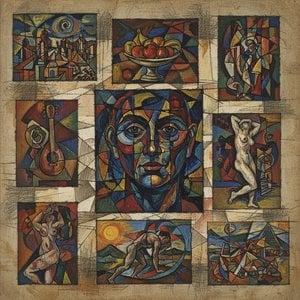
Cubismul Expresionist: 10 Capodopere Esențiale pentru Decoruri de Artă Rafinate | ArtsDot.ro
Descoperă cele mai importante 10 capodopere ale Cubismului Expresionist! Explorează poveștile lui Picasso, Braque și alți artiști revoluționari. Reproduceri de artă de calitate muzeală pentru un decor interior unic. ArtsDot.ro

Franz Marc: Expressionism, Spirituality & the Animal Symbolism of a Modern Master
Explore the profound world of Franz Marc's Expressionist paintings. Discover his spiritual connection to animals, innovative use of color, and lasting impact on modern art history. Learn more at ArtsDot.

Historical Resonance: Integrating Vintage Painting Reproductions into Modern Interiors
Master the art of blending classical reproductions with modern design. Discover expert tips to elevate your interior aesthetic today.

Expresionismul German: 10 Capodopere Iconice pentru Decoruri de Artă
Descoperă cele mai importante 10 capodopere ale Expresionismului German! Explorează poveștile din spatele picturilor Kandinsky, Munch și Kirchner. Reproduceri de artă premium pentru un decor unic pe ArtsDot.com


