


 Previzualizare
 Trimite
 Distribuie
 Detalii despre lucrare

 Descarcă
 Produse similare
 Radiografie
 Diapozitive automate
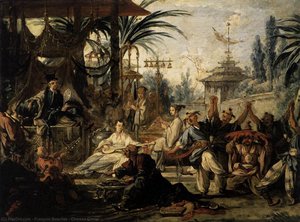
L'ESCARPOLETTE

 Vezi mai mult
Giclée / Imprimare artistică
Printuri giclée sau pe canvas de calitate muzeală, cu proces de producție rapid și opțiuni flexibile de finisare. ( Comandă pictură lucrată manual Cumpără imaginea)




P118B $10

P118H $10

P118W $10

P438Z $10

P508JH $12

P508YH $12

P805H $10

P805Z $10

P919BZ $10

P919G $10

P919XJ $10

P959ZH $10

P968JZ $12

W106C $8

W218G $10

W218JH $8

W218Y $10

W307PJ $10

W316G $10

W316PJ $8

W316Y $10

W398PJ $8

W4111J $10

W500HY $15

W500JH $15

W692G $12

W849H $8

W940BG $15

W953PJ $8




Alegeți dintre dimensiunile noastre prestabilite, care respectă proporțiile originale ale operei de artă.

Puteți introduce propriile dimensiuni pentru a se potrivi unui anumit cadru sau spațiu. Dacă dimensiunea selectată nu corespunde proporțiilor imaginii originale, vom decupa lucrarea de artă sau vom extinde imaginea cu margini oglindite sau cu o culoare uniformă. Un mockup digital va fi trimis pentru aprobarea dumneavoastră înainte de începerea producției.
Vă rugăm să rețineți că previzualizarea de pe ecran nu reflectă decuparea sau extinderea reală. Doar mockup-ul va arăta cu exactitate compoziția finală.
Deși dimensiunile personalizate sunt disponibile, vă recomandăm să selectați o dimensiune din lista predefinită pentru a păstra proporțiile originale.
Livrare în întreaga lume () în 2 săptămâni, în loc de cele 4/5 săptămâni standard. (15 August)

Livrare expres gratuită la nivel mondial

Pânză de in de înaltă calitate

Asigurare completă pentru transport

Garanție de rambursare a taxelor vamale

Garanția fidelității culorilor

Politica de retur în 60 de zile (doar pentru defecte)

Garanție de rambursare 100%

Ofertă pentru comenzi multiple
 Opțiunea cu sticlă este disponibilă doar pentru dimensiuni de sub 110 cm

L'ESCARPOLETTE
Giclée / Imprimare artistică
Dimensiune reproducere
-


Preț total calculat
$ 62
Opere similare




Biografie artist
François Eisen (1685 – c. 1778): Bridging Baroque Grandeur and Delicate Observation
François Eisen was born around 1685 in Brussels, a city steeped in artistic tradition during the Baroque era. His formative years coincided with a period of significant cultural flourishing, influenced by Flemish masters like Rubens and Rembrandt—artists who championed dramatic compositions and masterful realism. While biographical details remain somewhat sparse, evidence suggests he honed his skills initially as an engraver, mastering the intricate process of transferring images from paintings onto metal plates for printmaking. This technique would become central to his artistic output and a defining characteristic of his oeuvre.- Early Engraving Career: Eisen’s early work focused on engraving portraits and decorative prints, demonstrating a keen understanding of chiaroscuro—the interplay of light and shadow—a hallmark of Baroque art. His engravings often captured the dignity and solemnity of aristocratic subjects, reflecting the stylistic conventions prevalent at the time.
- Religious Commissions: Eisen gained considerable renown for his commissions from churches and monastic institutions in Valenciennes and Brussels. He produced numerous prints depicting biblical scenes and saints’ lives with meticulous detail and expressive emotion, showcasing his ability to convey spiritual narratives through visual imagery.
A Visionary Engraver: The Influence of Rubens and Rembrandt
Eisen's artistic sensibilities were profoundly shaped by the legacy of Rubens and Rembrandt—two titans of Flemish art who revolutionized painting with their innovative use of color, composition, and psychological depth. Like Rubens, Eisen embraced monumental scale and theatrical grandeur in his engravings, striving to emulate the dramatic impact achieved by his predecessors. However, unlike Rembrandt’s darker palette and introspective portraits, Eisen favored a more luminous aesthetic, reflecting the prevailing taste for elegance and refinement during the Rococo period. His meticulous draughtsmanship—a skill he cultivated through extensive study of Rubens's canvases—became a distinguishing feature of his engravings.- Notable Engravings: Among Eisen’s most celebrated prints is “Tête de vieillard,” a portrait depicting an elderly man with remarkable sensitivity and realism. The engraving captures the subtle nuances of facial expression and texture, demonstrating Eisen's mastery of etching techniques—a medium favored by Rembrandt for its ability to achieve tonal gradations.
- Rubens Collaboration: Eisen collaborated closely with Rubens on “The Vision of Saint Mary Magdalene,” a monumental engraving based on Rubens’s iconic painting. This project cemented Eisen’s reputation as one of the foremost engravers of his time and solidified his connection to Rubens's artistic vision.
Exploring Genre Scenes and Artistic Legacy
Beyond religious commissions, Eisen ventured into genre paintings—scenes depicting everyday life—demonstrating a broader artistic ambition. His “Amours et dieu Pan” exemplifies the Rococo style’s penchant for playful allegories and idealized landscapes, capturing the beauty of nature with delicate brushstrokes and vibrant colors. These works reveal Eisen's ability to synthesize Baroque grandeur with Impressionistic observation—a stylistic convergence that foreshadowed developments in later art history.- Valenciennes Museum Collection: Two of Eisen’s engravings reside in the Valenciennes Museum collection, including “L’Escarphette,” a captivating portrait showcasing masterful draughtsmanship and tonal subtlety. These prints serve as tangible reminders of Eisen's artistic achievements and contribute to our understanding of 18th-century art.
- Continuing Influence: Eisen’s engravings continue to inspire artists today—his meticulous technique and expressive vision resonate with contemporary printmakers who strive to emulate his legacy. He remains a pivotal figure in the history of engraving, representing the apex of Baroque artistic excellence.
Concluding Remarks: A Masterful Synthesis of Tradition and Innovation
François Eisen’s artistic career spanned nearly nine decades—a testament to his unwavering dedication to craft and his profound engagement with artistic ideals. He skillfully blended Baroque grandeur with Impressionistic observation, producing engravings that embody both technical virtuosity and emotional depth. His enduring legacy lies in his ability to capture the spirit of his era while simultaneously elevating engraving to new heights of expressive power—a remarkable accomplishment that secures his place among the most influential artists of the 18th century.
Detalii rapide
- Artistic Movement Or Style: Rococo Art
- Date Of Death: Living
- Full Name: François Eisen
- Nationality: French
- Notable Artworks:
- L’Escarphette
- Amours et dieu Pan
- Tête de vieillard
- Place Of Birth: Brussels
Articole similare

Engraving: A Historical Survey of Technique, Artistic Expression & Enduring Legacy
Explore the rich history of engraving with ArtsDot. Discover techniques, iconic artists like Dürer & Callot, collecting tips, and expert guidance for preserving your art investment. Learn about intaglio printing & more!

Top 10 Gravuri Legendare care au Schimbat Arta pentru Totdeauna | ArtsDot.com
Descoperă Top 10 gravuri legendare de la Dürer, Rembrandt și Goya! Explorează istoria artei, tehnicile maeștrilor și impactul lor asupra culturii. Reproduceri artă de calitate muzeală pentru un decor rafinat pe ArtsDot.com

Giclée Prints: Archival Quality & Aesthetic Nuances for the Discerning Collector
Explore the world of giclée prints with ArtsDot. Learn about archival quality, aesthetic nuances & investment potential. Expert guidance for discerning art collectors seeking museum-quality reproductions and lasting value.

The Intricate World of Engraving: A Historical Survey of Technique, Artistic Expression & Enduring Legacy
Explore the rich history of engraving with ArtsDot. Discover techniques, iconic artists like Dürer & Callot, collecting tips, and expert guidance for preserving your art investment. Learn about intaglio printing & more!

The Rococo Aesthetic: Opulence, Rebellion & the Pursuit of Pleasure in 18th-Century Art
Explore the opulent world of Rococo art! Discover its origins, key artists like Watteau & Boucher, and lasting influence on design. Expert insights for collectors & enthusiasts.

