


 Vezi în context
 Trimite
 Distribuie
 Detalii
 Ghid
Ghid

 Descarcă
 Produse similare
 Radiografie
 Diaporama
 Statistici
gennaio 1954
 Painting
- Abstract Art
 Modern
 20.0 x 24.0 cm
 CAMUSAC Cassino Museum of Contemporary Art
 Citește mai mult
Achiziționați o imagine digitală de înaltă rezoluție, îmbunătățită, mult superioară previzualizării online.
Fiecare fișier este pregătit cu meticulozitate de specialiștii noștri interni, utilizând instrumente avansate și retușare manuală expertă. Ne asigurăm că fiecare imagine beneficiază de o claritate excepțională, o acuratețe precisă a culorilor și detalii fine.
Fișierul final este livrat prin e-mail în termen de 72 de ore, optimizat pentru utilizare imediată în medii profesionale, editoriale și de imprimare. Aceasta este aceeași calitate în care au încredere studiouri de design, edituri și galerii de top.
Imagine Digitală
Descărcați un fișier la rezoluție înaltă pentru afișare personală, imprimare și proiecte creative. ( Comută pe versiunea Print Comandă pictură realizată manual)
Inclus în fiecare comandă de imagini digitale
Livrare digitală de expertiză, garantată
Când alegeți ArtsDot.com, nu primiți doar o simplă imagine – primiți o operă de artă digitală îmbunătățită profesional, creată cu precizie și susținută de o garanție de satisfacție. Iată tot ceea ce primești odată cu comanda ta, în mod automat:

Livrare rapidă prin e-mail
Fișierul imaginii digitale la rezoluție înaltă vă va fi trimis prin e-mail în termen de 72 de ore de la finalizarea comenzii – gata pentru utilizare imediată.

Fișier digital optimizat prin IA
Opera ta de artă este optimizată profesional prin intermediul unor instrumente AI avansate și al editării manuale, asigurând un nivel maxim de detalii, claritate și acuratețe a culorilor.

Retransmitere gratuită pe viață
Ai șters sau ai pierdut din greșeală fișierul? Nu îți face griji – ți-l vom retrimite oricând, gratuit.

Fără taxe de import – Întotdeauna
Bucură-te instant de noua ta operă de artă, fără taxe vamale, taxe de import sau costuri de livrare – descărcările digitale sunt întotdeauna fără taxe.

Garanția fidelității culorilor
Asigurăm o reflectare cât mai fidelă a culorilor originale în imaginea ta digitală, prin utilizarea unor instrumente profesionale și a proceselor de gestionare a culorii.

Garanție de satisfacție de 100 de zile
Dacă nu sunteți mulțumit de imaginea digitală achiziționată, o vom revizui sau vă vom returna 100% în termen de 100 de zile – fără nicio întrebare.

Garanție de returnare 100% a banilor
Nu ești mulțumit? Primești rambursarea integrală în termen de 100 de zile de la primirea fișierului digital – fără nicio întrebare.

Reduceri pentru comenzi în volum
Cumpără 3 imagini, economisește 10% - Cumpără 5, economisește 15% - Cumpără 10+, economisește 20%. Ideal pentru proiecte creative, galerii și agenții.
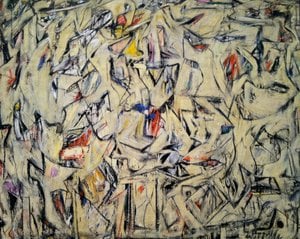
A Symphony of Color and Form: Exploring Gennaio 1954
In the evocative realm of mid-century abstraction, few works capture the fleeting essence of time quite like Fernando Melani’s gennaio 1954. This mesmerizing piece serves as a window into a moment frozen in the mid-twentieth century, where the boundaries between reality and imagination begin to dissolve. At first glance, the viewer is greeted by a vibrant dialogue between sun-drenched yellows and deep, contemplative blues. These colors do not merely sit upon the canvas; they dance in a rhythmic interplay of light and shadow, creating a visual melody that resonates with the energy of a new era. The composition is a masterful arrangement of geometric shapes and delicate lines, guiding the eye through a labyrinth of form that feels both structured and spontaneous.
The technique employed by Melani in this work showcases a profound understanding of balance and spatial depth. Through the strategic use of varying line weights and layered pigments, the artist breathes life into an otherwise flat plane. Small, enigmatic figures are scattered throughout the composition, acting as anchors for the wandering gaze. These tiny silhouettes provide a sense of scale and narrative mystery, suggesting a hidden world inhabited by souls moving through a dreamscape of color. For the discerning collector or interior designer, this piece offers a sophisticated focal point that brings a sense of intellectual curiosity and movement to any curated space.
Beyond its aesthetic allure, gennaio 1954 carries an emotional weight that transcends its abstract nature. The title itself, referencing a specific moment in January 1954, invites us to reflect on the passage of time and the permanence of memory. There is a certain nostalgia embedded in the brushwork—a longing for the clarity of form amidst the chaos of modern existence. The contrast between the warmth of the yellow tones and the coolness of the blue creates a psychological tension that mirrors the human experience: the balance between joy and melancholy, presence and absence. It is an artwork that does not merely decorate a room but transforms it, offering a contemplative sanctuary for those who appreciate the profound beauty found in the abstract whispers of history.
Opere similare




Biografie artist
Frida Kahlo: A Life Painted in Pain and Passion
Frida Kahlo, born Magdalena Carmen Frieda Kahlo y Calderón on July 6, 1907, in Coyoacán, Mexico City, remains one of the most compelling and instantly recognizable figures in 20th-century art. Her life was a tumultuous tapestry woven with physical suffering, passionate love affairs, and an unwavering commitment to self-expression—a commitment that found its purest outlet in her intensely personal and profoundly moving self-portraits. More than just a painter, Kahlo was a survivor, a revolutionary, and a fiercely independent woman who defied societal expectations and carved out a unique space for herself within the male-dominated art world.
Her early life was marked by significant hardship. Contracting polio at age six left her with a permanent limp, a constant reminder of her physical vulnerability. This experience instilled in her a deep sense of self-awareness and a determination to overcome adversity. Her father, Wilhelm Kahlo, a German immigrant and photographer, fostered her artistic inclinations, providing her with drawing lessons and encouraging her interest in science – a field she initially pursued at the National Preparatory School in Mexico City. However, fate intervened dramatically in 1925 when a horrific bus accident shattered her body and spirit, leaving her with severe injuries that would plague her for the rest of her life. This event served as the catalyst for her artistic journey, forcing her to confront her physical limitations through the act of creation.
The Art of Self-Portraiture
Following the devastating accident, Kahlo began painting seriously, initially driven by a need to document her pain and recovery. Her self-portraits quickly became the defining feature of her oeuvre—intensely intimate explorations of identity, trauma, and the female experience. Unlike traditional self-portraits that often focused on idealized beauty, Kahlo’s works were brutally honest, unflinchingly revealing her physical scars, emotional wounds, and psychological struggles. She used vibrant colors, symbolic imagery drawn from Mexican folklore and pre-Columbian art, and a distinctive, almost surreal style to convey these complex emotions.
Key works like “The Two Fridas” (1939), depicting two versions of herself—one dressed in traditional Tehuana attire representing her Mexican heritage and the other in European clothing symbolizing Diego Rivera—are particularly poignant examples of her exploration of duality and identity. Similarly, "Henry Ford Hospital" (1932) is a harrowing depiction of her miscarriage, rendered with unflinching realism and symbolic elements that speak to both physical and emotional devastation. Kahlo’s artistic process was deeply intertwined with her personal life; she often stated that “I paint myself because I am so often alone,” highlighting the profound sense of isolation and introspection that permeated her work.
A Turbulent Marriage and Artistic Influences
In 1928, Kahlo met Diego Rivera, a renowned muralist who became both her husband and a significant influence. Their relationship was characterized by passionate love, intense rivalry, and frequent infidelities. Rivera recognized Kahlo’s talent and encouraged her artistic development, though he often dismissed her work as merely “a female artist’s style.” Despite the complexities of their marriage, they shared a deep connection rooted in mutual respect for Mexican culture and political ideals. Rivera's influence can be seen in Kahlo’s incorporation of social commentary into her art, particularly through depictions of indigenous peoples and critiques of capitalist exploitation.
Beyond Rivera, Kahlo drew inspiration from various sources, including Mexican folk art, pre-Columbian mythology, and the works of European Surrealists. While she resisted being labeled a Surrealist herself, her paintings often possessed elements of dreamlike imagery and irrational juxtapositions—a characteristic associated with the movement. However, Kahlo’s work remained firmly rooted in her own lived experience, making it uniquely personal and profoundly affecting.
Legacy and Historical Significance
Frida Kahlo died on July 13, 1954, at the age of 47, succumbing to complications from pneumonia. During her lifetime, she achieved limited recognition outside Mexico, but after her death, her work gained increasing prominence, particularly through feminist art historians who championed her as a symbol of female resilience and artistic independence.
Today, Kahlo’s legacy extends far beyond the art world. She has become an icon for women around the globe, representing strength, vulnerability, and the courage to confront personal demons. Her life story—marked by physical suffering, emotional turmoil, and unwavering self-belief—continues to resonate with audiences worldwide. The Frida Kahlo Museum in Coyoacán, Mexico, stands as a testament to her enduring influence and a vibrant celebration of her extraordinary artistic vision. Her work continues to be exhibited internationally, captivating viewers with its raw honesty, symbolic richness, and profound exploration of the human condition.

fernando melani
1907 - 1985 , Italy
Informații esențiale
- Artistic Movement Or Style: Surrealism, Mexican folk art
- Artists Or Movements Influenced By This Artist: ['Mexican muralism']
- Artists Who Influenced This Artist: ['Diego Rivera']
- Date Of Birth: July 6, 1907
- Date Of Death: July 13, 1954
- Full Name: Magdalena Carmen Frieda Kahlo y Calderón
- Nationality: Mexican
- Notable Artworks:
- The Two Fridas
- Henry Ford Hospital
- Self-Portrait with Thorn Necklace and Hummingbird
- Place Of Birth: Coyoacán, Mexico City