


Imaginea respectă alegerile tale: , .
Descriere obiect de colecție
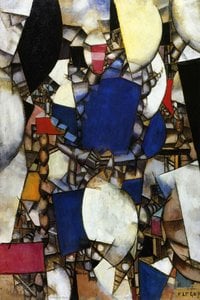
Fernand Léger's 'The Level Crossing' explodes with vibrant circles and bold red poles – a dynamic Tubism masterpiece capturing the energy of the machine age. Explore its abstract beauty!
 Vezi mai mult
Biografie artist
Pionier al Tubismului, Fernand Léger a capturat era mașinilor. Explorează astăzi picturile sale îndrăznețe și ritmate.
Comandă în patru pași simpli
Nu vă grăbiți. Puteți modifica orice răspuns; prețul din coșul de comandă se actualizează în funcție de fiecare alegere.
1 Pasul unu din patru
Ce dimensiune doriți?
Aceste dimensiuni păstrează proporțiile tabloului original. Ilustrația prezintă alegerea dumneavoastră pe un perete, deasupra unei canapele de doi metri.
Sau introduceți propriile dimensiuni
Alegeți dintre dimensiunile noastre prestabilite, care respectă proporțiile originale ale operei de artă.

Introduceți lățimea și înălțimea necesare pentru a se potrivi ramei sau peretelui dumneavoastră. Această lucrare este pictată manual, așa că, pentru o dimensiune cu o formă diferită, artistul poate picta puțin mai mult în jurul imaginii sau poate tăia puțin din margini — dumneavoastră decideți. Vă vom trimite o simulare digitală pentru aprobare înainte de a începe pictarea. Imaginea afișată pe această pagină nu reprezintă rezultatul real — doar simularea este reprezentativă.
2 Pasul doi din patru
Cum ar trebui pregătită: rulată, întinsă pe pânză sau înramată?
Prețurile de mai jos sunt pentru dimensiunea aleasă la primul pas.
Alege marginile tabloului pe pânză întinsă
Alege cadrul tău

Alb lei1

Margini difuze lei1

Extins lei1

P118B lei10

P118H lei10

P118W lei10

P438Z lei10

P508JH lei12

P508YH lei12

P805H lei10

P805Z lei10

P919BZ lei10

P919G lei10

P919XJ lei10

P959ZH lei10

P968JZ lei12

W106C lei8

W218G lei10

W218JH lei8

W218Y lei10

W307PJ lei10

W316G lei10

W316PJ lei8

W316Y lei10

W398PJ lei8

W4111J lei10

W500HY lei15

W500JH lei15

W692G lei12

W849H lei8

W940BG lei15

W953PJ lei8

H24-GOLD lei30

H24-SILVER lei30

H36-GOLD lei45

H36-SILVER lei45
Înramat
Ramă: . Dimensiuni cu ramă: .
3 Pasul trei din patru
Doriți să modificați ceva în tabloul respectiv?
Majoritatea oamenilor răspund negativ. Deoarece fiecare pictură este realizată manual, artistul nostru poate adapta lucrarea și pentru dumneavoastră.
După plasarea comenzii, echipa ArtsDot.com va contacta clientul prin e-mail pentru instrucțiuni și va furniza o previzualizare (mockup)
4 Pasul patru din patru
Câteva opțiuni de finisare
Toate sunt opționale. Răspunsurile deja selectate nu implică costuri suplimentare.
Cine este autorul?
Livrare în întreaga lume () în 3-4 săptămâni, în loc de cele 5 săptămâni standard. (21 Noiembrie). Fără compromisuri în ceea ce privește calitatea.
O plăcuță de identificare, ca la muzeu?
Detalii plăcuță din bronz gravat
This elegant plaque features the artist's name and the title of the artwork, finely engraved for a timeless presentation.
It is made from bronze with a refined, elegant finish. The text is precisely laser-engraved for a sharp and permanent result. Measuring 9x2 cm, the plaque is compact yet easy to read. It's built to be durable and scratch-resistant, offering a professional, museum-quality look. Mounting is simple thanks to the included adhesive backing.
Detalii plăcuță din acril transparent
The plaque includes essential engraved details such as the artist's name, the title of the artwork, the date it was created, the type of media used-like oil on canvas or watercolor-a brief description of the piece, and a QR code that links to the complete artwork information.
It is crafted from clear acrylic, offering a sleek, modern appearance. The text is UV-engraved in black to ensure strong visual contrast. With a size of 10x15 cm, it ensures optimal readability. It comes equipped with two metal hooks for secure wall mounting. The plaque is designed to be weather-resistant, making it suitable for various environments, and it includes interactive features that work seamlessly with smartphone scanning.
Detalii placă din acril negru
This elegant plaque includes engraved information such as the artist's name, the title of the artwork, the date it was created, the type of media used (like oil on canvas or watercolor), a short description of the artwork, and a QR code for quick access to more information.
The plaque itself is made from refined black acrylic with a premium finish. The text is laser-engraved in white for high contrast and readability. Its size is 10x15 cm, designed to be easy to read. It comes with two metal hooks for professional mounting. The design is sleek and fits any interior style. It is also weather-resistant and durable, with built-in digital integration for mobile compatibility.
Un lac protector?
Când aveți nevoie de el?
✓ Verifică și comandă
Tabloul tău, exact așa cum l-ai comandat

The level crossing (final state)
Tehnică de reproducere
Dimensiune reproducere
-

Selecție de artiști de elită
Mai multe detalii, rafinament și timp suplimentar de execuție
-

Ramă pentru reproducere artistică
-
-
Pentru opere de artă sau reproduceri care depășesc 105 cm (aproximativ 41 de inch) pe oricare dintre laturi, cadrul va fi livrat demontat, sub formă de kit. Această metodă asigură o livrare sigură și previne deteriorarea în timpul transportului.
Este necesară asamblarea profesională – acest produs nu este de tip DIY (de făcut singur).
Kitul trebuie asamblat, iar pânza întinsă, de către un legător de cadre experimentat, utilizând adeziv pentru lemn (neinclus în colet), o cheie pentru întinderea pânzei și cleme pentru a menține barele la unghi drept în timp ce adezivul se usucă. Asamblarea incorectă sau tensiunea neuniformă a pânzei pot deteriora permanent opera de artă și nu sunt acoperite de garanția noastră.
 Pentru opere de artă sau reproduceri care depășesc 105 cm (aproximativ 41 de inch) pe oricare dintre laturi, cadrul va fi livrat demontat, sub formă de kit. Această metodă asigură o livrare sigură și previne deteriorarea în timpul transportului.
Toate barele din lemn masiv sunt incluse, tăiate cu precizie la dimensiunea necesară.
Asamblat cu șuruburile incluse, plus adeziv pentru lemn pentru îmbinările de colț, care nu este furnizat și trebuie achiziționat de către tâmplarul dumneavoastră.
Sunt necesare unelte profesionale care nu sunt incluse: o șipte de întindere a pânzei (tensionator) și cleme pentru a menține barele la unghi drept în timp ce adezivul se usucă.
Important:
Îmbinările de colț necesită adeziv pentru lemn, barele trebuie fixate cu clești de strângere până când adezivul este complet uscat, iar întinderea pânzei pe cadrul asamblat necesită un clește pentru întins pânza. Niciunul dintre aceste elemente nu este inclus în kit. Vă rugăm să consultați un încadrator profesionist cu experiență înainte de a comanda această dimensiune.

Etichetă de prezentare
-
-

Lac de protecție
Lac lucios (intensifică nuanțele și oferă protecție împotriva luminii și a umidității)
-

Personalizează opera mea de artă
Exemple de elemente ce pot fi personalizate: Înlocuirea feței cu fotografia clientului; Adăugarea unui animal de companie (de exemplu, înlocuirea unei pisici cu un câine); Includerea unui mesaj ascuns în fundal; Modificarea peisajului sau a elementelor din fundal.
-

Livrare rapidă
Livrare la nivel mondial () în 3-4 săptămâni, în loc de cele 5 săptămâni standard. (21 Noiembrie). Fără compromisuri când vine vorba de calitate.
-
Livrare rapidă
Livrare la nivel mondial () în 5 săptămâni. (28 Noiembrie).
Inclus
Preț total calculat
lei 1256
Opțiunea cu sticlă este disponibilă doar pentru dimensiuni de sub 110 cm
Inclus în fiecare comandă
- Livrare expres gratuită la nivel mondial
- Pânză de in de înaltă calitate
- Asigurare completă pentru transport
- Garanție de rambursare a taxelor vamale
- Garanția fidelității culorilor
- Politica de retur în 100 de zile (doar pentru defecte de fabricație)
- Garanție de rambursare 100%
- Ofertă pentru comenzi multiple


Fernand Léger’s “The Level Crossing (Final State)” – A Symphony of Industrial Geometry
Fernand Léger's "The Level Crossing (Final State)," painted in 1919, isn’t merely a depiction of a railway crossing; it’s a vibrant manifesto of the burgeoning Tubism movement and a bold declaration of modernity. Emerging from the fertile ground of Argentan, Normandy – a region deeply rooted in agricultural tradition – Léger embarked on an artistic journey that propelled him to the heart of Parisian avant-garde circles. Unlike many artists retreating into abstraction as a refuge, Léger sought to actively *integrate* the dynamism and stark forms of the machine age into his visual language. This painting exemplifies that ambition with remarkable force, capturing not just the physical structure of the crossing but also the underlying rhythms and geometries of industrial life.
The work’s genesis lies in Léger's fascination with the burgeoning world of machinery – a subject he viewed as possessing an inherent beauty and power. He meticulously studied locomotives, factories, and other mechanical marvels, translating their angular forms and repetitive patterns into his art. “The Level Crossing” is thus a distillation of this observation, rendered in a strikingly simplified style. The dominant shapes are not organic or representational; instead, they’re cylindrical volumes, interlocking cones, and sharp-edged rectangles – elements that evoke the precision and efficiency of industrial design. This deliberate reduction to essential forms creates a sense of both immediacy and abstraction, drawing the viewer into a world where recognizable objects dissolve into pure geometric relationships.
Tubism: A Visual Language of the Machine Age
“The Level Crossing” is a quintessential example of Tubism, a style developed by Léger alongside Robert Delaunay. Unlike Cubism’s fragmentation of form, Tubism sought to capture the *essence* of objects through simplified, cylindrical shapes – often referred to as “tubes.” These tubes aren't merely geometric forms; they possess an inherent sense of movement and energy, mirroring the relentless motion of machinery. Léger employed a bold palette of primary colors—yellows, reds, blues—interspersed with black and white, creating a dynamic visual rhythm that pulsates across the canvas. The use of flat planes and unmodulated color further emphasizes the two-dimensionality of the work, contributing to its overall sense of immediacy and dynamism.
Crucially, Léger wasn’t simply replicating mechanical forms; he was imbuing them with a new kind of beauty. He sought to elevate the mundane – the railway crossing, a symbol of industrial progress – into an object of aesthetic contemplation. The painting's composition is carefully balanced, creating a sense of visual harmony despite its fragmented and geometric nature. The central red pole acts as a focal point, drawing the eye through the complex arrangement of shapes and colors. It’s a deliberate gesture, directing the viewer’s gaze across the scene and reinforcing the painting’s overall message.
Symbolism and Emotional Resonance
Beyond its formal qualities, “The Level Crossing” is rich in symbolic meaning. The railway crossing itself represents the intersection of two worlds: the rural past and the rapidly advancing industrial future. Léger's depiction suggests a transition – a moment of both disruption and potential. The simplified forms and bold colors evoke a sense of excitement and optimism about the possibilities of modernity, while the geometric structure also hints at the underlying order and logic of the machine age. The painting’s emotional impact is surprisingly powerful, conveying not just the visual spectacle of industrial progress but also a feeling of dynamism, energy, and even a touch of alienation.
Furthermore, the work can be interpreted as a commentary on the human condition within this new technological landscape. The figures, though abstracted, retain a sense of humanity, suggesting that individuals are both shaped by and contribute to the forces of industrialization. “The Level Crossing (Final State)” is therefore not just a depiction of a physical space; it’s a profound meditation on the relationship between humans, machines, and the evolving world around us – a timeless masterpiece that continues to resonate with viewers today.
Întrebări și răspunsuri
Care este luminozitatea percepută a lucrării "The level crossing (final state)" de Fernand Léger?
În ceea ce privește luminozitatea percepută, "The level crossing (final state)" de Fernand Léger este balanced.
Unde pot vedea o previzualizare pentru „The level crossing (final state)”?
O previzualizare a lucrării "The level crossing (final state)" de Fernand Léger este disponibilă pe pagina de Previzualizare în spațiu a acesteia.
Ce ton emoțional transmite stilul Tubism din "The level crossing (final state)"?
În cadrul mișcării Tubism, „The level crossing (final state)” este marcată de un ton Energetic.
Mai multe detalii despre această pictură
 Previzualizare
 Comută pe versiunea Print
 Trimite prin felicitare
 Distribuie
 Detalii despre lucrare
 Ghid
Ghid

 Descarcă imaginea
 Produse similare
 Radiografie
 Galerie foto
 Întrebări și răspunsuri
 Statistici
Opere similare




Fernand Léger
1881 - 1955, Franța
Biografie artist
Viața lui Fernand Léger
Povestea lui Fernand Léger începe în satul Argentan, situat în regiunea Orne, din Normandia Inferioară. El a venit pe această lume pe 4 februarie 1881, fiind singurul fiu al familiei. Anii săi de început au fost modelați de liniștea câmpului francez și de prezența mamei sale, Marie-Adèle Daunou. Tatăl său, un om care își câștiga viața din comerțul cu vite, a decedat când Fernand era încă un copil mic, lăsându-l pe cel mic să fie crescut de mamă într-un cămin marcat de pietate și de o anumită natură modestă.
Această educație în peisajele rurale ale Normandiei a oferit un contrast ancorat cu viața pe care o va conduce, în cele din urmă, în centrele aglomerate ale culturii franceze. În timp ce rădăcinile sale erau legate de pământ și de fizicalitatea vieții agricole, spiritul său era atras de complexitățile erei moderne. Într-un final, el își va extinde influența mult dincolo de granițele orașului Argentan, devenind un om al multor discipline. Nu s-a limitat doar la pânza de pictură, ci a căutat să își exprime viziunea prin sculptură și prin imaginile în mișcare ale filmului.
Viața sa a fost o mișcare constantă între texturile organice ale tinereții sale și ritmurile structurate, mecanice, ale orașelor. Această dualitate i-a definit însăși existența, pe măsură ce navigheia prin schimbările unui secol aflat în transformare. Calea sa nu a fost niciodată una simplă, fiind marcată de tensiunea dintre lumea tradițională a copilăriei sale și pulsul industrial, rapid, al viitorului pe care îl va ajuta, în cele din urmă, să îl definească prin intermediul artei sale.
Tinerețea, Familia și Formarea
Rădăcinile viziunii sale au fost plantate în peisajele rurale din Argentan, în regiunea Orne din Normandia Inferioară, Franța. Născut într-o lume a creșterii animalelor, primii săi ani au fost modelați de fizicalitatea pământului și de ritmurile constante ale vieții agricole. Această ancorare în lumea tangibilă, a muncii manuale, va rămâne o prezență discretă sub suprafața explorărilor sale ulterioare, mult mai complexe. Fiind singur orfan, a fost crescut de o mamă atât devotată, cât și modestă, iar parcursul său a fost inițial îndreptat către disciplina structurată a arhitecturii. Între 1897 și 1899, s-a dedicat acestei meserii tehnice, învățând logica spațiului și necesitatea desenului de precizie.
Până în anul 1900, atracția orașului a devenit prea puternică pentru a fi ignorată, iar el s-a mutat la Paris. Și-a asigurat existența lucrând ca desenator arhitectural, un rol care necesita un ochi agutizat pentru linie și proporție. Deși studiile sale formale de arhitectură i-au oferit o bază de înțelegere structurală, inima i-a început să-i fie atrasă spre pânză. A încercat să intre la prestigioasa École des Beaux-Arts, însă instituția nu i-a acordat statutul oficial de student. Însă, neîntrerupt de obstacole, a frecventat școala ca student neînmatriculat, absorbind lecțiile maeștrilor în timp ce navigheia la marginea sistemului academic. Această perioadă de studiu, deși uneori descrisă ca un timp al căutării, a fost esențială pentru rafinarea abilităților tehnice pe care le va folosi, în cele din urmă, pentru a demonta și a reconstrui lumea după propria imagine.
Influența lui Cézanne și a Cubismului
O schimbare profundă a avut loc în anul 1907, atunci când artistul a descoperit retrospectiva lui Cézanne la Salon d'Automne. Această întâlnire a acționat ca un catalizator, îndepărtându-l de impresiunile moi ale tinereții sale și conducându-l spre o modalitate de a vedea mult mai structurală. El a început să privească dincolo de suprafața lucrurilor, căutând în schimb geometria subiacentă care definește lumea. Până în 1909, prezența sa în cerculuri creative din Paris s-a intensificat, pe măsură ce îi întâlnea pe figuri precum Alexander Archipenko, Jacques Lipchitz, Marc Chagall și Robert Delaunay. Aceste întâlniri nu au fost simple evenimente sociale, ci adevărate coliziuni de idei noi care au ajutat la modelarea direcției viziunii sale în evoluție.
Pe măsură ce anii treceau, Fernand Léger s-a trezit mișcându-se în orbita Grupului de la Puteaux, un cerc de artiști cunoscut și sub numele de Section d'Or. Alături de Jean Metzinger și Henri Le Fauconnier, el a explorat posibilitățile matematice și structurale ale acestui nou limbaj vizual. Nu s-a mulțumit să urmeze pur și simplu căile tropiți de alții, ci a căutat să își găsească propria voie prin planurile fracturate și formele suprapuse care defineau acea epocă. Această perioadă de experimentare intensă l-a condus către prima sa expoziție majoră la Salon des indépendants în 1911, unde a prezentat opera Nudes in the Forest.
- Nudes in the Forest (1911)
Războiul și Perioada Mecanică
Haosul Primului Război Mondial a smuls artistul din studiourile pariziene, aruncându-l direct în realitățile crunte de la front. Între 1914 și 1917, acesta a servit în Armata Franceză, petrecând doi ani epuizant în regiunea Argonne. Conflictul nu a fost doar un simplu fundal pentru viața sa, ci o forță transformatoare care i-a alterat însăși percepția asupra formei. În 1916, un atac cu gaz muștar i-a fost aproape fatal, lăsându-l în perioada de recuperare în timp ce lumea din jurul său era remodelată de puterea brută a distrugerii industriale. Chiar și în timpul unei scurte concesii în acel an, s-a simțit impulsionat să picteze, dând viață operei Soldat cu pipă. Această lucrare a capturat esența unei noi realități, în care figura umană începea să împrumute calitățile mașinăriilor care dominau câmpul de luptă.
Până în 1917, în spiritul său creativ se instalase o schimbare profundă, marcând începutul ceea ce avea să fie numit perioada sa mecanică. El a descoperit o frumusețe ritmică, aproape ciudată, în instrumentele și tehnologia războiului modern și a industriei. Formele cilindrice, lucioase, și precizia pieselor mecanice au devenit noul său limbaj vizual. Nu vedea aceste obiecte ca fiind reci sau impersonale; dimpotrivă, a îmbrățișat forța lor și capacitatea lor de a organiza haosul existenței moderne. Războiul îi epuizase marginile moi ale lucrărilor sale anterioare, înlocuindu-le cu o claritate structurală, cu margini ascuțite, care oglindea oțelul și pistoanele unei epoci în continuă transformare.
Tehnică și Stil
Pă তুলului său se mișca cu o precizie ritmică, aproape industrială, căutând să surprindă pulsul unei epoci în continuă transformare. Fernand Léger a renunțat la umbrele moi și difuze ale trecutului, alegând în schimb să își construiască compozițiile printr-un limbaj al unei forțe geometrice robuste. Această evoluție a dus la nașterea unei forme personale de cubism, pe care criticii au identificat-o sub numele de „Tubism”. În acest stil, lumea era reimaginată prin forme tubulare, conice și cubice, creând un sentiment de volum care părea simultan solid și dinamic. El nu se limita doar la pictarea obiectelor; el căuta să descopere logica lor structurală esențială.
Culorile pe care le alegea erau la fel de asertive ca formele pe care le umplau. Artistul prefera o paletă dominată de culorile primare, adesea punctată de un alb și negru puternic, elemente care ajutau la definirea contururilor ascuțite ale subiectelor sale. În loc să se bazeze pe iluzionismul tradițional, el aplica vopseaua în planuri de culoare îndrăznețe și aplatizate. Utiliza adesea un impasto dens, o tehnică ce accentua prezența fizică a mediului pe pânză. Această abordare texturală asigura o senzație de ancorare și materialitate în lucrările sale, oglindind chiar acele mașinării și structuri urbane pe care le admira atât de mult. Figurile sale preluau adesea forme elegante, cu aspect mecanic, estompând linia dintre forma umană organică și precizia ingineristică a erei moderne.
- Nudes in the Forest (1910)
- The Woman in Blue (1912)
- Soldier with a Pipe (1916)
- The Mechanic (1920)
Anii de la următoarele și moartea
Fluxurile schimbătoare ale conflictelor globale au ajuns, în cele din urmă, să îl îndepărteze pe artist de cercurile pariziene, purtându-l peste Oceanul Atlantic. Între anii 1940 și 1945, acesta a trăit în Statele Unite, o perioadă care i-a oferit o perspectivă diferită asupra lumii moderne pe care a căutat atât de mult să o traducă pe pânză. Această experiență în străinătate a reprezentat o pauză în lunga sa evoluție, un moment de tranziție înainte de întoarcerea sa definitivă pe pământul Franței.
La întoarcerea în patria sa, viața sa personală a cunoscut o schimbare semnificativă. În februarie 1952, acesta s-a căsătorit cu Nadia Khodasevich. Această uniune a marcat un capitol final în existența sa, un timp petrecut în mijlocul unei producții continue de opere diverse, de la fresce de mari dimensiuni până la vitralii delicate. Chiar și în anii de maturitate, recunoașterea sa a rămas constantă pe scena internațională. În 1955, a câștigat Marele Premiu la Bienala de la São Paulo, un onor de înaltă rang care a venit în același an cu plecarea sa din această lume. Fernand Léger a decedat pe 17 august 1955, la Gif-sur-Yvette, Franța.
Moștenire și Influență
Fernand Léger a lăsat în urmă o amprentă care a depășit cu mult cercurile de avangardă ale timpului său. Prin faptul că a creat o punte între arta abstractă și reprezentarea figurativă, el a oferit artiștilor o cale de a interacționa cu lumea modernă fără a abandona complet subiectul uman. Abordarea sa a permis un dialog între logica structurală a geometriei și prezența recognoscabilă a oamenilor și a obiectelor. Această capacitate de a găsi un punct de echilibru între pur conceptualul și tangibil a ajutat la modelarea direcției multor mișcări artistice care au urmat.
Simplificarea sa îndrăzneață a formei și fascinația pentru estetica producției de masă au acționat ca un precursor al mișcării pop art. El a descoperit o anumită frumusețe în natura repetitivă și funcțională a erei mașinilor, o perspectivă care va resona ulterior cu o nouă generație de creatori. Artiști precum Roy Lichtenstein și Andy Warhol au tras o linie clară de la experimentele sale cu contururi puternice și imagini mecanice către propriile lor explorări ale culturii populare. El a ajutat la pregătirea limbajului vizual pentru o eră care, în cele din urmă, va celebra tocmai elementele industriale și comerciale pe care el a căutat să le traducă pe pânză.
Unde poți vedea astăzi operele sale
Pentru a întâlni prezența fizică a viziunii sale, un călător ar putea îndrepta pașii spre sudul Franței, mai exact în Biot, în departamentul Alpes-Maritimes. Aici se află Musée national Fernand Léger, un loc dedicat întru tot parte studiului și conservării producției sale creative. Muzeul ocupă Mas Saint-André, o vilă care a aparținut artistului însuși. Între aceste ziduri și în grădinile din împrejurimi, sculpturile sale ceramice policrome își găsesc decorul ideal, permițând privitorului să observe modul în care formele sale interacționează cu lumina și spațiul peisajului mediteranean.
Dincolo de acest sanctuar specializat, pânzele și sculpturile sale sunt păstrate în cadrul unor instituții de renume. Musée d'Art et d'Histoire din Franța deține o colecție a lucrărilor sale, asigurând prezența sa în narațiunea amplă a artei franceze. Aceste colecții permit continuarea studiului asupra modului în care a tradus energia erei mașinilor în forme vizuale statice, dar pulsante. Călătorii care caută estetica sa specifică își pot găsi urmele în mai multe colecții majore, printre care:
- Kimbell Art Museum din Fort Worth
- Museum of Modern Art din New York City
- Musée National Fernand Léger din Biot
Influența sa persistă și în operele altor artiști, însă principala modalitate de a fi martori ai muncii sale directe este prin intermediul acestor depozite consacrate. Fie că observăm formele cilindrice îndrăznețe într-un cadru muzeal sau că privim sculpturile sale în liniștea unei grădini, privitorul este întâmpinat de aceeași claritate structurală ce i-a definit întreaga creație. Moștenirea sa rămâne ancorată în aceste locații specifice, unde ritmurile grele și mecanice ale picturilor sale sunt păstrate pentru cei care caută adevărul geometriei sale.


Articole similare

Top 10 Capodopere Impresioniste: Arta care a Schimbat Decorul și Istoria
Descoperă top 10 capodopere impresioniste de la Monet, Renoir și Degas! Explorează istoria artei impresioniste, culorile vibrante și tehnicile inovatoare. Reproduceri tablouri de calitate muzeală pe ArtsDot.com.

Capturing Ephemeral Light: A Comprehensive Exploration of Plein Air Painting's History & Enduring Legacy
Explore the rich history of plein air painting, from its origins to Impressionism & beyond. Discover key artists, techniques, and the enduring legacy of capturing light in landscape art. Find museum-quality reproductions at ArtsDot.

Deconstructing Reality: Cubism's Revolutionary Impact on 20th-Century Art
Explore the revolutionary world of Cubism with ArtsDot. Discover Picasso & Braque's groundbreaking techniques, its philosophical roots, and lasting impact on modern art. Expert insights for collectors.