


Imaginea respectă alegerile tale: , .
Descriere obiect de colecție
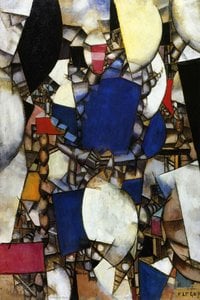
Explore Fernand Léger’s vibrant depiction of nature interwoven with industrial forms—a striking example of Cubism and Surrealism that captures the energy of the machine age. Admire this captivating leaf and shell composition, inviting you to bring a piece of modernist art into your home.
 Vezi mai mult
Biografie artist
Descoperiți Fernan Léger (1881-1955): Pionier al Cubismului & "Tubism". Admirați picturi îndrăznețe despre viața modernă, mașinării și forma umană – un precursor cheie al Pop Art-ului!
Reproducere pictată manual în ulei
Pictură în ulei pe pânză, pictată manual de artiștii noștri la dimensiunea și ramele dorite de dumneavoastră, pe comandă. ( Comută pe versiunea Print Comută pe Imagine Digitală)
Mai multe detalii despre această pictură
 Previzualizare
 Trimite prin felicitare
 Distribuie
 Detalii despre lucrare
 Ghid
Ghid

 Descarcă imaginea
 Produse similare
 Radiografie
 Galerie foto
 Întrebări și răspunsuri
 Statistici
Comandați tabloul dumneavoastră în patru pași simpli
Nu vă grăbiți. Puteți modifica orice răspuns; prețul din coșul de comandă se actualizează în funcție de fiecare alegere.
1 Pasul unu din patru
Ce dimensiune doriți?
Aceste dimensiuni păstrează proporțiile tabloului original. Ilustrația prezintă alegerea dumneavoastră pe un perete, deasupra unei canapele de doi metri.
Sau introduceți propriile dimensiuni
Alegeți dintre dimensiunile noastre prestabilite, care respectă proporțiile originale ale operei de artă.

Introduceți lățimea și înălțimea necesare pentru a se potrivi ramei sau peretelui dumneavoastră. Această lucrare este pictată manual, așa că, pentru o dimensiune cu o formă diferită, artistul poate picta puțin mai mult în jurul imaginii sau poate tăia puțin din margini — dumneavoastră decideți. Vă vom trimite o simulare digitală pentru aprobare înainte de a începe pictarea. Imaginea afișată pe această pagină nu reprezintă rezultatul real — doar simularea este reprezentativă.
2 Pasul doi din patru
Cum ar trebui pregătită: rulată, întinsă pe pânză sau înramată?
Prețurile de mai jos sunt pentru dimensiunea aleasă la primul pas.
Alege marginile tabloului pe pânză întinsă
Alege cadrul tău

Alb lei1

Margini difuze lei1

Extins lei1

P118B lei10

P118H lei10

P118W lei10

P438Z lei10

P508JH lei12

P508YH lei12

P805H lei10

P805Z lei10

P919BZ lei10

P919G lei10

P919XJ lei10

P959ZH lei10

P968JZ lei12

W106C lei8

W218G lei10

W218JH lei8

W218Y lei10

W307PJ lei10

W316G lei10

W316PJ lei8

W316Y lei10

W398PJ lei8

W4111J lei10

W500HY lei15

W500JH lei15

W692G lei12

W849H lei8

W940BG lei15

W953PJ lei8

H24-GOLD lei30

H24-SILVER lei30

H36-GOLD lei45

H36-SILVER lei45
Înramat
Ramă: . Dimensiuni cu ramă: .
3 Pasul trei din patru
Doriți să modificați ceva în tabloul respectiv?
Majoritatea oamenilor răspund negativ. Deoarece fiecare pictură este realizată manual, artistul nostru poate adapta lucrarea și pentru dumneavoastră.
După plasarea comenzii, echipa ArtsDot.com va contacta clientul prin e-mail pentru instrucțiuni și va furniza o previzualizare (mockup)
4 Pasul patru din patru
Câteva opțiuni de finisare
Toate sunt opționale. Răspunsurile deja selectate nu implică costuri suplimentare.
Cine este autorul?
Livrare în întreaga lume () în 3-4 săptămâni, în loc de cele 5 săptămâni standard. (4 Noiembrie). Fără compromisuri în ceea ce privește calitatea.
O plăcuță de identificare, ca la muzeu?
Detalii plăcuță din bronz gravat
This elegant plaque features the artist's name and the title of the artwork, finely engraved for a timeless presentation.
It is made from bronze with a refined, elegant finish. The text is precisely laser-engraved for a sharp and permanent result. Measuring 9x2 cm, the plaque is compact yet easy to read. It's built to be durable and scratch-resistant, offering a professional, museum-quality look. Mounting is simple thanks to the included adhesive backing.
Detalii plăcuță din acril transparent
The plaque includes essential engraved details such as the artist's name, the title of the artwork, the date it was created, the type of media used-like oil on canvas or watercolor-a brief description of the piece, and a QR code that links to the complete artwork information.
It is crafted from clear acrylic, offering a sleek, modern appearance. The text is UV-engraved in black to ensure strong visual contrast. With a size of 10x15 cm, it ensures optimal readability. It comes equipped with two metal hooks for secure wall mounting. The plaque is designed to be weather-resistant, making it suitable for various environments, and it includes interactive features that work seamlessly with smartphone scanning.
Detalii placă din acril negru
This elegant plaque includes engraved information such as the artist's name, the title of the artwork, the date it was created, the type of media used (like oil on canvas or watercolor), a short description of the artwork, and a QR code for quick access to more information.
The plaque itself is made from refined black acrylic with a premium finish. The text is laser-engraved in white for high contrast and readability. Its size is 10x15 cm, designed to be easy to read. It comes with two metal hooks for professional mounting. The design is sleek and fits any interior style. It is also weather-resistant and durable, with built-in digital integration for mobile compatibility.
Un lac protector?
Când aveți nevoie de el?
✓ Verifică și comandă
Tabloul tău, exact așa cum l-ai comandat

Leaves and shells
Tehnică de reproducere
Dimensiune reproducere
-

Selecție de artiști de elită
Mai multe detalii, rafinament și timp suplimentar de execuție
-

Ramă pentru reproducere artistică
-
-
Pentru opere de artă sau reproduceri care depășesc 105 cm (aproximativ 41 de inch) pe oricare dintre laturi, cadrul va fi livrat demontat, sub formă de kit. Această metodă asigură o livrare sigură și previne deteriorarea în timpul transportului.
Este necesară asamblarea profesională – acest produs nu este de tip DIY (de făcut singur).
Kitul trebuie asamblat, iar pânza întinsă, de către un legător de cadre experimentat, utilizând adeziv pentru lemn (neinclus în colet), o cheie pentru întinderea pânzei și cleme pentru a menține barele la unghi drept în timp ce adezivul se usucă. Asamblarea incorectă sau tensiunea neuniformă a pânzei pot deteriora permanent opera de artă și nu sunt acoperite de garanția noastră.
 Pentru opere de artă sau reproduceri care depășesc 105 cm (aproximativ 41 de inch) pe oricare dintre laturi, cadrul va fi livrat demontat, sub formă de kit. Această metodă asigură o livrare sigură și previne deteriorarea în timpul transportului.
Toate barele din lemn masiv sunt incluse, tăiate cu precizie la dimensiunea necesară.
Asamblat cu șuruburile incluse, plus adeziv pentru lemn pentru îmbinările de colț, care nu este furnizat și trebuie achiziționat de către tâmplarul dumneavoastră.
Sunt necesare unelte profesionale care nu sunt incluse: o șipte de întindere a pânzei (tensionator) și cleme pentru a menține barele la unghi drept în timp ce adezivul se usucă.
Important:
Îmbinările de colț necesită adeziv pentru lemn, barele trebuie fixate cu clești de strângere până când adezivul este complet uscat, iar întinderea pânzei pe cadrul asamblat necesită un clește pentru întins pânza. Niciunul dintre aceste elemente nu este inclus în kit. Vă rugăm să consultați un încadrator profesionist cu experiență înainte de a comanda această dimensiune.

Etichetă de prezentare
-
-

Lac de protecție
Lac lucios (intensifică nuanțele și oferă protecție împotriva luminii și a umidității)
-

Personalizează opera mea de artă
Exemple de elemente ce pot fi personalizate: Înlocuirea feței cu fotografia clientului; Adăugarea unui animal de companie (de exemplu, înlocuirea unei pisici cu un câine); Includerea unui mesaj ascuns în fundal; Modificarea peisajului sau a elementelor din fundal.
-

Livrare rapidă
Livrare la nivel mondial () în 3-4 săptămâni, în loc de cele 5 săptămâni standard. (4 Noiembrie). Fără compromisuri când vine vorba de calitate.
-
Livrare rapidă
Livrare la nivel mondial () în 5 săptămâni. (11 Noiembrie).
Inclus
Preț total calculat
lei 1249
Opțiunea cu sticlă este disponibilă doar pentru dimensiuni de sub 110 cm
Inclus în fiecare comandă
- Livrare expres gratuită la nivel mondial
- Pânză de in de înaltă calitate
- Asigurare completă pentru transport
- Garanție de rambursare a taxelor vamale
- Garanția fidelității culorilor
- Politica de retur în 100 de zile (doar pentru defecte de fabricație)
- Garanție de rambursare 100%
- Ofertă pentru comenzi multiple


A Symphony of Form and Texture: Exploring Fernand Léger’s “Leaves and Shells”
Fernand Léger's "Leaves and Shells" isn't merely a depiction of natural elements; it’s an ambitious declaration of artistic intent—a bold experiment in reconciling the organic beauty of nature with the burgeoning influence of industrial design. Painted sometime between 1920 and 1930, during Léger’s peak creative period, this artwork embodies the spirit of Cubism's later phase, pushing beyond its initial fragmentation to embrace a more nuanced exploration of spatial relationships and textural complexity.- Subject Matter: The painting centers around a vibrant assemblage of leaves—primarily maple and birch—and seashells—ranging from spiraled nautilus shells to smaller scallop specimens—creating an arresting juxtaposition between the delicate contours of plant life and the geometric precision of marine forms.
- Style & Technique: Léger’s approach aligns squarely with Cubism's Second Phase, characterized by a deliberate blurring of boundaries between positive and negative space. Unlike Picasso and Braque’s earlier explorations of fractured planes, Léger employs a technique that prioritizes layering and embossing—a process he termed “relief sculpture”—to imbue the canvas with palpable physicality. This method lends an almost sculptural quality to the painted surface, emphasizing volume and creating a captivating interplay of light and shadow.
Historical Context: The Machine Age Aesthetic
The artistic landscape of the 1920s was profoundly shaped by the rapid advancements in industrial technology. Léger’s fascination with machines—evident throughout his oeuvre—mirrored this broader cultural preoccupation. He wasn't attempting to reject modernity but rather to translate its dynamism and structural logic into a visual idiom that resonated with contemporary sensibilities. The artwork reflects the optimism of the era, capturing a sense of progress while simultaneously acknowledging the inherent beauty found within manufactured forms.Symbolism Beyond Representation
While seemingly straightforward in its subject matter, “Leaves and Shells” carries deeper symbolic resonance. Léger deliberately avoids literal depiction, opting instead for abstracted shapes that convey emotional states rather than factual observations. The leaves represent resilience and growth—themes frequently explored by Léger—while the shells symbolize permanence and connection to the sea—a visual metaphor for stability amidst turbulent times. These elements work together to communicate a harmonious balance between natural forces and human ingenuity.Emotional Impact & Artistic Legacy
Ultimately, “Leaves and Shells” succeeds in evoking a feeling of contemplative wonder. The textured surface invites viewers to engage with the artwork on a tactile level, mirroring Léger’s desire to transcend purely visual experience. More than just a beautiful image, it represents a pivotal moment in artistic history—a courageous assertion that abstraction could simultaneously honor tradition and propel art into uncharted territories. Reproductions of this piece offer collectors and interior designers alike an opportunity to appreciate the enduring power of Léger's vision: a testament to the transformative potential of blending seemingly disparate influences into a singularly compelling aesthetic.Întrebări și răspunsuri
Ce culoare domină compoziția lucrării "Leaves and shells" de Fernand Léger?
Culoarea care iese cel mai mult în evidență în "Leaves and shells" este Putty (#e5d7d2). Culoarea dominantă este utilă atunci când asortați o operă de artă cu un interior.
Ce origine națională stă la baza Geometric Abstraction-ului din "Leaves and shells"?
"Leaves and shells" a fost creat de Fernand Léger, născut în Franța, în cadrul mișcării Geometric Abstraction. Originea artistului leagă această operă de Geometric Abstraction, așa cum este practicat de artiștii din Franța.
Ce paletă și ce culoare dominantă definesc "Leaves and shells"?
"Leaves and shells" de Fernand Léger utilizează o paletă de culori Earthy, având culoarea Putty (#e5d7d2) ca nuanță dominantă.
Opere similare




Fernand Léger
1881 - 1955, Franța
Biografie artist
A Life Forged in Form: The World of Fernand Léger
Fernand Léger, born Joseph Fernand Henri Léger in 1881 amidst the rural landscapes of Argentan, Normandy, stands as a pivotal figure in the evolution of modern art. His journey from the farmlands of his youth to the forefront of Parisian avant-garde circles is a testament to an unwavering artistic vision and a relentless pursuit of capturing the spirit of the machine age. Unlike many of his contemporaries who embraced abstraction as a retreat from representation, Léger sought to *integrate* modernity – its dynamism, its mechanical forms, its very essence – into a new visual language that was both powerfully abstract and deeply rooted in the observable world. His early life, steeped in the physicality of agricultural labor, provided a grounding contrast to the industrialized future he would so passionately depict. Initially destined for architecture, Léger’s path shifted towards painting after arriving in Paris around 1900, supporting himself through drafting work while honing his artistic skills. This period was marked by traditional academic training, but it wasn't until encountering the groundbreaking work of Paul Cézanne that a true transformation began to unfold.The Birth of ‘Tubism’ and the Section d’Or
Cézanne’s retrospective in 1907 acted as a catalyst, liberating Léger from conventional representation and propelling him towards a more geometric and structural approach. He began dismantling forms, analyzing their underlying structures, and rebuilding them on canvas with a newfound emphasis on solidity and volume. This exploration quickly led him into the orbit of Cubism, but Léger wasn’t content to simply replicate the styles of Picasso or Braque. Instead, he developed his own distinct idiom – a personal form of Cubism that critics playfully dubbed “Tubism.” Characterized by cylindrical forms, flattened planes, and bold color contrasts, Tubism celebrated the machine aesthetic long before it became a widespread artistic preoccupation. It was an art born from observing the burgeoning industrial world, recognizing beauty in its functional shapes and mechanical rhythms. Léger’s approach differed significantly; he retained a sense of volume and depth, unlike some Cubists who completely flattened their canvases. This allowed him to depict figures with a recognizable solidity, even as they were broken down into geometric components. The movement was closely associated with the *Section d’Or* (The Golden Section), a group of artists – including Metzinger, Le Fauconnier, and Duchamp – who explored mathematical principles of harmony and proportion in their work. They sought to infuse their art with a sense of order and rationality, believing that beauty could be found in the application of geometric ratios. Léger’s participation in the Section d’Or provided him with a theoretical framework for his artistic explorations and fostered a collaborative environment where new ideas were constantly exchanged.War, Mechanization, and a New Aesthetic
The outbreak of World War I profoundly impacted Léger’s life and work. Serving at the front from 1914 to 1916 exposed him to the brutal realities of modern warfare – artillery barrages, aerial combat, and the dehumanizing effects of mechanized conflict. This experience didn't lead to disillusionment or a rejection of modernity; rather, it solidified his fascination with machines and their power. Sketches made during his service documented the stark beauty of military technology, transforming instruments of destruction into subjects of artistic contemplation. The repetitive patterns of trenches, the gleaming metal of tanks and airplanes – all became sources of inspiration for Léger’s evolving aesthetic. Upon returning to civilian life, Léger’s paintings began to reflect a more streamlined, mechanistic sensibility, celebrating the dynamism and efficiency of the industrial world. *Soldier with a Pipe* (1916) exemplifies this shift, showcasing simplified forms and bold colors that evoke the feeling of mechanical precision. The figure is rendered in stark geometric shapes, almost resembling a machine itself, reflecting Léger’s fascination with the intersection of humanity and technology. This wasn't merely an aesthetic choice; it was a philosophical statement – an affirmation of modernity’s potential for progress and renewal, even in the face of devastating loss.The Development of Tubism and Beyond
Following the war, Léger continued to refine his distinctive style, solidifying what became known as “Tubism.” He moved away from the fragmented forms of early Cubism, developing a more unified visual language characterized by cylindrical shapes, bold colors, and simplified figures. His paintings often depicted industrial objects – cars, trains, factories – alongside human subjects, blurring the boundaries between the natural and the artificial. He experimented with techniques such as *peinture industrielle*, using industrial pigments and applying paint in layers to create a textured surface that resembled machine parts. This period saw the creation of iconic works like *Manufacturers* (1923), a vibrant depiction of a factory scene filled with geometric forms and bold colors, capturing the energy and rhythm of modern industry. However, Léger’s artistic vision wasn't static; he continued to evolve his style throughout his career, incorporating elements of Surrealism and exploring new mediums such as sculpture and film.Legacy and Lasting Influence
In his post-war years, Léger continued to explore the intersection of art and industry, creating works that celebrated modern life with a unique blend of abstraction and figuration. His *Paysages animés* (Animated Landscapes) series from 1921 showcased figures and animals seamlessly integrated into streamlined compositions, blurring the boundaries between organic and inorganic forms. He also experimented with sculpture and filmmaking, expanding his artistic practice beyond the confines of traditional painting. Léger’s influence on subsequent generations of artists is undeniable. His bold simplification of form, his embrace of industrial imagery, and his celebration of popular culture anticipated the emergence of Pop Art decades later. Artists like Roy Lichtenstein and Andy Warhol owe a clear debt to Léger's pioneering work. He bridged the gap between abstract art and figurative representation, demonstrating that it was possible to create works that were both intellectually rigorous and visually engaging. Today, Fernand Léger’s paintings are held in major museums worldwide, including the Musée d'Art et d'Histoire in France and the Musée National Fernand Léger, dedicated solely to his work. He remains a towering figure of 20th-century art – a visionary who dared to find beauty in the machine age and to translate its energy onto canvas with unparalleled boldness and originality. His legacy is not merely as a painter, but as a prophet of modernity. A true pioneer whose work continues to resonate with audiences today.


Articole similare

Wassily Kandinsky: Cele Mai Iconice 25 De Opere – Artă Abstractă pentru Decor Rafinat
Descoperă cele mai emblematice 25 de opere ale lui Wassily Kandinsky, pionierul artei abstracte! Explorează culorile vibrante, compozițiile unice și istoria fascinantă din spatele fiecărei picturi. Reproduceri de calitate muzeală pe ArtsDot.com – inspiră-ți decorul cu artă modernă!

Cele mai importante 10 capodopere ale abstracției geometrice | Artă & Decor de lux pe ArtsDot.com
Descoperă cele mai importante 10 capodopere ale abstracției geometrice! Explorează istoria, artiștii (Mondrian, Kandinsky) și culorile vibrante care au definit arta modernă. Reproduceri de tablouri de lux pe ArtsDot.com pentru un decor interior rafinat. Explorează colecția online!

Top 10 Opere de Artă cu Atmosferă Industrială: Inspirație pentru Decorul Casei
Descoperă top 10 opere de artă care surprind atmosfera industrială! Explorează picturi iconice de Van Gogh, Monet și Hopper, simbolizând realismul, impresionismul și modernitatea. Găsește inspirație pentru decorul casei tale cu ArtsDot.com – reproducere tablouri de calitate muzeală.