


 Vezi în context
 Trimite
 Distribuie
 Detalii
 Ghidul

 Descarcă
 Produse similare
 Radiografie
 Diaporama
 Statistici
Mama mea
 Acrilic pe pânză întinsă
- Artă de perete
- Surrealist Expressionism
 1926
1926 50.0 x 55.0 cm
 Kulturgeschichtliche Museum Osnabrück
 Citește mai mult
Giclée / Imprimare artistică
Printuri giclée sau pe canvas de calitate muzeală, cu proces de producție rapid și opțiuni flexibile de finisare. ( Comandă pictură realizată manual Treci la imagine digitală)




P118B lei10

P118H lei10

P118W lei10

P438Z lei10

P508JH lei12

P508YH lei12

P805H lei10

P805Z lei10

P919BZ lei10

P919G lei10

P919XJ lei10

P959ZH lei10

P968JZ lei12

W106C lei8

W218G lei10

W218JH lei8

W218Y lei10

W307PJ lei10

W316G lei10

W316PJ lei8

W316Y lei10

W398PJ lei8

W4111J lei10

W500HY lei15

W500JH lei15

W692G lei12

W849H lei8

W940BG lei15

W953PJ lei8




Alegeți dintre dimensiunile noastre prestabilite, care respectă proporțiile originale ale operei de artă.

Introduceți lățimea și înălțimea de care aveți nevoie, pentru a se potrivi ramei sau peretelui dumneavoastră. O printare poate fi doar tăiată, niciodată extinsă dincolo de dimensiunea imaginii originale, astfel încât o dimensiune cu o formă diferită va pierde o parte din imagine. Vă trimitem o simulare digitală pentru aprobare înainte de a imprima orice. Imaginea afișată pe această pagină nu prezintă tăierea reală — doar simularea arată acest lucru.
Livrare în întreaga lume () în 2 săptămâni, în loc de cele 4/5 săptămâni standard. (25 Octombrie)

Livrare expres gratuită la nivel mondial

Pânză de in premium

Asigurare completă pentru transport

Garanție de rambursare a taxelor vamale

Garanția fidelității culorilor

Politica de retur în 100 de zile (doar pentru defecte)

Garanție de rambursare 100%

Reducere pentru comenzi multiple
 Opțiunea cu sticlă este disponibilă doar pentru dimensiuni de sub 110 cm

Mama mea
Giclée / Imprimare artistică
Dimensiune reproducere
-


Preț total
lei 287
Felix Nussbaum’s “My Mother” – A Silent Testament to Displacement
The painting "My Mother" by Felix Nussbaum, completed in 1926, transcends mere representation; it embodies the profound emotional resonance of exile and the enduring power of familial connection. Created during a period marked by burgeoning artistic experimentation—particularly within the Expressionist movement—Nussbaum’s work stands as a cornerstone of his oeuvre, capturing not only visual beauty but also an intangible sense of sorrow and contemplation. The artist's formative influences included luminaries like Vincent van Gogh and Henri Rousseau, whose stylistic approaches instilled in Nussbaum a meticulous attention to color and texture – elements skillfully deployed here to convey the solemn dignity of the subject matter.- Subject Matter: The painting depicts a woman in profile view, bathed in soft light that emphasizes her serene countenance. Her gaze is directed inward, suggesting introspection and conveying a palpable sense of melancholy.
- Style & Technique: Nussbaum’s style aligns closely with Expressionism, prioritizing emotional intensity over photographic realism. Brushstrokes are deliberate and textured, creating a surface that invites tactile engagement and mirroring the artist's own preoccupation with capturing inner states.
- Color Palette: The muted color scheme—primarily consisting of earthy tones—contributes to the painting’s contemplative mood. Careful layering of hues enhances depth and dimensionality, reinforcing the impression of stillness and quiet reflection.
- Historical Context: Nussbaum's artistic journey unfolded amidst the intellectual ferment of Weimar Germany, where avant-garde movements challenged established conventions. The painting reflects this spirit of innovation while simultaneously grappling with anxieties surrounding societal change.
- Size: 50 x 55 cm
- Date: 1926
Întrebări și răspunsuri
Pot comanda o reproducere în ulei a operei "Mama mea"?
Puteți comanda o reproducere pictată manual a operei "Mama mea" de Felix Nussbaum direct pe pagina sa de Reproducere pictată manual: o reproducere pictată manual în ulei pe pânză de in, realizată la comandă.
Pentru ce cameră este recomandată lucrarea "Mama mea" de Felix Nussbaum?
Spațiul recomandat pentru "Mama mea" de Felix Nussbaum este o Living Room. Sugestia poate fi, desigur, adaptată interiorului dumneavoastră.
Ce dimensiune de reproducere este recomandată pentru "Mama mea" de Felix Nussbaum?
O reproducere de Mare este recomandată pentru "Mama mea" de Felix Nussbaum. Dimensiunea poate fi ajustată păstrând proporțiile intacte.
Opere similare


Biografie artist
A Life Etched in Exile: The Haunting Vision of Felix Nussbaum
Felix Nussbaum’s story is a stark and profoundly moving testament to the power of art born from unimaginable suffering. Born in Osnabrück, Germany, in 1904, his life unfolded against the backdrop of rising nationalism and escalating persecution, culminating in the horrors of the Holocaust. He wasn't simply a victim *of* history; he was an artist who meticulously documented its impact on his soul, creating a body of work that stands as both a personal lament and a universal warning. Nussbaum’s paintings offer a rare, unflinching glimpse into the psychological landscape of displacement, fear, and ultimately, annihilation – a perspective often absent from broader historical narratives. His father, Philipp Nussbaum, a World War I veteran with an early passion for painting himself, recognized and nurtured his son's talent, providing encouragement that would prove vital in the darkening years to come. This initial support fostered a lifelong dedication to art, even as political realities increasingly constricted his path.Formative Years and Artistic Influences
Nussbaum’s artistic journey began with formal studies in Hamburg and Berlin in 1920, continuing for as long as circumstances allowed. His early work reveals a clear debt to the Post-Impressionist masters, particularly Vincent van Gogh and Henri Rousseau. The vibrant colors and expressive brushwork of these artists provided a foundation upon which Nussbaum would later build his unique style. However, he wasn’t content with mere imitation. He actively sought out new influences, drawn to the unsettling dreamscapes of Giorgio de Chirico and Carlo Carrà, pioneers of the *pittura metafisica* movement. The careful attention to color demonstrated by Carl Hofer's expressionist paintings also left a lasting impression on Nussbaum’s approach. These diverse inspirations coalesced into what would become known as his “New Objectivity” style – a blend of realism and surrealism, characterized by precise detail, unsettling compositions, and a pervasive sense of alienation. This period was marked by experimentation and growth, but the looming shadow of Nazi ideology soon threatened to extinguish his artistic promise.The Rise of Fascism and Artistic Transformation
The ascent of the Nazis in 1933 irrevocably altered Nussbaum’s life. Studying on a scholarship in Rome at the Berlin Academy of the Arts, he witnessed firsthand the chilling pronouncements of Hitler's propaganda minister, outlining the tenets of Nazi art – glorification of heroism and the Aryan race. It became painfully clear that as a Jew, his place within the German artistic establishment was untenable. This realization forced him into exile, first to Paris and then to Belgium, where he married Felka Platek in 1937. The following decade was defined by fear and isolation. Despite finding some measure of safety, Nussbaum lived under constant threat, haunted by the knowledge of his parents’ perilous situation back in Germany. They had initially resisted his pleas to join them in exile, clinging to a misguided hope that things would improve, but ultimately returned home only to face the full force of Nazi persecution. This loss – the severing of his spiritual and financial support – deeply impacted Nussbaum's work, infusing it with an increasingly desperate and melancholic tone. He continued to paint prolifically during this period, finding solace and purpose in his art even as his world crumbled around him.The Holocaust Years: Art Amidst Terror
The Nazi invasion of Belgium in 1940 marked a turning point for Nussbaum and Felka Platek. They were arrested as “hostile aliens” and interned at Saint-Cyprien camp, an experience that profoundly shaped his artistic vision. Despite the oppressive conditions and constant surveillance, Nussbaum persevered, producing some of his most poignant works during this time—pieces imbued with a palpable sense of sorrow and resilience. His paintings from 1943, notably *Self Portrait with Jewish Identity Card*, are unflinching depictions of dehumanization, capturing the psychological toll of persecution with remarkable sensitivity. The unsettling imagery and meticulous detail reflect Nussbaum’s unwavering commitment to artistic expression amidst unimaginable hardship. He sought refuge in hiding with Felka, relying on the generosity of friends for sustenance and protection—a testament to human compassion within a context of barbarity.Legacy and Remembrance
The final years of Nussbaum's life were marked by continued danger and profound loss. His parents perished at Auschwitz in July 1944 – a tragedy that shattered his world and fueled the urgency of his artistic endeavors. Shortly thereafter, he and Felka were deported to Mechelen transit camp, and ultimately sent to Auschwitz themselves, where Felix Nussbaum was murdered upon arrival in August of that year. His brother and sister-in-law followed soon after, completing the annihilation of his family within a single devastating year. Despite this unbearable suffering, Nussbaum’s art endures as a powerful testament to the human spirit's capacity for creativity and compassion—a chilling reminder of the horrors of the Holocaust and an enduring symbol of artistic courage in the face of oppression. His work continues to inspire reflection on themes of identity, displacement, and the importance of bearing witness to history’s darkest moments. The Felix Nussbaum Haus in Osnabrück serves as a poignant memorial to his life's work and ensures that his legacy—a haunting vision forged in exile—remains accessible for generations to come.
Felix Nussbaum
1904 - 1945 , Germania
Informații rapide
- Artistic Movement Or Style: Surrealism, Noua Obiectivitate
- Artists Who Influenced This Artist:
- Vincent van Gogh
- Henri Rousseau
- Giorgio De Chirico
- Date Of Birth: 1904
- Date Of Death: 1944
- Full Name: Felix Nussbaum
- Nationality: German-Jewish
- Notable Artworks:
- Autoportret cu Card de Identitate Ebraică
- Triumful Morții
- Pictură Felka Platek
- Mascaradă
- Place Of Birth: Osnabrück, Germania
Articole conexe

The Visceral Cry of a Nation: Exploring Emotion & Distortion in German Expressionism
Explore the powerful world of German Expressionism with ArtsDot. Discover Kirchner, Nolde & Die Brücke's emotive masterpieces. Learn about this pivotal art movement and its lasting impact on modern art.

Expresionismul German: 10 Capodopere Iconice pentru Decoruri de Artă
Descoperă cele mai importante 10 capodopere ale Expresionismului German! Explorează poveștile din spatele picturilor Kandinsky, Munch și Kirchner. Reproduceri de artă premium pentru un decor unic pe ArtsDot.com
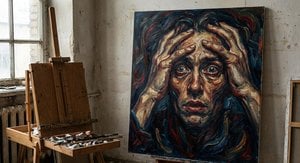
Figurative Expressionism: Emotional Intensity & Subjective Reality in 20th-Century Art
Explore the powerful world of Figurative Expressionism with ArtsDot. Discover key artists like Kirchner & Beckmann, understand its emotional depth, and learn how to collect this influential 20th-century art movement.

The Raw Emotion of Expressionism: A Deep Dive into its History, Characteristics & Enduring Influence
Explore the raw emotion of Expressionism with ArtsDot. Discover its history, key artists like Kirchner & Munch, and lasting influence on modern art. Expert insights for collectors & enthusiasts.
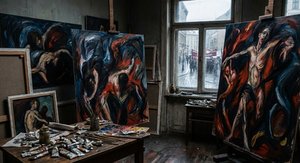
The Visceral Language of Emotion: Exploring Expressionism's Impact on 20th-Century Art
Explore the powerful world of Expressionism! Discover key artists like Kirchner & Nolde, understand its emotional impact, and learn about this revolutionary art movement's lasting legacy. Expert insights for collectors & enthusiasts.
