

 Previzualizare
 Trimite
 Distribuie
 Detalii despre lucrare

 Descarcă
 Produse similare
 Radiografie
 Diapozitive automate
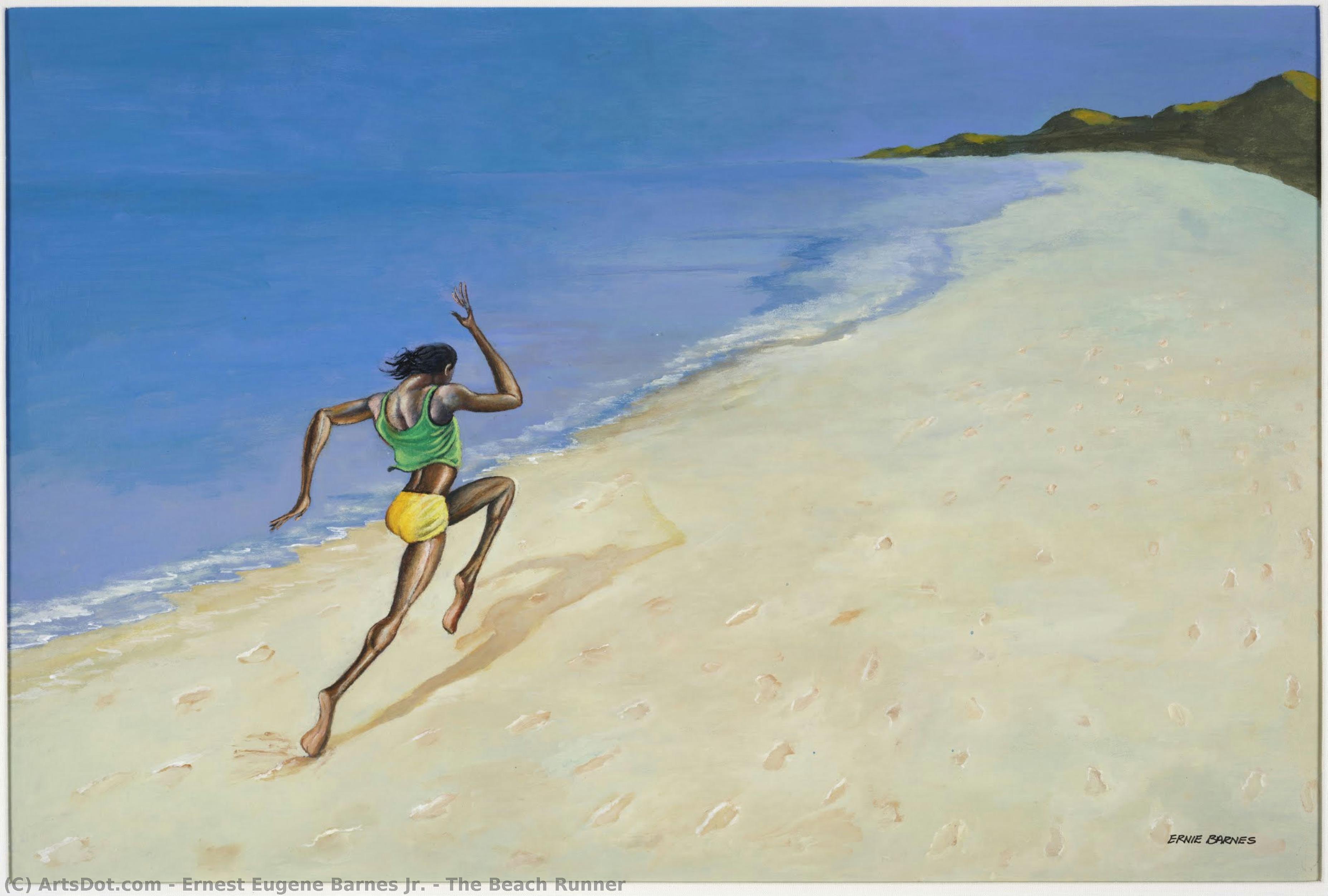
The Beach Runner


 Vezi mai mult
Achiziționați o imagine digitală de înaltă rezoluție, îmbunătățită, mult superioară previzualizării online.
Fiecare fișier este pregătit cu meticulozitate de specialiștii noștri interni, utilizând instrumente avansate și retușare manuală expertă. Ne asigurăm că fiecare imagine beneficiază de o claritate excepțională, o acuratețe precisă a culorilor și detalii fine.
Fișierul final este livrat prin e-mail în termen de 72 de ore, optimizat pentru utilizare imediată în medii profesionale, editoriale și de imprimare. Aceasta este aceeași calitate în care au încredere studiouri de design, edituri și galerii de top.
Imagine Digitală
Descărcați un fișier la rezoluție înaltă pentru afișare personală, imprimare și proiecte creative. ( Comandă versiunea tipărită Comandă pictură realizată manual)
Inclus în fiecare comandă de imagini digitale
Livrare digitală de expertiză, garantată
Când alegeți ArtsDot.com, nu primiți doar o simplă imagine – primiți o operă de artă digitală îmbunătățită profesional, creată cu precizie și susținută de o garanție de satisfacție. Iată tot ceea ce primești odată cu comanda ta, în mod automat:

Livrare rapidă prin e-mail
Fișierul imaginii digitale la rezoluție înaltă vă va fi trimis prin e-mail în termen de 72 de ore de la finalizarea comenzii – gata pentru utilizare imediată.

Fișier digital optimizat prin IA
Opera ta de artă este optimizată profesional prin intermediul unor instrumente AI avansate și al editării manuale, asigurând un nivel maxim de detalii, claritate și acuratețe a culorilor.

Retransmitere gratuită pe viață
Ai șters sau ai pierdut din greșeală fișierul? Nu îți face griji – ți-l vom retrimite oricând, gratuit.

Fără taxe de import – Întotdeauna
Bucură-te instant de noua ta operă de artă, fără taxe vamale, taxe de import sau costuri de livrare – descărcările digitale sunt întotdeauna fără taxe.

Garanția acurateții culorilor
Asigurăm o reflectare cât mai fidelă a culorilor originale în imaginea ta digitală, prin utilizarea unor instrumente profesionale și a proceselor de gestionare a culorii.

Garanție de satisfacție de 60 de zile
Dacă nu sunteți mulțumit de imaginea digitală achiziționată, o vom revizui sau vă vom returna 100% în termen de 60 de zile – fără nicio explicație necesară.

Garanție de returnare 100% a banilor
Nu ești mulțumit? Obține o rambursare completă în termen de 60 de zile de la primirea fișierului tău digital – fără întrebări.

Reduceri pentru comenzi în volum
Cumpără 3 imagini, economisește 10% - Cumpără 5, economisește 15% - Cumpără 10+, economisește 20%. Ideal pentru proiecte creative, galerii și agenții.
Biografie artist
Georg Baselitz: A Life Forged in Destruction and Rebirth
Born Hans-Georg Kern in Deutschbaselitz, a small village in the desolate landscape of Upper Lusatia, Germany, in 1938, Georg Baselitz’s life was inextricably linked to the ruins of World War II. This formative experience—the devastation, displacement, and lingering sense of loss—became the bedrock upon which his entire artistic vision would be built. His childhood wasn't one of idyllic beauty; it was a landscape scarred by destruction, a constant reminder of shattered order and the urgent need for a new beginning. This biographical context, repeatedly referenced throughout his career, isn’t merely anecdotal; it’s a fundamental operating principle, informing every brushstroke, every inversion, every deliberate disruption within his work.
Baselitz's early artistic inclinations began to emerge during his adolescence, fueled by the powerful imagery of Wyndham Lewis’s portrait of T.S. Eliot, which hung in the assembly hall of his local school. This encounter with a distinctly modern and somewhat rebellious style ignited a passion within him—a desire to break free from established conventions and forge his own path. He initially pursued formal training at the Kunstakademie in Dresden, but was ultimately rejected, an experience that proved pivotal. It forced him to confront the limitations of academic expectations and, crucially, to begin painting independently, developing his unique voice without the constraints of institutional guidance.
The Rise of Neo-Expressionism and the Upside-Down World
The 1960s witnessed the emergence of Baselitz as a significant figure within the burgeoning movement known as Neo-Expressionism. However, he resisted easy categorization, forging his own distinct style that transcended simple labels. Initially, his work was characterized by figurative paintings—intensely expressive portraits and landscapes imbued with raw emotion. Yet, around 1969, Baselitz embarked on a radical shift: he began to paint his subjects upside down. This seemingly arbitrary decision wasn’t a stylistic whim; it represented a profound philosophical statement. As he himself explained, “I was born into a destroyed order… I didn't want to reestablish an order: I had seen enough of so-called order.”
This act of inversion—turning the familiar world on its head—became the defining feature of his oeuvre. By disrupting the conventional relationship between image and viewer, Baselitz sought to strip away the artifice of representation and expose the fundamental act of painting itself. He wasn’t interested in faithfully recreating reality; rather, he aimed to capture the essence of experience, the raw feeling behind the visual form. Influences from a diverse range of sources—Soviet era illustration art, the Mannerist period, and even African sculpture—contributed to this complex and layered artistic language.
Technique and Style: A Language of Gesture
Baselitz’s technique is instantly recognizable. His paintings are characterized by bold, gestural brushstrokes that convey a sense of urgency and immediacy. The figures emerge from the canvas with a palpable energy, as if they were being pulled into existence through sheer force of will. The paint itself—often applied thickly and directly from the tube—creates a textured surface that adds to the tactile quality of his work. He rarely uses preparatory sketches, preferring to let the image develop spontaneously on the canvas, guided by instinct and emotion.
Crucially, Baselitz consistently inverts all his paintings – turning them upside down before applying paint. This practice, initially a means of overcoming representational constraints, has become an integral part of his artistic identity. It’s not simply a technical trick; it's a symbolic gesture that reinforces the idea of subversion and challenges our conventional ways of seeing. The act of inversion forces us to reconsider the image, to engage with it on a deeper level, and to question its inherent meaning.
Legacy and Recognition
Despite initial resistance from the art establishment, Baselitz’s work gradually gained recognition throughout the 1970s and 80s. His paintings began to appear in major exhibitions around the world, attracting critical acclaim and establishing him as one of the most important artists of his generation. He received numerous awards and honors, including the Roswitha Haftmann Prize in 2009, solidifying his place within the pantheon of contemporary art.
Baselitz’s influence extends far beyond the realm of painting. His willingness to challenge conventions, his embrace of gesture and spontaneity, and his profound engagement with personal experience have resonated with artists across a wide range of disciplines. He remains a vital and provocative force in the art world, continuing to create work that is both deeply personal and universally relevant. His legacy lies not only in the beauty of his paintings but also in his unwavering commitment to artistic freedom and his refusal to be defined by any single category or style.

ernest eugene barnes jr.
1938 - 2009 , United States of America
Detalii rapide
- Artistic Movement Or Style: Neo-Expressionism
- Artists Or Movements Influenced By This Artist:
- Gerhard Richter
- Vija Celmins
- Artists Who Influenced This Artist:
- Soviet illustration art
- Mannerist period
- African sculptures
- Date Of Birth: January 23, 1938
- Full Name: Georg Baselitz
- Nationality: German
- Notable Artworks:
- Where is the Yellow Milkjug?
- Mrs Bird?
- The Painter
- Place Of Birth: Deutschbaselitz, Germany

