

 Previzualizare
 Trimite
 Distribuie
 Detalii despre lucrare

 Descarcă
 Produse similare
 Radiografie
 Diapozitive automate
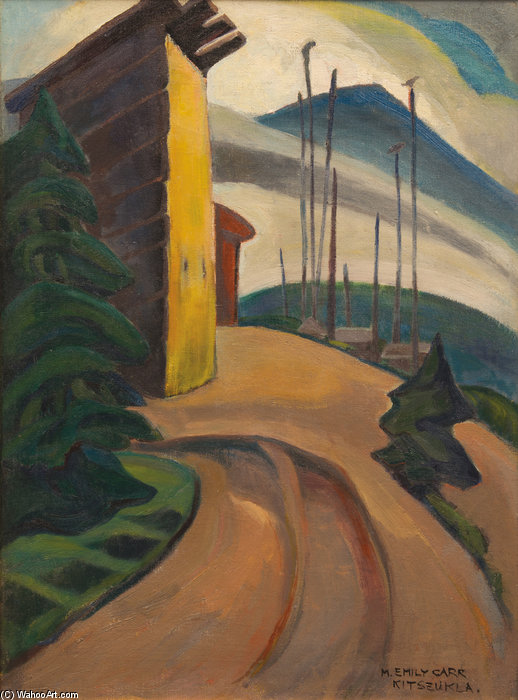
Kitseukla

 Vezi mai mult
Achiziționați o imagine digitală de înaltă rezoluție, îmbunătățită, mult superioară previzualizării online.
Fiecare fișier este pregătit cu meticulozitate de specialiștii noștri interni, utilizând instrumente avansate și retușare manuală expertă. Ne asigurăm că fiecare imagine beneficiază de o claritate excepțională, o acuratețe precisă a culorilor și detalii fine.
Fișierul final este livrat prin e-mail în termen de 72 de ore, optimizat pentru utilizare imediată în medii profesionale, editoriale și de imprimare. Aceasta este aceeași calitate în care au încredere studiouri de design, edituri și galerii de top.
Imagine Digitală
Descărcați un fișier la rezoluție înaltă pentru afișare personală, imprimare și proiecte creative. ( Comandă versiunea tipărită Comandă pictură realizată manual)
Inclus în fiecare comandă de imagini digitale
Livrare digitală de expertiză, garantată
Când alegeți ArtsDot.com, nu primiți doar o simplă imagine – primiți o operă de artă digitală îmbunătățită profesional, creată cu precizie și susținută de o garanție de satisfacție. Iată tot ceea ce primești odată cu comanda ta, în mod automat:

Livrare rapidă prin e-mail
Fișierul imaginii digitale la rezoluție înaltă vă va fi trimis prin e-mail în termen de 72 de ore de la finalizarea comenzii – gata pentru utilizare imediată.

Fișier digital optimizat prin IA
Opera ta de artă este optimizată profesional prin intermediul unor instrumente AI avansate și al editării manuale, asigurând un nivel maxim de detalii, claritate și acuratețe a culorilor.

Retransmitere gratuită pe viață
Ai șters sau ai pierdut din greșeală fișierul? Nu îți face griji – ți-l vom retrimite oricând, gratuit.

Fără taxe de import – Întotdeauna
Bucură-te instant de noua ta operă de artă, fără taxe vamale, taxe de import sau costuri de livrare – descărcările digitale sunt întotdeauna fără taxe.

Garanția acurateții culorilor
Asigurăm o reflectare cât mai fidelă a culorilor originale în imaginea ta digitală, prin utilizarea unor instrumente profesionale și a proceselor de gestionare a culorii.

Garanție de satisfacție de 60 de zile
Dacă nu sunteți mulțumit de imaginea digitală achiziționată, o vom revizui sau vă vom returna 100% în termen de 60 de zile – fără nicio explicație necesară.

Garanție de returnare 100% a banilor
Nu ești mulțumit? Obține o rambursare completă în termen de 60 de zile de la primirea fișierului tău digital – fără întrebări.

Reduceri pentru comenzi în volum
Cumpără 3 imagini, economisește 10% - Cumpără 5, economisește 15% - Cumpără 10+, economisește 20%. Ideal pentru proiecte creative, galerii și agenții.
Descriere obiect de colecție
Subject and Composition
This captivating artwork depicts a serene rural landscape, inviting viewers into a tranquil world where nature and human habitation coexist harmoniously. The winding dirt path guides the eye through the scene, leading toward a sturdy, geometric building and a series of slender poles that evoke a sense of connection and communication. Rolling hills and lush foliage frame the scene, creating a sense of depth and inviting exploration of the peaceful countryside. The composition balances organic forms with simplified, stylized shapes, emphasizing emotional resonance over realistic detail.Artistic Style and Technique
Executed in a naive, almost primitive style, this piece employs bold shapes and expressive use of color to evoke mood and atmosphere. The artist’s confident brushwork creates broad, sweeping strokes that suggest texture and movement, particularly in the sky and foliage. The color palette—featuring warm yellows, earthy browns, vibrant greens, and cool blues—enhances the scene’s emotional depth, capturing the fleeting beauty of sunset light and the quiet dignity of rural life. The technique emphasizes spontaneity and emotional impact, making each brushstroke a deliberate act of expression.Historical Context and Artistic Significance
Though the exact date of creation remains unknown, the work reflects a broader tradition of folk and modernist art that celebrates simplicity and emotional truth. Its style aligns with early 20th-century movements that sought to break away from academic realism, favoring personal expression and symbolic storytelling. The simplified forms and flattened perspective are characteristic of a naive approach, emphasizing authenticity and directness. This piece stands as a testament to the enduring appeal of rural themes and the power of color and form to evoke nostalgia and contemplative serenity.Symbolism and Emotional Impact
The scene’s elements—such as the winding path, the solitary building, and the tall poles—may symbolize journeys, communication, and human connection with nature. The sunset’s blending of pink, orange, purple, and gold creates a poetic atmosphere, evoking feelings of calm, reflection, and gentle melancholy. The overall mood is one of quiet introspection, inviting viewers to pause and consider the harmony between humanity and the natural world. Its expressive style and evocative colors make it a perfect centerpiece for inspiring interiors or a meaningful addition to a curated art collection.Inspiration for Collectors and Interior Design
This high-quality reproduction offers art lovers and interior designers an opportunity to bring a touch of poetic rural charm into any space. Its bold colors and simplified forms make it versatile for both contemporary and traditional settings, adding warmth and emotional depth. Whether displayed in a living room, office, or gallery, this piece promises to spark conversation and inspire reflection, making it an invaluable addition to any art collection or interior design project." }Opere similare


![[barn With Porch Addition, Old Lyme, Connecticut] — Walker Evans, Naive Art](/media/artworks/images/thumbnails/99/23/99233ff1aa2843ed9a362af906259d61.jpg)


Biografie artist
A Life Rooted in the Landscape and Spirit of British Columbia
Emily Carr, born December 13, 1871, in Victoria, British Columbia, was more than just a painter; she was a chronicler of a changing world, a passionate observer of both the natural majesty of the Pacific Northwest and the rich cultural heritage of its First Nations peoples. Her life unfolded against the backdrop of a rapidly evolving Canada, a nation grappling with its identity and relationship to its Indigenous populations. The daughter of Richard and Emily Carr, English immigrants who sought opportunity in the burgeoning colony, she grew up in a household that valued both tradition and progress. This duality would profoundly shape her artistic vision. From an early age, encouraged by her father, Emily displayed a remarkable aptitude for art, a talent nurtured through formal instruction and a deep connection to the surrounding landscape. The imposing forests of Vancouver Island, the rugged coastline, and the vibrant life within them became enduring sources of inspiration – not merely as subjects for observation, but as embodiments of a spirit she felt compelled to capture. However, it was not merely the visual beauty that captivated Carr; she sought to convey the *spirit* of this land, its inherent power and mystery, an essence far deeper than simple representation.Forging a Unique Artistic Voice
Carr’s artistic journey was one of continuous exploration and refinement. She initially pursued formal training at the San Francisco Art Institute (1890-1892), immersing herself in the vibrant American art scene, and later at the Westminster School of Art in London (1899), absorbing the currents of European artistic movements – particularly Impressionism and Post-Impressionism. Yet, despite these influences, she found herself increasingly drawn back to her native British Columbia, recognizing that true artistic expression lay not in imitation but in authentic representation of her own experience, her own unique connection to the land and its people. Early works often reflected a more conventional style, influenced by European techniques, but Carr quickly began to develop a distinctive approach – one characterized by bold colors, dynamic brushstrokes, and an almost visceral energy. This shift was profoundly shaped by her encounters with the First Nations communities along the British Columbia coast. She embarked on extensive journeys, traveling through remote villages and documenting their way of life with meticulous detail and genuine respect. These weren’t simply portraits; they were attempts to capture the essence of a culture deeply intertwined with the natural world – a worldview where humans and nature existed in a symbiotic relationship. A pivotal moment in her development came through these firsthand experiences, moving beyond mere observation to a deeper understanding of the spiritual significance embedded within First Nations art and traditions. She began to incorporate elements of their symbolism into her paintings, not as literal depictions but as expressions of underlying values – respect for nature, reverence for ancestors, and a profound connection to the spirit world. Carr’s style evolved dramatically, moving away from academic realism towards a more expressive and subjective approach. Her brushstrokes became looser, her colors more vibrant, and her compositions increasingly dynamic, reflecting the energy and vitality of the landscapes she depicted. She experimented with techniques like impasto – applying thick layers of paint to create texture and depth – further enhancing the sense of movement and immediacy in her work.Modernism and the Expression of Inner Vision
Emily Carr stands as a pioneering figure in Canadian Modernism, embracing new forms of expression while remaining deeply rooted in her own unique perspective. She wasn’t content to merely replicate what she saw; instead, she sought to convey the emotional and spiritual essence of her subjects – not just their appearance, but their *feeling*. This led her to experiment with increasingly abstract compositions, employing bold colors and dynamic brushstrokes to create a sense of movement and texture. Her canvases often pulsate with energy, reflecting the raw power of the natural world and the vibrant life force of the First Nations communities she depicted. Kispiox Village, for example, is not simply a representation of a village scene; it’s an evocation of its atmosphere, its history, and its spiritual significance – a feeling of ancient wisdom and enduring strength. Carr wasn't afraid to challenge conventional artistic norms, pushing boundaries and forging her own path. This commitment to artistic independence would inspire generations of Canadian artists to come.Major Works and Lasting Legacy
Emily Carr’s oeuvre is characterized by a remarkable diversity of subject matter, reflecting her lifelong fascination with the landscapes and cultures of British Columbia. Some of her most celebrated works include:- Tanoo (watercolor): A delicate yet powerful depiction of First Nations life, showcasing Carr’s mastery of watercolor techniques and her ability to capture the subtle nuances of Indigenous culture.
- A Haida Village (oil): A striking oil painting that captures the architectural grandeur and spiritual significance of a Haida village – a testament to Carr's understanding of both form and feeling.
- The Indian Church (oil): A poignant representation of the intersection between Indigenous culture and Christian missionary influence, reflecting Carr’s complex engagement with colonial history and her desire to document a rapidly changing world.
- Kispiox Village (oil): An iconic painting that embodies Carr's unique style and her deep connection to the landscapes and communities of British Columbia – a vibrant celebration of life and spirit.

Emily Carr
1871 - 1945 , Canada
Detalii rapide
- Artistic Movement Or Style: Modernism, Post-Impressionism
- Artists Or Movements Influenced By This Artist: ['Pegi Nicol Macleod']
- Date Of Birth: Dec 13, 1871
- Date Of Death: Mar 2, 1945
- Full Name: Emily Carr
- Nationality: Canadian
- Notable Artworks:
- Tanoo
- A Haida Village
- The Indian Church
- Place Of Birth: Victoria, Canada

