


Imaginea respectă alegerile tale: , .
Descriere obiect de colecție
Experience Egon Schiele's raw intensity with this captivating reproduction of 'Untitled (2447)'. Explore themes of mortality, intimacy & expressionism in a hauntingly beautiful portrait.
 Vezi mai mult
Biografie artist
Descoperă arta expresionistă intensă a lui Egon Schiele (1890-1918): portrete puternice, teme psihologice și linii unice. Descoperiți reproducerile acum!
Reproducere pictată manual în ulei
Pictură în ulei pe pânză, pictată manual de artiștii noștri la dimensiunea și ramele dorite de dumneavoastră, pe comandă. ( Comută pe versiunea Print Comută pe Imagine Digitală)
Mai multe detalii despre această pictură
 Previzualizare
 Trimite prin felicitare
 Distribuie
 Detalii despre lucrare
 Ghid
Ghid

 Descarcă imaginea
 Produse similare
 Radiografie
 Galerie foto
 Întrebări și răspunsuri
 Statistici
Comandați tabloul dumneavoastră în patru pași simpli
Nu vă grăbiți. Puteți modifica orice răspuns; prețul din coșul de comandă se actualizează în funcție de fiecare alegere.
1 Pasul unu din patru
Ce dimensiune doriți?
Aceste dimensiuni păstrează proporțiile tabloului original. Ilustrația prezintă alegerea dumneavoastră pe un perete, deasupra unei canapele de doi metri.
Sau introduceți propriile dimensiuni
Alegeți dintre dimensiunile noastre prestabilite, care respectă proporțiile originale ale operei de artă.

Introduceți lățimea și înălțimea necesare pentru a se potrivi ramei sau peretelui dumneavoastră. Această lucrare este pictată manual, așa că, pentru o dimensiune cu o formă diferită, artistul poate picta puțin mai mult în jurul imaginii sau poate tăia puțin din margini — dumneavoastră decideți. Vă vom trimite o simulare digitală pentru aprobare înainte de a începe pictarea. Imaginea afișată pe această pagină nu reprezintă rezultatul real — doar simularea este reprezentativă.
2 Pasul doi din patru
Cum ar trebui pregătită: rulată, întinsă pe pânză sau înramată?
Prețurile de mai jos sunt pentru dimensiunea aleasă la primul pas.
Alege marginile tabloului pe pânză întinsă
Alege cadrul tău

Alb lei1

Margini difuze lei1

Extins lei1

P118B lei10

P118H lei10

P118W lei10

P438Z lei10

P508JH lei12

P508YH lei12

P805H lei10

P805Z lei10

P919BZ lei10

P919G lei10

P919XJ lei10

P959ZH lei10

P968JZ lei12

W106C lei8

W218G lei10

W218JH lei8

W218Y lei10

W307PJ lei10

W316G lei10

W316PJ lei8

W316Y lei10

W398PJ lei8

W4111J lei10

W500HY lei15

W500JH lei15

W692G lei12

W849H lei8

W940BG lei15

W953PJ lei8

H24-GOLD lei30

H24-SILVER lei30

H36-GOLD lei45

H36-SILVER lei45
Înramat
Ramă: . Dimensiuni cu ramă: .
3 Pasul trei din patru
Doriți să modificați ceva în tabloul respectiv?
Majoritatea oamenilor răspund negativ. Deoarece fiecare pictură este realizată manual, artistul nostru poate adapta lucrarea și pentru dumneavoastră.
După plasarea comenzii, echipa ArtsDot.com va contacta clientul prin e-mail pentru instrucțiuni și va furniza o previzualizare (mockup)
4 Pasul patru din patru
Câteva opțiuni de finisare
Toate sunt opționale. Răspunsurile deja selectate nu implică costuri suplimentare.
Cine este autorul?
Livrare în întreaga lume () în 3-4 săptămâni, în loc de cele 5 săptămâni standard. (10 Noiembrie). Fără compromisuri în ceea ce privește calitatea.
O plăcuță de identificare, ca la muzeu?
Detalii plăcuță din bronz gravat
This elegant plaque features the artist's name and the title of the artwork, finely engraved for a timeless presentation.
It is made from bronze with a refined, elegant finish. The text is precisely laser-engraved for a sharp and permanent result. Measuring 9x2 cm, the plaque is compact yet easy to read. It's built to be durable and scratch-resistant, offering a professional, museum-quality look. Mounting is simple thanks to the included adhesive backing.
Detalii plăcuță din acril transparent
The plaque includes essential engraved details such as the artist's name, the title of the artwork, the date it was created, the type of media used-like oil on canvas or watercolor-a brief description of the piece, and a QR code that links to the complete artwork information.
It is crafted from clear acrylic, offering a sleek, modern appearance. The text is UV-engraved in black to ensure strong visual contrast. With a size of 10x15 cm, it ensures optimal readability. It comes equipped with two metal hooks for secure wall mounting. The plaque is designed to be weather-resistant, making it suitable for various environments, and it includes interactive features that work seamlessly with smartphone scanning.
Detalii placă din acril negru
This elegant plaque includes engraved information such as the artist's name, the title of the artwork, the date it was created, the type of media used (like oil on canvas or watercolor), a short description of the artwork, and a QR code for quick access to more information.
The plaque itself is made from refined black acrylic with a premium finish. The text is laser-engraved in white for high contrast and readability. Its size is 10x15 cm, designed to be easy to read. It comes with two metal hooks for professional mounting. The design is sleek and fits any interior style. It is also weather-resistant and durable, with built-in digital integration for mobile compatibility.
Un lac protector?
Când aveți nevoie de el?
✓ Verifică și comandă
Tabloul tău, exact așa cum l-ai comandat

untitled (2447)
Tehnică de reproducere
Dimensiune reproducere
-

Selecție de artiști de elită
Mai multe detalii, rafinament și timp suplimentar de execuție
-

Ramă pentru reproducere artistică
-
-
Pentru opere de artă sau reproduceri care depășesc 105 cm (aproximativ 41 de inch) pe oricare dintre laturi, cadrul va fi livrat demontat, sub formă de kit. Această metodă asigură o livrare sigură și previne deteriorarea în timpul transportului.
Este necesară asamblarea profesională – acest produs nu este de tip DIY (de făcut singur).
Kitul trebuie asamblat, iar pânza întinsă, de către un legător de cadre experimentat, utilizând adeziv pentru lemn (neinclus în colet), o cheie pentru întinderea pânzei și cleme pentru a menține barele la unghi drept în timp ce adezivul se usucă. Asamblarea incorectă sau tensiunea neuniformă a pânzei pot deteriora permanent opera de artă și nu sunt acoperite de garanția noastră.
 Pentru opere de artă sau reproduceri care depășesc 105 cm (aproximativ 41 de inch) pe oricare dintre laturi, cadrul va fi livrat demontat, sub formă de kit. Această metodă asigură o livrare sigură și previne deteriorarea în timpul transportului.
Toate barele din lemn masiv sunt incluse, tăiate cu precizie la dimensiunea necesară.
Asamblat cu șuruburile incluse, plus adeziv pentru lemn pentru îmbinările de colț, care nu este furnizat și trebuie achiziționat de către tâmplarul dumneavoastră.
Sunt necesare unelte profesionale care nu sunt incluse: o șipte de întindere a pânzei (tensionator) și cleme pentru a menține barele la unghi drept în timp ce adezivul se usucă.
Important:
Îmbinările de colț necesită adeziv pentru lemn, barele trebuie fixate cu clești de strângere până când adezivul este complet uscat, iar întinderea pânzei pe cadrul asamblat necesită un clește pentru întins pânza. Niciunul dintre aceste elemente nu este inclus în kit. Vă rugăm să consultați un încadrator profesionist cu experiență înainte de a comanda această dimensiune.

Etichetă de prezentare
-
-

Lac de protecție
Lac lucios (intensifică nuanțele și oferă protecție împotriva luminii și a umidității)
-

Personalizează opera mea de artă
Exemple de elemente ce pot fi personalizate: Înlocuirea feței cu fotografia clientului; Adăugarea unui animal de companie (de exemplu, înlocuirea unei pisici cu un câine); Includerea unui mesaj ascuns în fundal; Modificarea peisajului sau a elementelor din fundal.
-

Livrare rapidă
Livrare la nivel mondial () în 3-4 săptămâni, în loc de cele 5 săptămâni standard. (10 Noiembrie). Fără compromisuri când vine vorba de calitate.
-
Livrare rapidă
Livrare la nivel mondial () în 5 săptămâni. (17 Noiembrie).
Inclus
Preț total calculat
lei 1254
Opțiunea cu sticlă este disponibilă doar pentru dimensiuni de sub 110 cm
Inclus în fiecare comandă
- Livrare expres gratuită la nivel mondial
- Pânză de in de înaltă calitate
- Asigurare completă pentru transport
- Garanție de rambursare a taxelor vamale
- Garanția fidelității culorilor
- Politica de retur în 100 de zile (doar pentru defecte de fabricație)
- Garanție de rambursare 100%
- Ofertă pentru comenzi multiple


Egon Schiele’s Intimate Depths: An Exploration of “Untitled (2447)”
Egon Schiele's "Untitled (2447)" is not merely a depiction of two figures; it’s a raw, intensely personal exploration of vulnerability, connection, and the unsettling beauty of human emotion. Painted in 1918, just months before his untimely death at the young age of 28, this work embodies the artist's signature style – characterized by elongated forms, feverish lines, and an almost palpable sense of anxiety and longing. The painting captures a fleeting moment, a private intimacy rendered with unsettling honesty, offering a glimpse into Schiele’s complex psychological landscape.
The composition itself is deceptively simple. A woman, her body partially nude and draped in a flowing garment, embraces another figure whose hands rest gently on her back. The setting – a plain wall suggesting a room or studio – serves to heighten the sense of enclosure and intimacy. There’s no overt narrative; we are presented with an immediate, unmediated experience of connection. The figures' postures—the woman leaning into the embrace, the other figure offering support—speak volumes about their relationship, hinting at both comfort and a shared vulnerability. The background, populated by two indistinct observers, subtly underscores the private nature of this encounter, suggesting a world beyond the immediate focus.
Expressionist Techniques and Schiele’s Unique Vision
Schiele's masterful use of line is central to the painting’s power. His lines are not clean or precise; they writhe and twist with an almost frantic energy, mirroring the emotional intensity he sought to convey. The elongated forms of the figures—particularly the woman’s limbs—create a sense of distortion and unease, reflecting the psychological turmoil often present in Schiele's work. He employed a technique known as “line drawing,” prioritizing expressive lines over realistic representation. This approach allowed him to capture not just the appearance of his subjects but also their inner states – their anxieties, desires, and vulnerabilities.
The color palette is deliberately muted, dominated by earthy tones—ochres, browns, and greys—which contribute to the painting’s somber mood. However, Schiele strategically uses highlights to draw attention to key areas of the composition, particularly the woman's face and hands, emphasizing their emotional significance. The subtle use of light creates a sense of depth and volume, while simultaneously contributing to the overall feeling of intimacy.
Symbolism and the Shadow of Mortality
Schiele’s work is deeply intertwined with themes of mortality, anxiety, and the human condition—subjects that became increasingly prominent in his art during the final years of his life. The painting can be interpreted as a meditation on vulnerability and the acceptance of death. The woman's nudity, often associated with exposure and fragility, further emphasizes this theme. The presence of the two figures in the background, observing from afar, might represent the awareness of one’s own mortality or the judgment of others.
Interestingly, Schiele frequently incorporated trains into his work – a motif that likely symbolized journeys, transitions, and perhaps even death itself. While not immediately apparent in “Untitled (2447),” this recurring symbol subtly reinforces the painting's broader themes of transformation and impermanence. The cup placed on the surface near the center of the image could be interpreted as a symbol of shared intimacy or a moment of quiet reflection.
A Window into Schiele’s Soul: Reproduction Possibilities
"Untitled (2447)" is a profoundly moving work that continues to resonate with viewers today. ArtsDot offers meticulously crafted, hand-painted reproductions that faithfully capture the painting's emotional depth and artistic nuances. Our skilled artisans use traditional techniques and archival-quality materials to create stunning replicas that are both visually accurate and durable. Whether you’re an art collector, a design enthusiast seeking inspiration for your interior spaces, or simply someone captivated by Schiele’s unique vision, our reproduction of “Untitled (2447)” provides a beautiful and authentic way to experience this iconic masterpiece.
Explore the full detail and rich textures of this painting through our high-resolution reproductions. Each piece is carefully framed and delivered with exceptional care, ensuring that it will be a treasured addition to your collection for years to come. View the artwork details here.
Întrebări și răspunsuri
Ce ton emoțional transmite stilul Expressionism din "untitled (2447)"?
În cadrul mișcării Expressionism, „untitled (2447)” este marcată de un ton Melancholic.
Culorile din "untitled (2447)" de Egon Schiele sunt saturate sau tenue?
"untitled (2447)" de Egon Schiele prezintă o saturație de Clear Color Presence.
Cât de intense sunt culorile în "untitled (2447)" de Egon Schiele?
Culorile din "untitled (2447)" de Egon Schiele au o intensitate Vivid.
Opere similare


Egon Schiele
1890 - 1918, Austria
Biografie artist
A Life Forged in Expression
Egon Schiele’s life, a whirlwind of artistic passion and profound personal hardship, unfolded from his birth in Tulln an der Donau, Austria, in 1890. His early years were steeped in sorrow; the loss of his father, a railway station master, due to syphilis when Egon was just fourteen cast a long shadow, fueling within him a haunting preoccupation with mortality and the fragility of human existence. Raised initially by his mother and later under the watchful eye of his uncle Leopold Czihaczek, Schiele’s childhood lacked the stability common to many, yet it fostered an independent spirit—a crucial element in shaping his artistic vision. From a young age, he displayed an intense fascination with trains – a motif that would subtly reappear throughout his work – and a burgeoning talent for drawing, though this was often met with disapproval from his father who viewed it as a distraction from more practical pursuits. The untimely death of his sister Elvira further deepened the emotional landscape of his youth, imbuing his art with an undercurrent of melancholy and vulnerability. These formative experiences—loss, isolation, and a yearning for self-expression—became the bedrock upon which Schiele’s unique artistic voice was built, constantly grappling with themes of life, death, and the complexities of the human condition.The Crucible of Vienna: Artistic Development
Schiele's formal artistic training began at the Kunstgewerbeschule (School of Arts and Crafts) in Vienna, but he quickly found himself stifled by its conservative approach—a rigid adherence to tradition that clashed with his burgeoning creative spirit. Seeking a more stimulating environment, he transferred to the Akademie der bildenden Künste (Academy of Fine Arts), only to discover further disillusionment with its academic constraints. This dissatisfaction led him to abandon formal training altogether, choosing instead to forge his own path – a bold decision reflecting his unwavering artistic conviction and determination to express himself on his own terms. A pivotal influence during these early years was Gustav Klimt, the celebrated Secessionist painter. Schiele deeply admired Klimt’s decorative style and his exploration of symbolism, even receiving mentorship from the established artist. However, Schiele soon diverged significantly from Klimt's aesthetic, developing a distinctly individual voice characterized by its stark honesty, psychological intensity, and unflinching portrayal of human vulnerability. He became a founding member of the *Neues Wiener Kunstgruppe* (New Viennese Art Group) in 1909, alongside other progressive artists who challenged the prevailing artistic norms of the time. This group provided a space for experimentation and innovation, allowing Schiele to refine his style and explore new avenues of expression. His early works—often unsettling portraits and self-portraits—began to emerge as powerful statements of emotional turmoil, featuring distorted figures, elongated limbs, and a palpable sense of unease. These paintings were not merely representations of physical form but explorations of the inner landscape—the anxieties, desires, and fears that haunted the human psyche. He sought to depict not what he *saw*, but what he *felt*.Raw Emotion and Unflinching Truth
Egon Schiele’s art is immediately recognizable for its raw honesty and psychological depth. He fearlessly confronted themes often considered taboo – sexuality, death, anxiety, isolation – with an unflinching gaze. His distinctive style features elongated figures, contorted poses, and expressive lines that convey a sense of unease and emotional intensity. The human form, particularly the nude, became his primary subject, not as an object of idealized beauty but as a vessel for exploring the complexities of human experience. Self-portraits constitute a significant portion of his oeuvre, offering intimate glimpses into his inner world—a world often marked by loneliness and self-doubt. He didn’t shy away from depicting himself in unflattering or vulnerable poses, revealing a profound level of self-awareness and introspection. Beyond self-portraiture, Schiele created numerous portraits of others, capturing their likenesses with an unsettling realism that seemed to penetrate beneath the surface. His landscapes, while less central to his work than his figurative paintings, demonstrate his mastery of form and color, often reflecting the same emotional intensity as his portraits. The use of line is particularly striking in Schiele’s work; it's not merely a tool for defining shape but an expressive force that conveys emotion and psychological tension. Recurring motifs like the *Physalis* plant – symbolizing death and transience with its delicate, papery husk – further underscore this preoccupation with mortality. The influence of Symbolism is also evident in his use of color and symbolism, adding layers of meaning to his compositions.A Legacy Cut Short: Achievements & Significance
Despite facing censorship and legal challenges—including a brief imprisonment for allegedly corrupting minors with his art—Schiele gained recognition within Vienna’s avant-garde circles. His work challenged the conventions of the time, provoking both admiration and outrage. By the time of his untimely death during the Spanish flu pandemic in 1918 at the age of twenty-eight, he had established himself as a leading figure in Austrian Expressionism. Significant works such as *Self-Portrait with Physalis*, *Couple Embracing*, and *Field Landscape (Kreuzberg near Krumau)* stand as testaments to his artistic genius. His influence on subsequent generations of artists is undeniable, particularly those interested in exploring psychological themes and challenging conventional artistic norms. Schiele’s bold approach to form and subject matter continues to resonate with audiences today, making him one of the most important and influential figures in early 20th-century art. His paintings are now held in major museum collections worldwide, including the Leopold Museum in Vienna and the Egon Schiele Art Centrum in Český Krumlov, ensuring his artistic legacy endures. He left behind a body of work that is not merely aesthetically compelling but profoundly human—a testament to the power of art to confront the complexities of existence with honesty, courage, and unwavering vision.- Key Themes: Mortality, sexuality, isolation, psychological turmoil.
- Influences: Gustav Klimt, Viennese Secession, personal trauma.
- Style Characteristics: Elongated figures, contorted poses, expressive lines, raw emotion.


Articole similare

Unlocking Emotion: A Beginner's Guide to the Raw Power of Symbolic Expressionism Art
Discover the raw emotion of Symbolic Expressionism. Our expert guide explores how masters like Munch use color and form to convey inner feelings, offering inspiration for collectors looking to bring powerful, soulful art into their modern homes.

Expresionismul în Artă: 10 Capodopere Definitorii pentru Decorul Tău
Descoperă 10 capodopere expresioniste de la Munch, Van Gogh și Kandinsky! Explorează istoria artei moderne, emoțiile puternice și culorile vibrante. Reproduceri tablouri de calitate muzeală pentru un decor unic pe ArtsDot.com
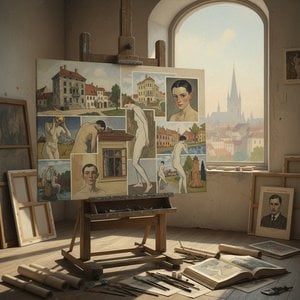
Egon Schiele: Cele Mai Remarcabile 25 De Opere – Artă, Decorațiuni și Inspirație
Descoperă cele mai importante 25 de opere ale lui Egon Schiele! Explorează expresionismul austriac, portretele intense și autoportretele emoționante. Reproduceri artă de calitate muzeală & inspirație decor pe ArtsDot.com.