

 Previzualizare
 Trimite prin felicitare
 Distribuie
 Detalii despre lucrare
 Ghid
Ghid

 Descarcă imaginea
 Produse similare
 Radiografie
 Galerie foto
 Întrebări și răspunsuri
 Statistici
Prophet Jeremiah


 Vezi mai mult
Giclée / Imprimare artistică
Printuri giclée sau pe canvas de calitate muzeală, cu proces de producție rapid și opțiuni flexibile de finisare. ( Comandă pictură realizată manual Comută pe Imagine Digitală)




P118B lei10

P118H lei10

P118W lei10

P438Z lei10

P508JH lei12

P508YH lei12

P805H lei10

P805Z lei10

P919BZ lei10

P919G lei10

P919XJ lei10

P959ZH lei10

P968JZ lei12

W106C lei8

W218G lei10

W218JH lei8

W218Y lei10

W307PJ lei10

W316G lei10

W316PJ lei8

W316Y lei10

W398PJ lei8

W4111J lei10

W500HY lei15

W500JH lei15

W692G lei12

W849H lei8

W940BG lei15

W953PJ lei8




Alegeți dintre dimensiunile noastre prestabilite, care respectă proporțiile originale ale operei de artă.

Introduceți lățimea și înălțimea necesare pentru a se potrivi ramei sau peretelui dumneavoastră. O printare poate fi doar tăiată, niciodată extinsă dincolo de dimensiunea imaginii originale, astfel încât o dimensiune cu o formă diferită va pierde o parte din imagine. Vă trimitem o simulare digitală pentru aprobare înainte de a imprima orice. Imaginea afișată pe această pagină nu prezintă tăierea reală — doar simularea arată acest lucru.
Livrare în întreaga lume () în 2 săptămâni, în loc de cele 4/5 săptămâni standard. (4 Noiembrie)

Livrare expres gratuită la nivel mondial

Pânză de in de înaltă calitate

Asigurare completă pentru transport

Garanție de rambursare a taxelor vamale

Garanția fidelității culorilor

Politica de retur în 100 de zile (doar pentru defecte de fabricație)

Garanție de rambursare 100%

Ofertă pentru comenzi multiple
 Opțiunea cu sticlă este disponibilă doar pentru dimensiuni de sub 110 cm

Prophet Jeremiah
Giclée / Imprimare artistică
Dimensiune reproducere
-


Preț total calculat
lei 299
Donatello’s Prophet Jeremiah: A Testament to Renaissance Faith
Donatello's "Prophet Jeremiah," sculpted in marble around 1423 during the Florentine Renaissance, stands as an enduring emblem of artistic innovation and spiritual contemplation. Commissioned by Lorenzo Medici for Santa Maria del Fiore Cathedral, this monumental figure transcends mere representation; it embodies a profound engagement with humanist ideals intertwined with biblical narrative—a hallmark of the era’s transformative cultural landscape.Sculptural Form and Technique: Embracing Classical Influence
The sculpture's design reflects Donatello’s masterful assimilation of classical sculptural principles. Unlike earlier depictions of prophets, Jeremiah is presented in a strikingly naturalistic pose, mirroring statues from antiquity – specifically those inspired by Greek models. This deliberate choice underscores the Renaissance fascination with reviving Greco-Roman aesthetics and demonstrating an understanding of anatomical accuracy. The sculptor skillfully employed techniques honed during his formative years studying under Filippo Brunelleschi, utilizing chisel and mallet to carve intricate details into the marble block. Note the careful drapery folds that convey movement and volume, mirroring the flowing robes characteristic of Roman sculptures. Donatello’s meticulous attention to surface texture contributes to the sculpture's palpable presence and enhances its visual impact.Historical Context: Florence Amidst Artistic Flourishing
Florence in the early 15th century was experiencing an unprecedented surge of artistic creativity—the Renaissance—fueled by patronage from wealthy families like the Medici. This period witnessed a revival of interest in classical art and philosophy, prompting artists to explore new approaches to portraying human form and emotion. Donatello’s “Prophet Jeremiah” exemplifies this spirit of experimentation, pushing boundaries established by Gothic sculpture traditions. The cathedral project itself served as a catalyst for artistic ambition, attracting talent from across Italy and establishing Santa Maria del Fiore as the epicenter of Renaissance art.Symbolism: Lamentation and Divine Revelation
Jeremiah’s posture—arms outstretched in supplication—immediately conveys sorrow and lamentation, reflecting the prophet's prophetic role as bearer of God’s word amidst impending doom. The scroll he clutches symbolizes divine revelation – Jeremiah’s prophecies concerning Judah’s destruction and eventual redemption. Donatello skillfully captures this emotional intensity through subtle facial expressions and nuanced musculature, demonstrating a deep understanding of human psychology. Furthermore, the sculpture’s placement within the cathedral underscores its spiritual significance—a visual reminder of faith and repentance amidst the grandeur of Florentine artistic achievement.Emotional Impact: A Moment Frozen in Time
“Prophet Jeremiah” continues to resonate with viewers centuries after its creation. Its serene yet melancholic countenance evokes empathy and invites contemplation on themes of suffering, resilience, and divine grace. Donatello’s masterful execution ensures that the sculpture retains an immediacy that transcends time—a testament to his artistic genius and a cornerstone of Florentine Renaissance art history. Hand-painted reproductions offer a captivating opportunity to experience this timeless masterpiece in your own home.Întrebări și răspunsuri
Ce punct comun are "Prophet Jeremiah" cu restul creației lui Donatello?
În creația lui Donatello, „Prophet Jeremiah” se înscrie în stilul Early Renaissance, alături de temele classicalidealism, religiousdevotion, humanformrepresentation, florenceculture, donatellolegacy.
Unde pot achiziționa o imagine digitală a "Prophet Jeremiah" de Donatello?
Pentru a obține o versiune digitală a lucrării "Prophet Jeremiah" de Donatello, comandați descărcare imagine digitală de înaltă rezoluție pe pagina sa de Imagine digitală de înaltă rezoluție.
Care este formatul pentru "Prophet Jeremiah"?
"Prophet Jeremiah" de Donatello este o compoziție de tip Tall. Proporțiile merită verificate înainte de a alege dimensiunea printului.
Opere similare


Biografie artist
Early Life and Artistic Beginnings
Donato di Niccolò di Betto Bardi, universally known as Donatello, emerged from the bustling heart of Florence around 1386 – a time when the city was poised on the cusp of an extraordinary artistic revolution. His early life remains shrouded in some mystery, yet it’s understood that he received his initial training within the workshops of Florentine sculptors, absorbing the techniques and traditions of the era. It's believed he began his apprenticeship around 1400, likely under the tutelage of masters working on the magnificent Duomo – Florence’s iconic cathedral. This formative period exposed him to a wealth of artistic influences, from the Gothic styles that still held sway to the nascent stirrings of Renaissance humanism. Donatello's father, Niccolò di Betto Bardi, was a wool carder, placing his son within a merchant family and providing him with an early exposure to the commercial world – a characteristic that would later impact Donatello’s approach to commissions and his sometimes challenging relationship with patrons. The precise details of his upbringing are scarce, but it's clear that he developed a keen eye for form, proportion, and the expressive potential of sculpture during these crucial formative years.Key Works and Artistic Innovations
Donatello’s legacy rests upon a remarkable body of work, each piece reflecting a deepening understanding of classical ideals and a bold departure from established conventions. His most celebrated creation, undoubtedly, is the bronze *David* (circa 1446), a sculpture that irrevocably altered the course of Western art. Unlike previous depictions of the biblical hero, Donatello’s David stands nude, powerfully embodying youthful strength and vulnerability. This was a revolutionary gesture – the first freestanding nude male sculpture to be created since antiquity – and it immediately captivated audiences with its realism and emotional intensity. The *David* wasn't merely a technical achievement; it represented a profound shift in artistic philosophy, prioritizing human anatomy and psychological depth over idealized beauty. Beyond *David*, Donatello produced a series of equally significant works, including the poignant *St. Louis of Toulouse* (1423-1425), a marble sculpture that showcased his mastery of drapery and expressive detail; the dramatic *Sacrifice of Isaac* (circa 1457-1469) for the Santa Maria del Fiore’s campanile, which boldly employed perspective to create a dynamic and engaging composition; and the emotionally charged *Crucifix* (1425), a testament to his ability to convey profound spiritual anguish. These works demonstrate Donatello's versatility across materials – bronze, marble, wood – and his willingness to experiment with new techniques, such as the “schiacciato” relief method, which created an illusion of depth and volume.Artistic Style and Influences
Donatello’s artistic style evolved dramatically throughout his career, reflecting a constant dialogue between classical antiquity and contemporary Florentine sensibilities. Initially influenced by the Gothic traditions prevalent in Florence, he gradually embraced the principles of Renaissance humanism, drawing inspiration from ancient Roman sculpture – particularly the works of artists like Pollione and Leoquinto. He meticulously studied casts of Greek and Roman statues, analyzing their proportions, musculature, and expressive gestures. This deep engagement with classical models informed his own work, resulting in a remarkable synthesis of stylistic elements. Donatello’s sculptures are characterized by their anatomical accuracy, emotional intensity, and dynamic compositions. Unlike the static, idealized figures of earlier Renaissance artists, Donatello's subjects appear to be caught in moments of action or contemplation, conveying a sense of immediacy and vitality. His use of light and shadow further enhances this effect, creating a dramatic interplay between form and space. Furthermore, Donatello’s work was not immediately embraced by the Florentine community; his innovative approach often met with resistance from conservative critics who favored more traditional styles. However, his talent and artistic vision eventually prevailed, establishing him as one of the most influential sculptors of his time and profoundly shaping the course of Renaissance art.Legacy and Historical Significance
Donatello’s impact on Western art is immeasurable. He not only revitalized interest in classical sculpture but also pioneered new techniques and approaches to representation. His emphasis on realism, emotional expression, and dynamic composition set a precedent for generations of artists who followed. Donatello's work served as a crucial bridge between the Gothic and Renaissance periods, demonstrating the potential for artistic innovation while retaining a deep respect for the past. He was a true innovator, pushing the boundaries of sculpture and inspiring countless artists to explore new possibilities. His legacy continues to resonate today, with his sculptures admired and studied by art lovers around the world. Donatello’s contributions extend beyond the purely aesthetic; he embodied the spirit of Renaissance humanism, celebrating the beauty and potential of the human form and reflecting a profound engagement with the complexities of the human experience. He remains one of the most important figures in the history of Western art, a testament to the power of artistic vision and technical mastery.
Donatello
1386 - 1466 , Italia
Detalii rapide
- Artistic Movement Or Style: Renaissance
- Artists Or Movements Influenced By This Artist: ['Renăscut']
- Artists Who Influenced This Artist: ['Sculptură clasică']
- Date Of Birth: c. 1386
- Date Of Death: 1466
- Full Name: Donato di Niccolò
- Nationality: Italian
- Notable Artworks:
- David
- St. Louis
- Sacrificiu
- Place Of Birth: Florența, Italia
Articole similare
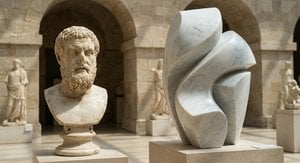
The Enduring Allure of Marble in Art History: From Classical Sculpture to Modern Abstraction
Explore the captivating history of marble sculpture from ancient Greece to modern art. Discover renowned artists like Canova & Michelangelo, carving techniques, and investment insights at ArtsDot.

Top 10 Capodopere din Bronz care au Revoluționat Arta | ArtsDot.ro
Descoperiți Top 10 capodopere din bronz care au revoluționat arta! Rodin, Michelangelo și alții. Aflați istoria sculpturilor clasice și inspirație pentru decorul casei dvs. Reproduceri de artă de calitate muzeală pe ArtsDot.com

Top 10 Capodopere din Bronz care au Revoluționat Arta – Inspirație pentru Decor
Descoperă Top 10 sculpturi din bronz care au schimbat istoria artei! Explorează operele lui Rodin, Michelangelo și alți maeștri, tehnicile lor unice și inspirația pentru decorul casei tale. Replici de calitate muzeală pe ArtsDot.com.

The Enduring Form: Sculpture Across History, Technique & Emotional Resonance
Explore the rich history of sculpture with ArtsDot. Discover key techniques, influential artists & investment potential for discerning collectors. Expert insights into valuing and collecting timeless masterpieces.

The Enduring Form: Exploring Themes & Techniques in Sculpture Across Historical Periods
Explore the rich history of sculpture from ancient masterpieces to contemporary innovations. Discover key techniques, influential artists & investment potential for discerning art collectors.
