

 Previzualizare
 Trimite prin felicitare
 Distribuie
 Detalii despre lucrare
 Ghid
Ghid

 Descarcă imaginea
 Produse similare
 Radiografie
 Galerie foto
 Întrebări și răspunsuri
 Statistici
Lamentation

- 65.0 x 66.0cm


 Vezi mai mult
Giclée / Imprimare artistică
Printuri giclée sau pe canvas de calitate muzeală, cu proces de producție rapid și opțiuni flexibile de finisare. ( Comandă pictură realizată manual Comută pe Imagine Digitală)




P118B lei10

P118H lei10

P118W lei10

P438Z lei10

P508JH lei12

P508YH lei12

P805H lei10

P805Z lei10

P919BZ lei10

P919G lei10

P919XJ lei10

P959ZH lei10

P968JZ lei12

W106C lei8

W218G lei10

W218JH lei8

W218Y lei10

W307PJ lei10

W316G lei10

W316PJ lei8

W316Y lei10

W398PJ lei8

W4111J lei10

W500HY lei15

W500JH lei15

W692G lei12

W849H lei8

W940BG lei15

W953PJ lei8




Alegeți dintre dimensiunile noastre prestabilite, care respectă proporțiile originale ale operei de artă.

Introduceți lățimea și înălțimea necesare pentru a se potrivi ramei sau peretelui dumneavoastră. O printare poate fi doar tăiată, niciodată extinsă dincolo de dimensiunea imaginii originale, astfel încât o dimensiune cu o formă diferită va pierde o parte din imagine. Vă trimitem o simulare digitală pentru aprobare înainte de a imprima orice. Imaginea afișată pe această pagină nu prezintă tăierea reală — doar simularea arată acest lucru.
Livrare în întreaga lume () în 2 săptămâni, în loc de cele 4/5 săptămâni standard. (13 Noiembrie)

Livrare expres gratuită la nivel mondial

Pânză de in de înaltă calitate

Asigurare completă pentru transport

Garanție de rambursare a taxelor vamale

Garanția fidelității culorilor

Politica de retur în 100 de zile (doar pentru defecte de fabricație)

Garanție de rambursare 100%

Ofertă pentru comenzi multiple
 Opțiunea cu sticlă este disponibilă doar pentru dimensiuni de sub 110 cm

Lamentation
Giclée / Imprimare artistică
Dimensiune reproducere
-


Preț total calculat
lei 300
The Composition and Figures
The painting depicts the Lamentation, a scene centered on the limp body of Jesus Christ. The figure of Christ lies horizontally across the middle ground, his pale skin contrasting against the darker tones of the surrounding figures. The Virgin Mary holds his body, her form integrated into a tight, pyramidal arrangement with other mourners. These figures are positioned closely together, creating a sense of physical density. The color palette relies on deep crimson reds, dark blues, and earthy browns. A strong light source illuminates the faces and limbs of the central group, while the background remains dark and moody. The sky above is obscured by shadows. The lines of the composition follow the slumped posture of Christ and the leaning forms of those grieving around him.
Technique and Visual Elements
Executed in oil on canvas, the work utilizes chiaroscuro to define the volume of the bodies and the depth of the shadows. The lighting is theatrical, casting sharp highlights on the skin of Christ and the faces of the mourners against a dark backdrop. Textures vary from the soft appearance of the drapery in the clothing to a more rugged quality in the background landscape. The perspective remains shallow, which keeps the viewer's focus on the immediate group of figures. The artist employs fluid, organic lines that trace the weight of the deceased figure and the slumped shoulders of the surrounding people. This method of light and shadow creates a sense of three-dimensional form within a compressed space.
Historical and Symbolic Context
Created around 1580, this work belongs to the late Renaissance or Mannerist style. The subject matter focuses on the period of grief following the Crucifixion. Within the composition, certain elements carry specific meaning, such as the halo present around Mary and Christ, which denotes divinity amidst the depiction of human suffering. The painting reflects the Venetian tradition of using light to reveal form and emotion. The arrangement of the figures emphasizes the intimacy of the mourning process. The heavy atmosphere is established through the use of deep, saturated colors and a somber tonal range.
Întrebări și răspunsuri
La ce vârstă a creat Domenico Tintoretto opera „Lamentation”?
Domenico Tintoretto a creat "Lamentation" la vârsta de 20. Artistul s-a născut în 1560, iar lucrarea datează din 1580.
Este "Lamentation" în domeniul public?
În ceea ce privește drepturile de autor, "Lamentation" este în domeniul public – drepturile de autor au expirat.
Care este situația drepturilor de autor pentru "Lamentation" de Domenico Tintoretto?
"Lamentation" de Domenico Tintoretto este în domeniul public – drepturile de autor au expirat. Durata protecției drepturilor de autor se calculează de la data decesului artistului, survenit în anul 1635.
Opere similare


Biografie artist
The Shadow of a Master: The Life and Legacy of Domenico Robusti
In the golden, sun-drenched era of the Venetian Renaissance, names often echoed through the marble halls of history with a thunderous intensity. Yet, within the orbit of the legendary Jacopo Tintoretto, there existed a more subtle, quiet brilliance. Domenico Robusti, often whispered about in the annals of art history as a figure existing in the soft glow of his father’s monumental shadow, carved out a space for himself that was uniquely his own. Born in Venice around 1560, Domenico grew up amidst the scent of oil paints and the dramatic tension of his father's workshop. While he is frequently linked to the grand, theatrical compositions of the Tintoretto lineage, his true artistry lay in a more intimate, refined approach to the canvas—a departure from the flamboyant energy of his predecessor toward something far more poised and psychologically observant.
The formative years of Domenico Robústi were undoubtedly shaped by the revolutionary techniques flowing through his family home. To study under Tintoretto was to learn the language of chiaroscuro, to understand how light could pierce through darkness to reveal the soul of a subject, and to master the complex geometry of perspective. However, where the elder Robusti sought to overwhelm the viewer with movement and scale, Domenico found beauty in the stillness. His development as an artist was marked by a transition from mere stylistic imitation to a sophisticated mastery of portraiture and decorative elegance. He possessed a rare ability to capture the dignity of the Venetian nobility, translating their social stature into subtle facial expressions and meticulous anatomical precision.
A Mastery of Portraiture and Devotional Grace
Domenico’s body of work serves as a window into the social fabric of 16th-century Venice. His portraits were not merely records of likeness but were profound studies in character. Through his brush, figures such as Mario Barbarigo and Francesco Maria Veneto were rendered with a grace that balanced the weight of their titles with a palpable human vulnerability. This period of his career highlights a significant achievement: the ability to marry the grand Mannerist tradition with an understated elegance that would become his hallmark. His compositions often utilized rich, textured backgrounds—a skill likely honed through collaborative efforts within the family workshop—to frame his subjects in a way that felt both timeless and deeply rooted in the Venetian landscape.
Beyond the secular realm of portraiture, Domenico’s talent extended into the deeply spiritual. His religious works, such as the poignant Tancred Baptizing Clorinda, demonstrate a profound capacity for conveying solemn piety and emotional depth. In these pieces, one can observe the lingering influence of his father's dramatic lighting, yet it is tempered by a gentler, more contemplative touch. Similarly, in works like Annunciation and Three Avogadri, he navigated the complexities of religious symbolism and intricate composition, proving that he could handle the heavy theological themes of the era with a sophisticated, Mannerist flair. His ability to weave together the sacred and the human allowed him to contribute significantly to the devotional art that defined the Venetian spirit.
Historical Significance and Artistic Resonance
The historical significance of Domenico Robusti lies in his role as a bridge between the high drama of the late Renaissance and the more refined, poised sensibilities of the following era. While he may not have sought the same level of fame as the giants of his age, his contributions to the Venetian school are undeniable. He provided a necessary counterpoint to the overwhelming theatricality of the period, offering instead a vision of beauty found in detail, texture, and psychological nuance. His work remains a vital testament to the enduring legacy of the Robusti name and the intricate layers of influence that shaped the artistic identity of Venice.
To study Domenico is to appreciate the quiet strength of an artist who found his voice not by shouting over the masters, but by speaking with a clarity and elegance that demanded its own kind of reverence. His life and art remind us that even in the presence of legends, there is profound beauty to be found in the subtle strokes of a master's hand.

Domenico Tintoretto
1560 - 1635 , Italy
Detalii rapide
- Full Name: Domenico Robusti
- Nationality: Italian
- Date Of Birth: 1560
- Date Of Death: 1635
- Place Of Birth: Venice, Italy
- Notable Artworks:
- Annunciation and Three Avogadri
- Portrait of Mario Barbarigo
- Portrait of a Man
- Artistic Movement Or Style: Mannerism
- Artists Who Influenced This Artist: ['Tintoretto']
- Artists Or Movements Influenced By This Artist: ['Jacopo Robusti']
Articole similare

Jacopo Tintoretto: Cele Mai Remarcabile 25 de Capodopere – Artă Clasică pentru Decorul Tău
Descoperă cele mai frumoase 25 de picturi ale lui Jacopo Tintoretto! Explorează capodopere renascentiste venețiene, scene biblice dramatice și stilul unic al artistului. Reproduceri artă de calitate muzeală pentru decorul tău pe ArtsDot.com.

Divine Beauty: A Connoisseur's Guide to Selecting Captivating Religious Art for Your Home
Discover how to select breathtaking religious art for your home. Our expert guide explores sacred themes, from Renaissance grace to Baroque drama, helping you find hand-painted masterpieces that inspire devotion and elevate your interior design with timeless beauty.

Top 10 Opere de Artă Care Trezesc Emoții Profunde de Melancolie | ArtsDot.ro
Descoperă top 10 opere de artă care evocă emoții profunde de melancolie. Explorează poveștile din spatele picturilor celebre ale lui Van Gogh, Munch și Goya. Reproduceri de calitate muzeală pentru decorul perfect pe ArtsDot.com
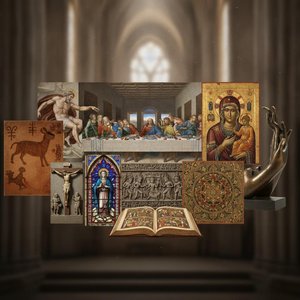
Divine Visions: Top 10 Masterpieces Exploring Religious Themes
Journey through history with 10 iconic religious masterpieces. From Renaissance classics to Baroque drama, explore the stories behind these sacred works. Find museum-quality art reproductions and curated decor inspiration. Discover all masterpieces on ArtsDot.com.

El Greco: Cele Mai Reprezentative 25 De Capodopere – Artă Sacră și Decorațiuni Excepționale
Descoperă cele mai frumoase 25 de picturi El Greco! Explorează capodoperele renascentiste, stilul unic al lui Doménikos Theotokópoulos și emoțiile puternice din arta sa sacră. Reproduceri de artă de calitate muzeală pe ArtsDot.com – inspiră-ți decorul!