


 Vezi în context
 Trimite
 Distribuie
 Detalii
 Ghid
Ghid

 Descarcă
 Produse similare
 Radiografie
 Diaporama
 Statistici
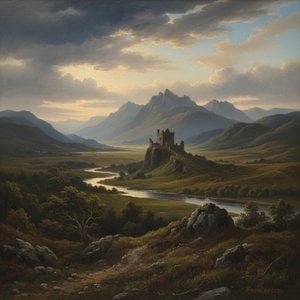
Edinburgh from the Castle
 Acrylic On Canvas
- WallArt
- Oriental Romanticism
 1847
1847 122.0 x 213.0 cm
 Centrul Britanic pentru Artă din Yale
 Citește mai mult
Reproducere pictată manual în ulei
Pictură în ulei pe pânză, realizată manual de artiștii noștri la dimensiunea și ramele dorite de dumneavoastră, pe comandă. ( Comută pe versiunea Print Treci la imagine digitală)




P118B $10

P118H $10

P118W $10

P438Z $10

P508JH $12

P508YH $12

P805H $10

P805Z $10

P919BZ $10

P919G $10

P919XJ $10

P959ZH $10

P968JZ $12

W106C $8

W218G $10

W218JH $8

W218Y $10

W307PJ $10

W316G $10

W316PJ $8

W316Y $10

W398PJ $8

W4111J $10

W500HY $15

W500JH $15

W692G $12

W849H $8

W940BG $15

W953PJ $8




Alegeți dintre dimensiunile noastre prestabilite, care respectă proporțiile originale ale operei de artă.

Puteți introduce propriile dimensiuni pentru a se potrivi unui anumit cadru sau spațiu. Dacă dimensiunea selectată nu corespunde proporțiilor imaginii originale, vom decupa opera de artă sau vom extinde pictura cu elemente suplimentare pictate manual. O simulare digitală vă va fi trimisă pentru aprobare înainte de începerea producției.
Vă rugăm să rețineți că previzualizarea de pe ecran nu reflectă decuparea sau extinderea reală. Doar macheta va arăta cu exactitate compoziția finală.
Deși sunt disponibile dimensiuni personalizate, vă recomandăm să selectați o dimensiune din lista predefinită pentru a păstra proporțiile originale.
După plasarea comenzii, echipa ArtsDot.com va contacta clientul prin e-mail pentru instrucțiuni și îi va furniza o previzualizare a machetei
Livrare în întreaga lume () în 3-4 săptămâni, în loc de cele 5 săptămâni standard. (21 Septembrie). Fără compromisuri în ceea ce privește calitatea.

Livrare expres gratuită la nivel mondial

Pânză de in premium

Asigurare completă pentru transport

Garanție de rambursare a taxelor vamale

Garanția fidelității culorilor

Politica de retur în 100 de zile (doar pentru defecte)

Garanție de rambursare 100%

Reducere pentru comenzi multiple
 Opțiunea cu sticlă este disponibilă doar pentru dimensiuni de sub 110 cm

Edinburgh from the Castle
Tip de reproducere
Dimensiune reproducere
-


Preț total
$ 263
Edinburgh from the Castle by David Roberts
David Roberts’s “Edinburgh from the Castle” stands as a cornerstone of Victorian landscape painting and a testament to the artist's meticulous observation and masterful execution. Completed in 1847, this monumental oil on canvas captures a panoramic vista of Edinburgh city viewed from Arthur’s Seat, offering viewers an unparalleled glimpse into Scotland’s capital during a period of significant urban expansion and artistic fervor.A Vision of Victorian Grandeur
Roberts's style embodies the Romantic spirit tempered by scientific accuracy—a hallmark of the era. He eschewed fantastical embellishments in favor of a rigorously detailed depiction of the cityscape, prioritizing topographical precision alongside atmospheric perspective. The painting’s ambition wasn’t merely to record what was seen; it aimed to convey the grandeur and dynamism of Edinburgh's burgeoning industrial age against the backdrop of Scotland’s ancient hills. This juxtaposition speaks volumes about Victorian sensibilities – a fascination with both progress and heritage.Technique and Detail: Roberts's Legacy
Roberts employed a technique characterized by smooth, blended brushstrokes—a hallmark of his style—allowing him to achieve remarkable tonal gradation and convincingly simulate the hazy air of the Scottish highlands. Layers upon layers of pigment were applied with painstaking care, capturing the subtle nuances of light and shadow across the castle walls and rooftops. The artist’s meticulous attention to detail extends beyond mere representation; it imbues the scene with a palpable sense of presence, inviting contemplation on the scale and beauty of the natural world alongside human settlement. Roberts's use of glazing techniques further enhanced the luminosity and depth of color, resulting in an image that glows with warmth and vibrancy.Symbolism Within the Landscape
Arthur’s Seat dominates the composition, representing Scotland’s geological history and serving as a visual anchor for the viewer’s gaze. The castle itself symbolizes power, authority, and tradition—elements crucial to understanding Victorian Britain's social and political landscape. Furthermore, the scattered figures within the painting – laborers, merchants, and tourists – embody the diverse population of Edinburgh at the time, reflecting the city’s role as a hub of commerce and culture. Roberts subtly communicates these ideas through his careful positioning of elements within the frame.Emotional Resonance: Capturing the Spirit of Place
“Edinburgh from the Castle” transcends mere visual representation; it evokes a profound emotional response. The painting's expansive scale inspires awe, while its luminous colors convey a sense of optimism and vitality. It captures not only the physical beauty of Edinburgh but also its spirit—a blend of rugged wilderness and civilized sophistication. This artwork continues to resonate with audiences today because it successfully communicates the grandeur of Victorian Scotland and remains an enduring symbol of artistic excellence. Its impact on subsequent landscape painters is undeniable, cementing Roberts’s place as one of Scotland's most celebrated artists.Opere similare


Biografie artist
David Roberts: A Life in Art
David Roberts (1796–1864) was a Scottish painter celebrated for his detailed Orientalist scenes and meticulous lithographs. His work provides invaluable visual documentation of the Middle East during the 19th century, bridging artistic representation with historical record. He remains an influential figure in Victorian art history, embodying both technical prowess and a profound engagement with distant cultures.Early Life and Career
Born on October 24, 1796, in Stockbridge near Edinburgh, Roberts’s formative years instilled within him a dedication to craftsmanship that would permeate his artistic endeavors throughout his life. At the age of ten, he commenced an apprenticeship under Gavin Beugo, a house painter and decorator – experience which cultivated a foundational skill set focused on precision and meticulous execution. This practical grounding complemented his evening art studies, fostering a holistic approach to artistic development. His initial professional commissions included redecorating Scone Palace in 1815, showcasing early talent for transforming spaces through visual artistry. Subsequently, he transitioned into scene painting for James Bannister’s circus, honing his abilities in crafting immersive theatrical environments – an invaluable prelude to his later success as a prominent Orientalist painter.Artistic Journey and Influences
Roberts' artistic trajectory was propelled by an expanding fascination with diverse cultures and landscapes. Initially drawn to theatrical scenery, he gradually redirected his energies toward independent artistic pursuits, driven by a desire for exploration and innovation. His voyage to Spain in 1832 proved particularly significant, sparking an interest in architectural detail and the exotic allure of unfamiliar locales – elements that would become recurring motifs in his subsequent paintings. However, it was his extensive expeditions into Egypt and the Near East between 1838 and 1840 that truly cemented his artistic legacy. These journeys yielded a wealth of sketches and observations—a treasure trove of visual information that he skillfully translated into his most celebrated works. Notably, Roberts’s style wasn't dictated by any singular artist; rather, it emerged from careful observation, meticulous technique, and an unwavering commitment to capturing the essence of his subjects. He drew inspiration from artists like Jenaro Pérez Villaamil and Alexander Nasmyth, whose stylistic approaches subtly shaped his own artistic vision.Notable Works and Achievements
Roberts achieved lasting renown primarily through his series of lithograph prints – namely *The Holy Land, Syria, Idumea, Arabia, Egypt,* and *Nubia*. These images stand as monumental achievements in visual documentation, meticulously portraying the grandeur of ancient sites and capturing the vibrant tapestry of daily life within these regions. His lithographs were widely circulated throughout Europe, disseminating images that profoundly impacted public perception of the Middle East during a period marked by burgeoning interest in exploration and scholarship. Furthermore, Roberts’s artistic prowess extended beyond printmaking; he produced numerous oil paintings characterized by expansive landscapes and architectural marvels—works that exemplify his mastery of color and composition. In 1841, he was elected as a Royal Academician – an honorific recognition reflecting the esteem accorded to his contributions to British art and culture.Artistic Style and Characteristics
Roberts’s artistic style is distinguished by several key features:- Orientalism: He embraced the Orientalist movement wholeheartedly, prioritizing depictions of Middle Eastern landscapes and cultures—a trend fueled by European Romantic idealism and a desire for exotic adventure.
- Attention to Detail: Roberts possessed an unparalleled dedication to accuracy in rendering architectural elements, costumes, and natural scenery—a hallmark of his oeuvre that distinguishes him from many contemporaries.
- Landscaping & Townscapes: He skillfully blended romantic sensibilities with meticulous observation, crafting evocative panoramas that captured both the sublime beauty of wilderness and the dynamism of urban life.

David Roberts
1796 - 1864 , Regatul Unit al Marii Britanii
Informații rapide
- Artistic Movement Or Style: Orientalism
- Artists Who Influenced This Artist:
- Jenaro Pérez Villaamil
- Alexander Nasmyth
- Date Of Birth: October 24, 1796
- Date Of Death: 1864
- Full Name: David Roberts
- Nationality: Scottish
- Notable Artworks: ['The Holy Land, Syria, Idumea, Arabia, Egypt, and Nubia']
- Place Of Birth: Stockbridge, United Kingdom
Articole conexe
Alexander Nasmyth: Picturing Scotland's Romantic Landscape – Innovation & Identity
Explore the life & art of Alexander Nasmyth, a pivotal figure in Scottish Romantic landscape painting. Discover his iconic works, including portraits of Robert Burns, and learn about his lasting influence on national identity. Fine art reproductions available.

David Roberts: A Scottish Pioneer of Topographical Art & Orientalist Vision
Explore the captivating world of David Roberts, a pioneering Scottish painter renowned for his detailed Orientalist scenes & stunning Egyptian landscapes. Discover his legacy and find museum-quality reproductions at ArtsDot.

Francis Cadell: A Study in Scottish Colourism & Intimate Portraiture
Explore the captivating world of Francis Campbell Cadell, a leading Scottish Colourist. Discover his elegant Edinburgh interiors, vibrant portraits & unique style. Learn about his influences and enduring legacy with ArtsDot.

Hubert Robert: Picturing Ruins, Preserving Memory – A Study of Romantic Antiquarianism & Artistic Innovation
Explore the captivating world of Hubert Robert, master of Romantic landscape painting & 'capriccio' ruins. Discover his historical context, artistic innovations, and collecting insights with ArtsDot.

George Paul Chalmers: Rediscovering the Angus Rembrandt & Scottish Colourist Roots
Explore the captivating world of George Paul Chalmers (1833-1878), a pivotal Scottish painter. Discover his landscapes, portraits & connection to the Aesthetic Movement and Colourists. Learn about this 'Angus Rembrandt's' legacy with ArtsDot.
