

 Previzualizare

 Trimite prin felicitare
 Distribuie
 Detalii despre lucrare
 Ghid


 Descarcă imaginea
 Produse similare
 Radiografie
 Galerie foto
 Întrebări și răspunsuri
 Statistici
Self-Portrait

- 183.0 x 137.0 cm


 Vezi mai mult
Giclée / Imprimare artistică
Printuri giclée sau pe canvas de calitate muzeală, cu proces de producție rapid și opțiuni flexibile de finisare. ( Comandă pictură realizată manual Comută pe Imagine Digitală)




P118B lei10

P118H lei10

P118W lei10

P438Z lei10

P508JH lei12

P508YH lei12

P805H lei10

P805Z lei10

P919BZ lei10

P919G lei10

P919XJ lei10

P959ZH lei10

P968JZ lei12

W106C lei8

W218G lei10

W218JH lei8

W218Y lei10

W307PJ lei10

W316G lei10

W316PJ lei8

W316Y lei10

W398PJ lei8

W4111J lei10

W500HY lei15

W500JH lei15

W692G lei12

W849H lei8

W940BG lei15

W953PJ lei8




Alegeți dintre dimensiunile noastre prestabilite, care respectă proporțiile originale ale operei de artă.

Introduceți lățimea și înălțimea necesare pentru a se potrivi ramei sau peretelui dumneavoastră. O printare poate fi doar tăiată, niciodată extinsă dincolo de dimensiunea imaginii originale, astfel încât o dimensiune cu o formă diferită va pierde o parte din imagine. Vă trimitem o simulare digitală pentru aprobare înainte de a imprima orice. Imaginea afișată pe această pagină nu prezintă tăierea reală — doar simularea arată acest lucru.
Livrare în întreaga lume () în 2 săptămâni, în loc de cele 4/5 săptămâni standard. (18 Noiembrie)

Livrare expres gratuită la nivel mondial

Pânză de in de înaltă calitate

Asigurare completă pentru transport

Garanție de rambursare a taxelor vamale

Garanția fidelității culorilor

Politica de retur în 100 de zile (doar pentru defecte de fabricație)

Garanție de rambursare 100%

Ofertă pentru comenzi multiple
 Opțiunea cu sticlă este disponibilă doar pentru dimensiuni de sub 110 cm

Self-Portrait
Giclée / Imprimare artistică
Dimensiune reproducere
-


Preț total calculat
lei 299
David Bailly’s “Self-Portrait” – A Window into Dutch Golden Age Soul
David Bailly's "Self-Portrait," painted in 1625, isn’t merely a likeness; it’s a carefully constructed meditation on identity, artistry, and the fleeting nature of existence—a quintessential example of the introspective spirit flourishing during the Netherlands’ Golden Age. This remarkable work, rendered in meticulous pen and ink on light brown paper, offers a rare glimpse into the mind of an artist deeply engaged with his craft and the world around him. The painting immediately draws the viewer in with Bailly's direct gaze, a subtle challenge and invitation to contemplate the scene before them.
The composition is deceptively simple yet profoundly layered. Bailly presents himself in a three-quarter pose, seated at a wooden table cluttered with the tools of his trade: brushes, scissors, and a rolled-up sheet of paper—each element whispering tales of creative process and intellectual pursuit. The stark contrast between the dark, densely hatched areas of his clothing and the lighter, more open spaces around him immediately establishes a sense of depth and texture. Bailly’s face is rendered with an astonishing level of detail; the delicate lines defining his curly hair, the prominent nose, and the expressive eyes all contribute to a portrait that feels remarkably alive. The inclusion of a white collar, a fashionable accessory of the period, adds a touch of formality while simultaneously highlighting the artist's self-awareness.
The Baroque Influence & Vanitas Symbolism
Bailly’s style firmly resides within the Baroque tradition, though tempered by his distinctly Dutch sensibility. The influence is evident in the dramatic lighting—a diffused quality that casts subtle shadows and highlights—and the intricate detailing of every element within the composition. However, unlike the grandiosity often associated with Baroque art, Bailly's work possesses a quiet intimacy. He masterfully employs hatching and cross-hatching to build up tonal values, creating a sense of volume and texture without resorting to heavy brushstrokes or vibrant colors. This technique is particularly evident in the depiction of his jacket, where the meticulous lines create a complex pattern that suggests both skill and patience.
Crucially, “Self-Portrait” incorporates elements of *vanitas*, a symbolic genre popular during the Baroque period. The inclusion of tools like scissors and the rolled-up paper serves as reminders of the ephemeral nature of artistic creation—a fleeting moment captured on paper. The table itself is laden with objects that speak to mortality: a partially consumed candle, suggesting the passage of time; and the very act of painting, an endeavor requiring sustained effort and ultimately leading to the artist’s own eventual demise. These subtle yet potent symbols invite contemplation on themes of life, death, and the transient beauty of the world.
A Window into a Dutch Master's Life
Beyond its artistic merits, “Self-Portrait” offers valuable insights into the life of David Bailly himself. Born in Leiden in 1584, Bailly’s early training involved apprenticeships with skilled craftsmen—a testament to the importance of practical experience in the Netherlands’ burgeoning art scene. His travels throughout Europe, particularly his sojourn in Rome, exposed him to the artistic innovations of the Renaissance and Baroque periods, which undoubtedly influenced his style. The painting can be seen as a reflection of this journey – a distillation of experiences and influences into a single, powerful image.
Bailly’s legacy extends beyond his portraits and still lifes. He was also a respected teacher, passing on his knowledge and techniques to subsequent generations of artists. “Self-Portrait” stands as a poignant reminder of the artist's dedication to both his craft and his students, solidifying his place as a pivotal figure in Dutch Golden Age art. It’s a work that continues to resonate with viewers today, offering a glimpse into the soul of an extraordinary man and the enduring power of artistic self-expression.
Further Exploration & Reproduction Details
For those seeking deeper understanding, resources like WikiArt (https://www.wikiart.org/en/david-bailly/self-portrait-1625) and Wikipedia (https://en.wikipedia.org/wiki/David_Bailly) offer extensive biographical information and critical analyses of Bailly’s work. The painting itself is a remarkable example of 17th-century artistry, showcasing the precision and skill of pen and ink techniques.
ArtsDot offers high-quality reproductions of “Self-Portrait,” meticulously crafted to capture the essence of Bailly's original masterpiece. These reproductions are ideal for interior design, art collecting, or simply as a beautiful reminder of this iconic work of Dutch Golden Age art. Consider commissioning a hand-painted reproduction – a truly unique and authentic addition to any collection.
Întrebări și răspunsuri
Cine a creat "Self-Portrait" și în ce an?
„Self-Portrait” a fost creat de David Bailly în 1625.
Ce atmosferă ar aduce într-o încăpere o reproducere a operei "Self-Portrait" de David Bailly?
Atmosfera Calm a operei "Self-Portrait" de David Bailly se potrivește perfect spațiului recomandat: un Living Room.
Ce stare și ce emoție transmite "Self-Portrait" de David Bailly?
"Self-Portrait" de David Bailly transmite un sentiment Reflective, într-o atmosferă generală Calm.
Opere similare


Articole similare

Top 10 Capodopere Baroc Olandez: Artă, Istorie și Decorațiuni Interioare de Lux
Descoperă top 10 capodopere Baroc Olandez! Rembrandt, Vermeer și alți maeștri. Explorează istoria artei, tehnicile unice și atmosfera luxoasă a picturilor baroce. Reproduceri de artă de calitate muzeală pe ArtsDot.com.

Esența Vieții Îmbrățișată în Ulei: Portrete Realiste Personalizate ca Moștenire Emoțională
Comandă un portret personalizat unic, realizat de artiști talentați! Transformăm amintirile în opere de artă atemporale, cu calitate superioară și atenție la detalii. Investește într-o moștenire emoțională durabilă.

The Echo of Self: Reflectivity as a Core Theme in Art History & Contemporary Practice
Explore the rich history of self-representation in art, from Renaissance masters to modern innovators. Discover how artists use portraiture to reveal identity, emotion & the depths of the human psyche. Expert insights for collectors.
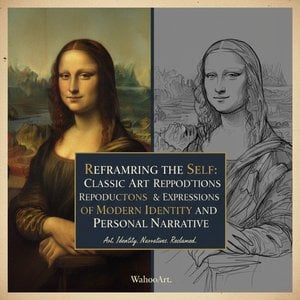
Reconfigurarea Sinelui: Reproduceri Artistice Clasice ca Expresii ale Identității Moderne și Narativului Personal
Descoperă cum reproducerile artistice clasice pot exprima identitatea ta! Comandă portrete personalizate, consultanță gratuită și artă de calitate superioară. ArtsDot – transformăm spațiul tău în o galerie personală.

Illuminating Shadows: A Comprehensive Exploration of 17th-Century Painting – Themes, Techniques, and Enduring Legacy
Explore the captivating world of 17th-century painting! Discover Baroque masters like Rembrandt & Caravaggio, learn about chiaroscuro techniques, and delve into Dutch Golden Age realism. Expert insights for art lovers & collectors.