
- Acasă

- Imprimare pe pânză
- chaim gross
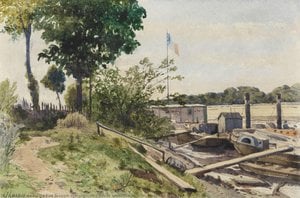
- Squatters

 Comandă reproducere pictată Cumpără imaginea
 Trimite
 Distribuie
 Detalii despre lucrare
 Adaugă la favorite

 Descarcă
 Similare
 Radiografie
 Diaporama
Squatters
 Impressionism
 1932
1932 19.0 x 34.0 cm
 Vezi mai mult
Giclée / Imprimare artistică
Print giclée sau pe canvas de calitate muzeală, cu producție rapidă și opțiuni flexibile de finisare.




































Alegeți dintre dimensiunile noastre prestabilite, care respectă proporțiile originale ale operei de artă.

Puteți introduce propriile dimensiuni pentru a se potrivi unui anumit cadru sau spațiu. Dacă dimensiunea selectată nu corespunde proporțiilor imaginii originale, vom decupa lucrarea de artă sau vom extinde imaginea cu margini oglindite sau cu o culoare uniformă. Un mockup digital va fi trimis pentru aprobarea dumneavoastră înainte de începerea producției.
Vă rugăm să rețineți că previzualizarea de pe ecran nu reflectă decuparea sau extinderea reală. Doar mockup-ul va arăta cu exactitate compoziția finală.
Deși dimensiunile personalizate sunt disponibile, vă recomandăm să selectați o dimensiune din lista predefinită pentru a păstra proporțiile originale.
Livrare în întreaga lume () în 2 săptămâni, în loc de cele 4/5 săptămâni standard. (23 Iulie)

Livrare expres gratuită la nivel mondial

Pânză de in de înaltă calitate

Asigurare completă pentru transport

Garanție de rambursare a taxelor vamale

Garanția fidelității culorilor

Politica de retur de 60 de zile (doar pentru defecte)

Garanție 100% de rambursare

Reducere la comenzi multiple
 Opțiunea cu sticlă este disponibilă doar pentru dimensiuni de sub 110 cm

Squatters
Giclée / Imprimare artistică
Dimensiune reproducere
-


Preț total calculat
-
Opere de artă similare


Biografie artist
Chaim Gross: Sculptor of Emotion and Family
Chaim Gross (1902 – 1991) stands as a singular figure in American sculpture, recognized for his uncompromising approach to carving wood and bronze—a method he termed “direct carving.” Unlike many sculptors of his era who relied on molds or preparatory sketches, Gross meticulously shaped his figures from raw material, allowing the inherent qualities of the wood itself to inform the final form. This technique wasn’t merely stylistic; it represented a profound philosophical commitment to capturing the essence of human experience and familial bonds. Born in Brooklyn, New York, Gross's early life was marked by intellectual curiosity and a fascination with Jewish mysticism—Kabbalah—which profoundly shaped his artistic vision. He studied at Pratt Institute and later pursued postgraduate studies at Yale University under Josef Albers, absorbing influences from Bauhaus principles and exploring the intersection of abstraction and figuration. These formative experiences instilled in him a belief that art should strive for psychological depth and honesty. Gross’s sculptural output spanned decades, encompassing monumental works alongside intimate portraits. He consistently tackled themes of family—particularly mothers and daughters—often depicting figures intertwined in poses conveying tenderness, vulnerability, and unspoken emotion. His sculptures aren't simply representations of the human form; they are explorations of inner life, striving to convey feelings rather than merely replicating external appearances. Consider “Two Girls (11),” a poignant pencil drawing that exemplifies this dedication to capturing psychological nuance—a piece currently housed at the Smithsonian Institution. The delicate lines and subtle shading reveal Gross’s masterful ability to distill complex emotions onto paper. His artistic style evolved over time, moving from early Expressionist influences toward a more refined aesthetic characterized by organic forms and textured surfaces. However, his core conviction remained steadfast: sculpture should serve as a conduit for conveying profound human truths. Works like “Mother Playing,” completed in 1967, exemplify this commitment to capturing the palpable warmth of maternal love—a piece available for reproduction at ArtsDot.com. The artist’s meticulous attention to detail and his masterful manipulation of material contribute to an enduring impression of emotional resonance. Gross's legacy extends beyond his individual artworks. He championed a sculptural method that prioritized intuition and responsiveness to the material, rejecting academic conventions in favor of a more visceral engagement with artistic creation. Furthermore, he established the Chaim Gross Sculpture Studio in Rye Brook, New York, fostering a tradition of teaching and mentoring aspiring sculptors—a testament to his belief in the transformative power of art education. Ultimately, Chaim Gross remains an artist whose work continues to inspire contemplation on themes of family, emotion, and the enduring beauty of honest artistic expression.
chaim gross
1902 - 1991
Detalii rapide
- Artistic Movement Or Style: Expressionism
- Artists Who Influenced This Artist:
- Henri Matisse
- Pablo Picasso
- Date Of Birth: 1902
- Date Of Death: 1991
- Full Name: Chaim Gross
- Nationality: American
- Notable Artworks:
- Untitled (2 reclining women)
- Two Girls ( 11)
- Mother Playing
- Place Of Birth: Vienna, Austria
Articole conexe

Edward Hopper: Cele Mai Iconice Lucrări – Artă, Decorațiuni și Povești Captivante
Descoperă cele mai iconice 25 de picturi Edward Hopper! Explorează realismul american, atmosfera unică și poveștile din spatele capodoperelor sale. Reproduceri tablouri de calitate muzeală & inspirație pentru decor interior pe ArtsDot.com.

Edwin Deakin: A Victorian Topographer's Vision of Landscape, Industry & Social Change
Explore the captivating world of Edwin Deakin, a Victorian artist who masterfully captured California's landscapes, Spanish missions & Chinatown. Discover his legacy and influence on art history.

Ephemeral Visions: Exploring the History & Emotional Resonance of Watercolor Painting
Explore the captivating history of watercolor painting, from ancient techniques to modern masters like Kandinsky & Blake. Discover essential artists, collecting tips & the emotional power of this luminous medium. Expert insights for art enthusiasts.
Ephemeral Visions: Exploring the Artistic Legacy & Nuances of Watercolor Painting
Explore the captivating world of watercolor painting! Discover its rich history, essential techniques, influential artists & collecting tips from art experts. A comprehensive guide for enthusiasts.

Ephemeral Echoes: Exploring the Aesthetic & Historical Significance of Vintage Watercolor Painting
Explore the captivating world of vintage watercolor painting! Discover its rich history, techniques, influential artists & collecting tips. Expert insights for enthusiasts and collectors at ArtsDot.

