

 Previzualizare
 Trimite prin felicitare
 Distribuie
 Detalii despre lucrare
 Ghid
Ghid

 Descarcă imaginea
 Produse similare
 Radiografie
 Galerie foto
 Întrebări și răspunsuri
 Statistici
Two Hanged Teals


 Vezi mai mult
Giclée / Imprimare artistică
Printuri giclée sau pe canvas de calitate muzeală, cu proces de producție rapid și opțiuni flexibile de finisare. ( Comandă pictură realizată manual Comută pe Imagine Digitală)




P118B lei10

P118H lei10

P118W lei10

P438Z lei10

P508JH lei12

P508YH lei12

P805H lei10

P805Z lei10

P919BZ lei10

P919G lei10

P919XJ lei10

P959ZH lei10

P968JZ lei12

W106C lei8

W218G lei10

W218JH lei8

W218Y lei10

W307PJ lei10

W316G lei10

W316PJ lei8

W316Y lei10

W398PJ lei8

W4111J lei10

W500HY lei15

W500JH lei15

W692G lei12

W849H lei8

W940BG lei15

W953PJ lei8




Alegeți dintre dimensiunile noastre prestabilite, care respectă proporțiile originale ale operei de artă.

Introduceți lățimea și înălțimea necesare pentru a se potrivi ramei sau peretelui dumneavoastră. O printare poate fi doar tăiată, niciodată extinsă dincolo de dimensiunea imaginii originale, astfel încât o dimensiune cu o formă diferită va pierde o parte din imagine. Vă trimitem o simulare digitală pentru aprobare înainte de a imprima orice. Imaginea afișată pe această pagină nu prezintă tăierea reală — doar simularea arată acest lucru.
Livrare în întreaga lume () în 2 săptămâni, în loc de cele 4/5 săptămâni standard. (5 Noiembrie)

Livrare expres gratuită la nivel mondial

Pânză de in de înaltă calitate

Asigurare completă pentru transport

Garanție de rambursare a taxelor vamale

Garanția fidelității culorilor

Politica de retur în 100 de zile (doar pentru defecte de fabricație)

Garanție de rambursare 100%

Ofertă pentru comenzi multiple
 Opțiunea cu sticlă este disponibilă doar pentru dimensiuni de sub 110 cm

Two Hanged Teals
Giclée / Imprimare artistică
Dimensiune reproducere
-


Preț total calculat
lei 299
A Moment Frozen in Time: Examining Cesare Dandini’s “Two Hanged Teals”
Cesare Dandini's "Two Hanged Teals," housed at the Galleria degli Uffizi in Florence, Italy, stands as a testament to the meticulous realism and subtle emotional depth characteristic of Baroque art. Painted circa 1630-1640, this seemingly simple still life transcends its subject matter—two freshly plucked teal birds suspended from hooks—to offer a profound meditation on mortality and beauty within a framework of religious contemplation. Dandini’s masterful technique captures the delicate textures of feathers and skin with astonishing precision, reflecting the prevailing artistic ideals of his era: an unwavering commitment to observation and an ability to convey psychological nuance.The Baroque Aesthetic: Light, Drama, and Anatomical Accuracy
Dandini's work firmly establishes itself within the Baroque tradition—a movement that prioritized dramatic lighting, opulent color palettes, and a heightened sense of theatricality. The muted brown background serves as a deliberate counterpoint to the birds’ vibrant plumage, directing the viewer’s gaze upwards towards the ornate hook, emphasizing the vertical axis and reinforcing the painting's solemn mood. Like many Baroque artists striving for scientific accuracy, Dandini meticulously studied anatomy—a pursuit championed by Vesalius—resulting in an incredibly detailed depiction of the birds’ musculature and skeletal structure. This dedication to realism wasn’t merely decorative; it served as a conduit for conveying spiritual truths through naturalistic representation.Symbolism Within Still Life: Death and Resurrection
Beyond its technical brilliance, “Two Hanged Teals” carries significant symbolic weight. The teal bird itself—a species known for its vulnerability—represents fragility and mortality. Its hanging position evokes images of crucifixion, referencing Christian iconography and symbolizing sacrifice and redemption. Dandini’s careful positioning of the birds' heads upward suggests an aspiration towards divine grace, hinting at a belief in resurrection and eternal life – themes central to Baroque spirituality. The artist’s deliberate choice of composition underscores the pervasive preoccupation with death and rebirth during this period.A Legacy of Florentine Artistic Tradition
Cesare Dandini belonged to a lineage of Florentine painters deeply rooted in Renaissance humanist ideals, yet decisively shaped by the burgeoning influence of Baroque aesthetics. His brother Vincenzo Dandini and nephew Pietro Dandini were equally accomplished artists, establishing a family tradition dedicated to artistic excellence. Dandini’s apprenticeship under Cristofano Allori and Domenico Passignano ensured he absorbed the stylistic innovations of his time—a synthesis between classical elegance and dramatic expression. The Galleria degli Uffizi's acquisition of “Two Hanged Teals” solidified Dandini’s place as a pivotal figure in Florentine Baroque art, securing his reputation for capturing both visual beauty and spiritual contemplation.Reproductions: Bringing Dandini’s Vision to Life
Today, reproductions of "Two Hanged Teals" offer an opportunity to experience the artistry of Cesare Dandini firsthand. ArtsDot.com presents exceptionally detailed prints that faithfully recreate the painting's luminous palette and textural nuances—allowing admirers worldwide to appreciate Dandini’s profound artistic legacy. Explore a stunning collection of high-quality reproductions designed to inspire and delight.Întrebări și răspunsuri
Cum echilibrează "Two Hanged Teals" lumina și întunericul?
"Two Hanged Teals" de Cesare Dandini este înregistrat cu o balanced, având o luminanță de Soft Shadow.
"Two Hanged Teals" de Cesare Dandini se numără printre operele de artă Baroque căutate?
„Two Hanged Teals” este înregistrat ca fiind Iconic printre lucrările de tip Baroque din catalog.
„Two Hanged Teals” are o previzualizare în realitate augmentată?
Poți vizualiza "Two Hanged Teals" de Cesare Dandini pe propriul tău perete folosind pagina Previzualizare în AR a operei de artă, prin intermediul realității augmentate pe un dispozitiv compatibil.
Opere similare


Biografie artist
Cesare Dandini (1596-1657): Florentine Baroque Painter
Cesare Dandini, born in Florence in 1596, emerged during a period of dynamic artistic transition – the Baroque era was taking hold, yet the echoes of Renaissance mastery still resonated strongly within the city’s workshops. He wasn't merely a painter; he was a product of a deeply ingrained Florentine artistic lineage, a family whose dedication to craft spanned generations. His older brother, Vincenzo Dandini, also achieved recognition as a painter, and this creative spirit continued through their nephew Pietro, and even into his sons, Ottaviano and the Jesuit priest Vincenzo, ensuring the Dandini name remained synonymous with artistry in Florence for decades. Cesare’s formal training began under Francesco Curradi, where he likely honed foundational skills, before progressing to Cristofano Allori, a figure who would significantly influence his developing style. His apprenticeship culminated with Domenico Passignano, absorbing the lessons of each master and forging a path toward his own unique artistic voice. In 1621, Dandini’s commitment was formalized through enrollment in the Accademia del Disegno, solidifying his place within Florence's vibrant art community.- Early Influences & Training: Cesare’s formative years were marked by exposure to prominent Florentine artists like Francesco Curradi and Cristofano Allori. These masters instilled in him a meticulous approach to draughtsmanship and design, qualities that would characterize his entire oeuvre.
- The Accademia del Disegno: Dandini joined the prestigious Accademia del Disegno in 1621, immersing himself in the intellectual and artistic fervor of Florence’s elite art circle. This institution fostered collaboration and innovation, shaping his artistic vision.
A Baroque Style Rooted in Tradition
Dandini skillfully navigated the transition from late Mannerism to full-blown Baroque, creating works that are both elegant and emotionally resonant. He embraced the Baroque’s penchant for dramatic color contrasts—a technique inherited from Florentine predecessors—while maintaining a refined sense of proportion and balance. His style wasn’t simply about spectacle; it was underpinned by a deep understanding of humanist ideals and a desire to convey spiritual contemplation.
- Color Contrast: Dandini’s paintings frequently employed striking color combinations, mirroring the Baroque tradition but retaining Florentine sensibilities.
- Composition & Balance: Like Carlo Dolci, Dandini prioritized harmonious compositions that drew viewers into the scene, emphasizing clarity and elegance.
Themes and Artistic Output
Cesare Dandini’s artistic output encompassed a diverse range of subjects, primarily religious iconography and mythological narratives. He excelled in portraying figures with grace and emotional depth—particularly Mary and Child—demonstrating his mastery of humanist ideals.
- Religious Subjects: Dandini produced numerous paintings depicting biblical scenes, reflecting the spiritual concerns of his time.
- Mythological Scenes: He also engaged with mythological themes, exploring narratives from classical antiquity with meticulous detail and expressive dynamism.
Notable Works & Legacy
Among Dandini’s most celebrated paintings are “Holy Family with the Infant St. John,” a masterpiece showcasing his technical prowess and artistic sensitivity—recently rediscovered in New Rochelle, NY—and “Diana with a Dog,” which exemplifies his ability to capture both beauty and psychological complexity. His influence extended beyond his own lifetime through his pupils, including Stefano della Bella and Alessandro Rosi, who carried forward his techniques and aesthetic principles into subsequent generations.
- “Holy Family with the Infant St. John”: This rediscovered painting exemplifies Dandini’s artistic vision and underscores his enduring importance in art history.
Historical Significance
Cesare Dandini wasn’t a revolutionary figure, but rather a steadfast defender of Florentine artistic traditions during a period of considerable change. His work represents a continuation of the city’s rich heritage and demonstrates the enduring appeal of its painting techniques—a testament to his dedication to craft and mentorship.

Cesare Dandini
1596 - 1657 , Italia
Detalii rapide
- Artistic Movement Or Style: Baroque
- Artists Or Movements Influenced By This Artist:
- Stefano della Bella
- Alessandro Rosi
- Artists Who Influenced This Artist:
- Francesco Curradi
- Cristofano Allori
- Domenico Passignano
- Date Of Birth: 1596
- Full Name: Cesare Dandini
- Nationality: Italian
- Notable Artworks:
- Holy Family
- Allegory of Intelligence
- St Cecilia
- Penitent Magdalen
- Place Of Birth: Florence, Italy
Articole similare

Silent Narratives: Exploring the Enduring Appeal of Still Life Painting Across Centuries
Explore the rich history of still life painting with ArtsDot. Discover Dutch Masters, decode vanitas symbolism & learn about collecting timeless art. Expert insights and museum-quality reproductions.

The Dramatic Flourish: Exploring the Baroque Movement's Enduring Legacy in Art History
Explore the dramatic world of Baroque art! Discover iconic artists like Caravaggio & Rubens, defining techniques, and its lasting impact on art history. Expert insights for collectors & enthusiasts at ArtsDot.

Barocul în Splendoare: Cele Mai Reprezentative 10 Capodopere Artistice | ArtsDot.ro
Descoperă splendoarea Barocului! Explorează cele mai importante 10 capodopere ale lui Caravaggio, Rembrandt și Rubens. Află poveștile din spatele picturilor iconice și adu eleganța clasică în casa ta cu reproduceri de artă premium pe ArtsDot.ro

Drama Barocă: Cum să Aduceți Splendoare și Emoție în Interioarele Contemporane
Descoperiți cum să integrați splendoarea stilului baroc în locuința dumneavoastră! Ghid complet cu elemente de design, culori și inspirație pentru interioare luxoase și pline de emoție.
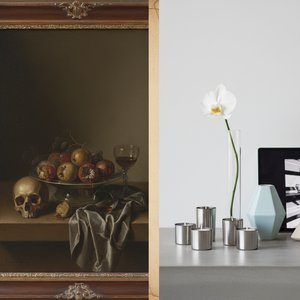
The Enduring Appeal of Still Life: A Historical & Contemporary Exploration
Explore the rich history & symbolism of still life painting with ArtsDot. Discover masterpieces from the Dutch Golden Age, learn about vanitas art, and find expert guidance for collecting timeless artworks.