

 Previzualizare
 Trimite
 Distribuie
 Detalii despre lucrare

 Descarcă
 Produse similare
 Radiografie
 Diapozitive automate
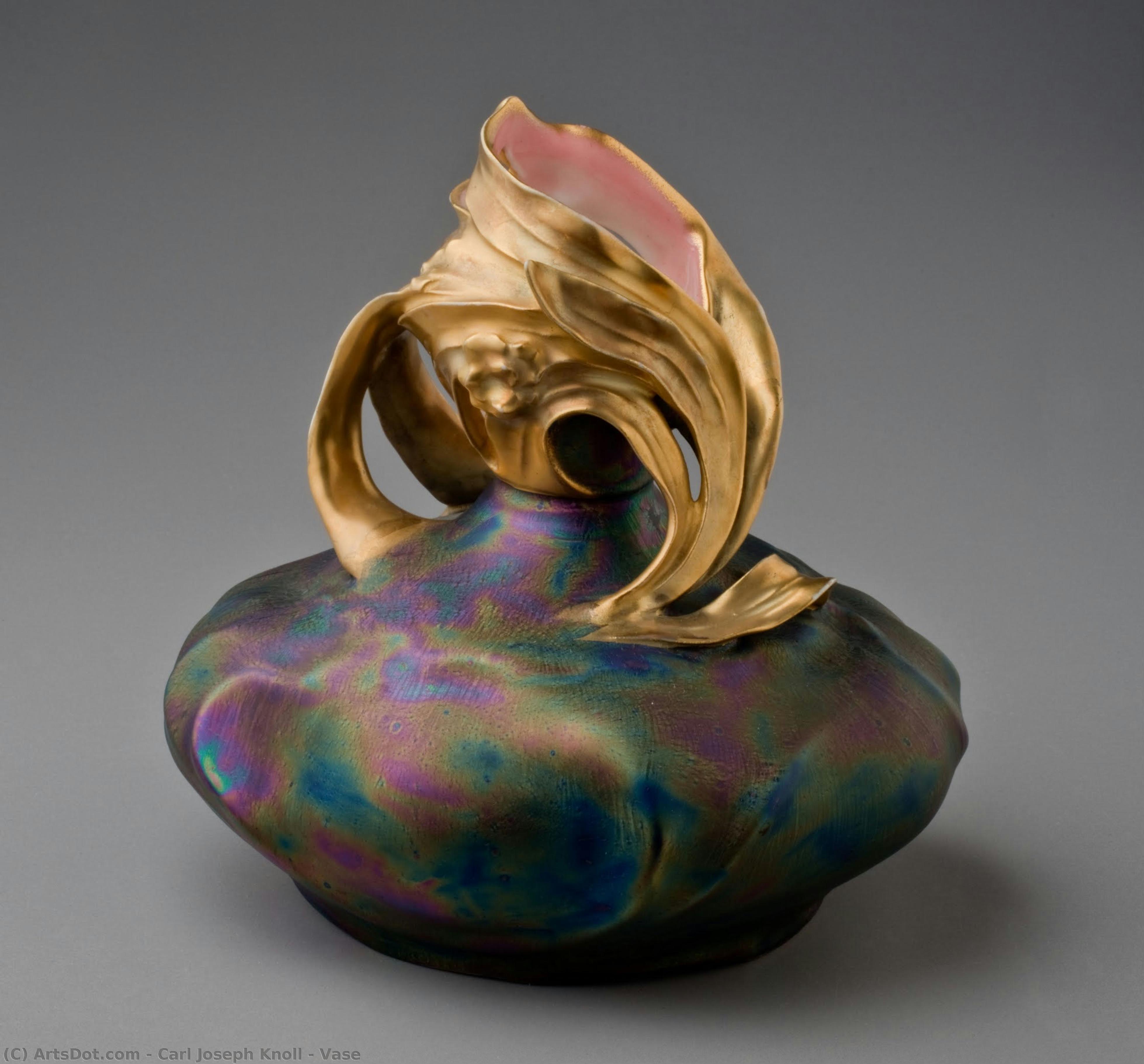
Vase

 Vezi mai mult
Reproducere pictată manual în ulei
Pictură în ulei pe pânză, realizată manual de artiștii noștri la dimensiunea și ramele dorite de dumneavoastră, pe comandă. ( Comandă versiunea tipărită Comută la imagine)




































Alegeți dintre dimensiunile noastre prestabilite, care respectă proporțiile originale ale operei de artă.

Puteți introduce propriile dimensiuni pentru a se potrivi unui anumit cadru sau spațiu. Dacă dimensiunea selectată nu corespunde proporțiilor imaginii originale, vom decupa opera de artă sau vom extinde pictura cu elemente suplimentare pictate manual. O simulare digitală vă va fi trimisă pentru aprobare înainte de începerea producției.
Vă rugăm să rețineți că previzualizarea de pe ecran nu reflectă decuparea sau extinderea reală. Doar macheta va arăta cu exactitate compoziția finală.
Deși sunt disponibile dimensiuni personalizate, vă recomandăm să selectați o dimensiune din lista predefinită pentru a păstra proporțiile originale.
După plasarea comenzii, echipa ArtsDot.com va contacta clientul prin e-mail pentru instrucțiuni și îi va furniza o previzualizare a machetei
Livrare în întreaga lume () în 3-4 săptămâni, în loc de cele 5 săptămâni standard. (11 August). Fără compromisuri în ceea ce privește calitatea.

Livrare expres gratuită la nivel mondial

Pânză de in de înaltă calitate

Asigurare completă pentru transport

Garanție de rambursare a taxelor vamale

Garanția fidelității culorilor

Politica de retur în 60 de zile (doar pentru defecte)

Garanție de rambursare 100%

Ofertă pentru comenzi multiple
 Opțiunea cu sticlă este disponibilă doar pentru dimensiuni de sub 110 cm

Vase
Tehnică de reproducere
Dimensiune reproducere
-


Preț total calculat
$ 263
Biografie artist
Early Life and Artistic Beginnings
Carl Joseph Knoll’s story begins in the heart of Carlsbad, Croatia – a city steeped in history and artistic tradition. Born in 1868, his early life was shaped by the Austro-Hungarian Empire, an environment that fostered both a deep appreciation for craftsmanship and a burgeoning interest in design. His family's background as porcelain manufacturers provided him with an invaluable foundation; he grew up surrounded by the meticulous processes of shaping clay, glazing, and firing – skills that would later become integral to his own artistic endeavors. While details about his formal education are somewhat sparse, it’s clear that Knoll possessed a natural talent for observation and a keen eye for detail, qualities honed through years spent immersed in the world of ceramics. The industrial landscape of 19th-century Carlsbad, with its burgeoning factories and workshops, undoubtedly influenced his developing aesthetic sensibilities, exposing him to both traditional techniques and emerging innovations.The Founding of Karlsbader Porzellanfabrik
Carl Knoll’s ambition extended beyond simply inheriting a family business; he sought to establish a distinct identity for his porcelain factory. In 1842, he founded the Karlsbader Porzellanfabrik – later known as the Knoll Porcelain Factory – in Fischern, Germany, near the renowned spa town of Carlsbad (now Karlovy Vary). This marked not just the beginning of a commercial venture but also the realization of a long-held vision: to produce porcelain of exceptional quality and beauty. Initially, the factory focused on producing tableware, establishing a reputation for elegance and durability. However, Knoll’s foresight extended beyond mere functionality; he recognized the potential for incorporating artistic elements into his designs, laying the groundwork for the factory's future prominence in the world of luxury ceramics. The decision to locate the factory near Carlsbad was strategic, capitalizing on the town’s growing popularity as a health resort and attracting affluent clientele seeking exquisite souvenirs and decorative items.Innovation and Artistic Direction
The mid-19th century witnessed a period of significant innovation within the porcelain industry, and Knoll embraced these advancements with enthusiasm. He experimented with new glazing techniques, pushing the boundaries of color and texture, and meticulously refined his firing processes to achieve unparalleled levels of detail and translucence. Crucially, Knoll recognized the importance of design as more than just technical proficiency; he understood that it was a powerful means of communicating aesthetic values and evoking emotional responses. This realization led him to collaborate with talented artists and designers, bringing a diverse range of influences into his work. The factory’s output began to reflect this artistic breadth, incorporating elements of Rococo elegance, Neo-Classical restraint, and burgeoning Romanticism. Knoll's leadership was characterized by a commitment to quality control and a willingness to invest in the latest technologies, ensuring that Karlsbader Porzellanfabrik remained at the forefront of the industry.The Rise of Luxury Painted Porcelain
A pivotal moment in Knoll’s career – and the factory’s history – arrived with the introduction of luxury painted porcelain. Recognizing the growing demand for decorative objects adorned with intricate designs, Knoll expanded his production to include a vast array of hand-painted pieces. These weren't merely decorated; they were miniature works of art, showcasing the skills of master artisans who meticulously rendered floral motifs, pastoral scenes, and elaborate portraits. The factory quickly gained international recognition for its exquisite painted porcelain, attracting discerning collectors and establishing a reputation for unparalleled artistry. This expansion into luxury goods solidified Knoll’s legacy as a visionary entrepreneur and a champion of artistic excellence. His commitment to employing skilled painters ensured that each piece bore the unmistakable mark of human creativity – a crucial element in elevating the factory's products beyond mere mass-produced items.Legacy and Influence
Carl Joseph Knoll’s influence extends far beyond the walls of Karlsbader Porzellanfabrik. He wasn’t simply a manufacturer; he was a catalyst for artistic innovation, shaping the aesthetic landscape of 19th-century Europe. His factory became synonymous with quality, elegance, and artistic craftsmanship, setting a new standard for luxury porcelain production. The techniques and designs pioneered by Knoll continue to inspire contemporary ceramic artists and designers. Furthermore, his commitment to fostering relationships with talented painters ensured that the factory remained at the cutting edge of decorative arts for decades to come. Even after his death in 1868, his sons – Adolf, Karel, and Ludwig – skillfully continued his legacy, refining product quality and introducing increasingly lavishly painted goods. The Karlsbader Porzellanfabrik remains a testament to Knoll’s vision—a symbol of artistic ambition, entrepreneurial spirit, and the enduring allure of handcrafted beauty.
carl joseph knoll
1868 , Croatia
Detalii rapide
- Artistic Movement Or Style: Porcelain craftsmanship
- Artists Or Movements Influenced By This Artist: ['Karlsbader Porzellanfabrik']
- Artists Who Influenced This Artist: ['']
- Date Of Birth: 1868
- Full Name: Carl Joseph Knoll
- Nationality: Austrian
- Notable Artworks:
- Vase
- St Joseph Chapel
- Place Of Birth: Carlsbad, Croatia

