

 Previzualizare
 Trimite prin felicitare
 Distribuie
 Detalii despre lucrare
 Ghid
Ghid

 Descarcă imaginea
 Produse similare
 Radiografie
 Galerie foto
 Întrebări și răspunsuri
 Statistici
The Last Judgment


 Vezi mai mult
Giclée / Imprimare artistică
Printuri giclée sau pe canvas de calitate muzeală, cu proces de producție rapid și opțiuni flexibile de finisare. ( Comandă pictură realizată manual Comută pe Imagine Digitală)




P118B lei10

P118H lei10

P118W lei10

P438Z lei10

P508JH lei12

P508YH lei12

P805H lei10

P805Z lei10

P919BZ lei10

P919G lei10

P919XJ lei10

P959ZH lei10

P968JZ lei12

W106C lei8

W218G lei10

W218JH lei8

W218Y lei10

W307PJ lei10

W316G lei10

W316PJ lei8

W316Y lei10

W398PJ lei8

W4111J lei10

W500HY lei15

W500JH lei15

W692G lei12

W849H lei8

W940BG lei15

W953PJ lei8




Alegeți dintre dimensiunile noastre prestabilite, care respectă proporțiile originale ale operei de artă.

Introduceți lățimea și înălțimea necesare pentru a se potrivi ramei sau peretelui dumneavoastră. O printare poate fi doar tăiată, niciodată extinsă dincolo de dimensiunea imaginii originale, astfel încât o dimensiune cu o formă diferită va pierde o parte din imagine. Vă trimitem o simulare digitală pentru aprobare înainte de a imprima orice. Imaginea afișată pe această pagină nu prezintă tăierea reală — doar simularea arată acest lucru.
Livrare în întreaga lume () în 2 săptămâni, în loc de cele 4/5 săptămâni standard. (13 Noiembrie)

Livrare expres gratuită la nivel mondial

Pânză de in de înaltă calitate

Asigurare completă pentru transport

Garanție de rambursare a taxelor vamale

Garanția fidelității culorilor

Politica de retur în 100 de zile (doar pentru defecte de fabricație)

Garanție de rambursare 100%

Ofertă pentru comenzi multiple
 Opțiunea cu sticlă este disponibilă doar pentru dimensiuni de sub 110 cm

The Last Judgment
Giclée / Imprimare artistică
Dimensiune reproducere
-


Preț total calculat
lei 300
Opere similare


Biografie artist
The Vasari of Lombardy: The Grandeur of Camillo Procaccini
In the vibrant, turbulent landscape of late 16th-century Italy, few names resonated with as much prolific energy as Camillo Procaccini. Often bestowed with the evocative title, “The Vasari of Lombardy,” Procaccini was far more than a mere chronicler or decorator; he was a master of narrative drama who breathed life into the stone and plaster of the Counter-Reformation era. Born in Bologna in 1561, his very existence was woven into the fabric of an artistic dynasty. As the son of Ercole Procaccini the Elder and the elder brother to accomplished painters Giulio Cesare and Carlo Antonio, Camillo emerged from a Bolognese atelier where classical principles were already being reimagined through the lens of Mannerist innovation.
His early development was shaped by a profound dialogue with the masters who preceded him. While his roots lay in the disciplined traditions of Bologna, his artistic soul wandered through the works of Correggio and Parmigianino, absorbing their soft textures and elongated elegance. A pivotal moment in his journey involved study trips to Parma and Rome, where the monumental frescoes of Michelangelo and the harmonious compositions of Raphael left an indelible mark on his psyche. These encounters allowed him to synthesize a style that could balance the complex, often artificial grace of Mannerism with a burgeoning sense of emotional weight and clarity—a necessity for the religious fervor sweeping through Italy at the time.
A Milanese Triumph and the Art of Devotion
The year 1587 marked a transformative epoch in Procaccini’s career when he relocated to Milan. This move was not merely a change of scenery but an ascent into the highest echelons of European patronage. Under the watchful eye of influential figures like Count Camillo Visconti Borromeo, Procaccini began to transform the architectural spaces of Lombardy into celestial theaters. His work at the Lainate Villa showcased his burgeoning mastery of spatial illusion, where painted figures seemed to break free from their two-dimensional confines to interact with the viewer.
His influence soon permeated the most sacred institutions of the region. The Cathedral of Milan, or Duomo, became a primary stage for his genius. Whether executing the intricate organ shutters or painting profound altarpieces such as The Martyrdom of Saint Agnes, Procaccini utilized light and shadow to communicate the intense piety demanded by the Catholic Church. His ability to weave complex theological narratives into accessible, visually arresting compositions made him an indispensable tool for the dissemination of dogma. This period of his life was characterized by a relentless productivity that saw him collaborating with contemporaries like Giuseppe Meda and Ambrogio Figino, creating a unified aesthetic of splendor across Milanese churches.
Legacy of a Master Frescoist
As his career progressed, Procaccini’s reach extended far beyond the borders of Lombardy, touching the artistic circles of Venice, Genoa, and even the Swiss Canton Ticino. His legacy is not found merely in individual canvases, but in the very atmosphere of the spaces he adorned. To walk through a church decorated by Procaccini is to experience the transition from the stylized tension of Mannerism toward the more emotive, dramatic precursors of the Baroque.
The enduring significance of his work lies in several key artistic contributions:
- Narrative Mastery: His ability to direct the viewer's eye through complex, multi-figure compositions that tell a cohesive spiritual story.
- Stylistic Synthesis: The seamless blending of Bolognese precision with the atmospheric softness of the Parmese school.
- Architectural Integration: A profound understanding of how fresco and painting can alter the perceived dimensions and sanctity of a physical space.
Though time has weathered many of his frescoes, the spirit of Camillo Procaccini remains etched in the history of Italian art. He stands as a bridge between eras, a painter who captured the shifting religious and aesthetic tides of his century with unparalleled vigor and grace.

Camillo Procaccini
1561 - 1629 , Italy
Detalii rapide
- Full Name: Camillo Procaccini
- Nationality: Italian
- Date Of Birth: 1561
- Date Of Death: 1629
- Place Of Birth: Bologna, Italy
- Notable Artworks:
- St Ambrose Stopping Theodosius
- Left profile of a male figure
- Artistic Movement Or Style: Mannerist
- Artists Who Influenced This Artist: ['Ercole Procaccini']
- Artists Or Movements Influenced By This Artist: ['Vasari']
Articole similare

Arta care prinde viață: Puterea emoțională a unei fresce interioare personalizate
Descoperă puterea emoțională a unei fresce interioare personalizate! Experți în arta frescei oferim design unic, execuție impecabilă și consultanță gratuită. Transformă-ți spațiul!

The Enduring Legacy of Fresco Painting: Techniques, History & Contemporary Relevance
Explore the rich history & enduring artistry of fresco painting – from Giotto to Michelangelo! Discover techniques, conservation efforts, & modern applications. Learn how ArtsDot brings this timeless art form to your home.
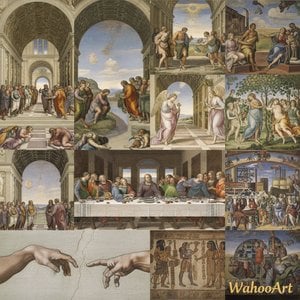
Top 10 Fresce Legendare: Capodopere Artistice Care Au Schimbat Istoria Artei
Descoperă Top 10 fresce legendare care au revoluționat arta! Michelangelo, Rafael și Giotto prind viață în capodopere renascentiste. Găsește inspirație pentru decorul interior și reproduceri de artă de calitate muzeală pe ArtsDot.com

The Enduring Legacy of Fresco: Technique, History & Artistic Expression Across Cultures
Explore the rich history & enduring legacy of fresco painting! Discover ancient techniques, Giotto's masterpieces, and modern applications. Expert insights for art lovers & professionals.
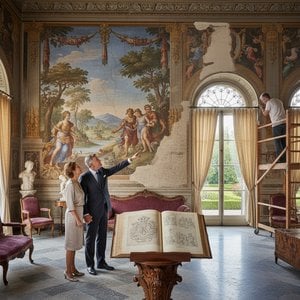
Moștenirea Frescei: Pictând Istoria Familiei pe Pereți
Transformă istoria familiei tale într-o frescă unică! Artiști profesioniști, tehnici moderne și consultanță gratuită. Creează o moștenire vizuală de neuitat cu .