


 Vezi în context
 Trimite
 Distribuie
 Detalii
 Guide
Guide

 Descarcă
 Produse similare
 Radiografie
 Diaporama
 Statistici
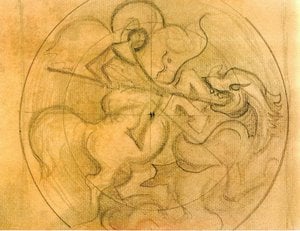
Untitled (for Otto Freundlich)
 Citește mai mult
Giclée / Imprimare artistică
Printuri giclée sau pe canvas de calitate muzeală, cu proces de producție rapid și opțiuni flexibile de finisare. ( Comandă pictură realizată manual Treci la imagine digitală)




































Alegeți dintre dimensiunile noastre prestabilite, care respectă proporțiile originale ale operei de artă.

Puteți introduce propriile dimensiuni pentru a se potrivi unui anumit cadru sau spațiu. Dacă dimensiunea selectată nu corespunde proporțiilor imaginii originale, vom decupa lucrarea de artă sau vom extinde imaginea cu margini oglindite sau cu o culoare uniformă. Un mockup digital va fi trimis pentru aprobarea dumneavoastră înainte de începerea producției.
Vă rugăm să rețineți că previzualizarea de pe ecran nu reflectă decuparea sau extinderea reală. Doar mockup-ul va arăta cu exactitate compoziția finală.
Deși dimensiunile personalizate sunt disponibile, vă recomandăm să selectați o dimensiune din lista predefinită pentru a păstra proporțiile originale.
Livrare în întreaga lume () în 2 săptămâni, în loc de cele 4/5 săptămâni standard. (20 Septembrie)

Livrare expres gratuită la nivel mondial

Pânză de in premium

Asigurare completă pentru transport

Garanție de rambursare a taxelor vamale

Garanția fidelității culorilor

Politica de retur în 100 de zile (doar pentru defecte)

Garanție de rambursare 100%

Reducere pentru comenzi multiple
 Opțiunea cu sticlă este disponibilă doar pentru dimensiuni de sub 110 cm

Untitled (for Otto Freundlich)
Giclée / Imprimare artistică
Dimensiune reproducere
-


Preț total
$ 62
Opere similare




Biografie artist
Anselm Reyle: A Dialogue Between Found Objects and Abstract Form
Born in Tübingen, Germany, in 1970, Anselm Reyle’s artistic journey is a fascinating exploration of the unexpected – a deliberate collision between the commonplace and the profound. Initially drawn to landscape design and music, Reyle’s focus shifted decisively towards painting and sculpture, fueled by an inherent curiosity about materials and their potential for transformation. His work isn't simply about creating beautiful objects; it’s a sustained interrogation of our relationship with visual culture, challenging established aesthetic norms through a process of appropriation, recontextualization, and playful disruption.
Reyle’s early studies at the State Academy of Fine Arts in Stuttgart and Karlsruhe laid the groundwork for his distinctive approach. He quickly moved beyond traditional academic training, gravitating towards a more experimental practice that embraced chance encounters and unconventional materials. This shift culminated in 1997 with his relocation to Berlin, where he established a studio cooperative – a collaborative environment that profoundly shaped his artistic development. Working alongside figures like John Bock, Dieter Detzner, Berta Fischer, and Michel Majerus, Reyle benefited from a dynamic exchange of ideas and techniques, fostering a spirit of experimentation and pushing the boundaries of their collective practice.
The Language of Found Objects
A defining characteristic of Reyle’s oeuvre is his masterful manipulation of “found objects” – discarded materials stripped of their original purpose and imbued with new meaning. These aren't simply decorative elements; they are integral to the conceptual framework of his work, acting as visual metaphors and prompting viewers to reconsider familiar objects within a broader context. From colored foils salvaged from shop window displays to automotive lacquer and seemingly useless urban detritus, Reyle meticulously selects materials that carry latent associations – fragments of consumer culture, echoes of industrial production, and traces of everyday life.
The process of transforming these found objects is equally crucial. Reyle doesn’t merely attach them to a canvas or sculpt them into recognizable forms; he actively alters their appearance through layering, masking, and strategic juxtaposition. This deliberate manipulation creates a tension between the object's original identity and its new context, inviting viewers to engage in a process of deciphering and interpretation. As Reyle himself has noted, “coincidence plays an important role as well as the requirement to work with the unexpected.” This intuitive approach allows his art to evolve organically, driven by serendipitous discoveries and a willingness to embrace the unpredictable.
Series and Structures: Stripes and Foil
Reyle’s artistic practice is often structured around recurring series – motifs that he revisits and reinterprets across different materials and contexts. The “stripe paintings” stand as perhaps his most iconic achievement, a deliberate subversion of the formalist vocabulary established by Clement Greenberg in mid-20th century abstraction. These works, characterized by their uniform vertical stripes, challenge viewers to confront the seemingly simple yet profoundly complex relationship between form and color. Reyle’s use of disruptive elements – folds in foil, blotches of paint – introduces an element of controlled chaos, disrupting the established order and inviting a more nuanced reading of the composition.
Another significant series is his “foil paintings,” shimmering works created by meticulously arranging and installing colored foils within perspex boxes. These pieces are not merely decorative; they evoke a tactile sensation despite their inherent lack of physicality, creating a captivating paradox between visual perception and imagined touch. The interplay of light and color within the transparent boxes generates an ethereal atmosphere, transforming the mundane material of foil into something both familiar and strangely alien.
Influence and Legacy
Reyle’s work has garnered significant attention within the contemporary art world, with exhibitions held at prestigious institutions such as the Modern Institute in Glasgow, Galerie Almine Rech in Paris, and Kunsthalle Zurich. His pieces are now part of numerous private and public collections worldwide, including those of Centre Pompidou, Fondation Louis Vuitton, and the Saatchi Gallery. His influence extends beyond individual artworks; Reyle’s approach to material experimentation and conceptual engagement has resonated with a generation of artists seeking to challenge traditional notions of art-making.
Reyle's work is not simply about aesthetics; it’s a critical commentary on the visual landscape of contemporary society, prompting viewers to question the values and assumptions that shape our perceptions. By embracing the unexpected and transforming discarded materials into objects of beauty and contemplation, Anselm Reyle has established himself as a significant voice in the dialogue between abstraction, found objects, and the ever-evolving nature of art.

Anselm Reyle
1970 - , Germany
Informații rapide
- Artistic Movement Or Style: Abstract painting/sculpture
- Artists Or Movements Influenced By This Artist:
- Hans Arp
- Henry Moore
- Artists Who Influenced This Artist:
- Helmut Dorner
- Clement Greenberg
- Date Of Birth: 1970
- Full Name: Anselm Reyle
- Nationality: German
- Notable Artworks:
- Untitled (for Otto Freundlich)
- African sculptures
- stripe paintings
- foil paintings
- Place Of Birth: Tübingen, Germany