

 Previzualizare
 Trimite prin felicitare
 Distribuie
 Detalii despre lucrare
 Ghid
Ghid

 Descarcă imaginea
 Produse similare
 Radiografie
 Galerie foto
 Q&A
Q&A Statistici
Teacher

 Vezi mai mult
Giclée / Imprimare artistică
Printuri giclée sau pe canvas de calitate muzeală, cu proces de producție rapid și opțiuni flexibile de finisare. ( Comandă pictură realizată manual Comută pe Imagine Digitală)




P118B lei10

P118H lei10

P118W lei10

P438Z lei10

P508JH lei12

P508YH lei12

P805H lei10

P805Z lei10

P919BZ lei10

P919G lei10

P919XJ lei10

P959ZH lei10

P968JZ lei12

W106C lei8

W218G lei10

W218JH lei8

W218Y lei10

W307PJ lei10

W316G lei10

W316PJ lei8

W316Y lei10

W398PJ lei8

W4111J lei10

W500HY lei15

W500JH lei15

W692G lei12

W849H lei8

W940BG lei15

W953PJ lei8




Alegeți dintre dimensiunile noastre prestabilite, care respectă proporțiile originale ale operei de artă.

Introduceți lățimea și înălțimea necesare pentru a se potrivi ramei sau peretelui dumneavoastră. O printare poate fi doar tăiată, niciodată extinsă dincolo de dimensiunea imaginii originale, astfel încât o dimensiune cu o formă diferită va pierde o parte din imagine. Vă trimitem o simulare digitală pentru aprobare înainte de a imprima orice. Imaginea afișată pe această pagină nu prezintă tăierea reală — doar simularea arată acest lucru.
Livrare în întreaga lume () în 2 săptămâni, în loc de cele 4/5 săptămâni standard. (2 Noiembrie)

Livrare expres gratuită la nivel mondial

Pânză de in de înaltă calitate

Asigurare completă pentru transport

Garanție de rambursare a taxelor vamale

Garanția fidelității culorilor

Politica de retur în 100 de zile (doar pentru defecte de fabricație)

Garanție de rambursare 100%

Ofertă pentru comenzi multiple
 Opțiunea cu sticlă este disponibilă doar pentru dimensiuni de sub 110 cm

Teacher
Giclée / Imprimare artistică
Dimensiune reproducere
-


Preț total calculat
lei 295
Opere similare


Biografie artist
A Glimpse into a Renaissance Life Cut Short: Ambrosius Holbein
Born in the vibrant artistic hub of Augsburg, Germany, in 1494, Ambrosius Holbein emerged from a family already steeped in creative legacy. His father, Hans Holbein the Elder, was a pivotal figure transitioning German art from the intricate detail of the Gothic period towards the burgeoning Renaissance ideals sweeping across Europe. This familial environment wasn’t merely one of proximity to artistry; it was an immersive training ground where young Ambrosius, alongside his younger brother—the more renowned Hans Holbein the Younger—absorbed not only painting techniques but also the skills of goldsmithing, jewelry making, and printmaking. The workshop resonated with a collaborative spirit, evidenced by their inclusion in a panel of their father’s 1504 altar-piece triptych, “The Basilica of St. Paul,” a testament to the Holbein family's unified artistic vision. Augsburg itself provided fertile ground for development; a thriving center of commerce and culture, it exposed Ambrosius to diverse influences that would shape his early style.Basel and Artistic Flourishing
Around 1515, Ambrosius’s path led him to Stein am Rhein in Switzerland, where he collaborated with Thomas Schmid on murals within the St. George Monastery. This project showcased his aptitude for large-scale decorative painting, a skill honed through years of familial instruction. However, it was Basel that truly became the center of his artistic activity. Arriving around 1516, he initially worked as a journeyman in the studio of Hans Herbster, immersing himself further into the local art scene. His dedication and talent quickly earned him recognition; by 1517, Ambrosius was enrolled in the register of the Basel painters' guild, solidifying his position within the artistic community. A year later, in 1518, he achieved citizenship in Basel, a testament to his integration into the city’s social and professional life. This period marked a significant blossoming of his individual style, moving beyond familial influence towards a unique voice characterized by delicate realism and sensitive portraiture.A Legacy in Paint: Notable Works and Artistic Style
Though his career was tragically brief, Ambrosius Holbein left behind a body of work that reveals a masterful talent poised for even greater achievements. Among his most celebrated paintings are the companion pieces, “Portrait of a Boy with Blond Hair” and “Portrait of a Boy with Brown Hair,” both housed in the Basel Kunstmuseum. These portraits exemplify his skill in capturing not merely likeness but also the individual character and inner life of his subjects. Beyond portraiture, Ambrosius explored religious themes with works like "Death of the Virgin", demonstrating a command of composition and narrative storytelling. He was also recognized as an important illustrator, creating “small format” artworks that reveal a meticulous attention to detail and a refined aesthetic sensibility. His style reflects the growing influence of Renaissance ideals in Northern Europe—a focus on realism, detailed observation, and a burgeoning humanism. He skillfully blended these influences with the existing traditions of German painting, resulting in works that are both innovative and deeply rooted in his artistic heritage. "The Island of Utopia" and “Signboard for a Schoolmaster” further demonstrate this range, showcasing his versatility across different genres and formats.A Pivotal Figure: Historical Significance and Lasting Influence
Sadly, Ambrosius Holbein’s promising career was cut short by his death around 1519, at the young age of approximately twenty-five. This untimely passing left behind a relatively small but remarkably significant body of work. Despite its brevity, his artistic contribution played an important role in the transition from Gothic to Renaissance art not only in Basel but also beyond. He served as a crucial link between the older traditions and the new aesthetic sensibilities that were transforming European art. Perhaps most importantly, his contributions likely influenced the development of his younger brother, Hans Holbein the Younger, who would go on to become one of the most celebrated portrait painters of the Renaissance. Ambrosius’s legacy extends beyond his individual paintings; he is remembered as a key figure among Basel’s illustrators and artists specializing in “small format” works—a testament to his skill, innovation, and enduring impact on the artistic landscape of his time. His work continues to offer a fascinating glimpse into a pivotal moment in art history, revealing the talent and potential of an artist whose life was tragically cut short.
Ambrosius Holbein
1494 - 1519 , Germany
Detalii rapide
- Full Name: Ambrosius Holbein
- Nationality: German
- Date Of Birth: 1494
- Date Of Death: 1519
- Place Of Birth: Augsburg, Germany
- Notable Artworks:
- Portrait of a Boy with Blond Hair
- Portrait of a Boy with Brown Hair
- The Island of Utopia
- Death of the Virgin
- Signboard for a Schoolmaster
- Artistic Movement Or Style: Renaissance
- Artists Who Influenced This Artist: ['Hans Holbein the Elder']
- Artists Or Movements Influenced By This Artist: ['Hans Holbein the Younger']
Articole similare

Mark Rothko: Cele Mai Iconice 25 De Capodopere – Artă Abstractă pentru Decor Rafinat
Descoperă cele mai iconice 25 de picturi abstracte ale lui Mark Rothko! Explorează istoria, culorile și emoțiile din spatele fiecărei capodopere. Reproduceri artă de calitate muzeală & inspirație decor pe ArtsDot.com.

Crimson Threads of Narrative: Exploring Symbolism & Representation in Artworks Featuring the Red Dress
Explore the rich symbolism of the red dress in art history! From ancient power displays to iconic portraits like Cézanne’s 'Madame Cezanne', discover the cultural and artistic significance behind this captivating color. Expert analysis & insights.

Louvrul Paris: Top 25 de Capodopere – Artă Clasică pentru Decor Rafinat
Descoperă top 25 de capodopere din Louvre, Paris! Explorează istoria fascinantă a picturilor celebre precum Mona Lisa și Venus din Milo. Reproduceri artă clasică, printuri de calitate superioară pentru decor interior rafinat. Leonardo da Vinci, Rafael & alți maeștri te așteaptă pe ArtsDot.com
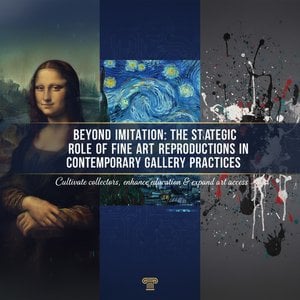
Dincolo de Imitare: Rolul Strategic al Reproducerilor Fine în Practicile Contemporane ale Galeriilor de Artă
Descoperă lumea reproducerilor fine de artă realizate cu pasiune și atenție la detalii! Galeria noastră oferă tablouri de calitate superioară, personalizate pentru a-ți transforma spațiul. Consultanță gratuită și garanție de satisfacție.

Beyond Imitation: The Cultural Resonance of Fine Art Reproduction & Discerning Collectors
Explore the cultural significance of fine art reproduction & its appeal to discerning collectors. Discover how reproductions enhance aesthetics, build collections, and signal status. Expert insights & museum-quality artistry.