


 Vezi în context
 Trimite
 Distribuie
 Detalii
 Ghidul

 Descarcă
 Produse similare
 Radiografie
 Diaporama
 Statistici
Blue lights

 Citește mai mult
Giclée / Imprimare artistică
Printuri giclée sau pe canvas de calitate muzeală, cu proces de producție rapid și opțiuni flexibile de finisare. ( Comandă pictură realizată manual Treci la imagine digitală)




P118B lei10

P118H lei10

P118W lei10

P438Z lei10

P508JH lei12

P508YH lei12

P805H lei10

P805Z lei10

P919BZ lei10

P919G lei10

P919XJ lei10

P959ZH lei10

P968JZ lei12

W106C lei8

W218G lei10

W218JH lei8

W218Y lei10

W307PJ lei10

W316G lei10

W316PJ lei8

W316Y lei10

W398PJ lei8

W4111J lei10

W500HY lei15

W500JH lei15

W692G lei12

W849H lei8

W940BG lei15

W953PJ lei8




Alegeți dintre dimensiunile noastre prestabilite, care respectă proporțiile originale ale operei de artă.

Introduceți lățimea și înălțimea de care aveți nevoie, pentru a se potrivi ramei sau peretelui dumneavoastră. O printare poate fi doar tăiată, niciodată extinsă dincolo de dimensiunea imaginii originale, astfel încât o dimensiune cu o formă diferită va pierde o parte din imagine. Vă trimitem o simulare digitală pentru aprobare înainte de a imprima orice. Imaginea afișată pe această pagină nu prezintă tăierea reală — doar simularea arată acest lucru.
Livrare în întreaga lume () în 2 săptămâni, în loc de cele 4/5 săptămâni standard. (24 Octombrie)

Livrare expres gratuită la nivel mondial

Pânză de in premium

Asigurare completă pentru transport

Garanție de rambursare a taxelor vamale

Garanția fidelității culorilor

Politica de retur în 100 de zile (doar pentru defecte)

Garanție de rambursare 100%

Reducere pentru comenzi multiple
 Opțiunea cu sticlă este disponibilă doar pentru dimensiuni de sub 110 cm

Blue lights
Giclée / Imprimare artistică
Dimensiune reproducere
-


Preț total
lei 287
Opere similare


Biografie artist
A Life Immersed in Landscape
Alfred William Hunt, a name perhaps less immediately recognized than some of his Pre-Raphaelite contemporaries, nevertheless occupies a vital and compelling position within the landscape tradition of Victorian Britain. Born in Liverpool in 1830, Hunt’s path was one of intriguing duality – a scholar steeped in classical learning who simultaneously possessed an artist's keen eye for the natural world. His father, Andrew Hunt, was also a landscape painter, providing an initial grounding in artistic technique, but it was at Oxford University, where he pursued studies in classics, that young Alfred’s intellectual foundations were truly laid. He excelled academically, winning the prestigious Newdigate Prize for poetry in 1851 with his work “Nineveh” and becoming a fellow of Corpus Christi College in 1853. Yet, even amidst the rigors of academic life, the pull of artistic expression proved irresistible.The Ruskinian Influence and Artistic Development
A pivotal moment arrived when Hunt encountered the influential art critic John Ruskin. Ruskin’s emphasis on “truth to nature,” meticulous observation, and a deeply felt emotional connection to the landscape resonated profoundly with Hunt's own sensibilities. This encounter spurred him toward dedicating himself more fully to painting, initially exhibiting at the Royal Academy in 1854. While not formally aligning himself with the Pre-Raphaelite Brotherhood, Hunt found himself drawn to their commitment to detail and naturalism, incorporating these principles into his evolving style. His early works demonstrate a careful rendering of form, influenced by both his father’s traditional approach and the burgeoning aesthetic ideals of the time. He began sketching extensively, documenting the world around him with an almost scientific precision, yet always imbued with a poetic sensibility. Hunt's dedication to working *en plein air*, directly from nature, became a hallmark of his practice, allowing him to capture the fleeting effects of light and atmosphere with remarkable accuracy.Mastering Atmosphere and Detail
Hunt’s paintings are immediately recognizable for their exquisite detail and atmospheric rendering. He possessed an extraordinary ability to depict every leaf, blade of grass, and rock formation with painstaking precision, yet this meticulousness never felt sterile or academic. Instead, it served to heighten the emotional impact of his landscapes, creating scenes that were both visually stunning and deeply evocative. His commitment to naturalism, born from Ruskin’s teachings, meant a faithful representation of the observed world, but Hunt went beyond mere imitation. He masterfully captured the subtle nuances of light and shadow, the delicate interplay of color, and the overall mood of a scene, imbuing his work with a sense of tranquility and poetic beauty. This ability to convey atmosphere – whether it be the misty stillness of a Welsh valley or the dramatic energy of a coastal storm – is perhaps his most enduring legacy.Recognition and Legacy
Throughout his career, Hunt consistently exhibited at the Royal Academy and other provincial exhibitions, gradually gaining recognition for his skill and artistry. In 1862, he was elected an associate of the Old Water-Colour Society, becoming a full member in 1864, solidifying his position within the artistic establishment. His work attracted a dedicated following among art collectors and enthusiasts who appreciated his unique blend of technical mastery and emotional depth. Beyond his own artistic achievements, Hunt’s influence extended to his family; his wife, Margaret Raine Hunt, was a successful novelist, and their daughter, Violet Hunt, also became known as a writer. His niece, Jessie MacGregor, followed in his footsteps as an artist. Alfred William Hunt passed away in 1896 and is buried with his wife and daughter at Brookwood Cemetery. While perhaps not enjoying the same level of widespread fame as some of his contemporaries, Hunt’s contribution to British landscape painting remains significant. He successfully bridged the gap between academic tradition and the emerging Pre-Raphaelite aesthetic, leaving behind a body of work that continues to captivate and inspire with its exquisite detail, atmospheric beauty, and profound connection to the natural world. His paintings stand as testaments to a life dedicated to observing, interpreting, and celebrating the poetry of truth found within the landscape.
Alfred William Hunt
1830 - 1896 , United Kingdom
Informații rapide
- Full Name: Alfred William Hunt
- Nationality: British
- Date Of Birth: 1830
- Date Of Death: 1896
- Place Of Birth: Liverpool, United Kingdom
- Notable Artworks:
- Tynemouth Pier
- Harlech Castle
- Study For 'blue Lights'
- Artistic Movement Or Style: Pre-Raphaelite, Landscape
- Artists Who Influenced This Artist:
- Andrew Hunt
- John Ruskin
- J.M.W. Turner
- Artists Or Movements Influenced By This Artist: British Landscape Painting
Articole conexe

Serene Blue Backgrounds: Discover Soulful Art to Transform Your Space with Timeless Elegance
Transform your home with soulful blue art. From serene Monet impressions to modern textured sculptures, discover curated masterpieces designed to inspire calm. Explore expert art consultations and bespoke hand-painted reproductions to create your personal sanctuary.

Top 10 Capodopere Albastre: Picturi Celebre și Inspirație pentru Decor
Descoperă top 10 picturi celebre dominate de nuanțe subtile de albastru! Explorează poveștile din spatele capodoperelor Monet, Renoir și Van Gogh. Inspirație decor interior & reproducere tablouri pe ArtsDot.com

Dante Gabriel Rossetti: Cele Mai Frumoase 25 de Capodopere – Artă, Decorațiuni și Inspirație
Descoperă cele mai frumoase 25 de picturi ale lui Dante Gabriel Rossetti! Explorează arta prerafaelită, simbolismul romantic și portretele feminine iconice. Reproduceri artă de calitate muzeală & inspirație decorativă pe ArtsDot.com.
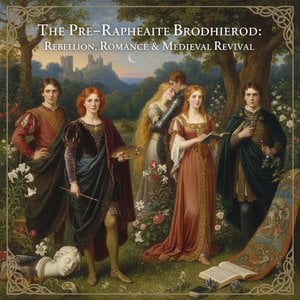
The Pre-Raphaelite Brotherhood: Rebellion, Romance & Medieval Revival
Explore the captivating world of the Pre-Raphaelite Brotherhood! Discover their rebellious spirit, iconic masterpieces & lasting influence on art history. Learn about Rossetti, Millais & more.

Sir Alfred James Munnings: Cele Mai Iubite 25 de Capodopere – Artă Excepțională pentru Decorul Casei Tale
Descoperă cele mai frumoase 25 de picturi ale lui Alfred James Munnings! Explorează capodoperele impresionismului britanic, scene rurale vibrante și arta ecvestră. Reproduceri de artă de calitate muzeală pentru decorul casei tale pe ArtsDot.com