Um Legado Forjado na Paixão: A História do Dixon
Aninhada no abraço verdejante de Memphis, Tennessee, a Dixon Gallery and Gardens não é meramente um museu; é uma experiência imersiva — um testemunho do poder duradouro da arte e da natureza entrelaçadas. Fundada em 1976 pelo casal visionário, Hugo e Margaret Dixon, a instituição emergiu de sua paixão compartilhada tanto pelo Impressionismo quanto pela horticultura, criando um refúgio onde pinceladas delicadas dançam ao lado de paisagens meticulosamente elaboradas. A coleção inicial dos Dixon, cuidadosamente curada sob a orientação do estimado estudioso do Impressionismo francês, John Rewald, lançou as bases para o que viria a ser um dos marcos culturais mais preciosos do Sul. Desde a sua criação, o Dixon foi concebido não apenas como um espaço de exibição, mas como um ambiente — uma mistura harmoniosa de espaços internos e externos projetados para inspirar a contemplação e elevar o espírito. A subsequente aquisição, em 1996, de 23 pinturas e esculturas da família Montgomery H.W. Ritchie consolidou ainda mais a reputação do museu, enriquecendo seu acervo com obras excepcionais que continuam a cativar o público até hoje.
O próprio edifício, uma residência georgiana construída em 1942, serve como o coração deste espaço único. Sua arquitetura — caracterizada por uma elegante simetria e salas inundadas de luz — proporciona um cenário deslumbrante para a diversificada coleção do museu. O design do Dixon reflete uma intenção deliberada de complementar e realçar a arte em seu interior, criando uma experiência coesa que transcende as fronteiras tradicionais dos museus.
Uma Sinfonia de Impressionismo: Destaques da Coleção
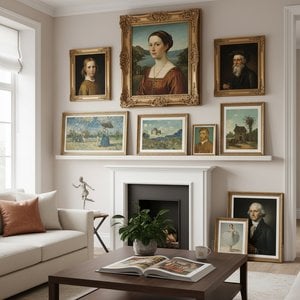
A Dixon Gallery and Gardens é particularmente celebrada por sua notável coleção de pinturas impressionistas francesas e americanas. Aqui, as paisagens luminosas de Claude Monet — sua luz filtrada através das ninféias, suas representações evocativas da Catedral de Rouen — dançam ao lado das cenas íntimas de Edgar Degas, capturando momentos fugazes da vida parisiense. As composições vibrantes de Pierre-Auguste Renoir, repletas de joie de vivre , compartilham espaço com as sutis nuances de Berthe Morisot e Mary Cassatt, oferecendo vislumbres comoventes da domesticidade e da experiência feminina. Mas o alcance do museu estende-se muito além destes mestres icônicos. Um traço verdadeiramente distintivo é o seu vasto acervo de obras de Jean-Louis Forain, um artista amplamente negligenciado, porém profundamente perspicaz. Suas pinturas oferecem um olhar fascinante sobre a vida parisiense no final do século XIX, capturando tanto sua elegância quanto suas correntes sociais subjacentes com um olhar aguçado e técnica magistral — um mundo de cafés movimentados, apresentações teatrais e a vida cotidiana dos parisienses.
Além do Impressionismo, a coleção abrange cuidadosamente retratos e paisagens britânicas — uma sutil homenagem à herança inglesa de Hugo Dixon — e abraça o poder expressivo de artistas pós-impressionistas como Pierre Bonnard, Marc Chagall e Henri Matisse. O museu também ostenta uma impressionante variedade de obras de artistas americanos, como Winslow Homer e George Bellows, adicionando profundidade e amplitude à sua narrativa.
Jardins como Arte Viva: Uma Paisagem de Serenidade
O compromisso do Dixon com a beleza estende-se muito além das galerias, alcançando seus deslumbrantes jardins de 17 acres. Projetados no estilo de Jardim Inglês — uma escolha deliberada que reflete o apreço dos Dixon pelo design naturalista — estes espaços verdes oferecem um escape tranquilo da agitação da vida urbana. Os próprios Dixon começaram a moldar a paisagem em 1939, vislumbrando um cenário que complementasse e realçasse sua coleção de arte. Hoje, os visitantes podem percorrer quatro jardins principais de esculturas ao ar livre, onde esculturas greco-romanas permanecem como sentinelas entre folhagens exuberantes e vistas abertas. Cada jardim possui seu próprio caráter distinto: o vibrante Cutting Garden explode com flores sazonais; o Formal Garden exala elegância com seus layouts simétricos e sebes aparadas; o expansivo South Lawn convida a piqueniques e encontros tranquilos; e os serenos Woodland Gardens oferecem um refúgio sombreado para a contemplação silenciosa.
Os jardins não são meramente um complemento ao museu, mas uma parte integrante da experiência geral, demonstrando como a arte e a natureza podem coexistir em perfeita harmonia. O posicionamento cuidadoso das esculturas dentro da paisagem cria diálogos entre forma e espaço, convidando os visitantes a considerar a relação entre beleza, percepção e o mundo natural.
Cultivando o Apreço: Educação e Engajamento
A Dixon Gallery and Gardens está profundamente comprometida em promover o apreço tanto pela arte quanto pela horticultura por meio de uma gama diversificada de programas educacionais. O Departamento de Educação oferece iniciativas envolventes adaptadas a públicos de todas as idades, desde o programa infantil Mini Masters , que introduz mentes jovens ao mundo da criação artística, até a série de palestras para adultos Munch and Learn , que combina história da arte com engajamento social. O programa de extensão Art to Grow leva o alcance do museu às escolas locais, nutrindo a criatividade e a expressão artística nos estudantes de toda a comunidade. Estes programas refletem a crença do Dixon de que a arte não é simplesmente algo a ser observado, mas uma ferramenta poderosa para o aprendizado, a conexão e o crescimento pessoal.
Workshops, palestras, visitas guiadas e eventos especiais são programados regularmente, garantindo que o museu permaneça um centro vibrante de atividade cultural. O Dixon esforça-se para tornar a arte acessível a todos, fomentando um amor vitalício pela beleza e pela compreensão cultural — uma missão que se estende além das paredes das galerias e chega ao coração da comunidade.